Photo via Fox News

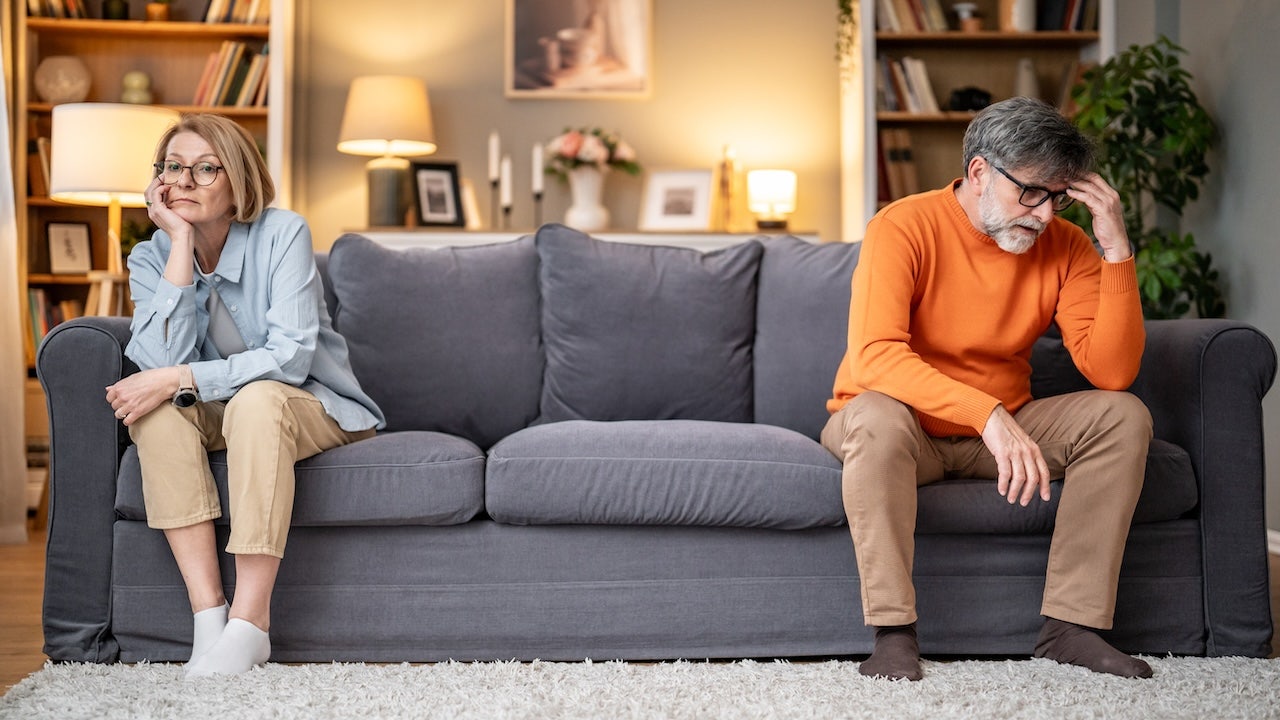
Feeling lonely in a marriage or shared home raises dementia risk by 38%, study finds

Read the original at Fox News ↗
Cite

Rudy, M. (2026, November 28). Feeling lonely in a marriage or shared home raises dementia risk by 38%, study finds. Fox News. https://www.foxnews.com/health/feeling-lonely-marriage-shared-home-raises-dementia-risk-38-percent-study-finds

Dated from the outlet's own feed. Check the original for its byline.

Fox News · collected 2026-11-28 · by Melissa Rudy

Quick Summary

Researchers from the Université de Bordeaux found that older adults who feel lonely consistently over time have a 38% higher risk of developing dementia compared to those who never feel lonely. Analyzing data from 3,777 French adults aged 65 and older over a 30-year period, the study revealed that chronic loneliness, experienced at three or four visits, poses a significant risk, while occasional loneliness does not. The research underscores that even those living in couples or with family can experience chronic loneliness, highlighting the importance of addressing subjective experiences of loneliness rather than just living arrangements.
Written by AI on 2026-11-28, from this article's own text only (the story summary below draws on all the coverage).

AI analysis

Story summary

A new study from the Université de Bordeaux, published in the journal *Aging & Mental Health*, reveals that older adults who experience chronic loneliness have a 38% higher risk of developing dementia compared to those who never feel lonely. The research, conducted from 1988 to 2018, analyzed data from 3,777 French adults aged 65 and older. Participants were categorized into three groups: never lonely, occasional loneliness, and chronic loneliness. Individuals in the chronic loneliness group, who reported feelings of loneliness at three or four visits, showed a significantly increased risk of cognitive decline. The study found no significant link between occasional loneliness and dementia risk. Researchers noted that even those living in couples or with family members could experience chronic loneliness, which may also contribute to poor diet and physical inactivity, increasing the risk of diabetes and cardiovascular disease.

Written for “Loneliness Linked to Dementia Risk” on 2026-11-29, grounded in this article and the 0 other(s) covering the same event.

Compared with similar articles

Nothing to compare against. No article is close enough to this one for the pipeline to have linked or judged the pair.

Story

Loneliness Linked to Dementia Risk
Health · 1 article(s) covering the same event.
How this article was measured signals, leaning charts, publisher record, byline, topics and claims

Signals How these are calculated →

Claims extracted
22
sentences that state something as happening or true
Uncertain
45%
10 of 22 hedged ("reportedly", "may", "according to")
Leaning
not political
takes no side on a contested political question
Publisher signals
68/100
Fox News's corrections and hedging, across everything collected from it. Not a measure of accuracy.
Outlets on this story
1
Health
Same framing elsewhere
1
articles that frame the event the way this one does
Analyzed 2026-11-28 · how these are computed

How this is being covered How these are calculated →

Article leaning vs. publisher reliability
Source leaning vs. consistency

Publisher

Fox News · 9255 article(s) · 20 correction(s) detected
Running correction rate · 20 correction(s)

Who wrote this

Melissa Rudy
42 article(s) here · 1 carrying a prediction
Even people living in couples or with family members could still experience chronic loneliness, the researchers noted.
With roughly 15% of Americans now reporting they have used a GLP-1 medication for weight loss, many Thanksgiving dinner plates may be a little less crowded this year.
People living with type 2 diabetes may face a significantly higher risk of developing Alzheimer’s disease compared to those without the condition, a new study suggests.
"It got me feeling back to my old self, where the minute I got in bed, I would do a little scrolling and all of a sudden my eyes would start closing.
A University of Cincinnati study found differences in pancreatic tumors that could help explain why that type of cancer affects some patients differently, potentially leading to more personalized treatments.
Haddow also raised the possibility that the capsules Tesluck initially consumed may have contained ingredients beyond natural leaf kratom.
Three in four Americans aged 50 and older would like to remain in their homes as they age, according to the AARP — and preserving that independence starts with daily habits.
"A more planned-out training protocol will get you to that point where you really start seeing the arms develop and change in shape."
"We encourage anyone who may have been exposed and is experiencing symptoms consistent with E. coli infection to seek immediate medical attention."
While some research has suggested that the fall time change could have some cardiovascular benefits, the abrupt loss of evening sunlight can suppress serotonin and melatonin production, which can lead to a depressed mood, according to Dr. John La Puma, a California physician and expert in nature-based medicine.
Also by Melissa Rudy
Nothing else under this byline is closely related to this article, so these are simply their most recent.
All 42 articles by Melissa Rudy →

Topics

Aging & Mental Health Bordeaux Population Health Centre French the Université de Bordeaux the Université de Bordeaux's

Subjects

Aging & Mental Health ORG · 1× Bordeaux Population Health Centre ORG · 1× French NORP · 1× Karine Pérès PERSON · 1× Pérès PERSON · 1× WHO ORG · 1× Yvanna Simon PERSON · 1× the Université de Bordeaux ORG · 1× the Université de Bordeaux's ORG · 1× the World Health Organization ORG · 1×

Narrative

Chronic loneliness has also been linked to poor diet and physical inactivity, which increase the risk of dementia-related conditions like diabetes and cardiovascular disease.
framing: mixed · carried by 1 article(s) · first seen 2026-11-28
Even people living in couples or with family members could still experience chronic loneliness, the researchers noted.

Claims (22 extracted, 10 hedged)

New research suggests that when it comes to brain health, how long an older adult feels lonely matters far more than experiencing loneliness occasionally. uncertain
feels → suggest → loneliness
Researchers from the Université de Bordeaux analyzed data from 3,777 French adults aged 65 and older who participated in a study from 1988 to 2018, according to a university news release. uncertain
who → analyze → release
The team evaluated the adults for the following three types of loneliness. asserted
team → evaluate → loneliness
- Never lonely: No loneliness reported at any visit (48.3% of participants) asserted
loneliness → report → participants
- Occasional loneliness: Loneliness reported at one or two visits (34.4%) - Chronic loneliness: asserted
Loneliness → report → visits
Next, they looked at the participants’ risk of developing cognitive decline over the next 20 years. asserted
they → look → years
The study excluded any participants who experienced early cognitive decline. asserted
who → exclude → decline
Older adults experiencing chronic, persistent loneliness were found to have a 38% higher risk of developing dementia compared to those who never feel lonely, according to the study. uncertain
who → experience → study
Occasional loneliness showed no significant association with dementia risk. asserted
loneliness → show → risk
Even people living in couples or with family members could still experience chronic loneliness, the researchers noted. uncertain
researchers → live → loneliness
Nearly 30% of the participants in the "chronically lonely" category did not live alone. asserted
% → live → category
"It shows this vulnerability may also stem from unsatisfying relationships, caregiving burdens or lack of meaningful activities," lead author Yvanna Simon said in the release. uncertain
Simon → show → release
"Healthcare professionals, social workers and policymakers should not exclusively focus on living arrangements as a proxy for social risk, but should also incorporate subjective experiences of connection and loneliness." The study, which was published in the peer-reviewed journal Aging & Mental Health, seems to challenge the common belief that all degrees of loneliness pose the same risk to brain health, which is a "critical distinction," according to co-author Karine Pérès, a senior researcher at the Université de Bordeaux's Bordeaux Population Health Centre. "While most people experience loneliness at some point in their lives, it is when loneliness becomes chronic and persistent that it may increase the risk of developing dementia," she said in the release. uncertain
she → focus → release
Prior studies have pointed to several ways persistent loneliness may speed up cognitive decline, Pérès noted. uncertain
Pérès → point → decline
Prolonged social stress and immune activation can spark "sustained inflammation" and lead to an "accumulation of biological wear and tear over time," she said. asserted
she → spark → time
Chronic loneliness has also been linked to poor diet and physical inactivity, which increase the risk of dementia-related conditions like diabetes and cardiovascular disease. asserted
which → link → diabetes
Meanwhile, fewer social interactions can reduce cognitive stimulation, according to the researcher. uncertain
interactions → reduce → researcher
The study did have some limitations, the researchers noted. asserted
researchers → have → limitations
It measured loneliness by asking just one question, and did not consider other factors like relationship quality and daily activities. asserted
It → measure → quality
Loneliness and dementia have been recognized as global health threats by the World Health Organization. asserted
Loneliness → recognize → Organization
A quarter of older adults are "socially isolated" and up to 34% report feeling lonely, according to WHO, and dementia cases are expected to reach 150 million by 2050. To help prevent future dementia cases, the researchers called for strategies to tackle chronic loneliness, including routine screenings in clinics, referrals to social activities and an increase in community spaces. uncertain
researchers → report → spaces
Because many cases of loneliness are "potentially preventable or reversible," the authors concluded that these strategies could help support healthy cognitive aging, independence and quality of life in older adults. uncertain
strategies → conclude → adults

Give feedback · no sign-in needed

No sign-in needed for now. Your note is sent without a name, so it cannot be answered.

History Support