That is 0 articles you have read today.
The Aporia is free and carries no advertising, so readers are the only
thing paying for it. If you are getting this much out of it, a small
donation is what keeps it independent.
You have read 0 articles today.
That is more than the 15 a day The Aporia gives away,
and well past what it can carry on nothing. Your allowance resets at
midnight.
There is no advertising here and nothing about you is sold, so readers
are the only thing paying for it. If the site is worth this much of
your day, it is worth a few dollars.
Everything else stays open: the front page, the
directory and search do
not count against this, and neither does re-opening something you have
already read today.
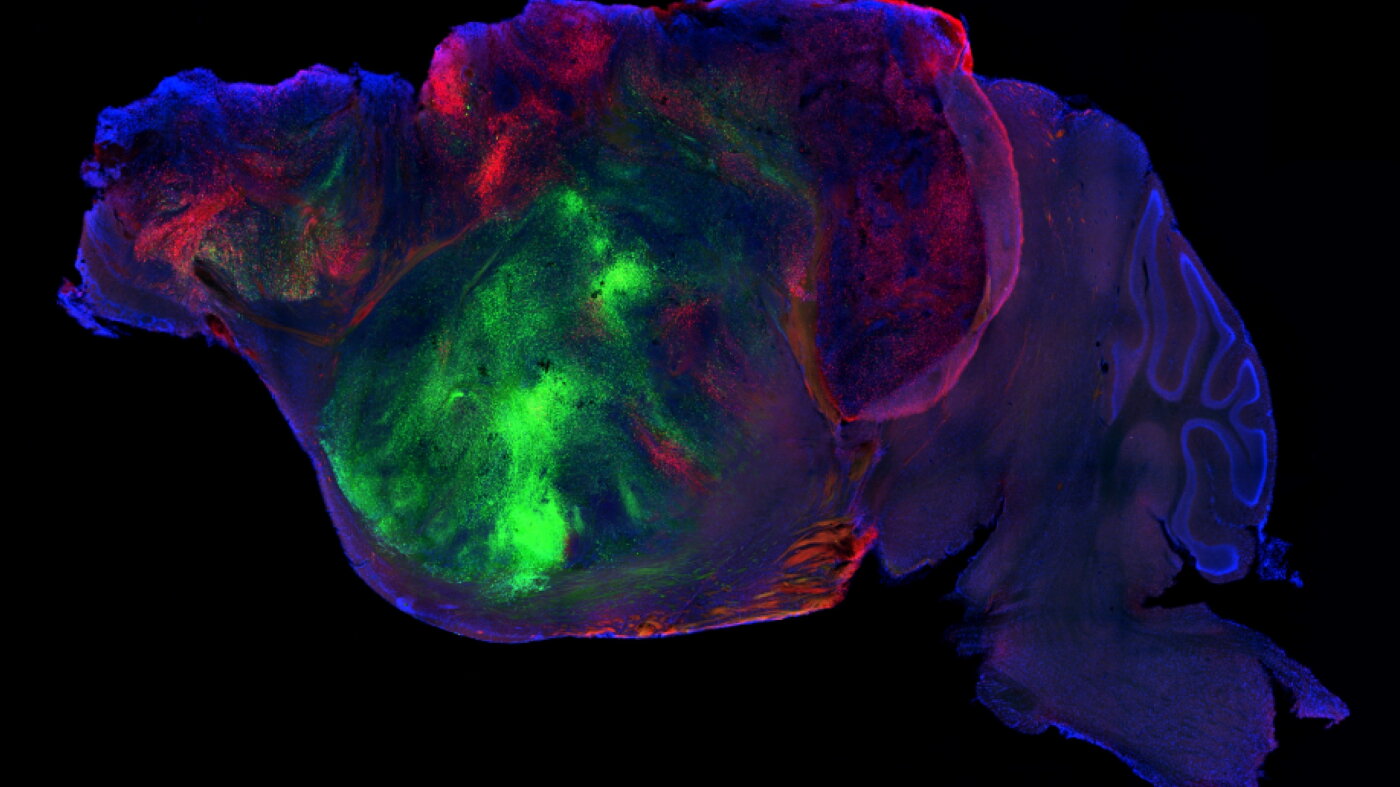
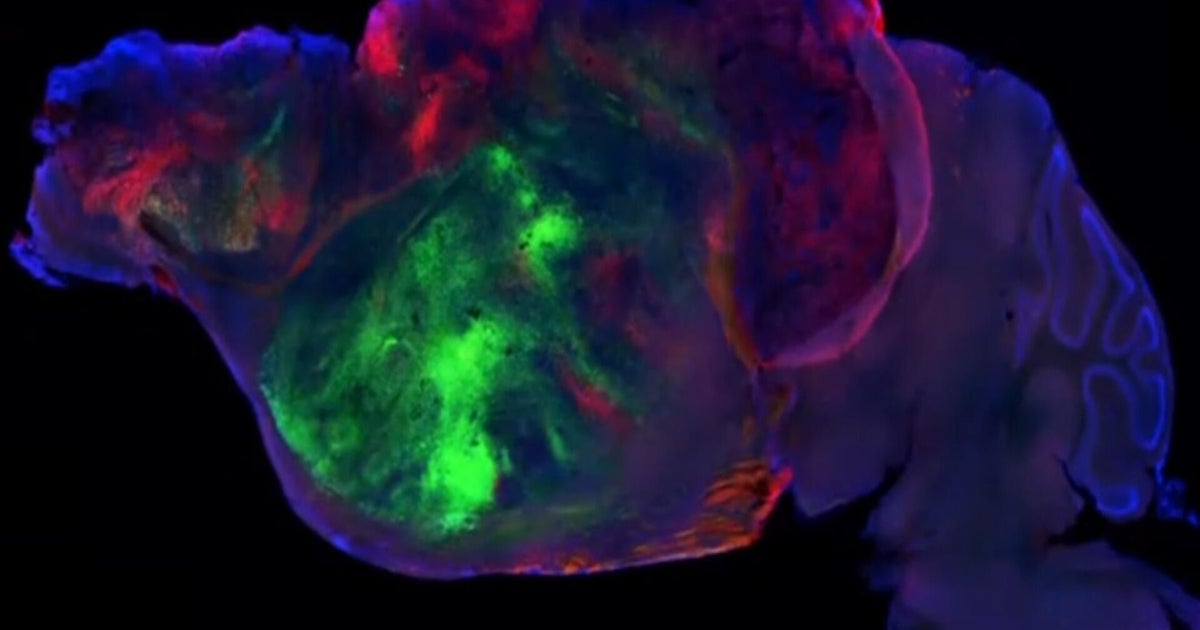
Photo via CBS News
Neuroscientist explains how his team grew human brain tissue in mice and breaks down what they found
Neuroscientist explains how his team grew human brain tissue in mice and breaks down what they found. (2026, September 19). CBS News. https://www.cbsnews.com/video/neuroscientist-team-grew-human-brain-tissue-mice/
“Neuroscientist explains how his team grew human brain tissue in mice and breaks down what they found.” CBS News, 19 Sept. 2026, https://www.cbsnews.com/video/neuroscientist-team-grew-human-brain-tissue-mice/.
“Neuroscientist explains how his team grew human brain tissue in mice and breaks down what they found.” CBS News, September 19, 2026. https://www.cbsnews.com/video/neuroscientist-team-grew-human-brain-tissue-mice/.
Dated when The Aporia collected the article, usually within hours of publication. Check the original for its exact date and byline.
Dr. Sergiu Pasca from Stanford University discusses his team's research where they grew human brain tissue inside mice. This experiment aims to advance treatments for various brain disorders. On CBS News, Dr. Pasca explains the methodology and results of their study.
Written by AI on 2026-09-19,
from this article's own text only (the story summary below draws on all the coverage).
Researchers at Stanford University developed a method to install millions of lab-grown human brain cells into mice, creating animals with partially human cerebral cortexes. The study, published in the journal Nature, aims to better understand and develop treatments for neurodegenerative diseases that are hard to replicate in non-human models. Mice were genetically altered to lack most of their cerebral cortex tissue, then implanted with human cortical organoids—three-dimensional clusters of brain cells grown from reprogrammed skin cells. The transplanted human neurons survived and thrived, forming functional connections within the mice’s brains and spinal cords. Sergiu Pașca, a professor at Stanford University, emphasizes that this breakthrough offers new opportunities to study human-specific neurological conditions such as autism, epilepsy, schizophrenia, and cerebral palsy, but stresses these are not "mice with human-like thoughts." The research was conducted under strict ethical guidelines.
Written for “Human Brain Cells In Mice” on 2026-11-20,
grounded in this article and the 4 other(s) covering the same event.
How they differ
5 outlets covered “Human Brain Cells In Mice”.
What each outlet says
One AI summary per outlet of its latest article on this story, written from that article alone and checked against it. Open the article for the outlet's own words.
CBS NewsThis outlet19 Sep
Dr. Sergiu Pasca from Stanford University discusses his team's research where they grew human brain tissue inside mice. This experiment aims to advance treatments for various brain disorders. On CBS News, Dr. Pasca explains the methodology and results of their study.
Neuroscientist explains how his team grew human brain tissue in mice and breaks down what they found (this article)NPR16 Sep

Researchers have developed a method to implant millions of human brain cells into mice that lack parts of their cerebral cortexes. This technique allows scientists to study neurodegenerative diseases using more accurate models of the human brain than previously possible. The research, led by Sergiu Pașca from Stanford University and published in Nature, addresses ethical concerns while advancing scientific…
US neuroscientists have created mice with functioning human cells in their brains to study psychiatric and neurodevelopmental diseases that cannot be effectively modeled in animals. The researchers genetically engineered the mice so they develop almost no cerebral cortex, then implanted brain-like tissue grown from human skin cells into these rodents. Published in Nature, this breakthrough aims to improve…
Scientists at Stanford University have successfully transplanted lab-grown human cortical organoids into mice, which had been bred with most of their cerebral cortex missing. Published in Nature, this study involves transforming human skin cells into stem cells that form brain tissue resembling the cerebral cortex. The transplanted tissue not only survived but also integrated with and developed connections to the…
Stanford researchers have successfully transplanted lab-grown human brain tissue into mice engineered to lack most of their cerebral cortex. Within months, this tissue expanded to fill over 90% of the available space in these modified mice, forming functional connections with the mouse’s nervous system. Published in Nature on September 16, the study uses cortical organoids derived from human stem cells to observe…
Neuroscientist explains how his team grew human brain tissue in mice and breaks down what they found
Neuroscientists at Stanford University successfully grew human brain tissue inside mice in the hopes of further enabling the development of treatments for brain disorders.
asserted
Neuroscientists → explain → disorders
Stanford Medicine professor of psychiatry and behavioral sciences Dr. Sergiu Pasca, who led the study, joins CBS News to break down the findings.
asserted
who → lead → findings
Give feedback · no sign-in needed
No sign-in needed for now. Your note is sent without a name, so it cannot be answered.