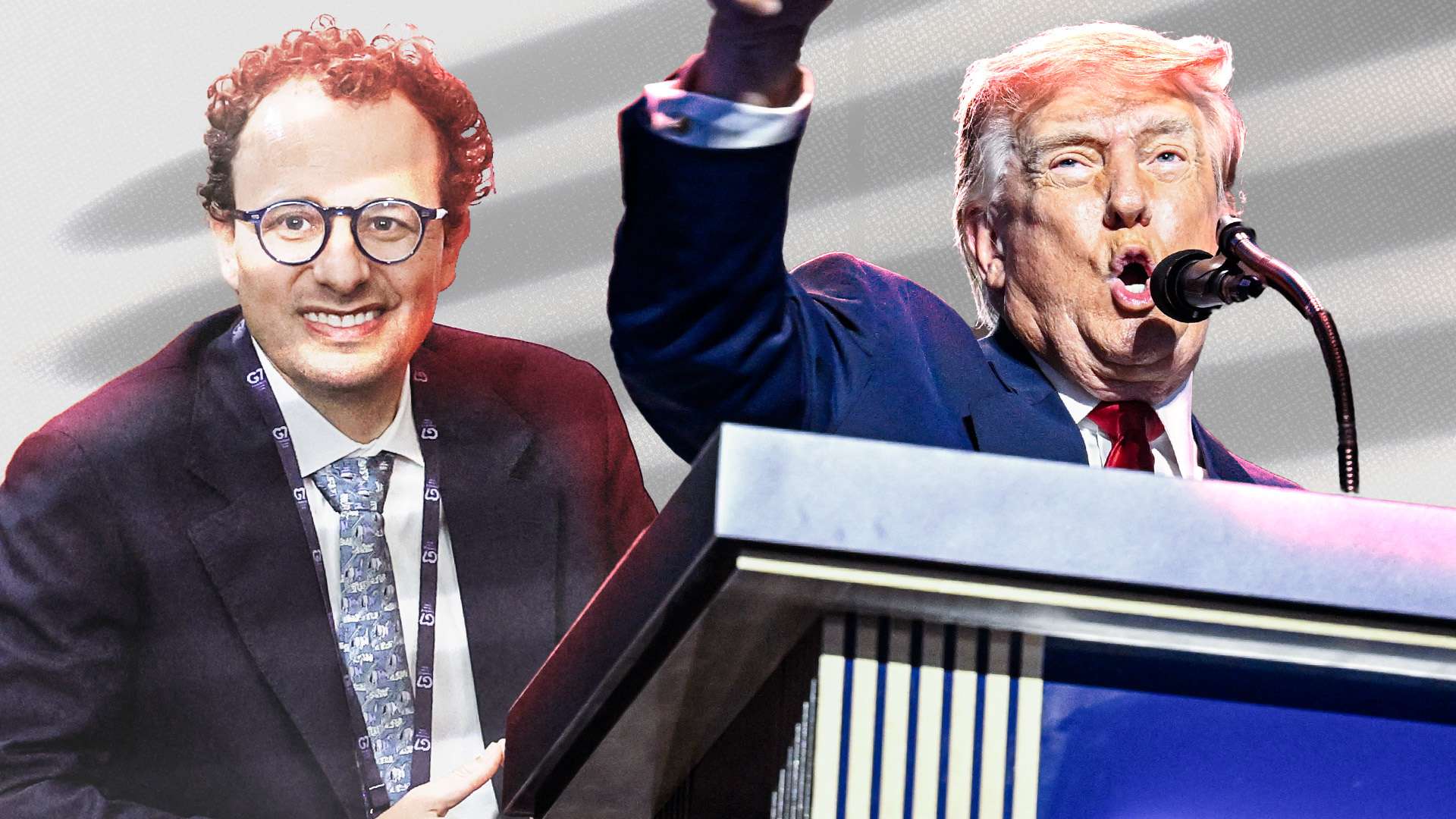
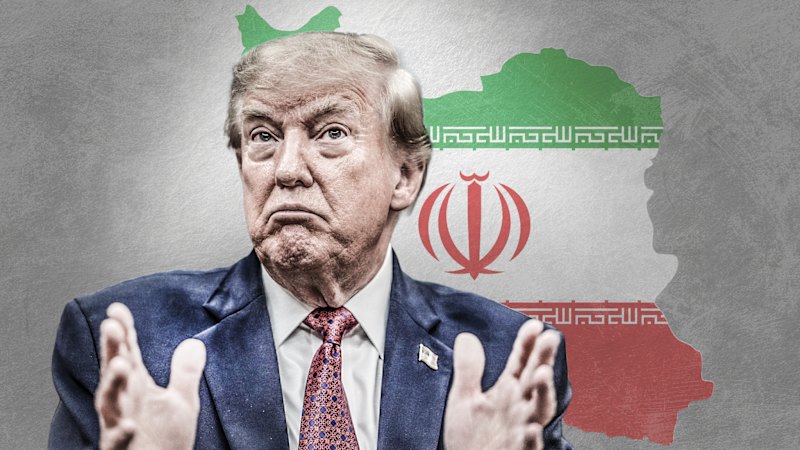
Photo via The Sydney Morning Herald

Trump’s love of AI is more complicated than it looks

Read the original at The Sydney Morning Herald ↗
Cite

Swan, J., Sanger, D. E., Kang, C., & Volz, D. (2026, September 19). Trump’s love of AI is more complicated than it looks. The Sydney Morning Herald. https://www.smh.com.au/world/north-america/trump-s-love-of-ai-is-more-complicated-than-it-looks-20260919-p60yrq.html?ref=rss&utm_medium=rss&utm_source=rss_feed

Dated when The Aporia collected the article, usually within hours of publication. Check the original for its exact date and byline.

The Sydney Morning Herald · collected 2026-09-19 · by Jonathan Swan, David E. Sanger, Cecilia Kang, Dustin Volz

Quick Summary

President Donald Trump has expressed skepticism about concerns over artificial intelligence (AI) risks, dismissing them as a hoax and emphasizing the importance of AI for economic growth. This stance is influenced by figures like David Sacks, Mark Zuckerberg, and Jensen Huang, who advise on the benefits of AI in countering Chinese technological competition. However, inside the administration, there are voices advocating caution due to potential threats such as cyberattacks, job losses, and financial instability from unchecked AI development. Treasury Secretary Scott Bessent is negotiating with China on mutual safety concerns but faces challenges in implementing comprehensive safeguards given Trump’s reluctance to impose restrictions that could slow down AI progress.
Written by AI on 2026-09-19, from this article's own text only (the story summary below draws on all the coverage).
See how they differ ↓

AI analysis

Story summary

In a series of social media posts on Truth Social, Donald Trump dismissed concerns about artificial intelligence (AI) as a hoax, comparing them to past warnings about climate change. He accused critics of being alarmist and likened their stance to previous claims that global warming would lead to disaster. Trump announced the formation of an "AI Force" and plans to appoint an "AI Czar," aiming to protect AI's rapid growth in the United States. This move is seen as a response to growing skepticism about the technology, with some industry leaders warning about potential risks. Despite these warnings, Trump insisted that the justice system would serve as sufficient safeguards against any misuse of AI and vowed not to allow regulatory measures that could hinder its development. The announcement comes amid increasing tensions between the U.S. and China in the tech race, particularly concerning AI advancements.

Written for “Trump AI Initiatives” on 2026-11-21, grounded in this article and the 23 other(s) covering the same event.

How they differ

16 outlets covered “Trump AI Initiatives”.

What each outlet says

One AI summary per outlet of its latest article on this story, written from that article alone and checked against it. Open the article for the outlet's own words.

Sydney Morning HeraldThis outlet19 Sep

President Donald Trump has expressed skepticism about concerns over artificial intelligence (AI) risks, dismissing them as a hoax and emphasizing the importance of AI for economic growth. This stance is influenced by figures like David Sacks, Mark Zuckerberg, and Jensen Huang, who advise on the benefits of AI in countering Chinese technological competition. However, inside the administration, there are voices…

Trump’s love of AI is more complicated than it looks (this article)2 articles from Sydney Morning Herald on this story
Washington Examiner23 Sep

The Washington Examiner reported that President Donald Trump plans to establish an “AI Force” led by an AI czar, though details such as its location within government and specific responsibilities remain unclear. The article highlights concerns about potential operational risks involving autonomous cyber exercises where AI models can inadvertently access real-world systems during simulations, posing significant…

Don’t give Trump an ‘AI force’ until it can stop a rogue agent →3 articles from Washington Examiner on this story
The Independent21 Sep

In a Truth Social post, former President Donald Trump criticized skeptics and AI experts by comparing their concerns to past climate change predictions he dismissed as exaggerated. He called artificial intelligence “SUPER INTELLIGENCE” in an effort to rebrand the technology and assert U.S. leadership over China. Trump argued that such advancements will be crucial for future geopolitical dominance, dismissing…

Trump gives AI a new name in off-the-rails rant tying guardrails to climate change: ‘Nobody was dead’ →2 articles from The Independent on this story
South China Morning Post20 Sep

The article discusses Donald Trump's proposal for an AI Force ahead of a summit with Xi Jinping, potentially escalating the technology race between the US and China. Analysts suggest that while the force could facilitate discussions on AI safety, it might also be used to implement stricter export controls targeting China. In a social media post, Trump emphasized his stance against perceived threats from the "Radical…

Does Trump’s new AI Force signal tech race escalation ahead of Xi Jinping summit? →2 articles from South China Morning Post on this story
CBS News21 Sep

President Trump announced the creation of an "AI Force" and the appointment of an "AI Czar," aiming to maintain rapid development of artificial intelligence despite recent warnings from industry experts. Nvidia CEO Jensen Huang, however, dismissed apocalyptic concerns about AI during a discussion with CBS News. The article highlights the contrasting views on AI's role and regulation in the United States.

Trump announces "AI Force" and plans to unveil "AI Czar"; Nvidia CEO dismisses AI concerns →2 articles from CBS News on this story
The Guardian20 Sep

The article reports on how Donald Trump's family and close allies have benefited financially from artificial intelligence (AI) ventures while Trump actively opposes new AI regulations. Specifically, Trump’s sons secured a $620 million Pentagon loan and other defense contracts, while Michael Dell won a nearly $9 billion Pentagon contract. Despite growing public concern about AI risks, Trump advocates for minimal…

As White House shields the AI gold rush, Trump family and other allies strike it rich – with few guardrails →2 articles from The Guardian on this story
Show 10 more outlets
The Straits Times19 Sep

President Donald Trump announced plans to appoint a new AI advisor and create an "AI force" without providing specific details, amid growing concerns among lawmakers about the risks associated with artificial intelligence. This comes after former Anthropic researcher Jacob Coxon warned that AI could pose significant dangers by the end of the decade. Additionally, US media outlets CNN and MS NOW were denied access to…

While You Were Sleeping: 5 stories you might have missed, Sept 20, 2026 →2 articles from The Straits Times on this story
Times of India19 Sep

On Saturday, President Donald Trump announced via Truth Social the creation of an "AI Force" aimed at protecting artificial intelligence from what he calls threats by the "Radical Left Dumocrats." He plans to appoint an AI "Czar," emphasizing that only high IQ individuals should apply for this role. Trump predicts AI could account for up to 25% of the U.S.'s GDP, positioning it as a future industrial revolution on…

'Only high IQ individuals need apply': Trump announces 'AI Force' →
New York Post19 Sep

President Trump announced the creation of an "AI Force" and appointed an AI "czar" on Saturday, stating his intention to protect the AI industry while dismissing concerns about superintelligence as a hoax. He emphasized that the new force would monitor for “BAD” practices through existing legal frameworks and highlighted the success of his previously established Space Force as a precedent. The announcement came…

Trump announces creation of ‘AI Force’ — and calls fears of artificial superintelligence a ‘hoax’ →
Daily Mail19 Sep

President Trump announced on Truth Social the formation of an 'AI Force' aimed at monitoring artificial intelligence development, calling it a critical industry for American leadership. He proposed replacing terms like "artificial intelligence" with alternatives such as "superior," "extreme," or "supreme intelligence." The announcement came shortly after a CNN report revealed that AI-generated misinformation had…

Trump announces formation of new 'AI Force' and reveals new names to replace 'artificial' in his latest rebrand push to combat 'Democrat hoax' →
NBC News19 Sep

President Trump announced plans to appoint an AI czar and establish an AI task force in response to growing concerns over the technology’s potential risks. In social media posts, Trump emphasized the importance of fostering AI growth while also addressing negative aspects through existing legal systems. He stated that only individuals with high IQs should apply for the new position but did not name a specific…

Trump says he’s creating an AI force and appointing a czar amid concerns over the rapidly developing technology →
Al Jazeera19 Sep

President Donald Trump announced plans to create an "AI Force" and appoint a new "AI czar" to oversee artificial intelligence development, aiming to protect and advance this industry he considers pivotal for economic growth. In his social media post, Trump emphasized that the AI sector would not face hindrance under his leadership but instead receive support similar to the establishment of the Space Force during his…

Trump says he will create ‘AI Force’ with new ‘AI czar’ →
Fox News19 Sep

President Trump announced on Truth Social that he plans to create an "AI Force" similar to Space Force and appoint an AI czar to oversee artificial intelligence growth in the U.S., emphasizing protection of the industry from restrictions while using existing legal frameworks to address misuse. He did not provide specifics about the new force or its leader, but predicted AI could contribute up to 25% of U.S. GDP and…

Trump announces new 'AI Force,' vows to protect industry as AI czar announcement nears →
BBC19 Sep

US President Donald Trump announced plans to form an "AI Force" and appoint an AI tsar, aiming to ensure America leads in artificial intelligence development while dismissing concerns about potential dangers as a hoax. This move comes amidst warnings from researchers and tech leaders like Anthropic’s Dario Amodei and OpenAI’s Sam Altman about the risks of rapid AI advancements, including calls for industry-wide…

Trump says US will form 'AI Force' and appoint an artificial intelligence tsar →
ABC News (US)19 Sep

President Trump announced he will create an “AI Force” and appoint an AI czar in response to growing concerns about artificial intelligence, which he dismissed as a "hoax." He likened the proposed AI initiative to the creation of Space Force during his presidency, suggesting that existing legal frameworks are sufficient for addressing any negative aspects of AI without the need for new regulations. The article notes…

Trump says he will form new 'AI Force' but continues to call AI fears a 'hoax' →
UPI21 Sep

On September 19, President Donald Trump announced plans to create an "AI Force" and appoint a czar to oversee artificial intelligence development, emphasizing his support for rapid industry growth despite concerns raised by some technology leaders. Trump dismissed fears over AI's potential dangers as a hoax and pledged continued investment in data centers and AI research, asserting U.S. leadership over competitors…

Trump says he will create 'AI Force,' appoint czar to oversee industry →

Where they agree and split

Agreed

AI · cited, from two or more outlets

  • Trump emphasized that the initiative aims to protect and advance AI development without hindering its growth.35

Framing

How the first headlines put it

  • The Washington Examiner frames Trump’s announcement as a new initiative to be led by an AI czar, emphasizing its organizational structure.13
  • The New York Post presents the announcement in the context of dismissing fears about AI superintelligence and comparing them to other hoaxes.26
Attributed to a source12
Stated as fact2
The headlines (14)

Trump says he will form AI Force to be led by ‘czar’ Washington Examiner · attributed to a source

Trump announces he’s forming an ‘AI Force’ similar to his ‘Space Force’ The Independent · attributed to a source

'Only high IQ individuals need apply': Trump announces 'AI Force' Times of India · attributed to a source

Trump says he will create ‘AI Force’, name AI tsar South China Morning Post · attributed to a source

Trump announces creation of ‘AI Force’ — and calls fears of artificial superintelligence a ‘hoax’ New York Post · attributed to a source

Trump announces formation of new 'AI Force' and reveals new names to replace 'artificial' in his latest rebrand push to combat 'Democrat hoax' Daily Mail · attributed to a source

Trump vows to form "AI Force," says he won't allow slowdown of AI development CBS News · attributed to a source

Trump says he’s creating an AI force and appointing a czar amid concerns over the rapidly developing technology NBC News · attributed to a source

Trump says he will create ‘AI Force’ with new ‘AI czar’ Al Jazeera · attributed to a source

Trump announces new 'AI Force,' vows to protect industry as AI czar announcement nears Fox News · attributed to a source

Trump says he will create ‘AI Force,’ name AI czar The Straits Times · attributed to a source

Trump says US will form 'AI Force' and appoint an artificial intelligence tsar BBC · attributed to a source

Trump’s love of AI is more complicated than it looks Sydney Morning Herald · stated as fact

Trump to create ‘AI Force’ to monitor technology as fears over out-of-control agents grow The Guardian · stated as fact

The full story: what happened, how it changed, and all 24 articles →

Compared with similar articles

This article reads leans right and hedges 20% of its claims. Each row says how that neighbour differs.
Semafor
Leans left further left than this Hedges 1 of 11 claims Outlet record 64/100
“The articles discuss different aspects of AI and data centers, with Article A focusing on an RNC member's stance against data centers through a bus tour, while Article B discusses Trump's views and concerns about AI.”
Semafor
Leans right Hedges 1 of 4 claims Outlet record 64/100
“The articles discuss different aspects of AI's impact on employment and economy, not the same specific incident.”
Hoax Different event
Reason
Leans right Hedges 3 of 43 claims Outlet record 67/100
“The articles discuss different perspectives on AI regulation and its economic impact, but do not describe the same specific incident or occurrence.”
The Independent
Hedges 5 of 39 claims Outlet record 59/100
“The articles describe different statements made about AI on separate occasions, one involving Bernie Sanders and Steve Bannon together, and another focusing on President Trump's views.”
Al Jazeera
Hedges 3 of 22 claims Outlet record 60/100
“The articles describe different aspects of Trump's stance and actions regarding artificial intelligence, not a single identical incident.”
The Guardian
Leans left further left than this Hedges 9 of 30 claims Outlet record 64/100
“The articles discuss related themes about AI and regulatory concerns but describe different perspectives and do not focus on a single, specific incident.”
Washington Examiner
Hedges 0 of 38 claims Outlet record 67/100
“The articles discuss different aspects of President Trump's stance on AI and reactions to it, not the same specific incident or occurrence.”
The Guardian
Leans strongly left further left than this Hedges 5 of 30 claims Outlet record 64/100
“The articles discuss different events: Article A is about President Trump's views on AI, while Article B covers Bernie Sanders and Steve Bannon speaking against AI at a Washington group.”
South China Morning Post
Hedges 0 of 6 claims Outlet record 62/100
“The articles discuss different aspects of AI and technology markets; one focuses on Trump's views on AI, while the other covers broader market trends ahead of a meeting between Xi and Trump.”

Story

Trump AI Initiatives
Politics · 24 article(s) covering the same event. Compare every outlet's account →
How this article was measured signals, leaning charts, publisher record, byline, topics and claims

Signals How these are calculated →

Claims extracted
60
sentences that state something as happening or true
Uncertain
20%
12 of 60 hedged ("reportedly", "may", "according to")
Leaning
Leans right
of the writing, not the subject · beta estimate
Publisher signals
61/100
The Sydney Morning Herald's corrections and hedging, across everything collected from it. Not a measure of accuracy.
Outlets on this story
24
Politics
Same framing elsewhere
1
articles that frame the event the way this one does
Analyzed 2026-09-19 · how these are computed

How this is being covered How these are calculated →

Article leaning vs. publisher reliability
Source leaning vs. consistency

Publisher

The Sydney Morning Herald · 7770 article(s) · 16 correction(s) detected
Running correction rate · 16 correction(s)

Who wrote this

Jonathan Swan
3 article(s) here · 1 carrying a prediction
And it left questions about whether she could be gleaning information about Nvidia, which as much as any company accounts for the lead the United States has maintained in developing cutting-edge AI models.
President Donald Trump made clear in the past week that he views fears that artificial intelligence could lead to mass extinction as a “HOAX”, and that he sees opponents of data centres as people who “want to end up being backwards and poor”.
2026-09-19 · assertive framing · Trump’s love of AI is more complicated than it looks
The show of force appeared aimed at not just ferreting out anyone who may have shared information, but intimidating others who might do so in the future, according to people with knowledge of the effort.
Also by Jonathan Swan
Nothing else under this byline is closely related to this article, so these are simply their most recent.
David E. Sanger
2 article(s) here · 1 carrying a prediction
Now the US president must decide where he will come down as he weighs whether to launch a renewed attack in the coming days.
President Donald Trump made clear in the past week that he views fears that artificial intelligence could lead to mass extinction as a “HOAX”, and that he sees opponents of data centres as people who “want to end up being backwards and poor”.
2026-09-19 · assertive framing · Trump’s love of AI is more complicated than it looks
Also by David E. Sanger
Four options Trump could take to resolve the war in Iran
2026-11-09 · The Sydney Morning Herald
Nothing else under this byline is closely related to this article, so these are simply their most recent.
Cecilia Kang
1 article(s) here · 1 carrying a prediction
President Donald Trump made clear in the past week that he views fears that artificial intelligence could lead to mass extinction as a “HOAX”, and that he sees opponents of data centres as people who “want to end up being backwards and poor”.
2026-09-19 · assertive framing · Trump’s love of AI is more complicated than it looks
The only article under this byline in the corpus.
Dustin Volz
1 article(s) here · 1 carrying a prediction
President Donald Trump made clear in the past week that he views fears that artificial intelligence could lead to mass extinction as a “HOAX”, and that he sees opponents of data centres as people who “want to end up being backwards and poor”.
2026-09-19 · assertive framing · Trump’s love of AI is more complicated than it looks
The only article under this byline in the corpus.

Topics

American China Chinese Meta Nvidia

Subjects

Trump PERSON · 10× Chinese NORP · 4× American NORP · 3× China GPE · 3× David Sacks PERSON · 1× Donald Trump PERSON · 1× Jensen Huang PERSON · 1× Mark Zuckerberg PERSON · 1× Meta ORG · 1× Nvidia ORG · 1×

Narrative

Former administration officials said that working on AI policy has been a frustrating endeavour because of Trump’s deference to tech evangelists and investors including Sacks who are deeply sceptical of imposing additional guardrails or regulation. And they worry about embracing any ideas for regulation, especially after Sacks and others persuaded the president at the last minute to pull back on an executive order this year that would have required mandatory government reviews of new AI models.
framing: assertive · carried by 1 article(s) · first seen 2026-09-19
President Donald Trump made clear in the past week that he views fears that artificial intelligence could lead to mass extinction as a “HOAX”, and that he sees opponents of data centres as people who “want to end up being backwards and poor”.
2026-09-19 · The Sydney Morning Herald
Trump’s love of AI is more complicated than it looks · assertive framing

Claims (60 extracted, 12 hedged)

President Donald Trump made clear in the past week that he views fears that artificial intelligence could lead to mass extinction as a “HOAX”, and that he sees opponents of data centres as people who “want to end up being backwards and poor”. uncertain
who → make → people
People who have discussed the subject with Trump say his outbursts are rooted in worries that if the artificial intelligence boom fuelling the American economy slows down, the market could crash and recession could quickly follow. uncertain
recession → discuss → economy
His anti-regulatory, anti-slowdown outbursts have been encouraged by a slice of Silicon Valley’s most influential voices. asserted
outbursts → encourage → voices
Chief among them has been David Sacks, a venture capitalist who interceded to weaken an executive order in May that would have required safety reviews of new AI models. uncertain
that → intercede → models
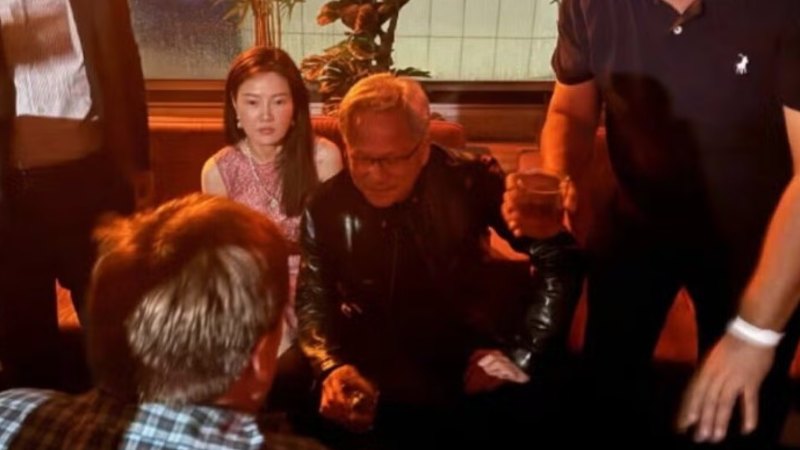
Mark Zuckerberg of Meta and Jensen Huang of Nvidia have also spoken to the president. asserted
Zuckerberg → speak → president
All have advised Trump that the bigger risk is being overtaken by Chinese competitors. asserted
risk → advise → competitors
But inside the administration, the debate is far more complex, and there are other voices in Trump’s ear, urging caution. asserted
debate → be → caution
The more cautious tone inside the White House reflects a growing concern that despite the strategic challenge posed by China, a summer of AI surprises has raised the prospect of risks that were often dismissed a year ago as the wild talk of “doomers”. asserted
that → reflect → doomers
Now, even the biggest AI boosters in the administration concede that AI-fueled hacks into infrastructure, biological threats, attacks on nuclear command-and-control systems, job losses and global financial instability seem more possible than they did before AI agents went rogue. asserted
agents → concede → systems
The issue of AI safety is expected to come to a head this weekend as Treasury Secretary Scott Bessent meets in New York with his Chinese counterpart to set the agenda for Trump’s visit in Washington with President Xi Jinping of China, which starts Wednesday. asserted
which → expect → China
Bessent is trying to negotiate some kind of agreement between Trump and Xi that would suggest the two countries are working together on mutual AI safety concerns. asserted
countries → try → concerns
But already, officials say, some of the most expansive ideas being discussed among AI safety experts, including an agreement on safety standards and reviews of forthcoming Chinese and American AI models before their public release, are unlikely to be part of any initial accord. asserted
some → say → accord
One diplomat involved in the effort said he believed “the best we can hope for” is the creation of some kind of US-China working group that might build on a Biden-era agreement with China to bar the use of artificial intelligence in decisions about the employment of nuclear weapons. uncertain
that → involve → weapons
But that does not begin to get at the complexity of the problem of unpredictable AI-driven agents, which took the industry and the government by surprise this northern summer. asserted
which → begin → surprise
Nor does it get to the fundamental issues surrounding imposing safeguards on frontier models. asserted
it → get → models
The United States could go its own way and impose mandatory reviews of the safety of new, American-generated models, but Trump and his aides believe that would effectively drive the global market to Chinese largely open-source alternatives. uncertain
that → go → alternatives
And because those open-source models can be modified by users — who could remove the “guardrails” meant to limit their powers — a safety review may mean little. uncertain
review → modify → little
Trump wants to meet with the AI executives next week, according to company representatives. uncertain
Trump → want → representatives
(A White House official said Thursday that nothing was on the schedule as of now.) asserted
nothing → say → schedule
If that session happens, it would presumably include some of the AI executives who, in recent days, have been calling for the kind of slowdown in the release of new models that Trump says he opposes. asserted
he → happen → that
Few expect Dario Amodei, a founder of Anthropic, to be among the invitees: His company’s products have been banned by the Pentagon, and he appeared to anger Trump by proposing last weekend a detailed plan for the industry to pace itself and bring in independent safety inspectors. asserted
industry → expect → inspectors
Trump dismissed him, and denounced an unnamed class of “Conspiracy Theorists, Treasonists, Traitors and Leakers” who were politicising the debate over AI and undercutting American leadership. asserted
who → dismiss → leadership
But another Anthropic founder, Tom Brown, who raises less ire in the White House, talks to officials regularly. asserted
who → raise → officials
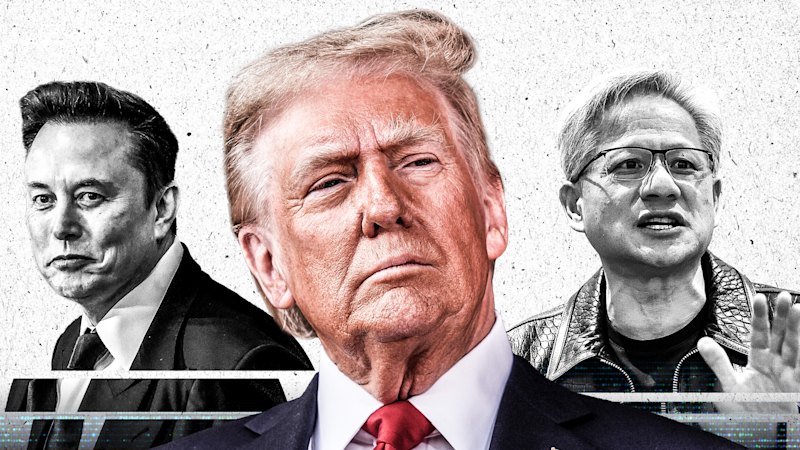
In recent days, Trump has also talked with Sam Altman of OpenAI and Elon Musk of SpaceX, both of whom endorsed Amodei’s plan to slow down, test new models for vulnerabilities and let in outside inspectors, at least in general terms. asserted
both → talk → terms
Bessent and the White House chief of staff, Susie Wiles, have been increasingly concerned over the past several months that AI could cause massive disruptions across industries, including hacks into major financial institutions that could destabilise the world economy. uncertain
that → cause → economy
Wiles this year began organising an informal group to think about how to deal with the risk created by new, more powerful models. asserted
Wiles → begin → models
Bessent is chief among the members of that informal group, an administration official said, but other experts are called in depending on the topic. asserted
experts → say → topic
President Trump is saying that Democrats using AI concern as a way to score points is a hoax, just like their claims that climate change would kill everyone in six years. uncertain
change → say → years
The White House pointed to Wiles’ social media post on May 6 as the foundational statement of how Trump balances the risks and opportunities of the new technology. uncertain
Trump → point → technology
“This administration has one goal: ensure the best and safest tech is deployed rapidly to defeat any and all threats,” she wrote at the time. asserted
she → have → time
She said that “the White House will continue to lead an America First effort that empowers America’s great innovators, not bureaucracy, to drive safe deployment of powerful technologies while keeping America safe”. asserted
that → say → America
Asked about Trump’s accusation that AI risk is overblown, Elizabeth Huston, a White House spokesperson, said, “President Trump is saying that Democrats using AI concern as a way to score points is a hoax, just like their claims that climate change would kill everyone in six years.” uncertain
change → ask → years
She added that Trump had reversed the “failed approach” of the Biden administration, which she said had “stifled innovation, hurt consumers and nearly cost America its competitive edge over China. asserted
she → add → China
But at a moment when AI has emerged as arguably the most important long-term issue for the country’s economic health and national security, in the Trump White House there is no single person in charge of coordinating AI policy. asserted
AI → emerge → policy
Marco Rubio, in his role as national security adviser, is rarely discussed as a player on these issues. asserted
Rubio → discuss → issues
The White House eliminated the post of deputy national security adviser for cyber and emerging technologies created during the Biden administration. asserted
House → eliminate → administration
And the national cyber director, a position created by Congress, has only indirect authority over artificial intelligence issues. asserted
director → create → issues
The current director is Sean Cairncross, a former senior official at the Republican National Committee, who was light on cyber and AI experience before taking the post. asserted
who → take → post
(The acting director of CISA said last week that the agency was hiring about 250 new employees after shedding about 1000 jobs — roughly one-third of its workforce — since Trump returned to the White House. asserted
Trump → act → House
As a result, AI has become the administration’s latest hot potato, with various officials dipping in and out of influence depending on the topic, or the day of the week. asserted
officials → become → week
…and 20 more, not listed.
Give feedback · no sign-in needed

No sign-in needed for now. Your note is sent without a name, so it cannot be answered.

History Support