That is 0 articles you have read today.
The Aporia is free and carries no advertising, so readers are the only
thing paying for it. If you are getting this much out of it, a small
donation is what keeps it independent.
You have read 0 articles today.
That is more than the 15 a day The Aporia gives away,
and well past what it can carry on nothing. Your allowance resets at
midnight.
There is no advertising here and nothing about you is sold, so readers
are the only thing paying for it. If the site is worth this much of
your day, it is worth a few dollars.
Everything else stays open: the front page, the
directory and search do
not count against this, and neither does re-opening something you have
already read today.
Photo via South China Morning Post
Why the EU is giving Arctic shipping the cold shoulder as China and Russia push ahead
Jiaxuan, C., & Yang, C. (2026, September 4). Why the EU is giving Arctic shipping the cold shoulder as China and Russia push ahead. South China Morning Post. https://www.scmp.com/news/china/diplomacy/article/3366324/why-eu-giving-arctic-shipping-cold-shoulder-china-and-russia-push-ahead?utm_source=rss_feed
Jiaxuan, Cao, and Carol Yang. “Why the EU is giving Arctic shipping the cold shoulder as China and Russia push ahead.” South China Morning Post, 4 Sept. 2026, https://www.scmp.com/news/china/diplomacy/article/3366324/why-eu-giving-arctic-shipping-cold-shoulder-china-and-russia-push-ahead?utm_source=rss_feed.
Jiaxuan, Cao, and Carol Yang. “Why the EU is giving Arctic shipping the cold shoulder as China and Russia push ahead.” South China Morning Post, September 4, 2026. https://www.scmp.com/news/china/diplomacy/article/3366324/why-eu-giving-arctic-shipping-cold-shoulder-china-and-russia-push-ahead?utm_source=rss_feed.
Dated when The Aporia collected the article, usually within hours of publication. Check the original for its exact date and byline.
South China Morning Post
· collected 2026-09-04 · by Cao Jiaxuan, Carol Yang
Quick Summary
A Swedish analyst at the Swedish Institute of International Affairs says Europe is wary of China and Russia's closer collaboration on Arctic shipping due to concerns about fragile ecosystems and navigational risks. The EU opposes commercialization of Arctic transits, which would mainly benefit goods shipped from Asia to Europe. According to recent recommendations by the European Parliament, this Sino-Russian partnership in energy, infrastructure, and polar shipping "risks consolidating a geopolitical axis of resource exploitation". An updated EU Arctic policy is expected later this year.
Written by AI on 2026-09-04,
from this article's own text only (the story summary below draws on all the coverage).
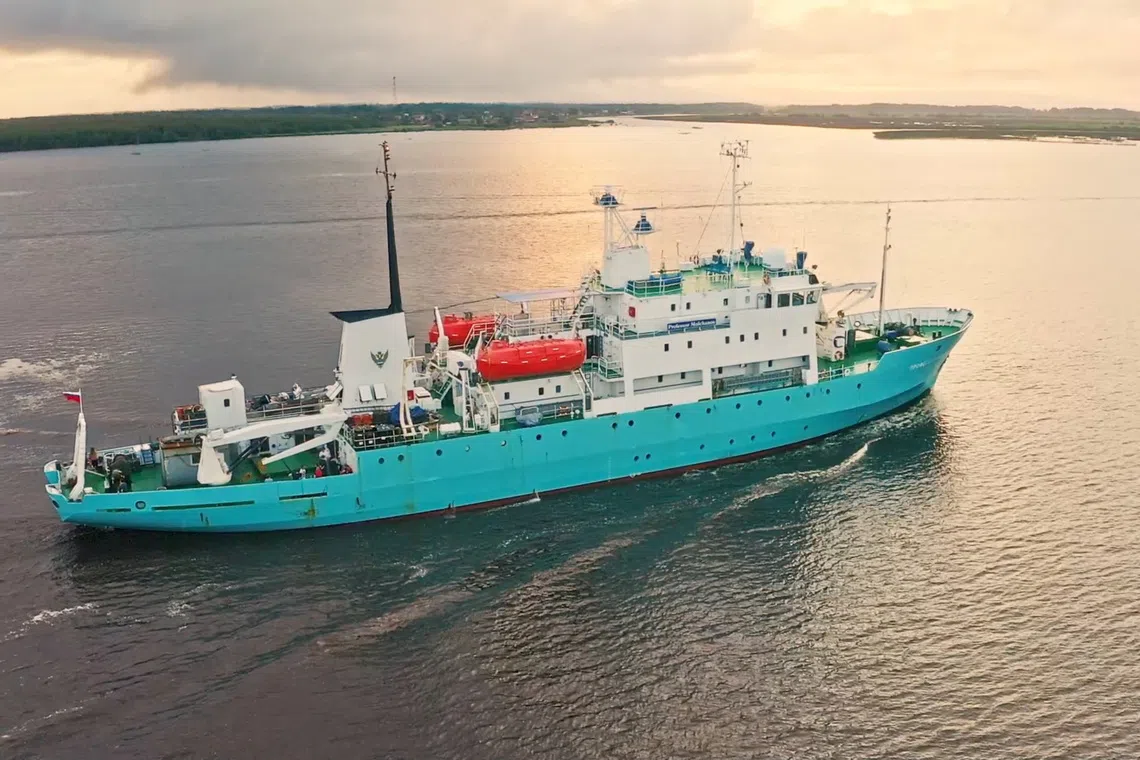
Norway has seized a Russian ship in Svalbard, an Arctic archipelago that is part of Norway but is designated as a demilitarized zone. The ship, called the Professor Molchanov, was transporting passengers and supplies to the islands when it was stopped from departing by Norwegian authorities on September 4. This move is related to a $4.22 billion compensation claim won by Ukrainian state energy firm Naftogaz, which is seeking to enforce part of its award against Russia for Moscow's seizure of its assets in Crimea in 2014.
As a result, 71 passengers and crew members were stranded on the ship, leading Norway's foreign ministry to say that it will provide necessary assistance to them while complying with its international obligations. The move has been criticized by Russia, which calls it "piracy". In a separate development, China and Russia are pushing ahead with plans for commercial Arctic shipping, despite Europe's concerns about fragile polar ecosystems and navigational risks.
Written for “Arctic Shipping Dispute Escalates” on 2026-11-20,
grounded in this article and the 2 other(s) covering the same event.
One AI summary per outlet of its latest article on this story, written from that article alone and checked against it. Open the article for the outlet's own words.
South China Morning PostThis outlet4 Sep
A Swedish analyst at the Swedish Institute of International Affairs says Europe is wary of China and Russia's closer collaboration on Arctic shipping due to concerns about fragile ecosystems and navigational risks. The EU opposes commercialization of Arctic transits, which would mainly benefit goods shipped from Asia to Europe. According to recent recommendations by the European Parliament, this Sino-Russian…
Why the EU is giving Arctic shipping the cold shoulder as China and Russia push ahead (this article)Deutsche Welle4 Sep
A Norwegian court has ordered the seizure of a Russian ship, the Professor Molchanov, in Svalbard to enforce a $4.22 billion compensation claim won by Ukrainian state energy firm Naftogaz. The ship was stopped from leaving port in the Russian coal mining settlement of Barentsburg on Wednesday and will be held in Svalbard pending further legal action. Russia's ambassador to Norway has vowed to pursue the ship's…
Norway's foreign ministry stated that the country will provide assistance to Russians stranded in Svalbard after a ship seizure on September 4. The Professor Molchanov cruise ship was seized by a Norwegian court at the behest of Ukrainian company Naftogaz, which is seeking $4.22 billion in compensation related to Russia's annexation of Crimea. There are currently 392 Russian residents out of a total population of…
Leans left
Hedges 1 of 8 claimsOutlet record 62/100
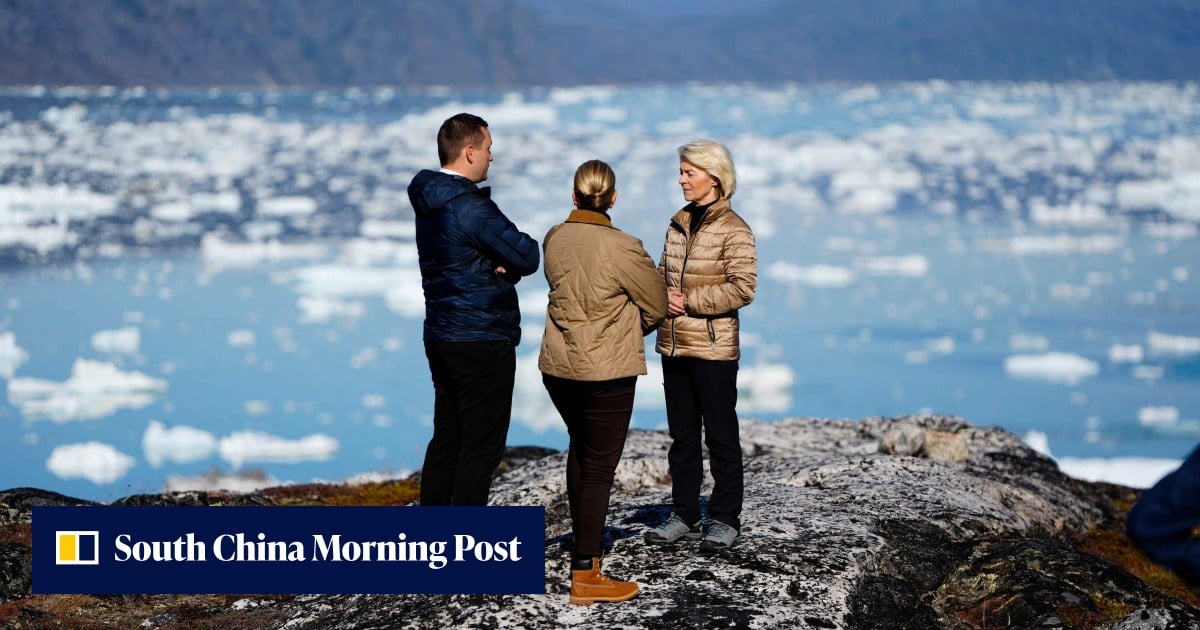
“Article A discusses Europe's opposition to commercialization of Arctic transits, while Article B reports on EU's deepening cooperation with Greenland, which is a separate event”
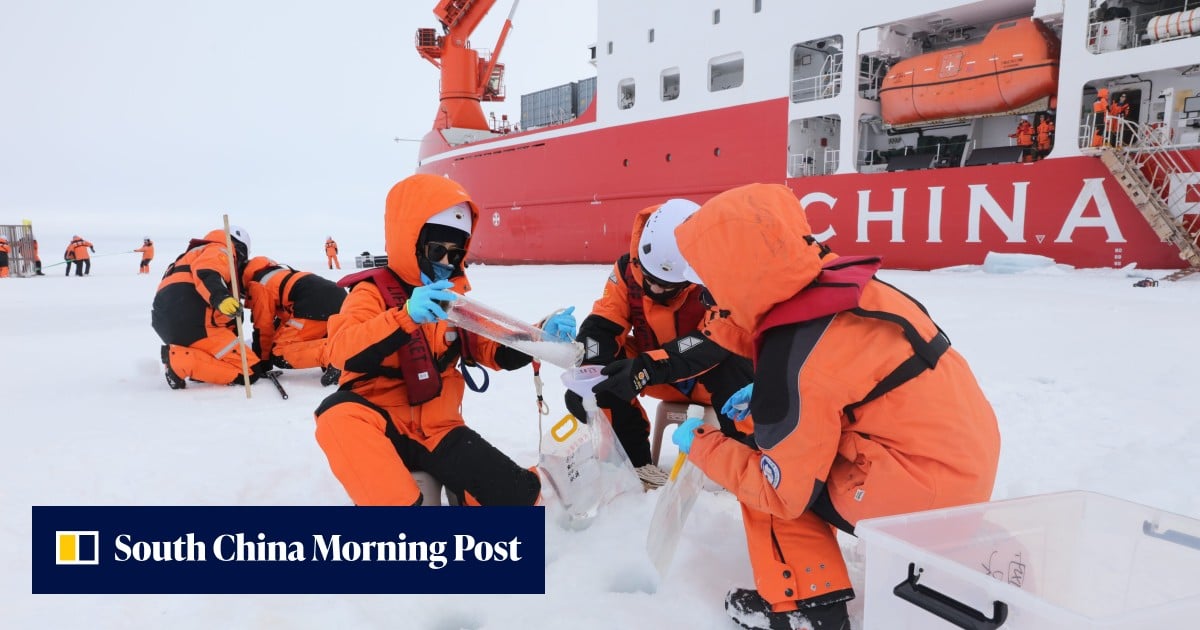
“Article A discusses Europe's opposition to commercialisation of Arctic transits due to concerns over Russia and China's collaboration, while Article B reports on a specific sea ice survey mission led by China and Russia”
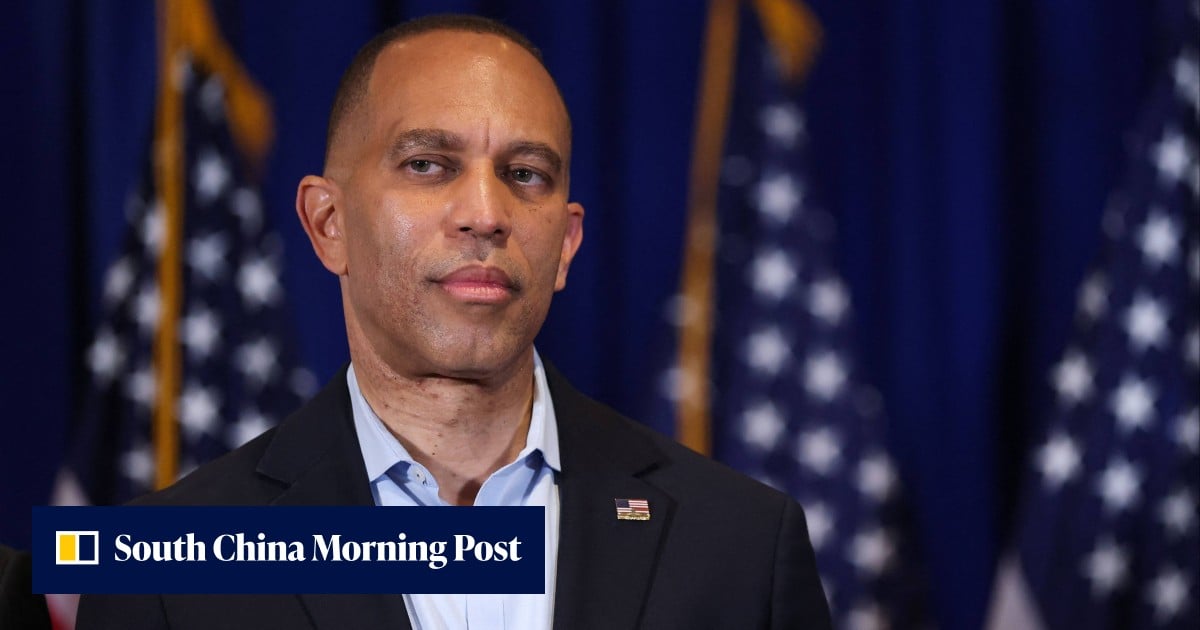
The Democrat expected to become US House speaker has met Taiwan’s former leader and backed legislation supporting the island yet is unlikely to follow Nancy Pelosi’s example in pursuing high-profile engagement with Taipei, analysts said.
China nominates Song Li for WHO chief as agency faces funding shake-up from US exit
If elected, she would be the first mainland Chinese director general of the United Nations health agency
If elected, Song would be the first person from mainland China to head the United Nations health agency.
US wraps up military mission in Iraq, giving Baghdad room to strengthen China ties
Analysts say Beijing will pursue energy and commercial deals after American withdrawal but will not seek to fill a security role
But they cautioned that the shift was unlikely to create a power vacuum for Beijing to fill, with China lacking both the ambition and capacity to take on the US security role.
The mission, launched in 2014 to fight Islamic State, has been replaced by an Iraqi-led security effort, while Washington has said it will continue targeted training and intelligence support.
“Today’s Xinjiang enjoys social stability, economic prosperity, ethnic unity and religious harmony,” Guo said, adding that China would provide more opportunities for foreign businesses to invest and operate in the country.
Observers say a meeting between the three leaders in Shenzhen is possible but would rest on some groundwork
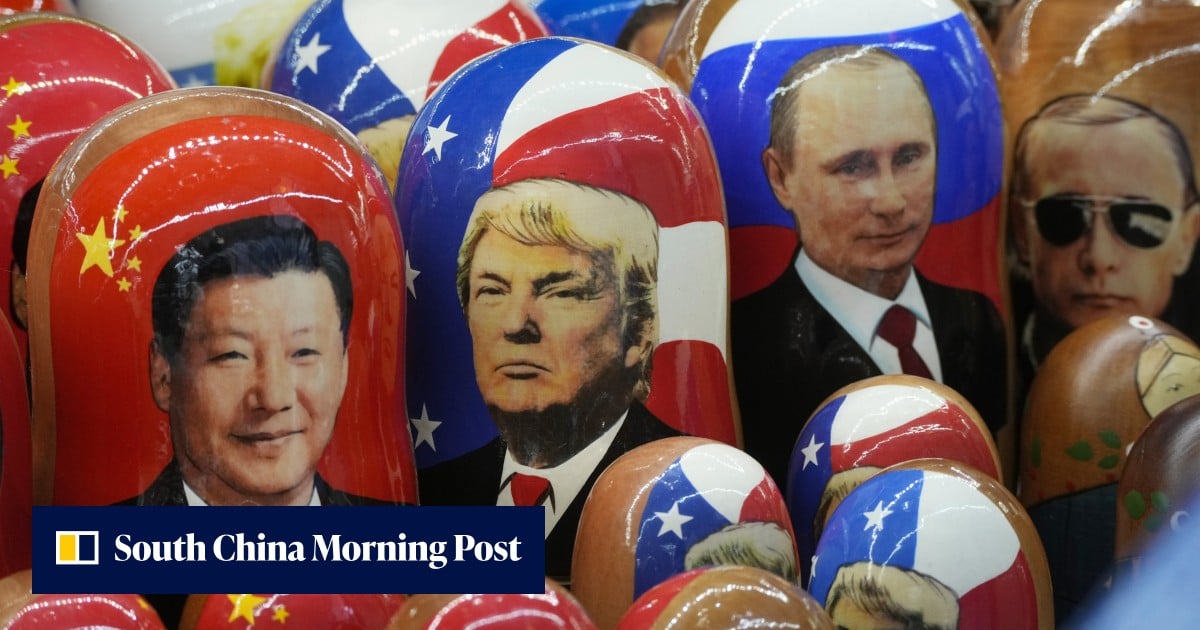
A meeting next month between the leaders of the world’s three biggest nuclear powers is possible but hinges on the three sides finding common ground and setting realistic expectations about outcomes, according to analysts.
US President Donald Trump is also expected to attend the forum, which will be Putin’s first since 2017.
The new US-Denmark-Greenland security agreement could narrow China’s room to engage in the Arctic – particularly in resource-rich Greenland – and potentially push Beijing closer to Russia, Chinese experts on the matter said.
Houthi attacks on Saudi Arabia test limits of Mecca regional security pact
Turkey and Pakistan are unlikely to intervene despite the deal’s terms, which could hobble its deterrent effect, analysts say
Just a month after Saudi Arabia signed a regional mutual defence deal with Pakistan and Turkey, attacks by Yemen’s Houthis against the kingdom’s energy infrastructure and military sites are testing the pact’s limits.
How Peng Liyuan and Melania Trump opened a parallel track in US-China diplomacy
First ladies’ cultural outings and apparently warm conversations a ‘clear signal’ on willingness to advance understanding, analyst says
The pair charted a parallel path of soft power diplomacy – sharing conversations, cultural outings and moments of apparent warmth during a visit otherwise shadowed by trade tensions, and artificial intelligence and other strategic issues.
BreakingChinese President Xi Jinping will pay state visit to US this week, Beijing confirms
Rare airport welcome by Donald Trump will precede talks on trade, tech and other areas of friction during second in-person summit of 2026
3-MIN READ3-MIN
Listen
As Congress threatens his agenda at home, Trump may become even more aggressive overseas and reliant on executive orders
The loss is expected to steer the White House towards a more aggressive foreign policy and even greater reliance on executive orders.
In Asia, midterms spark worries about diplomatic uncertainty, economic pressure
For US allies, there are concerns that a lame-duck Trump administration might squeeze them to score some easy diplomatic wins
Observers expect the “blue wave” midterm results will push the Trump administration to heighten pressure on Washington’s Asian allies for greater US investment and increased defence cost-sharing.
“China has always regarded the European Union as a partner,” Xi said, according to state broadcaster CCTV, adding that cooperation between the two sides outweighed competition.
“As long as [both sides] stay anchored to their partnership and engage in dialogue on an equal footing, differences and challenges can always be resolved and will not stand in the way of China-EU relations moving forward,” the Chinese leader said.
“We would like to see that the rules of outer space governance keep pace with exploration, reflect broad participation and benefit all countries,” Wang told an audience of nearly 400 representing more than 90 nations.
The China-Djibouti communique marks a diplomatic escalation, but experts say that Chinese naval operations are still unlikely
Chinese analysts said the situation in the Red Sea has not yet escalated to a level that warrants direct naval escorts, though Beijing will closely monitor the region and may take action in the event the country’s shipping comes under threat.
“The two sides emphasised the importance of safeguarding freedom of navigation in the Red Sea and the Bab al-Mandeb Strait and stressed that the navigation rights exercised by merchant vessels of all countries in accordance with international law should be respected,” read the communique released after Chinese Foreign Minister Wang Yi and his Djiboutian counterpart Abdoulkader Houssein Omar met in Beijing on Wednesday.
“China expresses serious concern over this and has lodged solemn representations with the British side,” the embassy said, noting that it would continue to urge Britain to stop the arbitrary detention and questioning of Chinese citizens.
“China expresses serious concern over this and has lodged solemn representations with the British side,” the embassy said, noting that it would continue to urge Britain to stop the arbitrary detention and questioning of Chinese citizens.
Vehicle may have sparked Mongolia wildfire, putting China rescuers on high alert
3,400 emergency personnel deployed to the Chinese side of the border to combat the latest environmental threat from its neighbour
The blaze, which erupted on October 8 in the inland country’s easternmost Dornod province bordering Russia and China, advanced rapidly towards China’s Inner Mongolia autonomous region, driven by strong autumn winds and drought conditions.
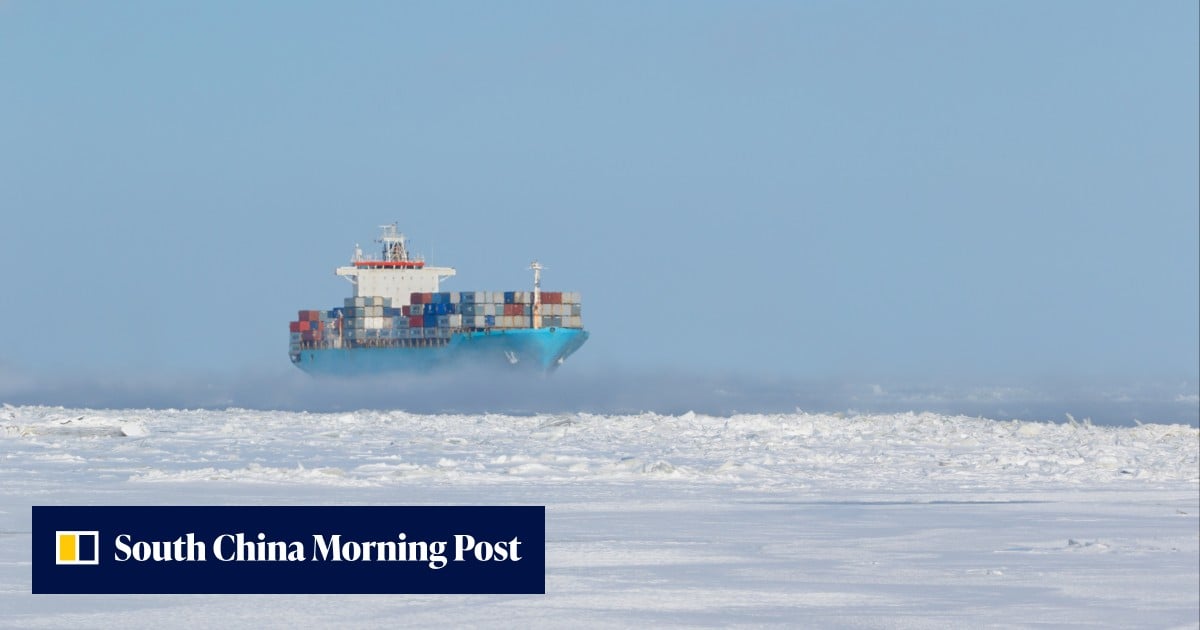
Despite being the main destination for goods along the route and accounting for most of the world’s shipping giants, Europe opposes the commercialisation of Arctic transits, wary of fragile polar ecosystems and navigational risks amid rising anxiety over Russia and China’s closer polar collaboration.
asserted
Europe → account → Russia
“In Europe, cooperation between China and Russia on container shipping is often viewed as another example of deepened collaboration between the two countries in the Arctic since Russia’s full-scale
invasion of Ukraine in 2022,” according to Patrik Andersson, an analyst at the Swedish National China Centre at the Swedish Institute of International Affairs.
uncertain
cooperation → view → Affairs
Andersson said the collaboration fitted into a broader partnership, which in recent years had expanded to include
joint military drills in Arctic-adjacent areas,
coastguard cooperation in the Arctic Ocean and joint projects in the mining and energy sectors.
asserted
which → say → sectors
Europe’s concerns are reflected in an updated EU Arctic policy that is expected to be issued later this year.
asserted
that → reflect → policy
In recommendations for the policy released late last year, the European Parliament warned that expansion of
Sino-Russian ties in energy, infrastructure and polar shipping “risks consolidating a geopolitical axis of resource exploitation and restricted access”.
asserted
expansion → release → exploitation
Give feedback · no sign-in needed
No sign-in needed for now. Your note is sent without a name, so it cannot be answered.
 The Aporia