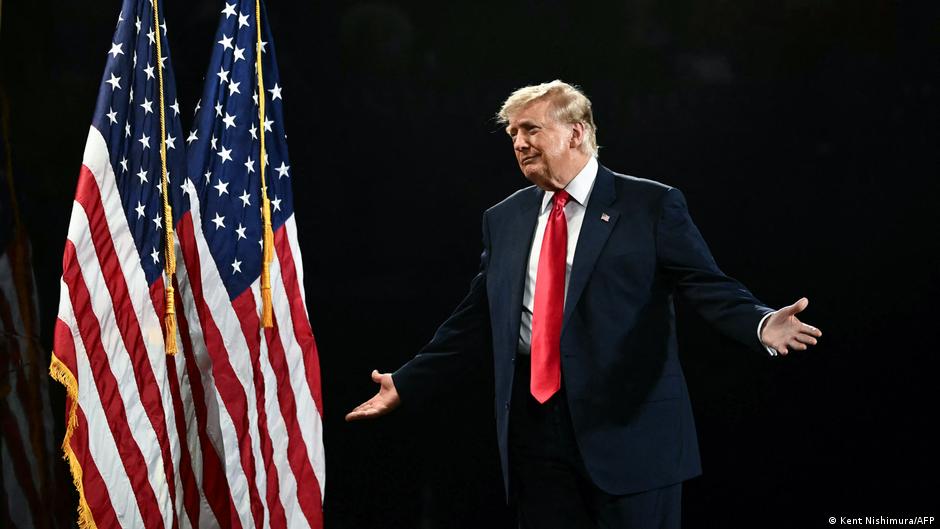
Photo via Deutsche Welle

As US midterm elections loom, Trump's campaign tactics are becoming increasingly unusual, and expensive

Read the original at Deutsche Welle ↗
Cite

Bleiker, C. (2026, October 7). As US midterm elections loom, Trump's campaign tactics are becoming increasingly unusual, and expensive. Deutsche Welle. https://www.dw.com/en/as-us-midterm-elections-loom-trump-s-campaign-tactics-are-becoming-increasingly-unusual-and-expensive/a-79585673?maca=en-rss-en-world-4025-rdf

Dated when The Aporia collected the article, usually within hours of publication. Check the original for its exact date and byline.

Deutsche Welle · collected 2026-10-07 · by Carla Bleiker

Quick Summary

Donald Trump announced on Monday that he would no longer fund advertisements promoting himself and his administration with taxpayer money, as previously done in September. The ads, which cost $20 million according to contracting records from the US Department of Homeland Security, featured scenes depicting military actions and images of Trump himself, along with combative messages against political opponents. Critics argue that using public funds for such partisan advertisements violates federal law prohibiting government propaganda or self-aggrandizement, especially given their timing close to the midterm elections.
Written by AI on 2026-10-07, from this article's own text only (the story summary below draws on all the coverage).
See how they differ ↓

AI analysis

Story summary

On October 5, US President Donald Trump announced he would cease using taxpayer funds for TV advertisements promoting his administration ahead of the November congressional elections, after facing bipartisan criticism over their use of public money. The ads, which featured messages like "America will never be a communist country" and images of Mount Rushmore, were funded by the government and faced backlash from lawmakers questioning their legality as they resembled political campaign spots rather than typical public service announcements. Critics argued that taxpayer dollars should not be used to promote Trump's political agenda. In response to this pushback, Trump stated on his social media platform Truth Social that he would now fund such ads through personal funds or money raised by the MAGA political committee. The total cost of these taxpayer-funded ads was at least $1.5 million.

Written for “Trump Pays For Ads” on 2026-11-21, grounded in this article and the 19 other(s) covering the same event.

How they differ

15 outlets covered “Trump Pays For Ads”.

What each outlet says

One AI summary per outlet of its latest article on this story, written from that article alone and checked against it. Open the article for the outlet's own words.

Deutsche WelleThis outlet7 Oct

Donald Trump announced on Monday that he would no longer fund advertisements promoting himself and his administration with taxpayer money, as previously done in September. The ads, which cost $20 million according to contracting records from the US Department of Homeland Security, featured scenes depicting military actions and images of Trump himself, along with combative messages against political opponents…

As US midterm elections loom, Trump's campaign tactics are becoming increasingly unusual, and expensive (this article)
The Straits Times6 Oct

On October 6, President Donald Trump reversed his earlier statement from October 5 about reimbursing taxpayers for political ads that used government funds. Initially, he had claimed he would pay with money raised for MAGA Inc, but the White House clarified that this did not apply to reimbursement of federal funds. The ads, which cost approximately $20 million from Department of Homeland Security funds, were…

Trump won’t reimburse US for political ads, in fresh u-turn →2 articles from The Straits Times on this story
The Independent6 Oct

President Donald Trump will not reimburse taxpayers for a series of campaign-like ads costing $10 million, which are part of the Department of Homeland Security’s $20 million budget. Facing criticism from lawmakers and threats of legal action, Trump stated he would fund these ads himself or through MAGA, Inc., arguing they promote positive messaging about the United States. The White House maintains that these…

Trump won’t reimburse taxpayers for money already spent on campaign ads, White House says →2 articles from The Independent on this story
Washington Examiner6 Oct

President Donald Trump will not reimburse taxpayers for approximately $20 million spent on public service announcements (PSAs) that critics say resemble campaign advertisements. The White House stated that funds from MAGA, Inc., a super PAC supporting Trump’s agenda, would cover future ads rather than repaying the federal government. Critics argue this misuse of appropriated funds for political messaging is…

Trump won’t reimburse taxpayers for campaign-style PSAs →2 articles from Washington Examiner on this story
The Guardian6 Oct

Donald Trump announced he would stop using taxpayer funds to pay for self-promotional television advertisements after facing significant criticism. He stated that his super PAC will now cover the costs of future ads, though details on reimbursing taxpayers for past ads were not provided. The controversy arose from two recent ads costing at least $1.5 million in federal funds, which featured clips promoting Trump’s…

Trump says he will stop using taxpayer funds for self-promoting ads after backlash – US politics live →2 articles from The Guardian on this story
Daily Mail6 Oct

The Trump administration announced it will not refund taxpayers for a $20 million national TV ad campaign promoting the president himself. The ads, which began airing in late September during prime-time NFL games and on major cable news outlets, feature clips of Trump and messages like "America will never be a communist country." Republican and Democratic lawmakers have criticized the use of taxpayer funds to run…

Trump won't pay back $20M taxpayer bill for ad campaign as White House makes awkward admission →2 articles from Daily Mail on this story
Show 9 more outlets
CBS News5 Oct

President Trump announced on Monday via Truth Social that he would personally fund pro-Trump advertisements using money from his super PAC, MAGA, Inc., rather than government funds. The decision came after criticism over the use of taxpayer dollars to support these ads, which have been widely broadcast recently.

Trump says he'll start paying for ads after pushback over taxpayer funding →
South China Morning Post5 Oct

US President Donald Trump announced he would finance TV advertisements himself or through his MAGA committee following criticism that taxpayer funds were being used for political promotion just before the November elections. The ads, which highlight a "golden age of America," have faced opposition from ethics experts and lawmakers across party lines who argue they could be violating restrictions on government…

Trump says will pay for TV ads after pushback over taxpayer funding close to election →
ABC News (US)6 Oct

President Donald Trump announced on Monday night that his super PAC will fund a pro-Trump ad campaign for the midterm elections instead of using taxpayer money, which had previously been used to pay for similar ads. Despite dismissing criticism as routine, Trump stated he would cover the costs himself to avoid using government funds for political promotion.

Trump says his super PAC will pay for controversial promotional ad campaign →
NBC News6 Oct

President Trump announced on Truth Social that he would no longer use taxpayer dollars for campaign-style ads promoting his administration, following criticism from lawmakers of both parties. The White House confirmed MAGA Inc., Trump's super PAC, will now cover the costs moving forward but did not address whether reimbursement for previously aired ads is planned. AdImpact estimates that at least $10 million in…

After bipartisan criticism, Trump says taxpayers dollars will no longer be used for TV ads promoting him →
The Hindu6 Oct

On October 5, 2026, President Donald Trump announced that his super PAC would cover the costs of future television advertisements previously funded by taxpayer dollars. The ads, which cost at least $1.5 million and faced significant backlash for glorifying Trump, were defended by the president as "positive promotion." However, legal experts raised concerns about potential violations of federal statutes against using…

Trump says his super PAC will pay for taxpayer-funded ads that sparked backlash for glorifying him →
Sydney Morning Herald6 Oct

Donald Trump announced he would stop using taxpayer funds for political advertisements after facing backlash from Democrats and some Republicans over ads promoting his agenda during primetime TV slots. The ads aired despite concerns they violated federal laws and were criticized as inappropriate use of public money for self-promotion. Concurrently, Trump criticized media coverage of low attendance at recent campaign…

Trump caves on taxpayer-funded ads, rages about coverage of rally crowds →
BBC6 Oct

President Donald Trump announced he will stop using US taxpayer funds to pay for television ads promoting his policies and administration, following criticism from both Democrats and some Republicans. The ads, which praised Trump's tax cuts and other initiatives while criticizing perceived political enemies, faced legal scrutiny due to restrictions on the use of government money for political advertisements. Over…

Trump says he will stop using taxpayer funds for ads after bipartisan pushback →
Al Jazeera6 Oct

President Donald Trump announced that he would cease using taxpayer funds for television ads featuring himself following criticism from lawmakers and ethics experts. These campaign-style spots cost at least $1.5 million in federal funds and aired before the November midterm elections, prompting calls for independent investigations into their appropriateness. In his social media post, Trump defended the…

Trump says taxpayers will no longer fund TV ads that praise him →
Toronto Star6 Oct

President Donald Trump announced that he would cease using taxpayer funds to pay for television advertisements promoting himself, after facing significant backlash over their use. He stated that his super PAC will now cover the costs of these ads moving forward. The campaign ads have already cost at least $1.5 million in federal funds and were criticized widely despite Trump defending them as positive promotion for…

Trump says his super PAC will pay for taxpayer-funded ads that sparked backlash for glorifying him →

Where they agree and split

Agreed

AI · cited, from two or more outlets

  • President Trump defended the pro-Trump ads as a positive promotion for the USA and called them a standard practice.123
  • The ads have been labeled 'Paid for by the US Government' and aired during prime-time NFL games on major cable news outlets.24
Quoted from the coverage (1)

A third, more recent one was virtually identical to an ad for Trump’s Republican reelection campaign in 2024 and showed him walking down a hallway as his voice can be heard warning of a “final battle” against “globalists” and “warmongers”.

4 outlets

Disputed

Picked by our model, which is sometimes wrong

  • Trump said he would pay for future ads with money raised for MAGA Inc., but did not specify how or if he would reimburse taxpayers for already aired ads.13

Framing

How the first headlines put it

  • CBS News and The Guardian framed the story around Trump's decision to stop using taxpayer funds for pro-Trump ads after backlash.13
  • The Daily Mail emphasized that Trump will not reimburse taxpayers for already spent money, while CBS News focused on his announcement to start paying with super PAC funds.41
Attributed to a source12
Stated as fact2
The headlines (14)

Trump says he'll start paying for ads after pushback over taxpayer funding CBS News · attributed to a source

Trump says will pay for TV ads after pushback over taxpayer funding close to election The Straits Times · attributed to a source

Trump says will pay for TV ads after pushback over taxpayer funding close to election South China Morning Post · attributed to a source

Trump says his super PAC will pay for controversial promotional ad campaign ABC News · attributed to a source

Trump backs down on taxpayer funded ads and now says his PAC will pay for them The Independent · attributed to a source

Trump says his super PAC will cover taxpayer-funded ‘patriotic’ ads after backlash Washington Examiner · attributed to a source

After bipartisan criticism, Trump says taxpayers dollars will no longer be used for TV ads promoting him NBC News · attributed to a source

Trump says Super Pac will pay for taxpayer-funded ads that sparked outcry The Guardian · attributed to a source

Trump says his super PAC will pay for taxpayer-funded ads that sparked backlash for glorifying him The Hindu · attributed to a source

Trump says he will stop using taxpayer funds for ads after bipartisan pushback BBC · attributed to a source

Trump says taxpayers will no longer fund TV ads that praise him Al Jazeera · attributed to a source

Trump says his super PAC will pay for taxpayer-funded ads that sparked backlash for glorifying him Toronto Star · attributed to a source

Trump caves on taxpayer-funded ads, rages about coverage of rally crowds Sydney Morning Herald · stated as fact

Trump makes dramatic U-turn and promises not to use taxpayer money to fund fawning 'Love Me' TV ads Daily Mail · stated as fact

The full story: what happened, how it changed, and all 20 articles →

Compared with similar articles

This article reads unscored and hedges 16% of its claims. Each row says how that neighbour differs.
BBC News
Leans left Hedges 0 of 20 claims Outlet record 65/100
The Guardian
Hedges 6 of 59 claims Outlet record 64/100
Daily Mail
Leans right Hedges 2 of 37 claims Outlet record 69/100
Daily Mail
Leans left Hedges 3 of 22 claims Outlet record 69/100
The Sydney Morning Herald
Leans right Hedges 3 of 34 claims Outlet record 61/100
CBS News
Hedges 0 of 4 claims Outlet record 66/100
Al Jazeera
Hedges 0 of 13 claims Outlet record 60/100
South China Morning Post
Leans right Hedges 1 of 3 claims Outlet record 62/100
The Straits Times
Leans left Hedges 1 of 6 claims Outlet record 64/100

Story

Trump Pays For Ads
Politics · 20 article(s) covering the same event. Compare every outlet's account →
How this article was measured signals, leaning charts, publisher record, byline, topics and claims

Signals How these are calculated →

Claims extracted
45
sentences that state something as happening or true
Uncertain
16%
7 of 45 hedged ("reportedly", "may", "according to")
Leaning
withheld
no quote in the article backed the model's score
Publisher signals
95/100
Deutsche Welle's corrections and hedging, across everything collected from it. Not a measure of accuracy.
Outlets on this story
20
Politics
Same framing elsewhere
1
articles that frame the event the way this one does
Analyzed 2026-10-07 · how these are computed

How this is being covered How these are calculated →

Article leaning vs. publisher reliability
Source leaning vs. consistency

Publisher

Deutsche Welle · 740 article(s) · 0 correction(s) detected
No corrections detected for this publisher. That may mean careful reporting, or simply that nothing has been checked.

Who wrote this

Carla Bleiker
10 article(s) here · 1 carrying a prediction
It would be illogical and foolish for them to point to a neighboring district [that turned blue] and say, 'Well, that can't happen here.'
The outcome of the midterm elections will shape US policy for years — and have repercussions around the globe.
On November 3, United States citizens will vote in the midterm elections.
The midterm elections in the United States are just around the corner: On Tuesday, November 3, American voters will choose their representatives to the US Congress.
On November 3, United States citizens will vote in the midterm elections.
2026-10-29 · assertive framing · US midterms: What you need to know
On November 3, United States citizens will vote in the midterm elections.
The elections on November 3 will decide whether more or fewer women will sit in the US Congress over the next two years.
2026-10-10 · assertive framing · US midterms: Women candidates could make history
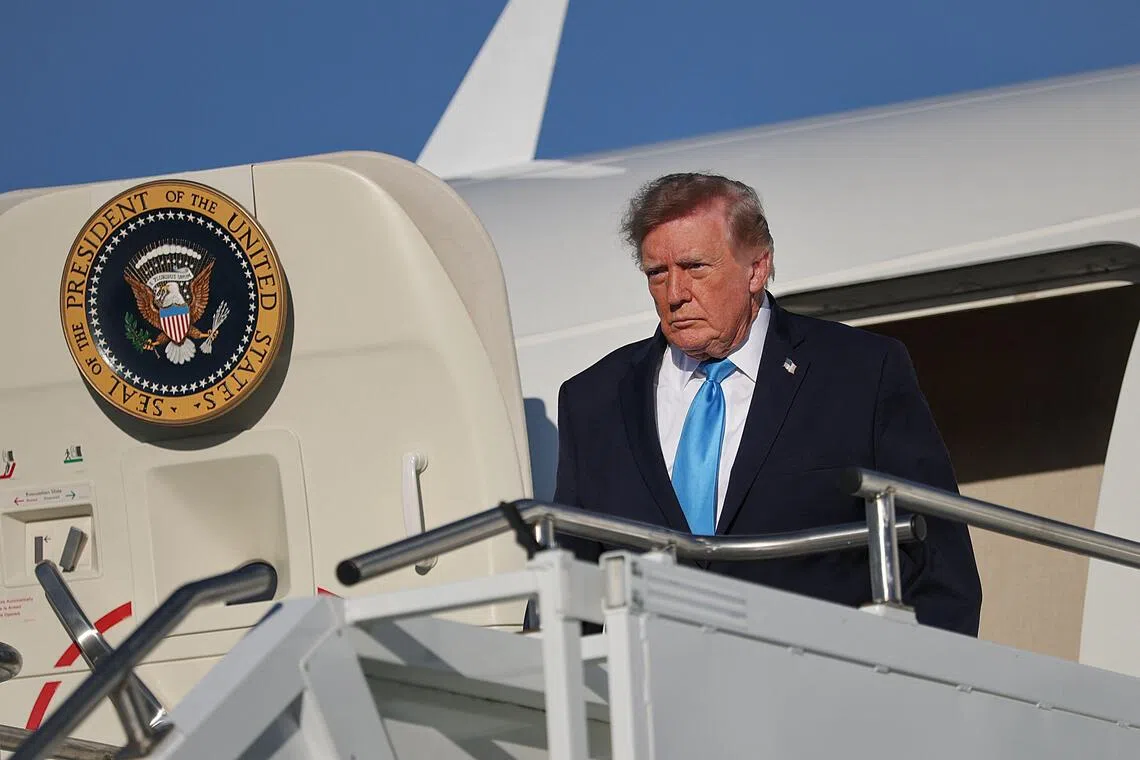
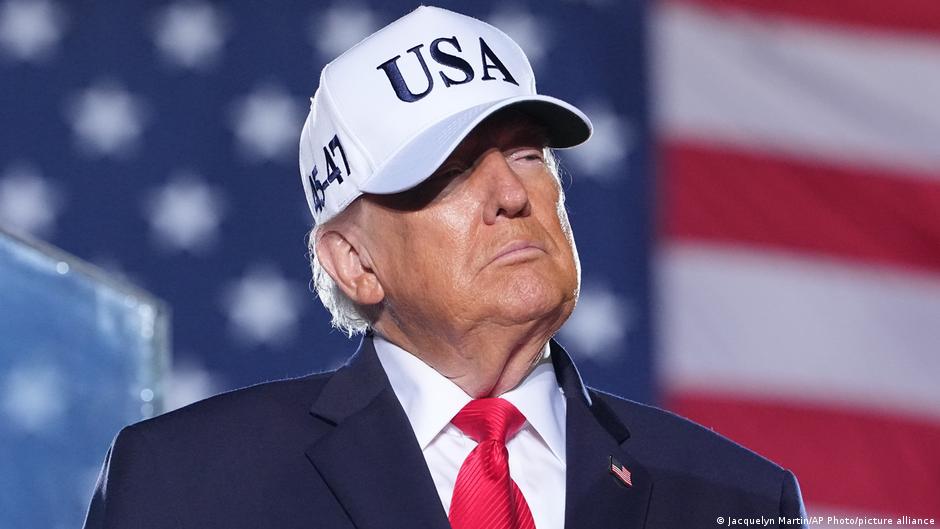
On Monday, the US president announced that a series of advertisements aired in September promoting him and his administration would no longer be funded with taxpayer money.
Also by Carla Bleiker
Nothing else under this byline is closely related to this article, so these are simply their most recent.
All 10 articles by Carla Bleiker →

Topics

NGOs Truth Social USA Venezuelan the United States

Subjects

Trump PERSON · 7× Republicans NORP · 3× Senate ORG · 3× the House of Representatives ORG · 3× USA GPE · 2× Donald Trump PERSON · 1× Nicolas Maduro PERSON · 1× Truth Social ORG · 1× Venezuelan NORP · 1× the United States GPE · 1×

Narrative

Trump promises $5,000 payout if Republicans win Those who skipped the event missed the president repeating an unusual campaign message: To encourage more people to vote, Trump urged supporters to "pretend" he was on the ballot. And if that wasn't enough, he also promised each US citizen eligible to vote a $5,000 payout if Republicans maintained their majority in both houses of Congress.
framing: assertive · carried by 1 article(s) · first seen 2026-10-07
On Monday, the US president announced that a series of advertisements aired in September promoting him and his administration would no longer be funded with taxpayer money.

Claims (45 extracted, 7 hedged)

Donald Trump has backed down. asserted
Trump → back → ?
On Monday, the US president announced that a series of advertisements aired in September promoting him and his administration would no longer be funded with taxpayer money. asserted
series → announce → money
"The radical Left is upset with the fact that I am taking ads, which I consider to be a positive promotion for our great USA, and paying for them with USA money," Trump wrote on his platform Truth Social. asserted
Trump → upset → platform
He went on to claim that funding partisan ads with public money was a "rather standard thing to do," before adding that future ads would be paid with money raised from donations. uncertain
ads → go → donations
The ads themselves have caused some controversy in the United States. asserted
ads → cause → States
They ran in September between popular shows such as Saturday Night Live and football games, marked with the line: "paid for by the US government" — that is, paid with tax dollars. asserted
that → run → dollars
The commercials showed scenes such as when US troops captured Venezuelan President Nicolas Maduro earlier this year but they mostly consisted of images and videos of Trump himself, along with combative messages that he would "expel the warmongers" or "throw off the sick political class," and ensure that the US did not become a communist state. asserted
US → show → class
Public funds for personal praise Political opponents and a series of NGOs responded to the campaign with sharp criticism. asserted
opponents → respond → criticism
Not only does US law prohibit the use of taypayer funds for political advertisements, but the ads also appeared shortly before the midterms — elections held near the midpoint of a president's four-year term. asserted
ads → prohibit → term
On Tuesday, the US broadcasting network CBS reported that, according to contracting records, the US Department of Homeland Security had paid an agency $20 million (€17.9 million) for a "national media campaign. uncertain
Department → report → campaign
The "rather standard" practice that Trump referred to actually applies to public service announcements, but this is not what the campaign ads are, argued the US non-profit consumer advocacy group Public Citizen. asserted
group → refer → announcements
"Federal law explicitly prohibits using appropriated public funds for government propaganda, self-aggrandizement, or partisan political advertising," the organization wrote in a public complaint to the Federal Communications Commission (FCC) ."Yet, that is exactly the nature of Trump's recent campaign ads." asserted
that → prohibit → ads
Independent experts have also voiced concerns. asserted
experts → voice → concerns
Patrick Malone, a professor in the department of Public Administration and Policy at American University in Washington DC, said the timing of the videos was problematic. asserted
timing → say → videos
"You're not supposed to use taxpayer dollars to pay for anything that's campaign-related," he told DW. asserted
he → suppose → DW
"Technically, [Trump] is not campaigning. asserted
Trump → campaign → ?
He's not saying 'Vote for me!' asserted
He → say → me
The thing that's created the challenge here is the timing. asserted
that → create → challenge
" Will the Republicans keep their majority after midterms? asserted
Republicans → keep → midterms
Voters do not choose presidents in the midterm elections but members of Congres, which comprises the Senate and the House of Representatives and is the legislative branch of the federal government. asserted
which → choose → government
On November 3, those eligible to vote will cast their ballots for all the seats in the House of Representatives, and roughly a third of the seats in the Senate. asserted
those → vote → Senate
Some states will also be choosing governors. asserted
states → choose → governors
Republicans have not been faring well in recent polls, which may be why Trump has been trying to promote his party's achievements. uncertain
Trump → fare → achievements
The Republicans currently hold a majority in both houses, with 53 of 100 seats in the Senate, and 219 of 435 seats in the House of Representatives. asserted
Republicans → hold → Representatives
This has enabled Trump to pass a large number of his proposals fairly easily. asserted
This → enable → proposals
But a Reuters/Ipsos poll released on Monday indicates that this could soon change. uncertain
this → release → Monday
"Voters age 50 or older preferred Trump's party over the Democratic Party by just 2 percentage points — 44% to 42% — compared to an 8-point Republican advantage in December," it found. asserted
it → prefer → December
This age bracket "is particularly important for midterm elections, when older Americans historically have made up large shares of the electorate. asserted
Americans → make → electorate
" Meanwhile, among voters under the age of 50, "Democrats led by 18 points," the survey showed. asserted
survey → lead → points
The poll also found that opinions on Trump himself were low, with "32% of Americans giving a thumbs up to Trump's presidency." asserted
% → find → presidency
This level of approval, the study highlighted, was unchanged from an earlier poll "that saw the leader's rating at the lowest of his political career. asserted
that → highlight → career
Republicans shy away from Trump's support This could also be one of the reasons why Republican candidates do not seem so keen on making public appearances with the president, usually a highlight of a campaign trail. uncertain
candidates → shy → trail
Many US citizens associate Trump with high living costs, or the war with Iran, which has dragged on for over half a year now. asserted
which → associate → year
One Republican operative told the news website Politico on condition of anonymity that if the the president were to visit a battleground state — where Democratic and Republican support is fairly equal among voters — to campaign for his party, they suspected their "candidates would come down with COVID" to avoid having to attend. asserted
candidates → tell → COVID
In September, a number of Republicans skipped Trump's big party convention — typically reserved for presidential, not midterm elections — even though the event could have offered them a platform for their campaign. uncertain
event → skip → campaign
Susan Collins from Maine and Dan Sullivan from Alaska, are just two examples of Republican senators whose seats are on the line and who did not attend. asserted
who → attend → line
Neither did candidates for the House of Representatives from the swing states Arizona, Iowa and Michigan. asserted
candidates → do → states
Trump promises $5,000 payout if Republicans win Those who skipped the event missed the president repeating an unusual campaign message: To encourage more people to vote, Trump urged supporters to "pretend" he was on the ballot. And if that wasn't enough, he also promised each US citizen eligible to vote a $5,000 payout if Republicans maintained their majority in both houses of Congress. asserted
Republicans → promise → Congress
Keeping that pledge could cost the federal government over $1.2 trillion, but observers doubt it would ever come to that. uncertain
it → keep → that
"He has no money to do that with. asserted
He → have → that
…and 5 more, not listed.
Give feedback · no sign-in needed

No sign-in needed for now. Your note is sent without a name, so it cannot be answered.

History Support