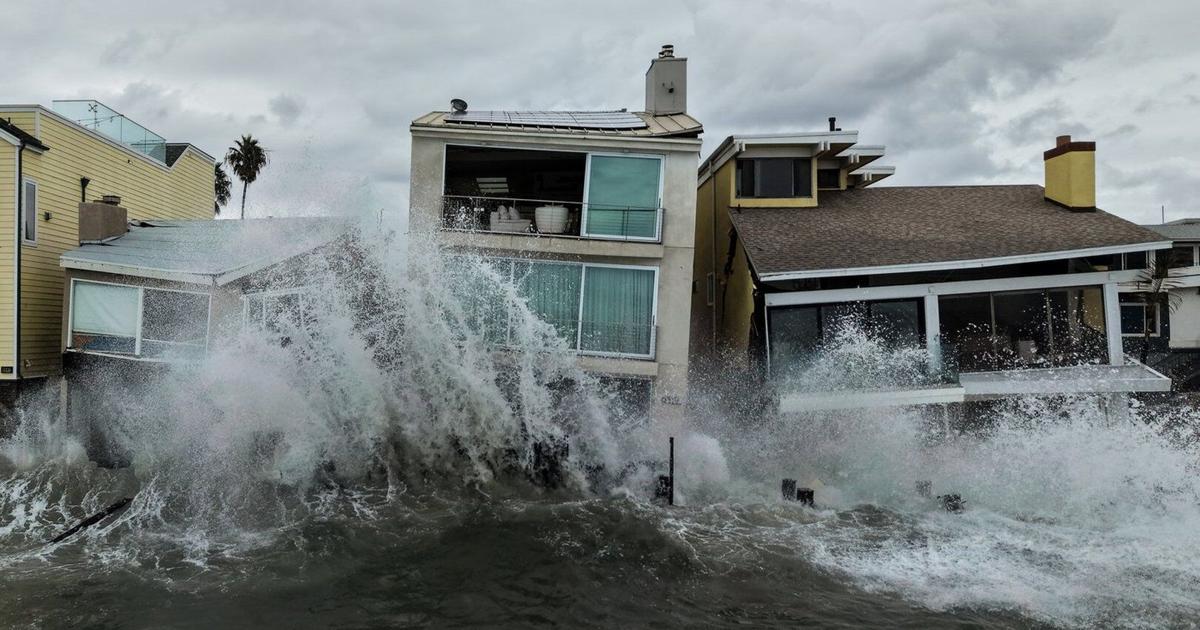
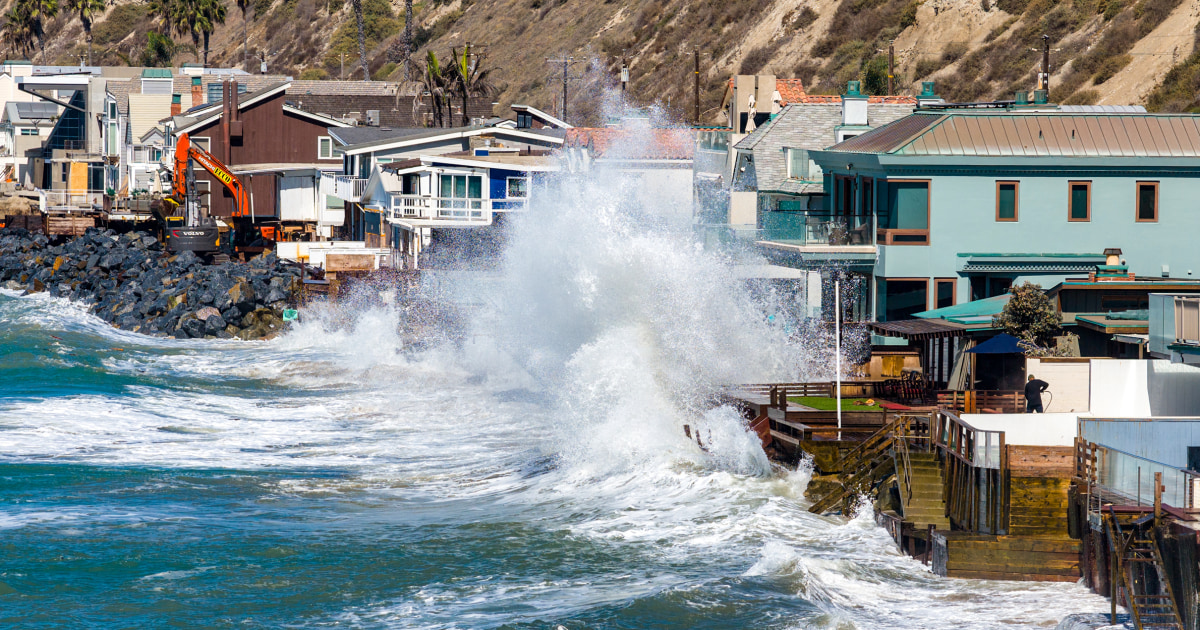
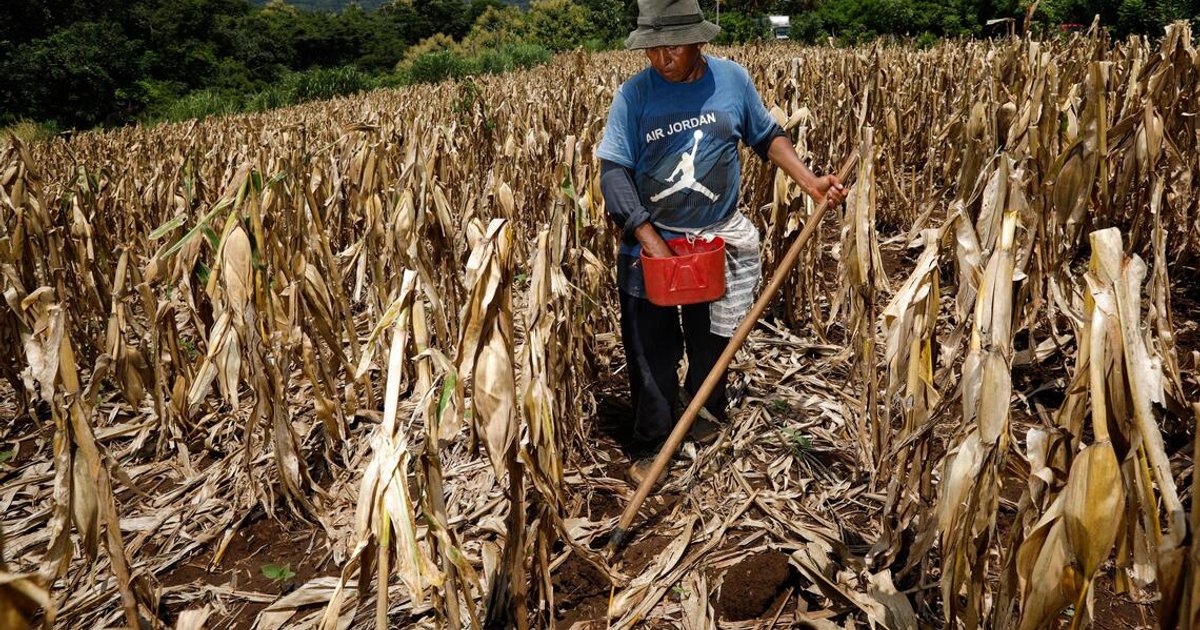
Photo via Dawn

El Nino will intensify, then peak in December: UN

Read the original at Dawn ↗
Cite

AFP. (2026, October 8). El Nino will intensify, then peak in December: UN. Dawn. https://www.dawn.com/news/2035638/el-nino-will-intensify-then-peak-in-december-un

Dated when The Aporia collected the article, usually within hours of publication. Check the original for its exact date and byline.

Dawn · collected 2026-10-08 · by AFP

Quick Summary

The United Nations’ World Meteorological Organisation (WMO) reported on Thursday that El Niño will intensify further before peaking in December 2026, potentially becoming one of the strongest since at least 1950. Sea surface temperatures in the central and eastern tropical Pacific are forecast to increase to record levels during October-November-December 2026, reaching approximately 3.7°C above normal, surpassing the previous record of 2.6°C set in 2015-2016. This El Niño event is expected to bring higher temperatures globally and alter rainfall patterns, increasing risks of droughts and floods in various regions.
Written by AI on 2026-10-08, from this article's own text only (the story summary below draws on all the coverage).
See how they differ ↓

AI analysis

Story summary

El Niño, a natural climate pattern causing changes in winds and rainfall globally, is intensifying rapidly. According to NOAA, sea surface temperatures in the tropical Pacific have reached record highs this fall, with temperatures 6.1 degrees Fahrenheit higher than normal. The agency predicts a 90% chance of a very strong event this winter, potentially surpassing any El Niño since 1950.

The World Meteorological Organization (WMO) confirms that El Niño will peak in December and bring above-average temperatures worldwide, increasing the risk of droughts and floods. UNICEF warns hundreds of millions of children could face dangerous conditions due to extreme weather events linked to El Niño. The phenomenon is expected to persist into spring 2024, significantly impacting global weather patterns and exacerbating man-made climate change effects.

Scientists like Zeke Hausfather note that current anomalies are at 3.4°C above normal in the Niño 3.4 region, higher than any previous El Niño event on record. This suggests the planet is entering uncharted territory with significant impacts across various regions.

Written for “El Nino Intensifies” on 2026-11-21, grounded in this article and the 2 other(s) covering the same event.

How they differ

3 outlets covered “El Nino Intensifies”.

What each outlet says

One AI summary per outlet of its latest article on this story, written from that article alone and checked against it. Open the article for the outlet's own words.

DawnThis outlet8 Oct

The United Nations’ World Meteorological Organisation (WMO) reported on Thursday that El Niño will intensify further before peaking in December 2026, potentially becoming one of the strongest since at least 1950. Sea surface temperatures in the central and eastern tropical Pacific are forecast to increase to record levels during October-November-December 2026, reaching approximately 3.7°C above normal, surpassing…

El Nino will intensify, then peak in December: UN (this article)
NBC News6 Oct

Sea surface temperatures in the tropical Pacific have reached record highs this fall, with readings 6.1 degrees Fahrenheit above normal. The National Oceanographic and Atmospheric Agency (NOAA) predicts a 90% chance of a very strong El Niño event this winter, potentially surpassing historical records since 1950. UNICEF warns that hundreds of millions of children could face dangerous conditions due to increased risks…

A ‘super’ El Niño sets an ocean surface temp record as aid groups prepare for the worst →
Daily Mail8 Oct

Scientists warn that a "super-duper" El Niño is intensifying and could persist well into spring of an unspecified year. The World Meteorological Organization (WMO) predicts near-100% chance of El Niño continuing through February, with temperatures peaking in December. Current forecasts show vast areas of the globe shaded red, indicating unusually warm conditions due to heat released from the Pacific Ocean. The Niño…

'Earth is almost entirely in the red': Scientists warn 'super-duper' El Niño is still intensifying - and could continue into spring next year →

Where they agree and split

The full story: what happened, how it changed, and all 3 articles →

Compared with similar articles

This article reads unscored and hedges 5% of its claims. Each row says how that neighbour differs.
Toronto Star
Hedges 1 of 35 claims Outlet record 64/100
“The articles discuss different aspects of El Niño's impact: one focuses on its intensification and peak in December, while the other highlights its effects on Pacific hurricanes.”
NBC News
Hedges 5 of 22 claims Outlet record 78/100
“While both articles discuss El Niño and predict it will intensify, they describe different aspects of the phenomenon over time.”
The Hindu
Hedges 2 of 20 claims Outlet record 78/100
“While both articles discuss El Nino intensification and impacts, they describe different aspects and time points of the phenomenon.”
The Straits Times
Hedges 2 of 21 claims Outlet record 64/100
“The articles refer to different time points and outcomes regarding El Niño's impact: one predicts intensification leading up to December peak, while the other reports a temperature record set in September.”

Story

El Nino Intensifies
Environment · 3 article(s) covering the same event. Compare every outlet's account →
How this article was measured signals, leaning charts, publisher record, byline, topics and claims

Signals How these are calculated →

Claims extracted
20
sentences that state something as happening or true
Uncertain
5%
1 of 20 hedged ("reportedly", "may", "according to")
Leaning
not political
takes no side on a contested political question
Publisher signals
67/100
Dawn's corrections and hedging, across everything collected from it. Not a measure of accuracy.
Outlets on this story
3
Environment
Same framing elsewhere
1
articles that frame the event the way this one does
Analyzed 2026-10-08 · how these are computed

How this is being covered How these are calculated →

Article leaning vs. publisher reliability
Source leaning vs. consistency

Publisher

Dawn · 3487 article(s) · 5 correction(s) detected
Running correction rate · 5 correction(s)

Who wrote this

AFP
1298 article(s) here · 1 carrying a prediction
“I would love to see him be back.
A full written argument would be extremely long, he said, adding that he had not yet mastered all of the mathematics involved and planned to write it up properly.
US federal prosecutors alleged that an Indian intelligence officer, who remains at large, directed the plot and recruited Gupta in May 2023 to hire a hitman to carry out the murder.
Huang resigned as chief of the chip giant at the centre of the artificial intelligence (AI) revolution after revelations of extramarital affairs, including one with an alleged Chinese spy who may have funnelled restricted chips to that country.
Mr. Kobir said Dhaka would deal with attacks "very firmly".
They were referring to recursive self-improvement (RSI) — a term the industry uses to describe building advanced AI models that can autonomously create newer versions of themselves, which critics worry will hasten doomsday scenarios.
And Ukraine fears this winter could be the worst yet.
World champions Spain will face France while England will play Norway in the quarterfinals of the UEFA Nations League after the draw took place on Friday.
In March, South Korea’s then-prime minister Kim Min-seok said that Trump thought a meeting with Kim would be “good”.
Rohingya refugees will undergo a Technical and Vocational Education and Training (TVET) programme in Turkiye which would last three to six months.
2026-11-20 · assertive framing · Malaysia plans to resettle 10,000 Rohingya in Turkiye
Wire or desk byline, not an individual reporter.
Also by AFP
Nothing else under this byline is closely related to this article, so these are simply their most recent.
All 1298 articles by AFP →

Topics

El Nino Global Seasonal Climate Update WMO the United Nations the World Meteorological Organisation

Subjects

WMO ORG · 4× Celeste Saulo PERSON · 1× Saulo PERSON · 1× the United Nations ORG · 1× the World Meteorological Organisation ORG · 1×

Narrative

“El Nino will continue to intensify ahead of its forecast peak in December,” the World Meteorological Organisation (WMO) said in its monthly Global Seasonal Climate Update. “It is likely to bring above-average temperatures to much of the globe and shift rainfall patterns, increasing the risk of drought and floods in different regions.”
framing: assertive · carried by 1 article(s) · first seen 2026-10-08
El Nino will intensify even more before peaking in December, the United Nations said Thursday, warning it could be among the strongest witnessed since at least 1950.
2026-10-08 · Dawn
El Nino will intensify, then peak in December: UN · assertive framing

Claims (20 extracted, 1 hedged)

El Nino will intensify even more before peaking in December, the United Nations said Thursday, warning it could be among the strongest witnessed since at least 1950. uncertain
it → intensify → 1950
The naturally occurring weather phenomenon is set to bring higher temperatures to much of the planet, the UN’s weather and climate agency said, with its impact compounding the effects of man-made climate change. asserted
impact → occur → change
“El Nino will continue to intensify ahead of its forecast peak in December,” the World Meteorological Organisation (WMO) said in its monthly Global Seasonal Climate Update. “It is likely to bring above-average temperatures to much of the globe and shift rainfall patterns, increasing the risk of drought and floods in different regions.” asserted
It → continue → regions
El Nino warms surface temperatures in the central and eastern equatorial Pacific Ocean, bringing worldwide changes in winds, pressure and rainfall patterns. asserted
Nino → warm → winds
It typically takes place every two to seven years and lasts around nine to 12 months. asserted
It → take → months
Conditions oscillate between El Nino and its opposite La Nina, with neutral conditions in between. asserted
Conditions → oscillate → between
El Nino ‘strengthening rapidly’ asserted
Nino → strengthen → ?
“Sea-surface temperatures in the central and eastern tropical Pacific are forecast to increase to record levels during October-November-December 2026, reflecting the strengthening of the El Nino event which will drive weather patterns and impact economies, ecosystems and communities across the globe,” the WMO said. asserted
WMO → forecast → globe
The forecast is based on consensus across 13 leading national and international meteorological centres. asserted
forecast → base → centres
“El Nino is firmly established and strengthening rapidly,” said WMO chief Celeste Saulo. asserted
Saulo → establish → ?
“WMO forecasts indicate a near-100 per cent likelihood that it will persist through February 2027, potentially being one of the strongest since at least 1950.” asserted
it → indicate → 1950
Saulo explained that El Nino does not add new heat to the planet, but releases heat being stored in the ocean. asserted
Nino → explain → ocean
“The ocean it’s drawing from is the warmest we’ve ever measured it. asserted
we → draw → it
There is simply more heat available to release,” she said. asserted
she → be → ?
Sea temperatures record The index which measures sea surface temperature anomalies across the central-eastern equatorial Pacific — the region at the heart of El Nino — increased from 1.6°C above normal in June to 2.5°C above normal in August. asserted
which → measure → August
For October-November-December, the anomaly is forecast to reach approximately 3.7°C above normal. asserted
anomaly → forecast → normal
This would be the highest since observations began, eclipsing the previous record of 2.6°C set in 2015-2016. asserted
observations → begin → 2015
The last El Nino contributed to making 2023 the second-hottest year on record and 2024 the all-time high at around 1.55°C above the 1850-1900 pre-industrial average. asserted
2024 → contribute → average
While El Nino usually peaks between November and February, the resulting spike in temperatures typically comes later. asserted
spike → peak → temperatures
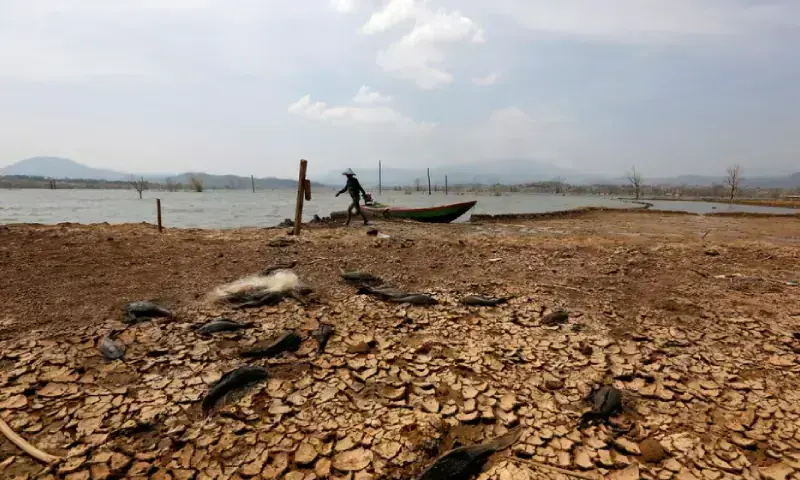
This El Nino is already hitting some regions hard, including in Central America, where animals and crops are dying from drought. asserted
animals → hit → drought
Give feedback · no sign-in needed

No sign-in needed for now. Your note is sent without a name, so it cannot be answered.

History Support