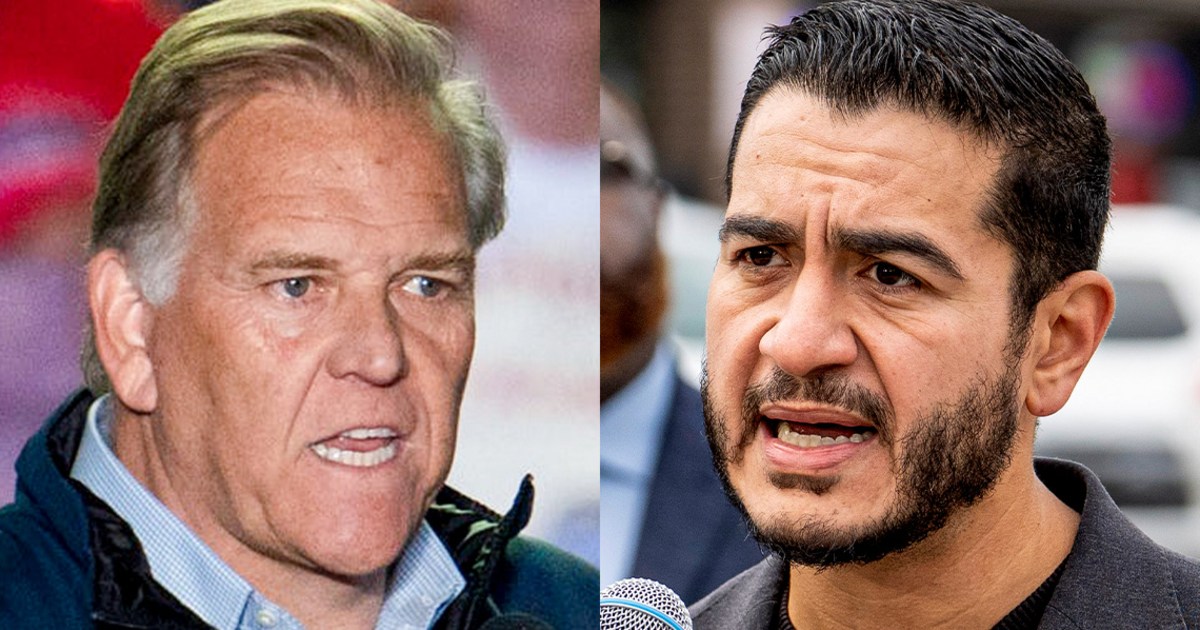
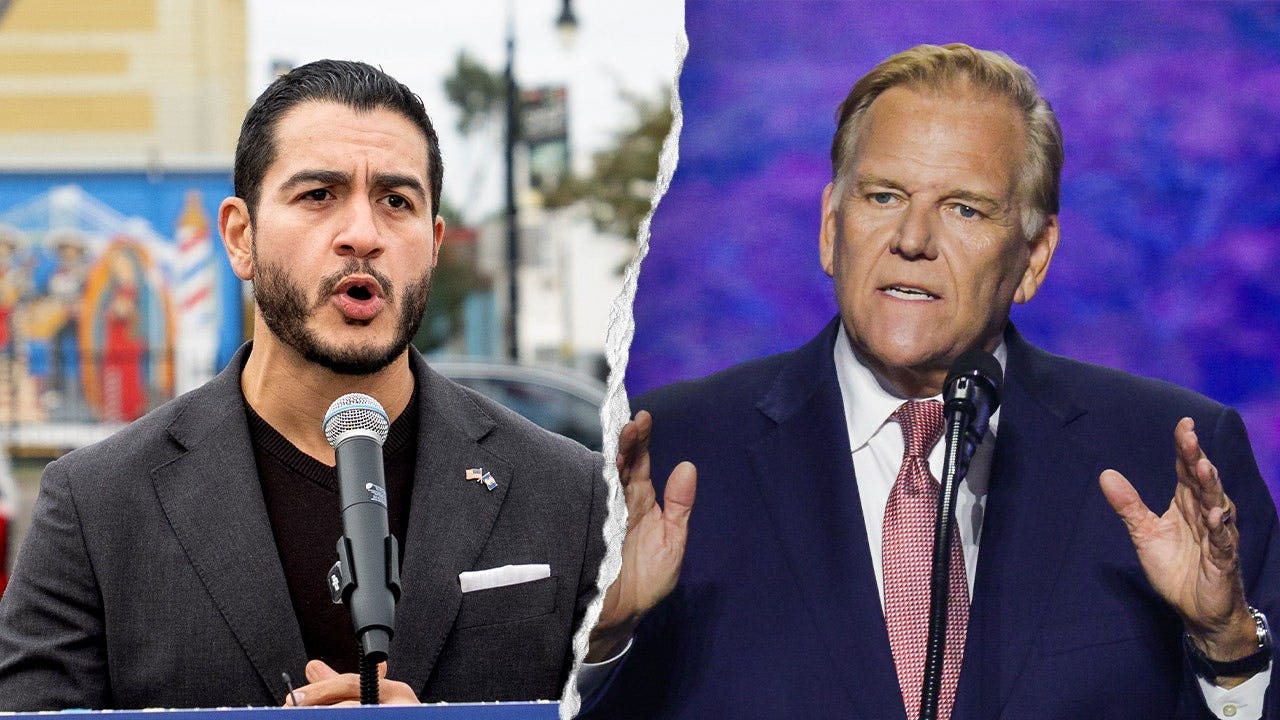
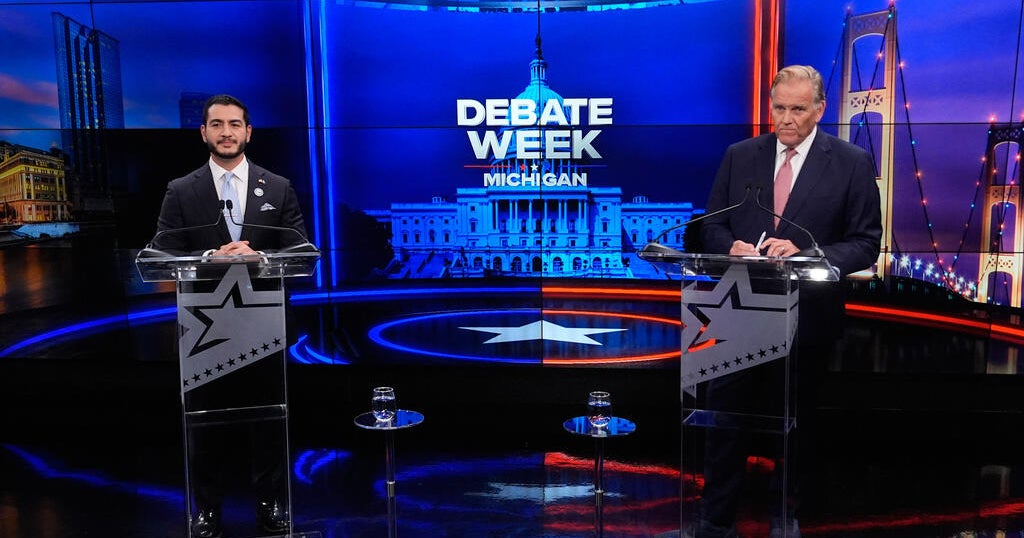
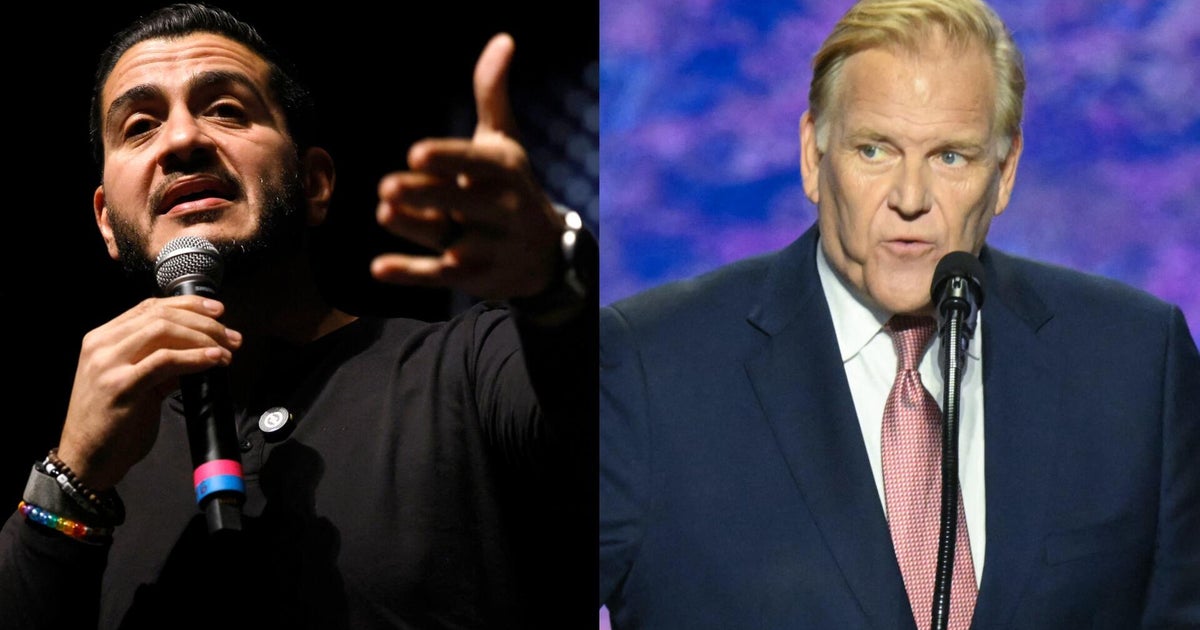
Photo via Washington Examiner

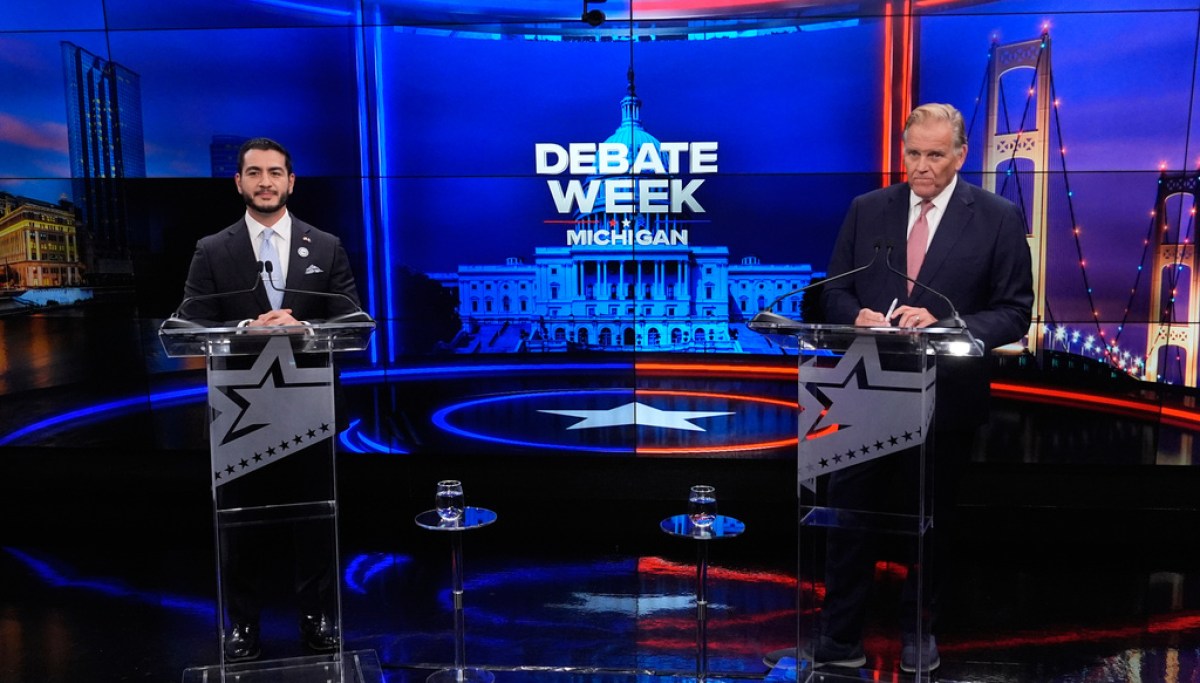
Personal attacks, Israel, and terrorism define Michigan’s caustic Senate debate

Read the original at Washington Examiner ↗
Cite

Chakraborty, B. (2026, October 9). Personal attacks, Israel, and terrorism define Michigan’s caustic Senate debate. Washington Examiner. https://www.washingtonexaminer.com/news/campaigns/congressional/4760166/personal-attacks-israel-terrorism-michigan-senate-debate/

Dated when The Aporia collected the article, usually within hours of publication. Check the original for its exact date and byline.

Washington Examiner · collected 2026-10-09 · by Barnini Chakraborty

Quick Summary

In Michigan’s Senate debate between candidates Abdul el Sayed and Mike Rogers, personal attacks dominated the conversation from the start. The two traded insults over issues like surveillance technology, immigration, healthcare, gas prices, and U.S. policy in the Middle East, with no agreement reached on any policies. Rogers accused el Sayed of ties to terrorist organizations, while el Sayed criticized Rogers for being too aligned with President Trump. Both candidates used aggressive rhetoric, with Rogers calling el Sayed a “conman” and “glitchy chatbot,” and el Sayed accusing Rogers of acting as a “sock puppet” for Trump.
Written by AI on 2026-10-09, from this article's own text only (the story summary below draws on all the coverage).
See how they differ ↓

AI analysis

Story summary

On October 8, Abdul El-Sayed and Mike Rogers faced off in a heated Senate debate in Grand Rapids, Michigan, for the state's open seat. The Democrat, El-Sayed, dodged questions about whether Iran or Israel poses a greater threat to the US by focusing on domestic issues like education and healthcare. Republican Rogers accused El-Sayed of being a "con man" without a medical license and called him a "sock puppet" for President Trump. The debate also touched on Iran, tariffs, and immigration, with both candidates engaging in personal attacks rather than substantive policy discussions. This race is crucial as Michigan's Senate seat could influence the balance of power in the chamber.

Written for “Michigan Senate Debates” on 2026-11-20, grounded in this article and the 23 other(s) covering the same event.

How they differ

11 outlets covered “Michigan Senate Debates”.

What each outlet says

One AI summary per outlet of its latest article on this story, written from that article alone and checked against it. Open the article for the outlet's own words.

Washington ExaminerThis outlet9 Oct

In Michigan’s Senate debate between candidates Abdul el Sayed and Mike Rogers, personal attacks dominated the conversation from the start. The two traded insults over issues like surveillance technology, immigration, healthcare, gas prices, and U.S. policy in the Middle East, with no agreement reached on any policies. Rogers accused el Sayed of ties to terrorist organizations, while el Sayed criticized Rogers for…

Personal attacks, Israel, and terrorism define Michigan’s caustic Senate debate (this article)5 articles from Washington Examiner on this story
CBS News9 Oct

CBS News reporters Skyler Henry and Aaron Navarro discuss the recent heated Senate debates that took place in Georgia and Michigan on Thursday evening. The article recaps the significant moments and arguments from these debates, providing insights into the candidates' stances without personal commentary.

Recapping fiery Senate debates in Georgia and Michigan →7 articles from CBS News on this story
New York Post9 Oct

Abdul El-Sayed, a Democratic Senate nominee in Michigan, faced backlash during a televised debate when he refused to label Israel as a U.S. ally if it leads the country into unnecessary wars. This stance has raised concerns among Jewish Democrats who are questioning their support for him. During the debate with Republican rival Mike Rogers, El-Sayed declined to directly compare the threats posed by Iran and Israel…

Abdul El-Sayed under fire from Jewish Dems after refusing to call Israel a US ally →3 articles from New York Post on this story
Fox News9 Oct

President Donald Trump claimed in a Truth Social post that Republican candidate Mike Rogers "completely obliterated" Democratic opponent Abdul El-Sayed during a debate on Thursday night in Michigan. Trump called El-Sayed a “Jihadist lunatic” who hates the country and Black people, while praising Rogers as an American patriot and a strong contender for the Senate seat. The article includes El-Sayed's response…

Trump says Rogers 'completely obliterated' El-Sayed in debate →2 articles from Fox News on this story
Daily Mail9 Oct

Democratic Senate candidate Abdul El-Sayed and Republican Mike Rogers engaged in a heated debate Thursday night in Michigan, trading personal insults as they campaigned for the seat left open by outgoing Senator Gary Peters. Rogers called El-Sayed a "glitchy AI chatbot" and accused him of being bought off by Hamas, while El-Sayed labeled Rogers as weak and a "sock puppet" for President Trump on Iran policy. The…

'Con man' vs 'sock puppet': Michigan Senate rivals trade savage insults as 'glitchy AI chatbot' jab lights up debate →
NBC News9 Oct

In a Michigan Senate debate, Democrat Abdul El-Sayed and Republican Mike Rogers clashed over issues like Iran’s war, gas prices, and tariffs. The debate, hosted by WOOD TV in Grand Rapids, saw each candidate attacking the other's credibility and positions, with Rogers calling El-Sayed a "con man" and El-Sayed accusing Rogers of changing stances to appease President Trump. The exchange included personal jabs about…

Sparks fly as Abdul El-Sayed and Mike Rogers face off in first Michigan Senate debate →
Show 5 more outlets
Toronto Star9 Oct

During a heated Michigan Senate debate, Republican candidate Mike Rogers faced criticism over President Donald Trump’s tariffs on Canada. The discussion arose early in the debate when Rogers was questioned about an advertisement where he stated "Canada is not our enemy," despite his history of supporting Trump's trade policies. Voters may see this as significant in the upcoming midterm election given both…

Michigan Republican faces pressure during heated debate on Trump's Canada tariffs →
CBC9 Oct

Mike Rogers, a Republican candidate for U.S. Senate in Michigan, faced criticism during a debate about President Donald Trump’s trade war with Canada. The debate highlighted how Rogers’ previous advertisement stating "Canada is not our enemy" conflicts with his support for tariffs. When asked to clarify, Rogers expressed desire to see the trade deal resolved and claimed higher U.S. tariffs on Canadian goods are too…

Michigan Senate hopeful Mike Rogers faces pressure over Trump's trade war →
Al Jazeera9 Oct

In Michigan's contentious Senate race ahead of the U.S. midterm elections, Democratic nominee Abdul El-Sayed and Republican candidate Mike Rogers engaged in a heated debate filled with personal attacks and accusations related to El-Sayed's Muslim identity. Rogers accused El-Sayed of being soft on terrorism and having ties to individuals listed on terrorist watchlists, while El-Sayed defended himself against these…

Key takeaways from US Senate debate in Michigan between El-Sayed, Rogers →
The Guardian9 Oct

The article reports on key takeaways from Senate debates held in Michigan, Georgia, and Maine during the US midterm election season. Affordability emerged as a central theme across all three debates, with candidates addressing issues such as gas prices, groceries, housing, and healthcare costs. In Georgia, Democrat Jon Ossoff accused Republican candidate Mike Collins of supporting policies that benefit data center…

US midterms: key takeaways from Senate debates in Michigan, Georgia and Maine →

Where they agree and split

Agreed

AI · cited, from two or more outlets

  • The Senate candidates debated on Thursday night, with both engaging in personal attacks against each other.23

Disputed

Picked by our model, which is sometimes wrong

  • El-Sayed refused to answer whether Iran or Israel is a bigger threat, while Rogers accused El-Sayed of having foreign sympathies and being soft on terrorism.53

Framing

How the first headlines put it

  • CBS News framed the event as high-stakes Senate debates in multiple states, while Daily Mail highlighted personal insults exchanged between candidates.12
  • New York Post focused on El-Sayed's refusal to answer a question about Iran and Israel, whereas other outlets emphasized the overall tone of the debate.67
Attributed to a source1
Stated as fact10
The headlines (11)

El-Sayed refuses to say whether Iran is more of a threat than Israel in stunning Michigan Senate debate moment New York Post · attributed to a source

Michigan, Georgia holding high-stakes Senate debates CBS News · stated as fact

'Con man' vs 'sock puppet': Michigan Senate rivals trade savage insults as 'glitchy AI chatbot' jab lights up debate Daily Mail · stated as fact

Sparks fly as Abdul El-Sayed and Mike Rogers face off in first Michigan Senate debate NBC News · stated as fact

El Sayed dodges question on whether Israel or Iran poses greater threat to US: ‘Both of them have proven dangerous in their own way’ Washington Examiner · stated as fact

Michigan Republican faces pressure during heated debate on Trump's Canada tariffs Toronto Star · stated as fact

Michigan Senate hopeful Mike Rogers faces pressure over Trump's trade war CBC · stated as fact

Michigan Senate debate erupts into personal attacks as Rogers, El-Sayed clash over Israel, Iran and more Fox News · stated as fact

Key takeaways from US Senate debate in Michigan between El-Sayed, Rogers Al Jazeera · stated as fact

US midterms: key takeaways from Senate debates in Michigan, Georgia and Maine The Guardian · stated as fact

WATCH: Biggest moments after candidates face off in high-stakes debates in race to midterms ABC News · stated as fact

Words to watch (2)

Guy Benson slams el Sayed’s debate answer on Israel-Iran conflict: ‘Shouldn’t be difficult at all to answer’ Washington Examiner

El-Sayed refuses to say whether Iran is more of a threat than Israel in stunning Michigan Senate debate moment New York Post

The full story: what happened, how it changed, and all 24 articles →

Compared with similar articles

This article reads leans left and hedges 10% of its claims. Each row says how that neighbour differs.
NBC News
Hedges 3 of 60 claims Outlet record 78/100
Toronto Star
Hedges 1 of 3 claims Outlet record 64/100
CBS News
Hedges 2 of 33 claims Outlet record 67/100
Al Jazeera
Leans right further right than this Hedges 5 of 69 claims Outlet record 60/100
CBS News
Hedges 1 of 2 claims Outlet record 67/100
Washington Examiner
Hedges 7 of 48 claims Outlet record 67/100
Washington Examiner
Leans right further right than this Hedges 1 of 22 claims Outlet record 67/100
“Article A discusses El Sayed's campaign strategy and progress, while Article B covers a Senate debate between El Sayed and Mike Rogers.”
CBS News
Outlet record 67/100

Story

Michigan Senate Debates
Politics · 24 article(s) covering the same event. Compare every outlet's account →
How this article was measured signals, leaning charts, publisher record, byline, topics and claims

Signals How these are calculated →

Claims extracted
40
sentences that state something as happening or true
Uncertain
10%
4 of 40 hedged ("reportedly", "may", "according to")
Leaning
Leans left
of the writing, not the subject · beta estimate
Publisher signals
67/100
Washington Examiner's corrections and hedging, across everything collected from it. Not a measure of accuracy.
Outlets on this story
24
Politics
Same framing elsewhere
1
articles that frame the event the way this one does
Analyzed 2026-10-09 · how these are computed

How this is being covered How these are calculated →

Article leaning vs. publisher reliability
Source leaning vs. consistency

Publisher

Washington Examiner · 5185 article(s) · 11 correction(s) detected
Running correction rate · 11 correction(s)

Who wrote this

Barnini Chakraborty
42 article(s) here · 1 carrying a prediction
Gov. Gavin Newsom (D-CA) could announce a 2028 presidential bid as early as January, hoping to establish himself as the Democratic front-runner.
Gov. Gavin Newsom (D-CA) said he will decide in early January 2027 whether to seek the Democratic presidential nomination in 2028, putting a timetable on a decision that has fueled speculation about his political future for more than a year.
Despite repeated warnings and visits from social workers, Gabriel endured months of abuse before his death on May 22, 2013, becoming the victim of one of the state’s most notorious child abuse cases.
Sen.-elect Abdul el Sayed (D-MI) is betting President Donald Trump’s appetite for political credit could create an opening for one of Democrats’ most ambitious healthcare proposals — or leave Republicans defending their opposition to expanded coverage.
Gov. Gavin Newsom (D-CA) spent much of the past year trying to establish himself as the Democrat most willing to take the fight directly to President Donald Trump.
2026-11-11 · assertive framing · Did the blue wave leave Gavin Newsom behind?
Los Angeles City Councilwoman Nithya Raman defeated Mayor Karen Bass on Tuesday, unseating the incumbent after a bruising campaign centered on the city’s response to the devastating Palisades wildfire, homelessness, and frustration with basic city services.
Sen.-elect Abdul el Sayed’s (D-MI) victory in Michigan will test whether Democrats can accommodate a progressive insurgent who has repeatedly challenged the party establishment or whether his combative style will make him a headache for current Senate Minority Leader Chuck Schumer (D-NY).
Rogers argued that el Sayed’s single-payer proposal would cost trillions of dollars and limit patients’ choices.
Recommended Stories Luria, a Navy veteran who served in Congress from 2019 to 2023, will return to Washington after making her work on the House committee investigating the Jan. 6, 2021, attack on the Capitol a defining part of her political profile.
Recommended Stories Becerra, 68, will succeed Gov. Gavin Newsom (D-CA), who was barred by term limits from running again and is widely considered a front-runner for the 2028 Democratic presidential nomination.
Also by Barnini Chakraborty
Nothing else under this byline is closely related to this article, so these are simply their most recent.
All 42 articles by Barnini Chakraborty →

Topics

Israel Michigan Senate U.S. el Sayed

Subjects

El Sayed PERSON · 14× Rogers PERSON · 8× Iran GPE · 6× Israel GPE · 6× U.S. GPE · 6× Trump PERSON · 3× Tehran GPE · 2× Abdul el Sayed PERSON · 1× Michigan GPE · 1× Senate ORG · 1×

Narrative

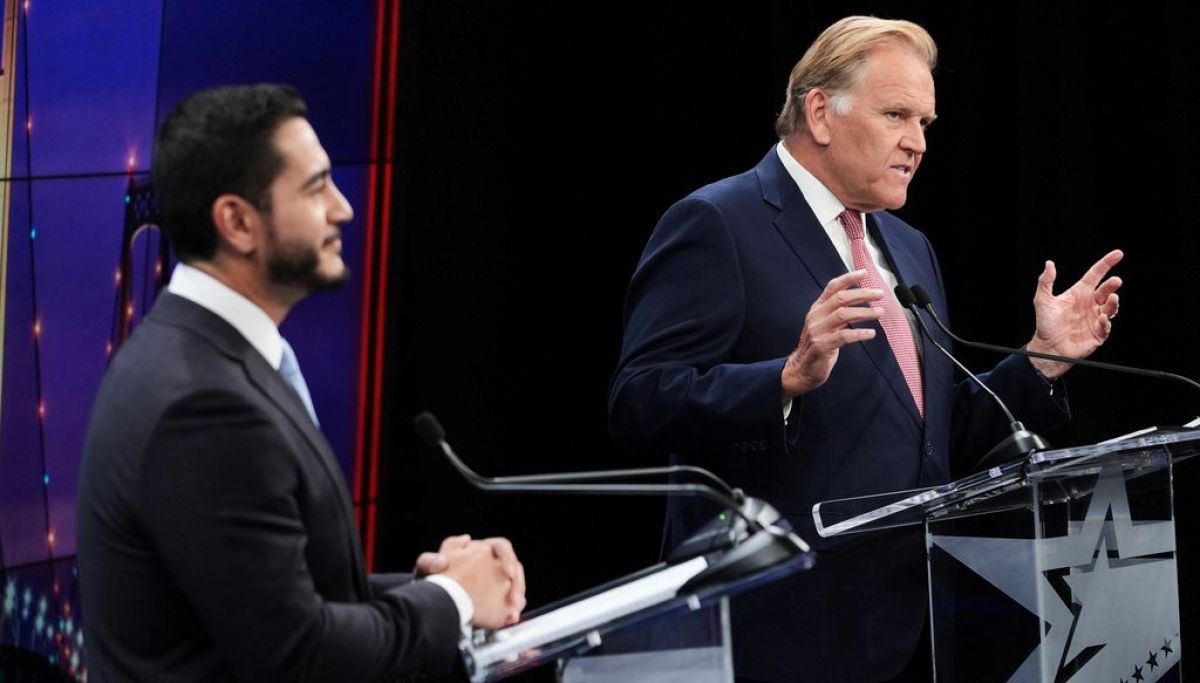
The attacks in Thursday night’s general election debate between Michigan Senate candidates Abdul el Sayed and Mike Rogers began with the very first question, with the candidates trading personal insults and clashing over surveillance technology, immigration enforcement, healthcare, gas prices, and U.S. policy in the Middle East while producing no policy agreements.
framing: assertive · carried by 1 article(s) · first seen 2026-10-09
Rogers then raised the possibility that el Sayed might oppose such surveillance because someone in his family could appear on a watch list, prompting the Democrat to challenge him to make his insinuation explicit.
2026-10-09 · Washington Examiner
Personal attacks, Israel, and terrorism define Michigan’s caustic Senate debate · assertive framing

Claims (40 extracted, 4 hedged)

The attacks in Thursday night’s general election debate between Michigan Senate candidates Abdul el Sayed and Mike Rogers began with the very first question, with the candidates trading personal insults and clashing over surveillance technology, immigration enforcement, healthcare, gas prices, and U.S. policy in the Middle East while producing no policy agreements. asserted
candidates → begin → agreements
The barbs were unrelenting, such that, at one point, upon returning from a commercial break, the moderator said “that in 30 years of doing debates, I’ve never seen it continue during the commercial, but it did.” asserted
it → return → commercial
That seemed to define the tone for the hourlong spar, the first televised debate between the two candidates. asserted
That → seem → candidates
One of the sharpest exchanges came during a dispute over Flock Safety surveillance cameras. asserted
One → come → cameras
El Sayed argued that the technology needed federal oversight, while Rogers advocated local oversight but defended the use of some surveillance processes in identifying people suspected of terrorism. asserted
Rogers → argue → terrorism
Rogers then raised the possibility that el Sayed might oppose such surveillance because someone in his family could appear on a watch list, prompting the Democrat to challenge him to make his insinuation explicit. uncertain
insinuation → raise → him
“Go ahead and say it, you’ve been tiptoeing around it,” el Sayed said. asserted
Sayed → go → it
Throughout the debate, Rogers — as expected — claimed that el Sayed, through people who have contributed to his campaign and family members including his biological mother, is tied to U.S.-designated terrorist organizations, including Hamas and the Muslim Brotherhood. asserted
who → expect → Hamas
The Detroit Free Press and other Michigan- and national-based media organizations have said the claims are misleading or lacking context. uncertain
claims → base → context
The confrontation was part of a debate in which neither candidate shied away from personal attacks. asserted
candidate → shy → attacks
Rogers repeatedly called el Sayed a “conman” and a “glitchy chatbot,” while el Sayed accused the Republican of acting as a “sock puppet” for President Donald Trump. asserted
Sayed → call → Trump
El Sayed also called Rogers “weak” and “cowardly,” arguing that he would not stand up to Trump unless his political standing began to deteriorate. asserted
standing → call → Trump
The candidates also clashed over immigration enforcement and deportation policy, healthcare, and high gas prices. asserted
candidates → clash → enforcement
Rogers repeatedly returned to allegations involving el Sayed’s background, his views on Israel, and people associated with Islamist organizations, while el Sayed sought to portray his opponent as too closely aligned with the president. asserted
Sayed → return → president
The debate came just hours after Trump launched a personal attack on el Sayed, misidentifying him as “Mohammed” and calling the Democratic nominee a “RADICAL Extremist, Terrorist Sympathizer.” asserted
Trump → come → nominee
El Sayed responded on social media, arguing that Trump was using his name and faith to distract voters from the effects of his policies. asserted
Trump → respond → policies
Foreign policy emerged as another major point of contention, particularly when moderator Rick Albin repeatedly pressed el Sayed to say whether Israel or Iran posed the greater threat to the United States. asserted
Israel → emerge → States
El Sayed rejected the question as a “ridiculous hypothetical,” arguing that the U.S. should focus on domestic priorities rather than become further entangled in a conflict with Tehran. asserted
U.S. → reject → Tehran
“I want our tax dollars spent here,” el Sayed said, pointing to education, healthcare, and other needs at home. asserted
Sayed → want → home
The former public health official and vocal critic of Israel’s military campaign accused Israel of lobbying the U.S. to go to war against Iran and criticized Rogers for supporting the U.S. campaign against Tehran. asserted
official → accuse → Tehran
“Let’s be honest, Israel has lobbied us to go to war with Iran,” el Sayed said. asserted
Sayed → lobby → Iran
He also pointed to Iran’s attacks across the Middle East and the disruption to global energy supplies, arguing that the U.S. should not be drawn into a costly conflict that does not serve American interests. asserted
that → point → interests
“I don’t want to be pushed into a war by Israel, and I don’t want to be in a war with Iran,” he said. asserted
he → want → Iran
Rogers, for his part, commended the U.S.’s military’s actions in setting back Iran’s nuclear program but said “this would be the time to wrap it [the war] up.” asserted
this → commend → it
El Sayed acknowledged that both Israel and Iran could cause harm but refused twice to rank one as the greater threat. uncertain
Israel → acknowledge → threat
Rogers, a former Republican congressman who supports the U.S. campaign against Iran, sought to cast his opponent’s views as out of step with American national security interests. asserted
who → support → interests
The exchange highlighted a politically sensitive issue for el Sayed as he tries to build support beyond the progressive voters who propelled him through the Democratic primary. asserted
who → highlight → primary
His opposition to U.S. military aid to Israel and criticism of its government have drawn scrutiny from some Jewish Democrats, while his positions resonate with voters who oppose Washington’s support for Israel’s military campaign. asserted
who → draw → campaign
Rogers also sought to present himself as a Republican willing to work with Trump while breaking with the president on issues affecting Michigan, including tariffs and fuel prices. asserted
Rogers → seek → tariffs
When reporters asked him after the debate, he did not explicitly say he would share the same stage with Trump if the president came to Michigan, something Trump had said he would do before the Nov. 3 election. asserted
he → ask → election
El Sayed, meanwhile, argued that his progressive economic agenda and opposition to foreign entanglements could appeal to voters beyond the party’s left flank. uncertain
agenda → argue → flank
For Rogers, the race marked a return to familiar territory. asserted
race → mark → territory
He faced then-Rep. Elissa Slotkin in the 2024 Senate election, losing by fewer than 20,000 votes. asserted
He → face → votes
He ran unopposed in this year’s Republican primary and has benefited from substantial outside advertising as the general election campaign has progressed. asserted
campaign → run → advertising
El Sayed narrowly defeated Rep. Haley Stevens (D-MI) in a bruising Democratic primary. asserted
Sayed → defeat → primary
The general election campaign has brought additional scrutiny to his association with progressive political influencer Hasan Piker, who campaigned alongside him during the primary and has faced controversy over comments about Israel, the Middle East, and the Sept. 11, 2001, terrorist attacks. asserted
who → bring → Israel
El Sayed has not publicly condemned Piker but has sought to distance himself from the influencer since winning the nomination. asserted
Sayed → condemn → nomination
The candidates face competing pressures in a state with a significant Arab American population, particularly in the Detroit area, where U.S. support for Israel has become a consequential issue for Democrats. asserted
support → face → Democrats
The party also faces divisions over how to balance criticism of the Israeli government with concerns about Israel’s security and Iran’s regional ambitions. asserted
party → face → security
The Senate race has attracted national attention because of its implications for control of the chamber, where Democrats need to flip four seats to regain the majority. asserted
Democrats → attract → majority
Give feedback · no sign-in needed

No sign-in needed for now. Your note is sent without a name, so it cannot be answered.

History Support