Photo via NBC News

Democrats’ mail ballot shift: From the Politics Desk

Read the original at NBC News ↗
Cite

The Politics Desk. (2026, October 9). Democrats’ mail ballot shift: From the Politics Desk. NBC News. https://www.nbcnews.com/politics/politics-news/democrats-mail-ballot-shift-politics-desk-rcna602591

Dated when The Aporia collected the article, usually within hours of publication. Check the original for its exact date and byline.

NBC News · collected 2026-10-09 · by The Politics Desk

Quick Summary

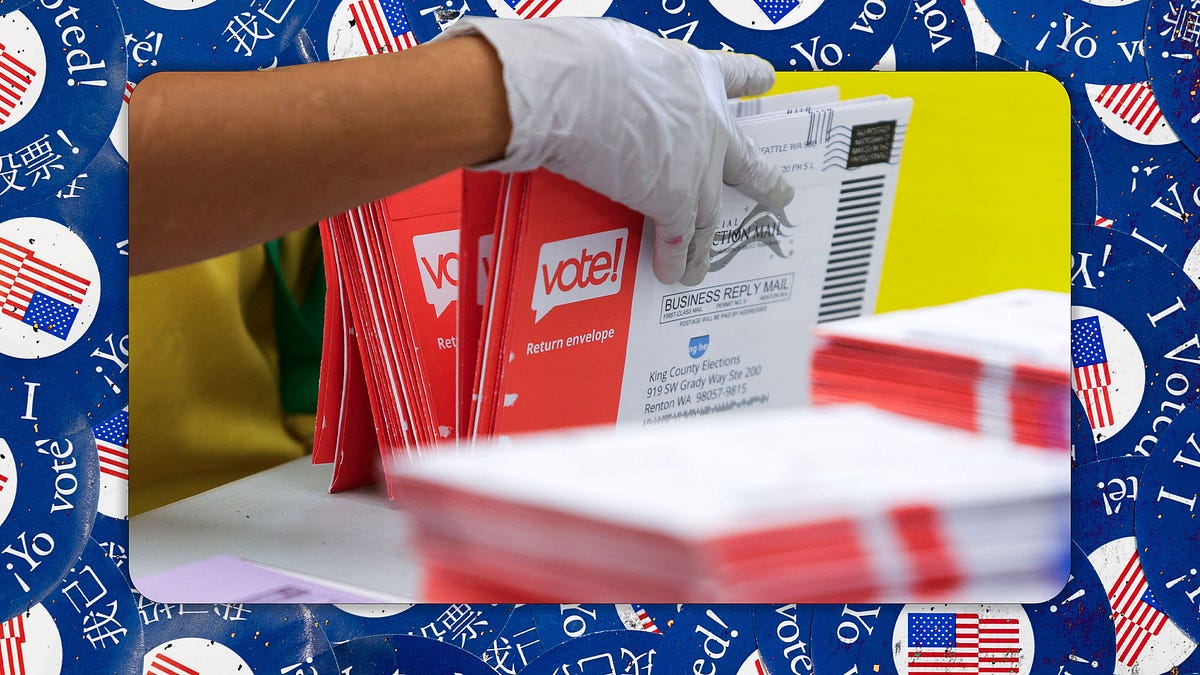
Democrats are changing their voting behavior ahead of the November election, with fewer Democrats requesting mail ballots compared to previous elections but returning those they do request more promptly, according to an NBC News analysis in collaboration with the University of Pennsylvania. This shift reflects growing concerns among Democrats about the reliability of mail-in voting and the U.S. Postal Service, potentially complicating early voting predictions for party enthusiasm and election outcomes. For example, in North Carolina's pivotal Senate race, Democratic registrants are 40% less likely to request mail ballots compared to the previous midterm year, while their ballot return rates have increased from 17% to 22%.
Written by AI on 2026-10-09, from this article's own text only (the story summary below draws on all the coverage).

AI analysis

Story summary

Democrats are altering how they vote ahead of the November election, with fewer requests for mail ballots compared to previous elections but a quicker return rate for those that are requested. This shift is detailed in a new analysis by NBC News Decision Desk and the University of Pennsylvania, conducted less than four weeks before Election Day. The change reflects growing concerns about mail-in voting and the reliability of the U.S. Postal Service among voters. If Democrats continue to prefer in-person voting or take extra precautions with their ballots, it could complicate predictions based on early vote tallies, traditionally used to gauge voter enthusiasm. Historically, since 2020, Democrats have been more likely than Republicans to use mail-in voting, a pattern that may now be changing.

Written for “Mail Ballot Concerns Democrats Voting” on 2026-11-20, grounded in this article and the 1 other(s) covering the same event.

Compared with similar articles

This article reads unscored and hedges 15% of its claims. Each row says how that neighbour differs.
NBC News
Leans right Hedges 19 of 53 claims Outlet record 78/100
The Dispatch
Hedges 1 of 2 claims Outlet record 61/100
“The articles cover different topics and time frames related to politics and elections but do not describe the same specific incident.”
The Straits Times
Leans left Hedges 5 of 47 claims Outlet record 64/100
“The articles cover different aspects of voting behavior over a span of days in Ohio; one focuses on early voters lining up before dawn, while the other discusses Democrats' shift towards mail ballots based on analysis of early vote data.”
Washington Examiner
Leans strongly right Hedges 3 of 36 claims Outlet record 67/100
“The articles discuss different aspects of voting behavior and political strategies without describing the same specific incident.”
Los Angeles Times
Hedges 7 of 58 claims Outlet record 95/100
“The articles discuss different aspects of election strategies and voter behavior, not the same specific incident or occurrence.”
The Guardian
Hedges 1 of 6 claims Outlet record 64/100
“Article A discusses a shift in how Democrats are casting their ballots, while Article B is an overview of upcoming midterm elections and predictions.”
Washington Examiner
Leans left Hedges 3 of 32 claims Outlet record 67/100
“The articles discuss different aspects of Democratic strategy and voter behavior leading up to the election, but do not describe the same specific incident or occurrence.”
The Bulwark
Leans left Hedges 1 of 11 claims
“The articles discuss a trend related to voting by mail but do not describe the same specific incident or occurrence.”

Story

Mail Ballot Concerns Democrats Voting
Politics · 2 article(s) covering the same event. See how they differ ↑
How this article was measured signals, leaning charts, publisher record, byline, topics and claims

Signals How these are calculated →

Claims extracted
41
sentences that state something as happening or true
Uncertain
15%
6 of 41 hedged ("reportedly", "may", "according to")
Leaning
withheld
no quote in the article backed the model's score
Publisher signals
78/100
NBC News's corrections and hedging, across everything collected from it. Not a measure of accuracy.
Outlets on this story
2
Politics
Same framing elsewhere
1
articles that frame the event the way this one does
Analyzed 2026-10-09 · how these are computed

How this is being covered How these are calculated →

Article leaning vs. publisher reliability
Source leaning vs. consistency

Publisher

NBC News · 2703 article(s) · 4 correction(s) detected
Running correction rate · 4 correction(s)

Who wrote this

The Politics Desk
35 article(s) here · 1 carrying a prediction
Plus, Lawrence Hurley explains why President Donald Trump’s legal battles with Congress could stretch on long after he exits the White House.
In the case of Ukraine, Trump pledged during the 2024 campaign he could solve the war in one day after taking office.
2026-11-19 · assertive framing · Trump’s symbolic summit: From the Politics Desk
First is the most obvious: While the party was still riding high after the midterms, it couldn’t wait to move into a 2028 presidential posture.
That would give the party a 56-44 majority, which would be the largest since 2009.
Plus, Natasha Korecki explains why the midterm results could make Democrats’ 2028 presidential primary even more unwieldy.
An observer of social media feeds on the left could be forgiven for thinking that Jeffries is in danger of not becoming the first Black leader of either chamber of Congress in January.
Trump ousted Susie Wiles and installed as his new White House chief of staff Stephen Miller, the face of hard-line immigration enforcement and an operative who has swung a rhetorical cleaver at the party that will soon control Congress.
2026-11-11 · assertive framing · Miller’s moment: From the Politics Desk
Read more → How North Carolina emerged as one of Democrats’ biggest midterm bright spots Analysis by Natasha Korecki With so many competing storylines and surprising outcomes from last week’s midterms, it may have been easy to miss what happened in North Carolina.
“I believe we would abdicate our responsibility if we voted to provide billions of additional dollars for President Trump’s war of choice in Iran,” Sen. Michael Bennet, D-Colo., a moderate, wrote in a letter to colleagues Saturday.
2026-11-09 · assertive framing · A Capitol Hill vibe shift: From the Politics Desk
The ally said that Miller will be combative with Congress, particularly when it comes to any investigations Democrats point toward the administration.
Wire or desk byline, not an individual reporter.
Also by The Politics Desk
Nothing else under this byline is closely related to this article, so these are simply their most recent.
All 35 articles by The Politics Desk →

Topics

Democratic Democrats NBC News Republicans Senate

Subjects

Democrats NORP · 10× Republicans NORP · 4× Senate ORG · 4× Democratic NORP · 3× Donald Trump PERSON · 2× Kristen Welker PERSON · 2× NBC News ORG · 2× Republican NORP · 2× Capitol Hill ORG · 1× the White House ORG · 1×

Narrative

The hourlong event featured no shortage of name-calling: Rogers’ repeated insistence that El-Sayed is a “con man” sought to undermine the Democrats’ economic attacks, while El-Sayed calling Rogers “weak” and “cowardly” aims to convince voters that the Republican won’t stand up to the president.
framing: assertive · carried by 1 article(s) · first seen 2026-10-09
The shift among Democrats suggests they may be abandoning mail ballots in favor of in-person voting, or taking precautions to ensure their ballot arrives on time.
2026-10-09 · NBC News
Democrats’ mail ballot shift: From the Politics Desk · assertive framing

Claims (41 extracted, 6 hedged)

Welcome to From the Politics Desk, a daily newsletter that brings you the NBC News Politics team’s latest reporting and analysis from the White House, Capitol Hill and the campaign trail. asserted
that → welcome → House
In today’s edition, we dive into a shift in the way Democrats are casting their ballots so far ahead of the November election. asserted
Democrats → dive → election
Plus, Kristen Welker examines the key dynamics that were at play in last night’s Senate debates. asserted
that → examine → debates
— Adam Wollner Mail ballot concerns are changing how Democrats vote, early vote analysis shows asserted
analysis → change → ?
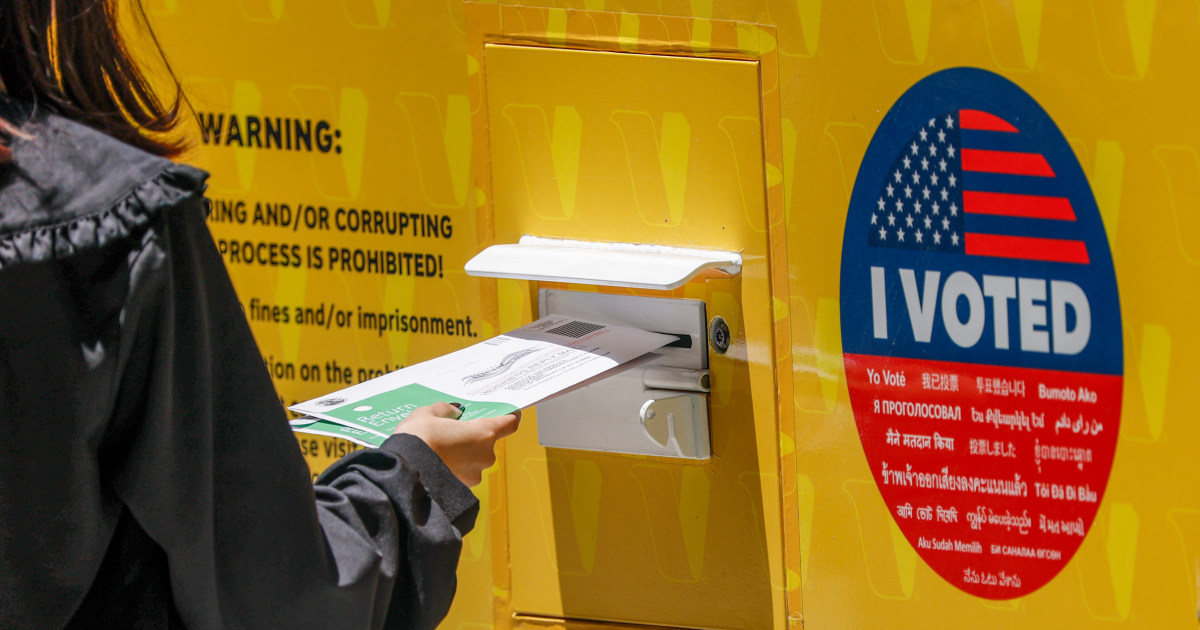
Democrats are changing how they vote, requesting fewer mail ballots than in past elections but returning the ones they do request more quickly, according to a new NBC News Decision Desk analysis of the early vote conducted in coordination with the University of Pennsylvania. uncertain
they → change → Pennsylvania
The findings, which come less than four weeks before Election Day, reflect a midterm landscape shaped by concerns about mail-in voting and doubts about the reliability of the U.S. Postal Service. asserted
which → come → Service
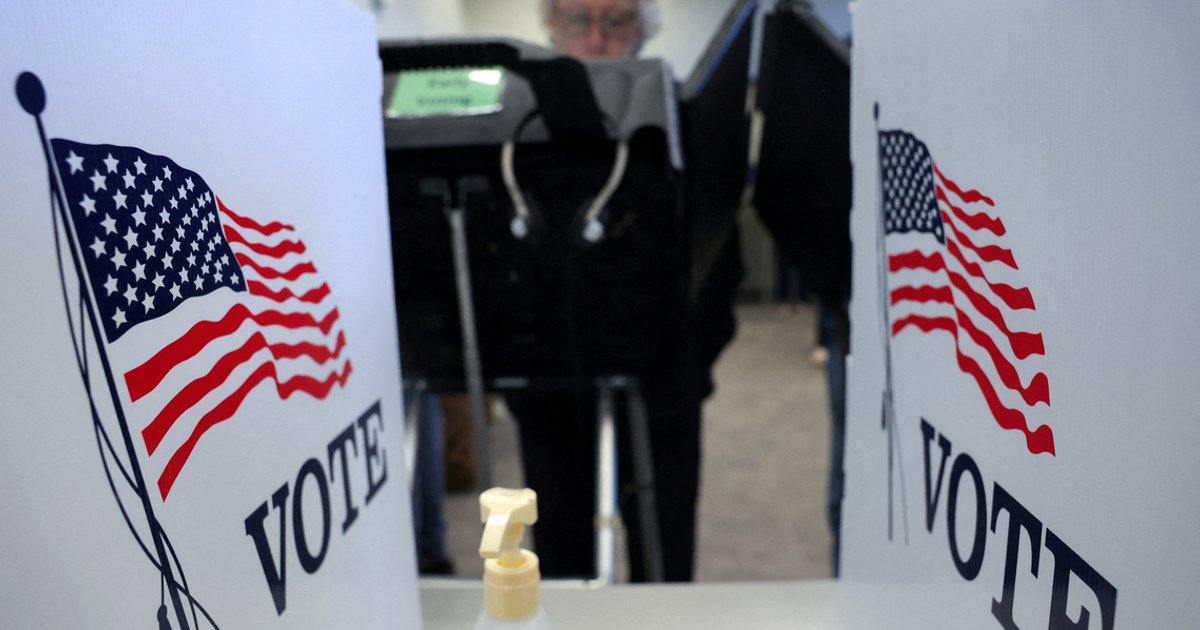
The shift among Democrats suggests they may be abandoning mail ballots in favor of in-person voting, or taking precautions to ensure their ballot arrives on time. uncertain
ballot → suggest → time
Since 2020, Democrats have been far more likely than Republicans to vote by mail, creating predictable patterns in how early election tallies shift as additional votes are counted. asserted
votes → vote → patterns
But if those habits are changing, it will be more difficult to gauge which party has more enthusiasm from early voting figures, while the now-familiar red and blue “mirages” seen on recent election nights could unfold differently. uncertain
mirages → change → nights
Take North Carolina, where the Senate race is poised to help decide control of the chamber. asserted
race → take → chamber
So far, Democrats in the state are both less likely to request and more likely to return mail ballots compared with 2022, the most recent midterm election year. asserted
Democrats → request → 2022
The decrease is larger among Democratic registered voters, at 40% fewer mail ballots requested, than among Republican registered voters or independent or third-party registrants, at 18% and 23% fewer, respectively. asserted
decrease → register → %
Further, the Democratic registrants who have requested mail ballots are more likely to have already returned them in 2026 (22%) than in 2022 (17%). asserted
who → request → 2022
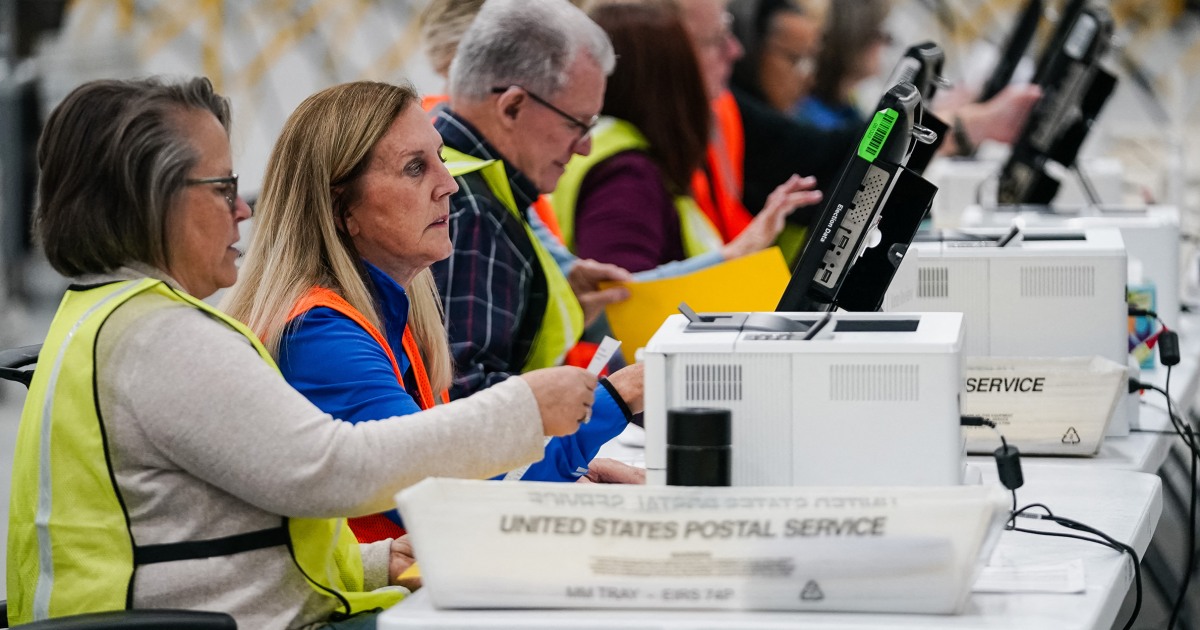
Confidence that the Postal Service would deliver mail ballots on time plummeted among Democrats from 86% before the 2024 election to 60% last month, according to polling conducted by Marist just after the Supreme Court blocked President Donald Trump’s new Postal Service rules from going into effect. uncertain
Court → deliver → effect
By comparison, confidence among Republicans remains unchanged. asserted
confidence → remain → Republicans
Meanwhile, more Democrats said they planned to vote in person this year than said the same at this time in 2024, according to NBC News polling. uncertain
they → say → polling
What we learned from last night’s debates Analysis by Kristen Welker Debate season has reached a fever pitch just weeks before Election Day. asserted
season → learn → Day
And last night’s trio of Senate showdowns laid bare the dynamics and disagreements that will decide the fight for the majority. asserted
that → lay → majority
Arguably the biggest similarity across the three major Senate debates on Thursday — in Michigan, Maine and Georgia — underscores why Democrats believe they have the wind at their backs: They are all singing from the same songbook when it comes to the economy. asserted
it → underscore → economy
In race after race, Democratic candidates are laying voters’ dissatisfaction with President Donald Trump at the feet of Republicans. asserted
candidates → lay → Republicans
Trump’s poor ratings on issues like the economy and immigration give these Democrats a clear opening as they call for change. asserted
they → give → change
And some Republican candidates have struggled to articulate how they will address these voter frustrations when they supported many of the president’s policies in the first place. asserted
they → struggle → place
But the personal attacks peppered throughout these debates reveal another important dynamic too: Republicans believe that in many cases, their best chance to swim against the political tide comes by making the campaign a referendum on the Democrat standing across from them, rather than Trump. asserted
campaign → pepper → Trump
The hourlong event featured no shortage of name-calling: Rogers’ repeated insistence that El-Sayed is a “con man” sought to undermine the Democrats’ economic attacks, while El-Sayed calling Rogers “weak” and “cowardly” aims to convince voters that the Republican won’t stand up to the president. asserted
Republican → feature → president
It’s how both candidates closed their first debate. asserted
candidates → ’ → debate
El-Sayed argued he was best positioned to stand up for Michiganders in Washington, while Rogers made the case that a vote for his opponent is too big of a risk. asserted
vote → argue → risk
El-Sayed will join me on this Sunday’s “Meet the Press,” where we will dig deeper into the dynamics of this pivotal Senate race. asserted
we → join → race
I’ll also speak with retiring Sen. Thom Tillis, R-N.C., and author Michael Lewis, to discuss their new books and how they are digesting the first two years of this Trump administration. asserted
they → speak → administration
In three separate debates this week, GOP candidates revealed when pushed on high costs that they’ve been in direct contact with Cabinet officials in the Trump administration to try to address them, Bridget Bowman notes. asserted
Bowman → reveal → them
As Georgia Secretary of State Brad Raffensperger gears up to oversee his final election, he is still combating skeptics within his own party. asserted
he → gear → party
“At the end of the day, we’re going to beat you to death with audits,” he said. asserted
he → go → audits
Sen. Cory Booker, D-N.J., plans to travel to Nevada, South Carolina and New Hampshire — all early presidential primary states — in addition to Alabama to campaign for candidates on the midterm ballot. asserted
Booker → plan → ballot
Center-left think tank Third Way is warning Democratic presidential contenders against swinging too far left on immigration with new polling data. asserted
Way → warn → data
Trump said Russian President Vladimir Putin would “immediately” release hundreds of thousands of tons of diesel fuel onto the global market. asserted
Putin → say → market
Vice President JD Vance suggested that the federal government would not livestream its planned execution of Fort Hood shooter Nidal Hasan by firing squad, contradicting the plan announced by Defense Secretary Pete Hegseth. uncertain
government → suggest → Hegseth
Trump named conservative commentator Katie Zacharia as the next White House press secretary, replacing Karoline Leavitt. asserted
Trump → name → Leavitt
Trump signed an order directing the attorney general and other top federal officials to establish a committee to investigate Federal Reserve governor Lisa Cook, in his latest attempt to fire her. asserted
Trump → sign → her
Read more → That’s all From the Politics Desk for now. asserted
That → read → Desk
Today’s newsletter was compiled by Adam Wollner. asserted
newsletter → compile → Wollner
If you have feedback — likes or dislikes — email us at politicsnewsletter@nbcuni.com And if you’re a fan, please share with everyone and anyone. asserted
you → have → everyone
…and 1 more, not listed.

Give feedback · no sign-in needed

No sign-in needed for now. Your note is sent without a name, so it cannot be answered.

History Support