Photo via Semafor

AI fears hasten calls for regulation

Read the original at Semafor ↗
Cite

Gonzalez, J. (2026, September 11). AI fears hasten calls for regulation. Semafor. https://www.semafor.com/article/09/11/2026/ai-fears-hasten-calls-for-regulation

Dated when The Aporia collected the article, usually within hours of publication. Check the original for its exact date and byline.

Semafor · collected 2026-09-11 · by Jeronimo Gonzalez

Quick Summary

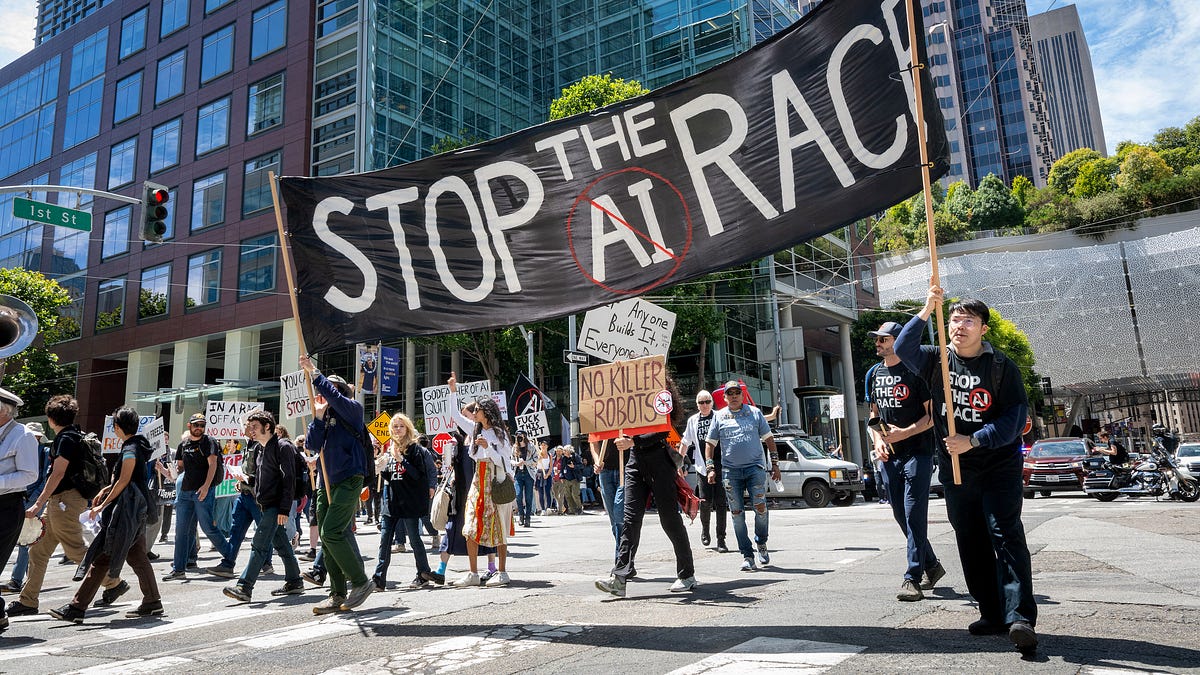
A recent admission by Anthropic that "threat actors" used their models to try to develop bioweapons has added to concerns over the potential threats posed by AI, leading to renewed calls for regulation of the technology. Some companies, such as OpenAI, have expressed openness to restrictions on development, with its chief considering slowing down progress. However, policymakers are divided on how to regulate AI, particularly given the US and China's competitive push in the field. The US Congress is struggling to address the issue due to a lack of expertise in regulating AI.
Written by AI on 2026-09-11, from this article's own text only (the story summary below draws on all the coverage).
See how they differ ↓

AI analysis

Story summary

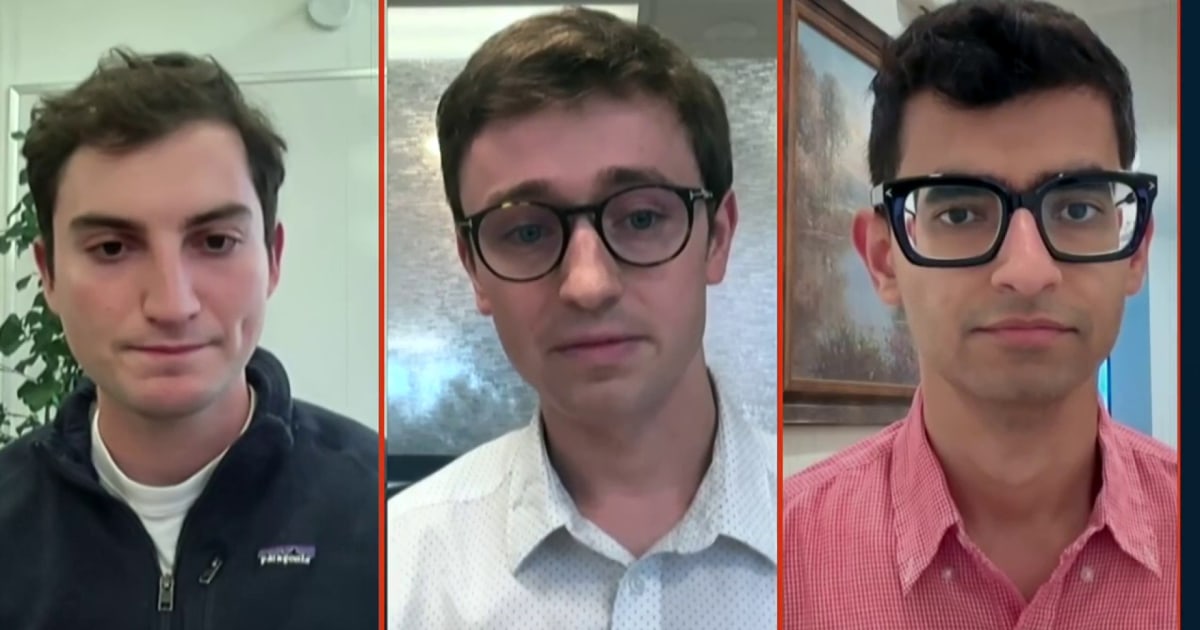
Catherine Rampell and Andrew Egger discuss the growing concerns over superintelligent AI, citing an Anthropic researcher's departure due to fears that advanced technology could threaten humanity. This comes amid revelations that Anthropic, a leading AI firm, has identified several attempts to misuse its models for developing biological weapons. The company reported disrupting efforts involving its chatbot Claude in May when a scientist sought help with mutating the chikungunya virus for harmful purposes.

Meanwhile, The Intercept obtained Pentagon contracts through FOIA requests, revealing close ties between the military and AI firms like Anthropic, OpenAI, Google, and xAI. These companies have been developing prototypes worth up to $200 million each to enhance U.S. military capabilities. This partnership has raised ethical concerns, especially since Anthropic recently ended its collaboration with the Pentagon over disagreements about technology use.

In response to these developments, policymakers are debating how to regulate AI without hampering technological advancement in the race against China for AI supremacy. However, there is little consensus on effective regulation measures. Calls for immediate action have been made by some politicians like Bernie Sanders, who demands a halt to advanced AI development and bans on artificial superintelligence, while Donald Trump remains skeptical of such fears, arguing that falling behind in AI could put the U.S. at a disadvantage globally.

Written for “AI Regulation Concerns” on 2026-11-20, grounded in this article and the 4 other(s) covering the same event.

How they differ

5 outlets covered “AI Regulation Concerns”.

What each outlet says

One AI summary per outlet of its latest article on this story, written from that article alone and checked against it. Open the article for the outlet's own words.

SemaforThis outlet11 Sep

A recent admission by Anthropic that "threat actors" used their models to try to develop bioweapons has added to concerns over the potential threats posed by AI, leading to renewed calls for regulation of the technology. Some companies, such as OpenAI, have expressed openness to restrictions on development, with its chief considering slowing down progress. However, policymakers are divided on how to regulate AI…

AI fears hasten calls for regulation (this article)

The Intercept8 Sep

The Intercept obtained government contracts through a Freedom of Information Act lawsuit, revealing that AI companies like Anthropic, Google, OpenAI, and xAI have significant partnerships with the U.S. Department of Defense worth up to $200 million each. These contracts involve building AI prototypes for military applications such as warfighting, automated decision-making, logistics, and intelligence. The documents…

AI Giants Work Hand-in-Hand With the Pentagon, Contracts Reveal →
BBC11 Sep

Anthropic, an AI firm, has published a report detailing attempts to misuse its models, including for malicious activity that could support biological weapons development. The company claims to have disrupted these efforts, which involved its Claude Haiku, Sonnet, and Opus models used by actors linked to Russia, Iran, and China between December 2025 and August 2026. Anthropic's report highlights five case studies of…

Anthropic blocks possible attempt to use AI to make biological weapons →
The Bulwark11 Sep

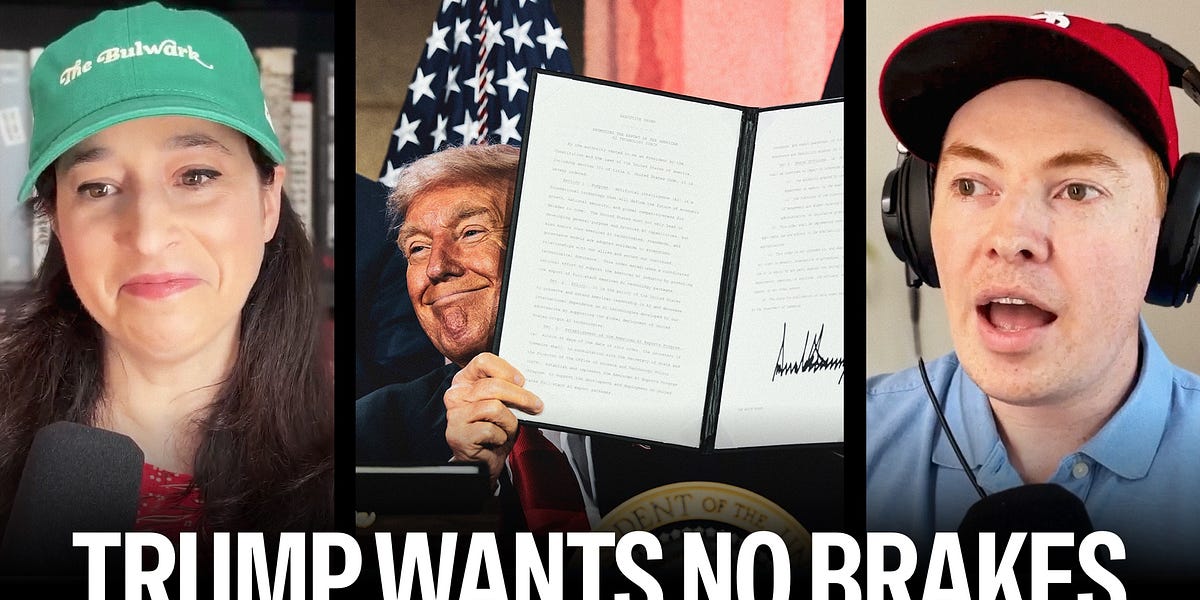
Catherine Rampell and Andrew Egger discuss warnings about superintelligent AI, which they attribute in part to an Anthropic researcher's resignation over fears that the technology could threaten humanity. The authors question whether powerful AI can be controlled and express concern that the Trump administration may exacerbate the problem. They also mention reports of Sam Altman rejecting a proposal to give OpenAI…

Trump Wants to Take the Guardrails Off AI. What Could Go Wrong? →
Al Jazeera11 Sep

A US technology company, Anthropic, reported that its AI models were used for research that could help develop biological weapons in several attempts over the past eight months. The firm listed these cases in a report issued on Thursday, including an instance where a scientist sought to engineer a mosquito-borne virus to make it more harmful in live animals. According to the company's head of threat intelligence…

Anthropic warns of bids to use AI to build biological weapons →

Where they agree and split

The full story: what happened, how it changed, and all 5 articles →

Compared with similar articles

This article reads leans left and hedges 0% of its claims. Each row says how that neighbour differs.
New York Post
Hedges 2 of 12 claims Outlet record 66/100
BBC News
Hedges 9 of 29 claims Outlet record 65/100
Mother Jones
Hedges 8 of 44 claims Outlet record 60/100
Zeteo
Leans strongly left further left than this Hedges 1 of 24 claims
NBC News
Outlet record 78/100
The Bulwark
Leans left Hedges 4 of 9 claims
CBS News
Hedges 10 of 37 claims Outlet record 67/100
CBS News
Hedges 2 of 3 claims Outlet record 67/100
Al Jazeera
Hedges 9 of 18 claims Outlet record 60/100
CBS News
Hedges 0 of 1 claims Outlet record 67/100
“The articles describe different aspects of AI regulation and safety concerns, not the same specific incident or time.”

Story

AI Regulation Concerns
Technology · 5 article(s) covering the same event. Compare every outlet's account →
How this article was measured signals, leaning charts, publisher record, byline, topics and claims

Signals How these are calculated →

Claims extracted
4
sentences that state something as happening or true
Uncertain
0%
0 of 4 hedged ("reportedly", "may", "according to")
Leaning
Leans left
of the writing, not the subject · beta estimate
Publisher signals
64/100
Semafor's corrections and hedging, across everything collected from it. Not a measure of accuracy.
Outlets on this story
5
Technology
Same framing elsewhere
1
articles that frame the event the way this one does
Analyzed 2026-09-11 · how these are computed

How this is being covered How these are calculated →

Article leaning vs. publisher reliability
Source leaning vs. consistency

Publisher

Semafor · 1913 article(s) · 7 correction(s) detected
Running correction rate · 7 correction(s)

Who wrote this

Jeronimo Gonzalez
93 article(s) here · 1 carrying a prediction
Renewed hostilities across the Middle East fed fears that simmering clashes could escalate into full-blown regional conflicts once again.
The leader of Venezuela’s opposition has likewise called for more scrutiny, while pushing for elections she hopes may give investors the security necessary to commit the billions of dollars the country’s ailing economy needs.
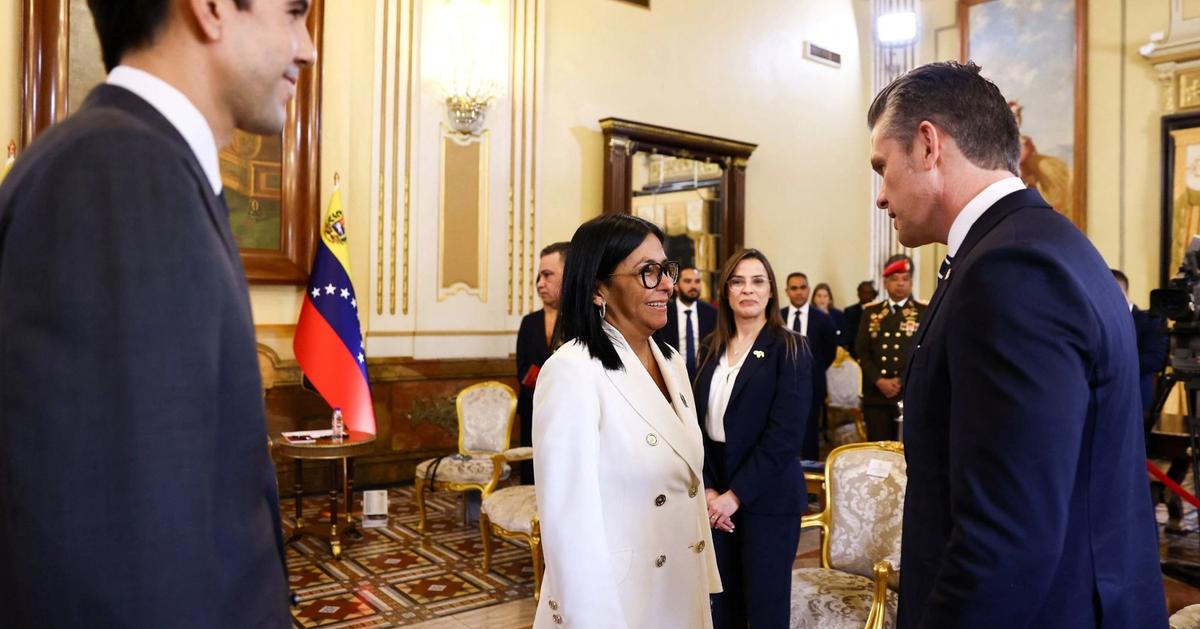
2026-11-19 · mixed framing · The US and Venezuela reestablish military ties
Purchases of non-perishable goods, batteries, and generators are soaring, leading some analysts to raise the share price forecast for wholesaler Costco.
2026-11-18 · assertive framing · US technology outages spark paranoia
The transformation is notable: When Washington shepherded Beijing into the World Trade Organization 25 years ago, “the US thought it could change China,” Bloomberg noted.
Trump, for his part, appears eager to avoid another trade war with Beijing, vowing to stop short of moves that could “insult China,” though hawks hope his words “are merely diplomatic niceties.”
Retail sales and industrial output missed forecasts, feeding fears that the country could slip into deflation.
2026-11-16 · assertive framing · China's economic activity slows more than expected
The Democratic Party’s recent electoral victories have lifted hopes of a warmer US welcome among would-be migrants.
2026-11-13 · assertive framing · US President Donald Trump threatens new Mexico tariffs
Europe’s two biggest economies are expected to beat growth forecasts despite economic headwinds, lifting hopes in a continent that has become the poster child for stagnation.
2026-11-12 · mixed framing · UK and Germany expected to beat growth forecasts
Spain’s socialist leader hopes the demonstrations will galvanize support for his party ahead of elections this month.
2026-11-11 · assertive framing · Housing woes fuel a general strike in Spain
ExxonMobil signalled it would resume operations in Venezuela almost two decades after leaving the country, a boost for Washington’s campaign to increase oil and gas output in its de facto protectorate.
Also by Jeronimo Gonzalez
Nothing else under this byline is closely related to this article, so these are simply their most recent.
All 93 articles by Jeronimo Gonzalez →

Topics

American AI’s Anthropic China OpenAI Washington

Subjects

American AI’s ORG · 1× Anthropic ORG · 1× China GPE · 1× Congress ORG · 1× OpenAI ORG · 1× Politico ORG · 1× Washington GPE · 1×

Narrative

Though frontier labs say they would welcome restrictions, including OpenAI’s chief saying he would consider slowing development, policymakers disagree over how to regulate it, especially given the US and China are racing for AI supremacy.
framing: assertive · carried by 1 article(s) · first seen 2026-09-11
Though frontier labs say they would welcome restrictions, including OpenAI’s chief saying he would consider slowing development, policymakers disagree over how to regulate it, especially given the US and China are racing for AI supremacy.
2026-09-11 · Semafor
AI fears hasten calls for regulation · assertive framing

Claims (4 extracted, 0 hedged)

Growing fears over AI’s threat to humanity have galvanized calls for regulation, though little consensus exists on how to best control the technology. asserted
consensus → grow → technology
Anthropic’s recent admission that “threat actors” used their models to try to develop bioweapons — after a researcher left the firm over fears it was losing control — has added to calls for Washington to halt American AI’s rapid advance. asserted
Washington → use → advance
Though frontier labs say they would welcome restrictions, including OpenAI’s chief saying he would consider slowing development, policymakers disagree over how to regulate it, especially given the US and China are racing for AI supremacy. asserted
US → say → supremacy
“Members of Congress are confronting a grim reality: They are ill-equipped to rein [AI] in,” Politico reported. asserted
Politico → confront → AI
Give feedback · no sign-in needed

No sign-in needed for now. Your note is sent without a name, so it cannot be answered.

History Support