Photo via The Sydney Morning Herald

Australian unemployment rates rise

Read the original at The Sydney Morning Herald ↗
Cite

Australian unemployment rates rise. (2026, October 15). The Sydney Morning Herald. https://www.smh.com.au/national/australian-unemployment-rates-rise-20261015-p615xx.html?ref=rss&utm_medium=rss&utm_source=rss_feed

Dated from the outlet's own feed. Check the original for its byline.

The Sydney Morning Herald · collected 2026-10-15

Quick Summary

No summary of this article yet; the story summary below covers the event.
See how they differ ↓

AI analysis

Story summary

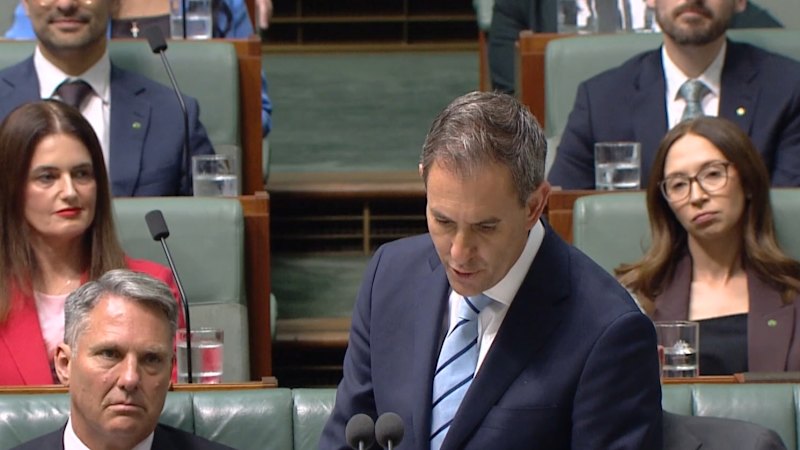
As of October 15, 2026, Australia's unemployment rate remained at 4.7%, reaching its highest level since October 2021 and surpassing market expectations for a steady rate. The Australian Bureau of Statistics reported an estimated 39,300 fewer Australians were employed in September compared to the previous month, while the number of unemployed people increased by 8,900. This uptick follows revisions that raised August's unemployment rate from 4.6% to 4.7%. The participation rate, which measures those in work or actively seeking employment, also fell unexpectedly to 66.8%, down from 67% the previous month. These figures come as inflation surges and as the Reserve Bank of Australia (RBA) raised interest rates to a 15-year high of 4.6% at the end of September. The RBA now faces pressure to halt further rate rises given the job market's weakening conditions, especially in states like NSW, where unemployment rose by 0.4 percentage points to 4.7%, and 35,000 jobs were lost during the month.

Written for “Australian Unemployment Rate Surges” on 2026-11-21, grounded in this article and the 3 other(s) covering the same event.

How they differ

3 outlets covered “Australian Unemployment Rate Surges”.

What each outlet says

One AI summary per outlet of its latest article on this story, written from that article alone and checked against it. Open the article for the outlet's own words.

Sydney Morning HeraldThis outlet15 Oct

The Australian Bureau of Statistics reported that the country's unemployment rate rose to 4.7% in September, marking its highest level since October 2021, following a significant drop in employment by 39,000 jobs and an increase in unemployment numbers to 732,000. This development is adding pressure on the Reserve Bank of Australia (RBA) to reconsider further interest rate hikes, with economists now suggesting that…

RBA on notice to hold off on rate rises as jobless rate hits 5-year high →2 articles from Sydney Morning Herald on this story

ABC News (AU)15 Oct

Australia's unemployment rate stayed steady at 4.7% in September, following an upward revision of August’s figures. This marks the highest post-COVID era level for joblessness in seasonally adjusted terms. Despite this stability, there were approximately 39,300 fewer people employed and an additional 8,900 individuals classified as unemployed, while the labor force participation rate dropped to 66.8%. The trend…

Unemployment rate remains at 4.7pc in September →
Daily Mail15 Oct

Australia's unemployment rate increased to 4.7% in September, marking a five-year high and surpassing market expectations of a decrease. The Australian Bureau of Statistics reported that employment fell by 39,300 jobs while unemployment rose by 8,900 people, leading to concerns about inflation and labor market stability. Treasurer Jim Chalmers is set to address global economic challenges at the IMF-World Bank annual…

Australia's unemployment rate hits five-year high as inflation surges under Albanese government →

Where they agree and split

Framing

How the first headlines put it

Stated as fact3
The headlines (3)

Unemployment rate remains at 4.7pc in September ABC News (Australia) · stated as fact

RBA on notice to hold off on rate rises as jobless rate hits 5-year high Sydney Morning Herald · stated as fact

Australia's unemployment rate hits five-year high as inflation surges under Albanese government Daily Mail · stated as fact

The full story: what happened, how it changed, and all 4 articles →

Compared with similar articles

This article reads unscored and hedges an unknown share of its claims. Each row says how that neighbour differs.
The Sydney Morning Herald
Outlet record 61/100
“The articles discuss unemployment trends but do not describe a single specific incident occurring at a particular time and place.”
The Sydney Morning Herald
Hedges 1 of 20 claims Outlet record 61/100
Daily Mail
Hedges 2 of 15 claims Outlet record 69/100
The Sydney Morning Herald
Hedges 1 of 22 claims Outlet record 61/100
“Article A focuses specifically on NSW unemployment, while Article B is broader and does not mention a particular state or region.”
ABC News (AU)
Hedges 0 of 5 claims Outlet record 67/100

Story

Australian Unemployment Rate Surges
Economy/Business · 4 article(s) covering the same event. Compare every outlet's account →
How this article was measured signals, leaning charts, publisher record, byline, topics and claims

Signals How these are calculated →

Claims extracted
0
sentences that state something as happening or true
Uncertain
no claims
nothing to measure
Leaning
not political
takes no side on a contested political question
Publisher signals
61/100
The Sydney Morning Herald's corrections and hedging, across everything collected from it. Not a measure of accuracy.
Outlets on this story
4
Economy/Business
Same framing elsewhere
none derived
Analyzed 2026-10-15 · how these are computed

How this is being covered How these are calculated →

Article leaning vs. publisher reliability
Source leaning vs. consistency

Publisher

The Sydney Morning Herald · 7798 article(s) · 16 correction(s) detected
Running correction rate · 16 correction(s)

Who wrote this

No reporter is named on this article.

Topics

No topics tagged.

Subjects

No subjects extracted.

Narrative

No narrative derived. That requires at least one asserted claim.

Claims (0 extracted, 0 hedged)

No claims extracted from this article.
Give feedback · no sign-in needed

No sign-in needed for now. Your note is sent without a name, so it cannot be answered.

History Support