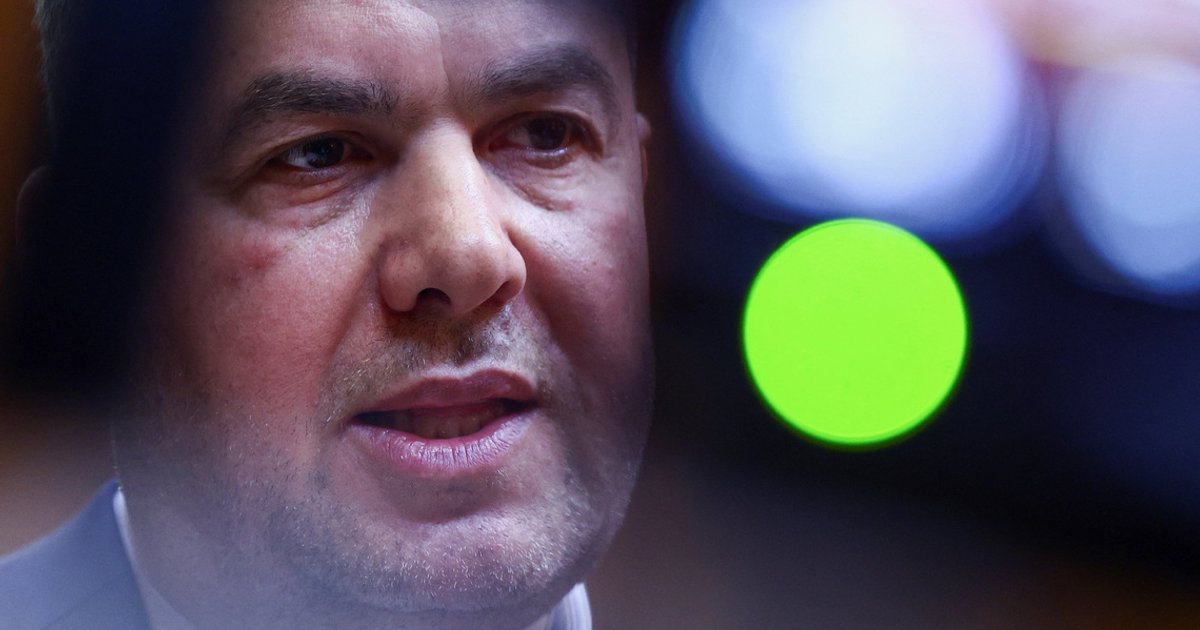
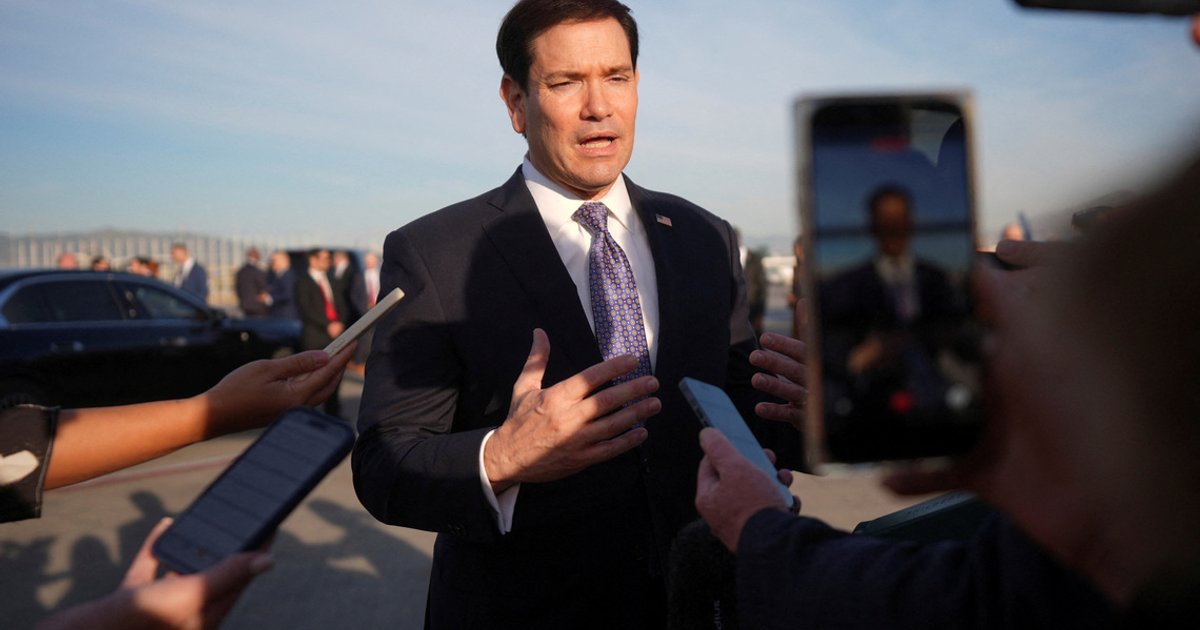
Photo via Al Jazeera

Division in Lebanon over Hezbollah’s confiscated explosives

Read the original at Al Jazeera ↗
Cite

Salhani, J. (2026, October 16). Division in Lebanon over Hezbollah’s confiscated explosives. Al Jazeera. https://www.aljazeera.com/news/2026/10/16/division-in-lebanon-over-hezbollahs-confiscated-explosives?traffic_source=rss

Dated from the outlet's own feed. Check the original for its byline.

Al Jazeera · collected 2026-10-16 · by Justin Salhani

Quick Summary

Lebanese security forces seized hundreds of kilograms of explosives including TNT and C-4 from a vehicle stopped at a checkpoint on October 5 in Dahr el-Baydar between the Bekaa Valley and Mount Lebanon. Hezbollah MP Hassan Fadlallah subsequently claimed these materials belonged to the group, intended for use against Israel. He warned that further actions by authorities could have consequences but assured they were not aimed internally. This incident has heightened political tensions with Hezbollah’s opponents fearing such explosives might be used domestically against them while Hezbollah asserts its right to maintain defensive capabilities against Israeli occupation.
Written by AI on 2026-10-16, from this article's own text only (the story summary below draws on all the coverage).
See how they differ ↓

AI analysis

Story summary

On October 5, Lebanese security forces intercepted an explosives-laden truck at the Dahr al-Baidar checkpoint between the Bekaa Valley and Mount Lebanon. The truck contained hundreds of kilograms of explosive materials including TNT and C-4. Prime Minister Nawaf Salam vowed a thorough investigation, labeling the incident as a “criminal operation.” On October 15, Hezbollah MP Hassan Fadlallah claimed that the explosives belonged to Hezbollah and were intended for attacks against Israel, not destabilization within Lebanon. The Lebanese government is under pressure to disarm Hezbollah as part of US-brokered talks with Israel this year. This incident highlights ongoing tensions between Hezbollah, which is backed by Iran, and the Lebanese government's efforts to comply with international demands.

Written for “Explosives Seizure Controversy In Lebanon” on 2026-11-21, grounded in this article and the 2 other(s) covering the same event.

How they differ

3 outlets covered “Explosives Seizure Controversy In Lebanon”.

What each outlet says

One AI summary per outlet of its latest article on this story, written from that article alone and checked against it. Open the article for the outlet's own words.

Al JazeeraThis outlet16 Oct

Lebanese security forces seized hundreds of kilograms of explosives including TNT and C-4 from a vehicle stopped at a checkpoint on October 5 in Dahr el-Baydar between the Bekaa Valley and Mount Lebanon. Hezbollah MP Hassan Fadlallah subsequently claimed these materials belonged to the group, intended for use against Israel. He warned that further actions by authorities could have consequences but assured they were…

Division in Lebanon over Hezbollah’s confiscated explosives (this article)
Toronto Star12 Oct

Lebanese Prime Minister Nawaf Salam announced on Monday that his government would conduct a thorough investigation into an explosives-laden truck intercepted at the Dahr al-Baidar checkpoint near the city of Beirut last week. The prime minister referred to the incident as a “criminal operation” and commended security forces for their actions in capturing the vehicle, which was suspected to be linked to militant…

Lebanon’s PM vows thorough investigation after explosives-laden truck seized at checkpoint →
The Straits Times15 Oct

Hezbollah confirmed that explosives confiscated last week by Lebanese security forces in the eastern Bekaa region belonged to them, stating their intent was to use these materials against Israel, not for internal attacks within Lebanon. The group’s lawmaker Hassan Fadlallah told reporters at the Lebanese parliament on Thursday that Hezbollah had contacted authorities to clarify ownership and demanded the return of…

Hezbollah says it owned confiscated explosives, meant to attack Israel →

Where they agree and split

The full story: what happened, how it changed, and all 3 articles →

Compared with similar articles

This article reads unscored and hedges 21% of its claims. Each row says how that neighbour differs.
The Straits Times
Leans left Hedges 0 of 14 claims Outlet record 64/100
Al Jazeera
Leans left Hedges 3 of 53 claims Outlet record 60/100
“Article A discusses the confiscation of explosives from a minivan, while Article B talks about Hezbollah's financial support plan for families affected by war with Israel.”
Toronto Star
Hedges 0 of 2 claims Outlet record 64/100
“The articles describe different vehicles (a truck in Article A and a minivan in Article B) carrying explosives at the same checkpoint, suggesting they might be reporting on separate incidents or different aspects of an ongoing situation.”
The Straits Times
Hedges 0 of 13 claims Outlet record 64/100
“Article A reports on a conversation between US Secretary of State Marco Rubio and Lebanese President Joseph Aoun regarding confiscated explosives from Hezbollah, while Article B describes the initial confiscation of explosives by Lebanese security forces at a checkpoint.”

Story

Explosives Seizure Controversy In Lebanon
Politics · 3 article(s) covering the same event. Compare every outlet's account →
How this article was measured signals, leaning charts, publisher record, byline, topics and claims

Signals How these are calculated →

Claims extracted
42
sentences that state something as happening or true
Uncertain
21%
9 of 42 hedged ("reportedly", "may", "according to")
Leaning
withheld
no quote in the article backed the model's score
Publisher signals
60/100
Al Jazeera's corrections and hedging, across everything collected from it. Not a measure of accuracy.
Outlets on this story
3
Politics
Same framing elsewhere
1
articles that frame the event the way this one does
Analyzed 2026-10-16 · how these are computed

How this is being covered How these are calculated →

Article leaning vs. publisher reliability
Source leaning vs. consistency

Publisher

Al Jazeera · 6194 article(s) · 4 correction(s) detected
Running correction rate · 4 correction(s)

Who wrote this

Justin Salhani
13 article(s) here · 1 carrying a prediction
Iraq’s Prime Minister Ali al-Zaidi is set to visit Lebanon on his latest regional visit aimed at boosting economic cooperation amid the fallout from the US-Israel war on Iran.
Lebanon’s second airport is scheduled to begin operating test flights on Independence Day, November 22, in what experts and analysts say could prove to be a boon to the country after years of war and an economic collapse.
Recommended Stories list of 3 items- list 1 of 3‘Greater Israel’: Christian Zionism’s role in US policy - list 2 of 3US election results could be positive for Lebanon, Hezbollah chief says - list 3 of 3More
“The Syrian role would probably count for more in Riyadh than on Yemen’s front lines because it would show that the new Syria can share a partner’s security burden,” Nanar Hawach, a Syrian analyst, told Al Jazeera, adding that even a training and support role from the Syrian government rather than a direct combat role would satisfy Riyadh. “The reports and the denials can both be partly right since Syrian officers training Yemeni forces inside the kingdom is different from Syrian troops fighting in Yemen.
When a government led by reformists took control in early 2025, there was hope that the situation would improve.
Recommended Stories list of 3 items- list 1 of 3Hezbollah funding plan indicates a new challenge to Lebanon’s government - list 2 of 3Lebanese sceptical Israeli polls will bring change, end occupation of south - list 3 of 3How to stop the US-Israel war on Iran
“If people feel Damascus is more concerned with protecting the relationship with the Jordanians than accountability, some of the anger could turn inward.”
“Along its line in Quneitra and Daraa [areas of southern Syria that Israel has invaded], Israel treats neighbouring communities differently, reviving wartime grievances between Syrians that any future Syria-Israel arrangement would struggle to undo.”
As Israel’s October 27 election nears, so does the possibility that the government that has overseen the invasion and reoccupation of southern Lebanon could be deposed.
Last week, Hezbollah announced it would provide financial support to families in Lebanon who had lost their homes in the latest war with Israel.
Also by Justin Salhani
Nothing else under this byline is closely related to this article, so these are simply their most recent.
All 13 articles by Justin Salhani →

Topics

Hezbollah Israel Israeli Lebanese Lebanon

Subjects

Hezbollah ORG · 11× Lebanese NORP · 8× Lebanon GPE · 5× Israel GPE · 4× Israeli NORP · 4× Salam PERSON · 4× Beirut GPE · 2× Dahr el-Baydar GPE · 2× Fadlallah PERSON · 2× 3Rubio ORG · 1×

Narrative

Marcel Baloukji, a former brigadier general who oversaw the Lebanese Army’s border committee with Syria, told Al Jazeera that the recent busts, and particularly the Dahr el-Baydar incident, were connected to the security situation in the wider region, particularly concerning the US-Israeli war on Iran and the recent intensification of violence between Yemen’s Houthis and Saudi Arabia.
framing: mixed · carried by 1 article(s) · first seen 2026-10-16
“[Hezbollah] will defend its people’s rights and the capabilities it uses to confront the Israeli enemy and it will not tolerate any targeting by any party implementing American demands against our resistance.
2026-10-16 · Al Jazeera
Division in Lebanon over Hezbollah’s confiscated explosives · mixed framing

Claims (42 extracted, 9 hedged)

Beirut, Lebanon – On October 5, a minivan was stopped at a checkpoint in Dahr el-Baydar between the Bekaa Valley and Mount Lebanon region. asserted
minivan → stop → region
Lebanese security forces discovered the car was carrying hundreds of kilos of explosive materials, including TNT and C-4, according to Lebanese officials. uncertain
car → discover → officials
Recommended Stories list of 3 items- list 1 of 3Rubio presses Lebanon on confiscation of weapons from Hezbollah - list 2 of 3Qatar announces ‘massive’ solar plant project in Lebanon - list 3 of 3‘Trying to dominate’: In Cyprus, some fear Israel’s growing influence asserted
some → press → influence
On Thursday, Hezbollah MP Hassan Fadlallah released a statement saying that the explosives belonged to Hezbollah which had demanded their return, along with the release of the two people detained in the vehicle. asserted
which → release → vehicle
“From the moment the vehicle was detained, the relevant bodies within [Hezbollah] immediately contacted the security and judicial agencies and informed them that the vehicle and its cargo belonged to the resistance,” Fadlallah said in his statement. asserted
Fadlallah → detain → statement
“They demanded the immediate release of those detained and the return of the vehicle and everything inside it, as these are capabilities used by the resistance to confront the Israeli occupation of our land in the south [of Lebanon].” asserted
these → demand → Lebanon
Fadlallah indicated that the explosives were for use against Israel, which continues to occupy large parts of southern Lebanon, and not internally against the Lebanese government or other factions, as some political figures and analysts had suggested. uncertain
figures → indicate → government
“We therefore warn the [Lebanese] authorities of the consequences of continuing to escalate their measures,” he said. asserted
he → warn → measures
“[Hezbollah] will defend its people’s rights and the capabilities it uses to confront the Israeli enemy and it will not tolerate any targeting by any party implementing American demands against our resistance. asserted
it → defend → resistance
But many of Hezbollah’s political opponents, who blame the Iranian-backed group for targeting political opponents in assassinations in the past, fear that smuggled explosives will be turned against Hezbollah’s detractors. asserted
explosives → blame → detractors
Lebanese Prime Minister Nawaf Salam pointed out that C-4 explosives had been used in previous assassinations, although investigators have not established that the seized shipment was intended for such an attack. asserted
shipment → point → attack
Hezbollah has never admitted carrying out assassinations, despite repeated accusations against it, including the killing of former Lebanese Prime Minister Rafik Hariri in 2005. asserted
Hezbollah → admit → 2005
On March 2, when Hezbollah responded to ongoing Israeli attacks for the first time in over a year in retaliation for the killing of Iran’s Supreme Leader Ayatollah Ali Khamenei, Salam and his government banned the group’s military activities. asserted
Salam → respond → activities
Salam’s coalition government includes two Hezbollah ministers who opposed the decision and the group has repeatedly defied the government’s declaration by continuing to fight Israel. asserted
group → include → Israel
Fighting has largely subsided since June, when Beirut and Tel Aviv signed a US-administered trilateral framework agreement. asserted
Beirut → subside → agreement
Under the deal, pilot zones would be established as part of a phased process in which Israel would eventually withdraw its troops and the Lebanese Army would enter to disarm Hezbollah. asserted
Army → establish → Hezbollah
However, the programme has had complications from the start as Israel never had a presence in some of the areas included in the pilot zones, according to locals, and Israeli demolitions continue in the areas under its occupation. In recent weeks, Lebanese security forces have uncovered a number of operations aimed at smuggling explosives. uncertain
forces → have → explosives
Lebanese officials have condemned the smuggling operations and Salam has vowed to investigate the incidents, particularly the Dahr el-Baydar incident. asserted
Salam → condemn → incidents
“We will not be lenient in following up and expanding the investigation in order to identify all those involved in this criminal operation and those behind them,” Salam wrote on social media. asserted
Salam → follow → media
“We will deal with weapons outside the legal framework with the required firmness.” asserted
We → deal → firmness
But the issue also points to growing disagreements between Lebanon’s government and Hezbollah’s leadership over the role of armed resistance. asserted
issue → point → resistance
Since the end of Lebanon’s civil war in 1990, Hezbollah has been the principal Lebanese force to keep its weapons. asserted
Hezbollah → keep → weapons
This was ostensibly part of a national security formula of “the army, the people and the resistance” aimed at opposing Israeli occupation – which continued until 2000 before resuming in 2024 – and aggression, while the country was also under Syrian hegemony. asserted
country → aim → hegemony
That changed last year when President Joseph Aoun and Prime Minister Salam came to power. asserted
Aoun → change → power
The Hezbollah allied al-Assad regime in Damascus had just fallen, cutting off a powerful land route of weapons and financing from Tehran. asserted
regime → ally → Tehran
The regional power dynamic appeared to be shifting towards a decrease in Iranian power and more influence from the United States and Israel, leading Lebanon’s leaders to announce that all non-state weapons would come under control of the state. asserted
weapons → appear → state
Despite Hezbollah’s opposition to the new leaders’ decrees, the Lebanese Army went about disarming Hezbollah sites in southern Lebanon. asserted
Army → go → Lebanon
Some Hezbollah opponents have declared the group weak and defeated, though analysts say the group still retains some fighting power and that Lebanon’s regional alliances could largely be determined by regional events. uncertain
alliances → declare → events
Still, the group’s domestic influence has been challenged at times by the new Lebanese leadership, including in the Dahr el-Baydar incident. asserted
influence → challenge → incident
Marcel Baloukji, a former brigadier general who oversaw the Lebanese Army’s border committee with Syria, told Al Jazeera that the recent busts, and particularly the Dahr el-Baydar incident, were connected to the security situation in the wider region, particularly concerning the US-Israeli war on Iran and the recent intensification of violence between Yemen’s Houthis and Saudi Arabia. asserted
busts → oversee → Houthis
He suggested that Hezbollah could be looking to follow the lead of other pro-Iranian actors in the region and intensify attacks against adversaries. uncertain
Hezbollah → suggest → adversaries
But he also added that Hezbollah may need explosives for drones to attack Israeli forces occupying southern Lebanon. uncertain
Hezbollah → add → Lebanon
Despite the promises by Lebanese officials to investigate, analysts said concerns remain about how effective the investigations might be. uncertain
investigations → investigate → officials
Issam Kayssi, a Beirut-based analyst at the Carnegie Middle East Center, raised questions over Salam’s relationship with the Lebanese security apparatus. asserted
Kayssi → base → apparatus
Lebanon has multiple security agencies, some of which have competing loyalties to different political figures or parties. asserted
some → have → figures
“We are more than a year on from the Raouche incident,” he said, referring to a Hezbollah event held on Beirut’s seafront in 2025 to commemorate the assassination of the group’s late leaders Hassan Nasrallah and Hashem Safieddine. asserted
he → say → leaders
Hezbollah projected the likeness of the two slain leaders on Pigeon Rock in Beirut’s Raouche seafront district, despite the projections being prohibited by authorities, prompting Salam to call for the arrest of those responsible. asserted
projections → project → those
Security agents on site failed to act to prevent the projections and observers fear that elements of the security agencies may not be fully cooperative with Salam in the explosives investigations he ordered. uncertain
he → fail → investigations
Baloukji described Salam’s relationship with the security agencies as “somewhat strained.” asserted
Baloukji → describe → agencies
He added that it could be the latest file in a series of difficulties facing the Lebanese government, as Israel’s occupation and ongoing demolition of southern infrastructure continue. uncertain
occupation → add → infrastructure
…and 2 more, not listed.
Give feedback · no sign-in needed

No sign-in needed for now. Your note is sent without a name, so it cannot be answered.

History Support