Photo via Los Angeles Times

Mexico's beleaguered Pacific coast braces for another storm in record hurricane year

Read the original at Los Angeles Times ↗
Cite

Linthicum, K., & Vidal, C. S. (2026, October 18). Mexico's beleaguered Pacific coast braces for another storm in record hurricane year. Los Angeles Times. https://www.latimes.com/world-nation/story/2026-10-18/mexico-hurricane-pacific-coast

Dated from the outlet's own feed. Check the original for its byline.

Los Angeles Times · collected 2026-10-18 · by Kate Linthicum, Cecilia Sánchez Vidal

Quick Summary

Mexico’s Pacific coast is struggling with continuous damage from multiple hurricanes this year, which has set a record for the most hurricanes since 2018. Experts attribute this to El Niño and climate change, leading to stronger, longer-lasting storms. The latest threat, Hurricane Trudy, adds to existing flood and mudslide issues, leaving little time for recovery before the next storm hits.
Written by AI on 2026-10-18, from this article's own text only (the story summary below draws on all the coverage).
See how they differ ↓

AI analysis

Story summary

Hurricane Trudy brought heavy rain and strong winds to parts of Mexico's Pacific coast, impacting sections of Colima, Jalisco, and Michoacán states. The storm weakened from a major Category 3 hurricane to a Category 2 as it tracked parallel to the Mexican coastline. As of October 18, Trudy had maximum sustained winds of 105 mph (165 kph) and was located about 150 miles west of Manzanillo, moving northwest at 10 mph (17 kph). The National Hurricane Center forecasted rapid weakening by the night of October 18. Expected rainfall ranges from four to eight inches across parts of Michoacán, Colima, and Jalisco, with isolated areas potentially receiving up to twelve inches, increasing the risk of life-threatening flooding and mudslides. Warnings were issued for mariners and coastal residents due to high waves and storm surge risks along exposed coastlines. The Mexican navy urged extreme caution regarding heavy rain, rising rivers, flooding, and landslides in vulnerable regions. Colima authorities noted that while current risks remained low, the potential for damage from saturated ground was significant. Trudy is forecasted to remain near the coast through Sunday evening before weakening further and moving south of Baja California Sur on Monday and Tuesday. Typhoon Champi also intensified into a Category 4 super typhoon as it passed Guam. Hurricane warnings were in effect from Manzanillo to Cabo Corrientes, with tropical storm warnings for Las Islas Marias and the coast east of Punta San Telmo to Lazaro Cardenas. Authorities advised continued caution due to potential impacts from successive storms along the Pacific coast.

Written for “Hurricane Trudy Threatens Mexico” on 2026-11-21, grounded in this article and the 15 other(s) covering the same event.

How they differ

9 outlets covered “Hurricane Trudy Threatens Mexico”.

What each outlet says

One AI summary per outlet of its latest article on this story, written from that article alone and checked against it. Open the article for the outlet's own words.

Los Angeles TimesThis outlet18 Oct

Mexico’s Pacific coast is struggling with continuous damage from multiple hurricanes this year, which has set a record for the most hurricanes since 2018. Experts attribute this to El Niño and climate change, leading to stronger, longer-lasting storms. The latest threat, Hurricane Trudy, adds to existing flood and mudslide issues, leaving little time for recovery before the next storm hits.

Mexico's beleaguered Pacific coast braces for another storm in record hurricane year (this article)
The Straits Times18 Oct

Hurricane Trudy brought heavy rain and strong winds to southwestern Mexico early Sunday, maintaining its strength at 105 mph (165 kph) while moving northwest at about 10 mph (17 kph). The storm is forecast to weaken overnight after tracking parallel to the Pacific coast through Sunday evening. Expected rainfall of four to eight inches (10 to 20 cm), with isolated totals up to 12 inches, poses significant risks for…

Hurricane Trudy lashes Mexico's Pacific coast, but is set to weaken tonight →3 articles from The Straits Times on this story
New York Post18 Oct

Hurricane Trudy hit Mexico’s Pacific coast as a Category 2 hurricane with winds of 105 mph, moving northwest at 10 mph. It caused warnings for areas including Manzanillo and Cabo Corrientes, while the Mexican navy warned of high waves, heavy rain, flooding risks, and potential mudslides. The storm was expected to bring 4-8 inches of rainfall through the weekend with isolated totals up to 12 inches in some regions…

Hurricane Trudy brings heavy rain and strong winds to Mexico’s Pacific coast →3 articles from New York Post on this story
Toronto Star18 Oct

Hurricane Trudy hit parts of Mexico’s Pacific coast on Sunday, bringing heavy rain and strong winds. The U.S. National Hurricane Center issued warnings about potential flooding and mudslides, with a hurricane warning in effect from Manzanillo to Cabo Corrientes. As of the latest data, Hurricane Trudy was categorized as a Category 2 storm with maximum sustained winds of 100 mph, located approximately 135 miles south…

Hurricane Trudy brings heavy rain and strong winds to Mexico’s Pacific coast →3 articles from Toronto Star on this story
The Independent18 Oct

Hurricane Trudy hit Mexico’s Pacific coast early on Sunday with Category 2 strength, bringing sustained winds of 100 mph and heavy rainfall. A hurricane warning is in effect along parts of Colima and Jalisco states, while the storm is expected to move close to the Baja California Peninsula before weakening. The storm could cause up to 8 inches of rain in some areas, leading to flooding and mudslides. Meanwhile…

Hurricane Trudy batters Mexico’s Pacific coast with heavy rain and strong winds →2 articles from The Independent on this story
Times of India16 Oct

Hurricane Trudy intensified into a major Category 3 hurricane, with maximum sustained winds of 120 mph, moving northwest toward southwestern Mexico’s Pacific coast at 6 mph. As of early Friday, the storm was located about 250 miles southwest of Acapulco and 355 miles south-southeast of Manzanillo. A hurricane warning was issued for a coastal stretch from Cabo Corrientes to Punta San Telmo, while a tropical storm…

Hurricane Trudy becomes major Category 3 storm near Mexico's Pacific Coast →
Show 3 more outlets
Al Jazeera17 Oct

Hurricane Trudy approached Mexico's western coast on Saturday with maximum sustained winds of 150 km/h and was about 305km southeast of Manzanillo, moving at 13 km/h. The hurricane warning covered a stretch from Manzanillo in Colima to Cabo Corrientes in Jalisco. Forecasters warned that Trudy could bring up to 38cm of rain, causing life-threatening flooding and landslides, particularly in steep terrain across…

Hurricane Trudy makes its way towards Mexico, threatening heavy rain →
The Guardian17 Oct

Hurricane Trudy intensified to a category 2 hurricane as it approached Mexico’s southwestern Pacific coast on Saturday, with maximum sustained winds of 100 mph (155 km/h). A hurricane warning was issued from Manzanillo to Cabo Corrientes, and the storm was expected to approach the Mexican coastline by late Saturday or early Sunday. Trudy is forecasted to bring 4-8 inches (10-20 cm) of rain through the weekend, with…

Hurricane Trudy strengthens to category 2 as it heads toward Mexico →
CBS News18 Oct

Hurricane Trudy impacted Mexico's Pacific coast on Sunday with heavy rain and winds reaching 105 mph as a Category 2 hurricane. The National Hurricane Center warned of life-threatening flooding and mudslides in coastal regions of Michoacán, Colima, and Jalisco due to expected rainfall of 4 to 8 inches, with some areas receiving up to 12 inches. Meanwhile, Typhoon Champi passed Guam as a Category 4 super typhoon with…

Hurricane threatens to bring flooding, mudslides to Mexico's Pacific Coast →

Where they agree and split

Agreed

AI · cited, from two or more outlets

  • A hurricane warning was in effect from Manzanillo in Colima state to Cabo Corrientes in Jalisco.24
Quoted from the coverage (4)

The country’s navy urged mariners and coastal residents to exercise extreme caution amid high waves, heavy downpours, and risks of flash flooding and mudslides in vulnerable zones.

5 outlets

Data from the U.S. National Hurricane Center in Miami placed the storm roughly 300 miles (480 kilometers) southwest of Acapulco, Mexico, recording maximum sustained winds of 75 mph (120 kph).

4 outlets

Early Friday, Trudy was located around 250 miles (400 kilometres) southwest of Acapulco and approximately 355 miles (570 kilometres) south-southeast of Manzanillo, according to the US National hurricane center in Miami.

4 outlets

The governors of Guam and the Northern Mariana Islands both requested emergency disaster declarations on Friday.

4 outlets

Disputed

Picked by our model, which is sometimes wrong

  • The Straits Times reported Trudy as a Category 1 hurricane, while the Times of India stated it had intensified into a major Category 3 storm.56

Framing

How the first headlines put it

  • The Straits Times and New York Post both emphasized the severe rainfall expected from Hurricane Trudy, while The Independent highlighted its strengthening into a huge storm.157
  • Times of India focused on Trudy becoming a major Category 3 storm near Mexico's Pacific Coast, whereas Al Jazeera and The Guardian reported it as moving towards the coast with heavy rain expected.628
Stated as fact4
The headlines (4)

Hurricane Trudy looms over Mexico's Pacific coast, severe rainfall expected The Straits Times · stated as fact

Hurricane Trudy looms over Mexico’s Pacific coast as it strengthens into huge storm The Independent · stated as fact

Hurricane Trudy strengthens off Mexico’s coast with major storm expected New York Post · stated as fact

Hurricane Trudy strengthens to a Category 3 storm off Mexico's Pacific coast Toronto Star · stated as fact

The full story: what happened, how it changed, and all 16 articles →

Compared with similar articles

This article reads leans left and hedges 6% of its claims. Each row says how that neighbour differs.
Toronto Star
Hedges 0 of 3 claims Outlet record 64/100
“The articles describe different stages and impacts of storms affecting Mexico's Pacific coast, not the same specific incident.”
The Independent
Hedges 4 of 20 claims Outlet record 59/100
CBS News
Hedges 5 of 24 claims Outlet record 66/100
The Straits Times
Hedges 0 of 6 claims Outlet record 64/100
New York Post
Hedges 4 of 20 claims Outlet record 66/100
Daily Mail
Leans left Hedges 4 of 21 claims Outlet record 69/100
“The articles describe different locations and preparations against different storms, not the same specific incident.”
CBS News
Hedges 5 of 45 claims Outlet record 66/100
“The articles refer to different stages of storms affecting Mexico's Pacific coast; Article A discusses Hurricane Simon hitting after Tropical Storm Rachel, while Article B mentions bracing for another storm following recent damage.”
Toronto Star
Hedges 1 of 2 claims Outlet record 64/100
“Article A describes Hurricane Trudy approaching Mexico's coast on a specific date, while Article B discusses the broader context and aftermath of multiple storms hitting Mexico's Pacific coast this year.”
The Guardian
Hedges 3 of 16 claims Outlet record 64/100
“Article A reports on Hurricane Trudy as it strengthens to a category 2 hurricane and heads towards Mexico's Pacific coast, while Article B focuses more broadly on Mexico bracing for another storm in the context of an unusually active hurricane year. The articles do not describe the same specific incident.”
New York Post
Hedges 3 of 12 claims Outlet record 66/100
“Article A describes Hurricane Trudy's movement and strengthening towards Mexico's west-central Pacific coast on a specific date, while Article B discusses general bracing for another storm in a record hurricane year with broader context.”

Story

Hurricane Trudy Threatens Mexico
Environment · 16 article(s) covering the same event. Compare every outlet's account →
How this article was measured signals, leaning charts, publisher record, byline, topics and claims

Signals How these are calculated →

Claims extracted
36
sentences that state something as happening or true
Uncertain
6%
2 of 36 hedged ("reportedly", "may", "according to")
Leaning
Leans left
of the writing, not the subject · beta estimate
Publisher signals
95/100
Los Angeles Times's corrections and hedging, across everything collected from it. Not a measure of accuracy.
Outlets on this story
16
Environment
Same framing elsewhere
1
articles that frame the event the way this one does
Analyzed 2026-10-18 · how these are computed

How this is being covered How these are calculated →

Article leaning vs. publisher reliability
Source leaning vs. consistency

Publisher

Los Angeles Times · 341 article(s) · 0 correction(s) detected
No corrections detected for this publisher. That may mean careful reporting, or simply that nothing has been checked.

Who wrote this

Kate Linthicum
5 article(s) here · 1 carrying a prediction
On Friday, Leo will travel north to Chiclayo, celebrating mass with a community that remembers him as an activist priest who was particularly close to his parishioners.
And more are predicted.
But other Nicaraguans are being sent home, despite warnings from human rights advocates that such deportations may violate the international ban on “refoulement” — returning someone to a country where they face persecution or torture.
“It will fall.”
Danger lurked in the shady groves of avocado trees that stretched on the mountainsides as far as the eye could see.
Also by Kate Linthicum
Nothing else under this byline is closely related to this article, so these are simply their most recent.
Cecilia Sánchez Vidal
2 article(s) here · 1 carrying a prediction
And more are predicted.
The release of the lists comes as Sheinbaum’s administration prepares new ‘audience rights’ rules that would discourage television and radio outlets from broadcasting what the government calls ‘false’ information.
Also by Cecilia Sánchez Vidal
Nothing else under this byline is closely related to this article, so these are simply their most recent.

Topics

El Niño Guerrero Mexico Nayarit Trudy

Subjects

Mexico GPE · 6× Acapulco GPE · 3× Flores PERSON · 2× Guerrero GPE · 2× Nayarit GPE · 2× Trejo ORG · 2× Javier Soto PERSON · 1× MEXICO CITY GPE · 1× Puerto Vallarta GPE · 1× Soto PERSON · 1×

Narrative

But many say this year feels different because long-lasting storms have hit in quick succession, giving residents little chance to clean up and dry out. “You haven’t even recovered from one storm when the next one arrives,” said Ricardo Trejo, 43, a restaurant manager in Acapulco.
framing: assertive · carried by 1 article(s) · first seen 2026-10-18
And more are predicted.

Claims (36 extracted, 2 hedged)

Mexico’s beleaguered Pacific coast braces for another storm in record hurricane year asserted
coast → brace → year
Mexico’s Pacific coast is still cleaning up flood and mudslide damage as another major storm threatens - asserted
storm → clean → damage
Ten hurricanes have formed in the eastern Pacific this year, the most since 2018. asserted
hurricanes → form → 2018
Experts say El Niño and climate change are fueling unusually strong and long-lasting storms. asserted
Niño → say → storms
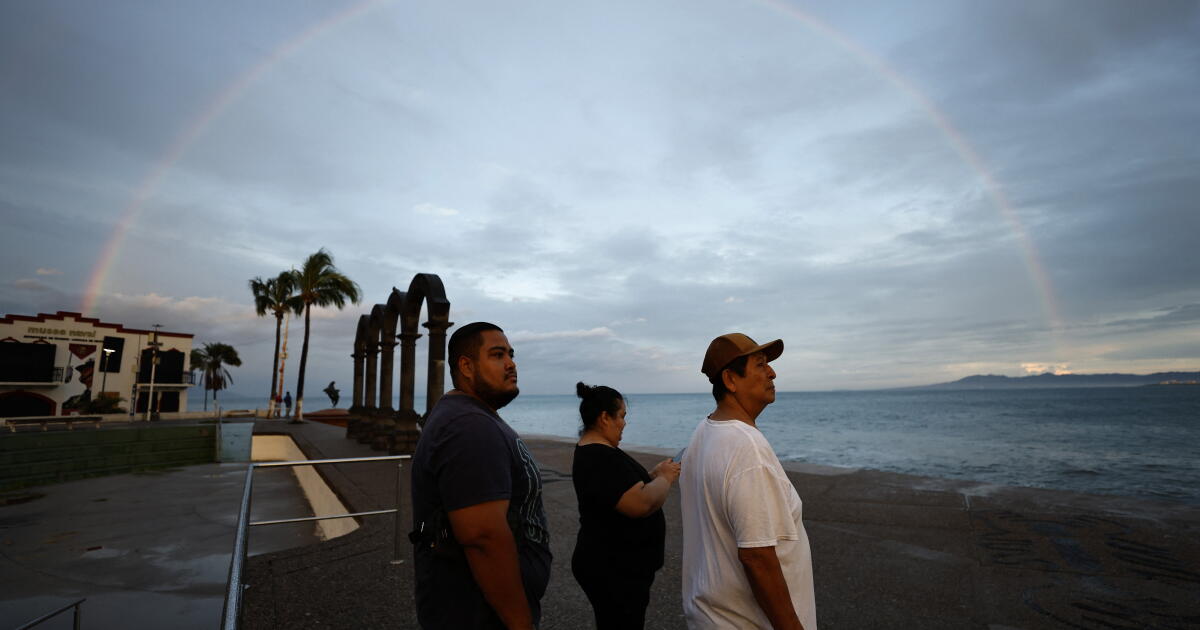
Javier Soto and his neighbors had just begun cleaning up flood and mudslide damage from the last hurricane when another major storm began brewing in the Pacific Ocean, once again threatening their community north of Puerto Vallarta. asserted
storm → begin → Vallarta
“We get through one storm only to face another,” said Soto, 39, a travel agent in the beach town of Bahía de Banderas, where it has been raining for weeks straight. asserted
it → get → weeks
“It feels like a tunnel with no exit in sight.” asserted
It → feel → sight
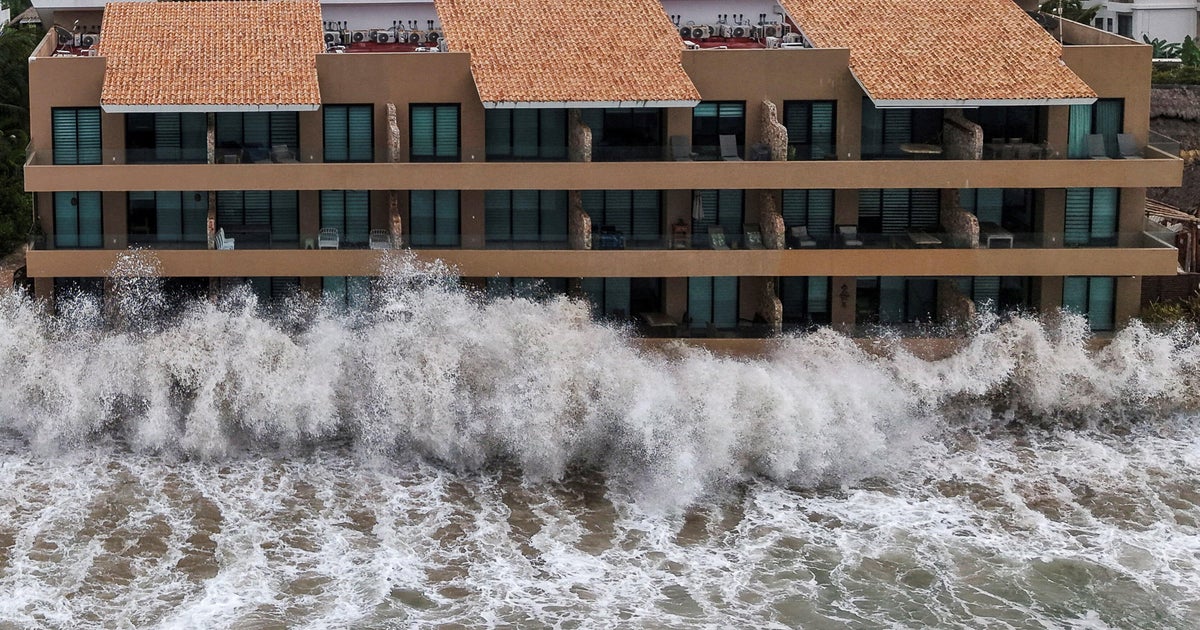
A record-shattering hurricane season in the eastern Pacific has been battering Mexico’s Pacific coast, bringing death and destruction to states including Guerrero, Jalisco, Nayarit, Colima and Baja California. asserted
season → shatter → Guerrero
Ten hurricanes have formed in the eastern Pacific so far this year, the most since 2018. asserted
hurricanes → form → 2018
And more are predicted. asserted
more → predict → ?
Meteorologists say a powerful El Niño and warmer ocean temperatures caused by climate change have super charged the storms, which have lasted longer than usual and have sustained stronger winds than is typical. asserted
which → say → winds
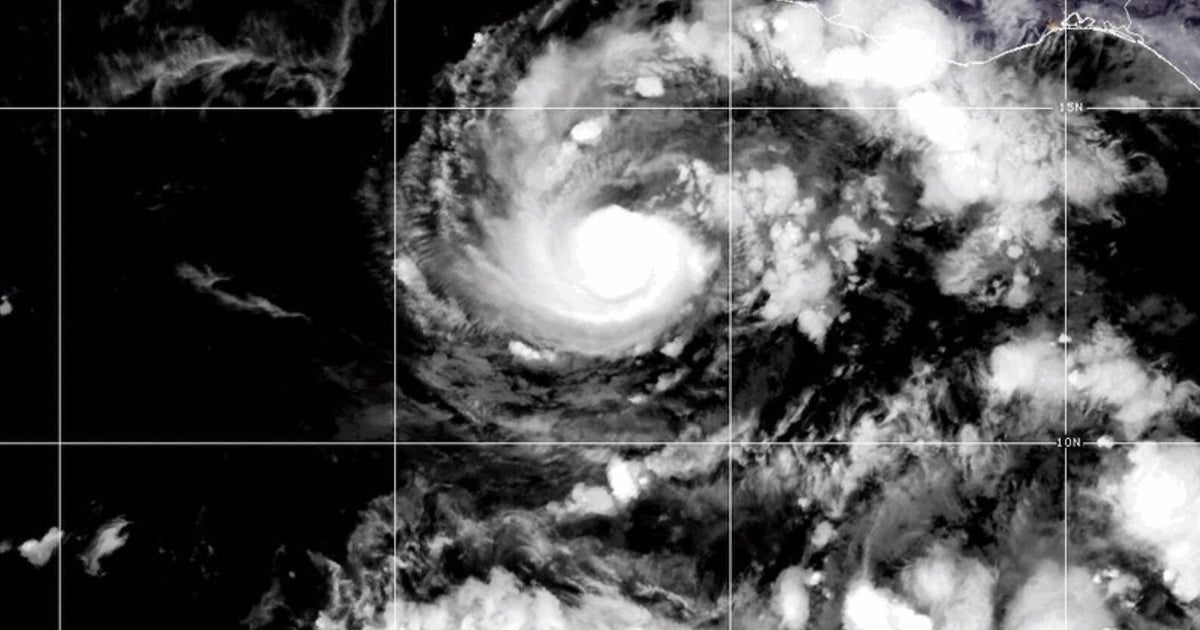
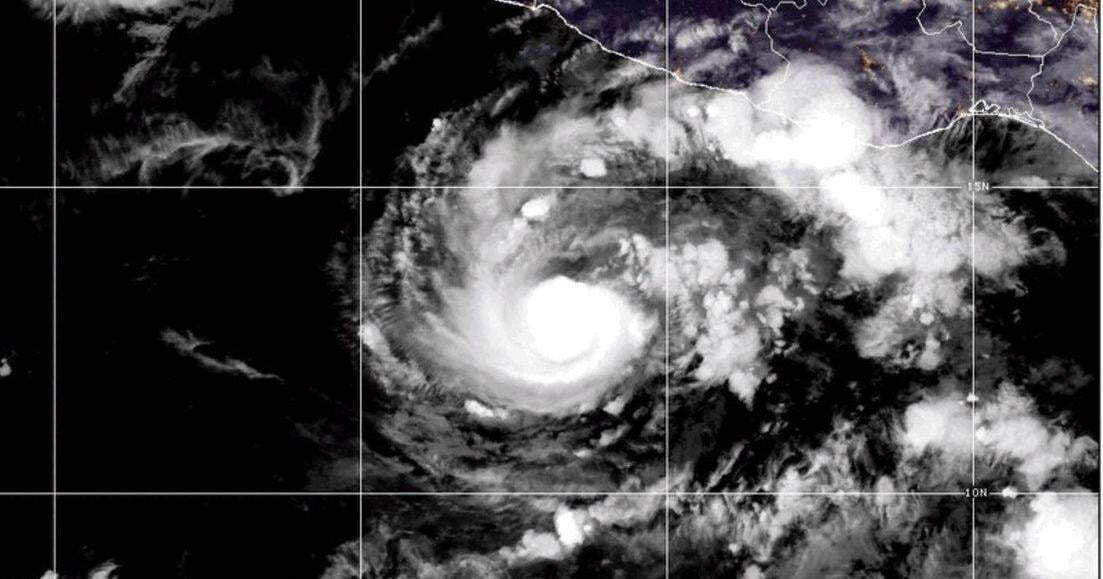
The latest storm is Trudy, a Category 1 hurricane that was expected to pass Mexico’s southwestern coast on Sunday. asserted
that → expect → Sunday
Authorities from Guerrero to Nayarit warned that Trudy could strengthen, and said heavy rainfall could cause major damage because the ground is already saturated from previous storms. uncertain
ground → warn → storms
But many say this year feels different because long-lasting storms have hit in quick succession, giving residents little chance to clean up and dry out. “You haven’t even recovered from one storm when the next one arrives,” said Ricardo Trejo, 43, a restaurant manager in Acapulco. asserted
Trejo → say → Acapulco
The famed resort town was hit by Hurricane Polo in late September and again by Hurricane Simon days later. asserted
town → hit → Simon
As Trudy approached this week, Trejo and his staff found themselves once again boarding up their seaside cafe — while bracing themselves for lost income and potential damage. asserted
themselves → approach → income
“Every hurricane leaves behind disaster and financial loss,” Trejo said. asserted
Trejo → leave → disaster
“Tourism drops, work is lost, families suffer, kids miss school.” asserted
kids → drop → school
The Baja California Peninsula has also been battered by a series of powerful storms — first Polo and then Rachel. asserted
Peninsula → batter → storms
Authorities said eight people were killed in Ensenada, a beach town just south of the U.S. border. asserted
people → say → border
Residents there say roads and beaches are still badly damaged, and that more government support is needed. “We are asking the government to declare a disaster zone so that more financial resources will arrive,” said Gerardo Gutiérrez, 56. asserted
Gutiérrez → say → zone
“We neighbors are cleaning everything by ourselves.” asserted
We → clean → ourselves
Roberto Flores, a 53-year-old shop owner in Loreto, an even more remote town on the Baja Peninsula, said locals were also waiting for more help from federal authorities. asserted
locals → say → authorities
“We survive here because we help one another — neighbors helping neighbors,” Flores said. asserted
Flores → survive → neighbors
“Were it not for that, we would be completely abandoned.” asserted
we → abandon → that
Flores and others said they were unnerved by this year’s storm season, and worried that it was a consequence of humans throwing the natural world out of balance. asserted
humans → say → balance
“Those of us who live here know that hurricanes are normal, but what isn’t normal is having them one after another without a break, and all of them severe,” he said. asserted
he → live → them
In 2023, Mexico’s Pacific coast was hit by its most powerful storm on record, Otis, which slammed into Acapulco as a Category 5 hurricane after strengthening rapidly. asserted
which → hit → hurricane
Meteorologists blamed its rapid growth on unseasonably warm ocean temperatures triggered by El Niño and human-caused climate change. asserted
Meteorologists → blame → Niño
Dozens of people were killed and Acapulco suffered billions of dollars in damage. asserted
Acapulco → kill → damage
Graciela Ramírez, a 49-year-old cook in Puerto Vallarta, said she worried that powerful storms were the new normal. asserted
storms → say → Vallarta
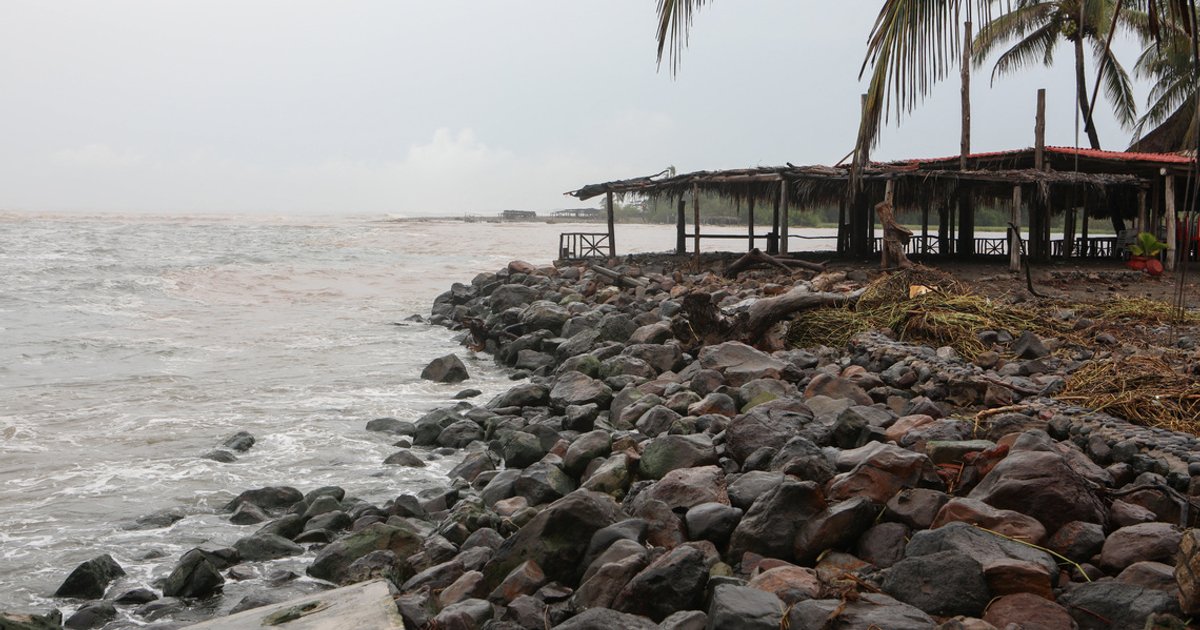
Her working-class neighborhood was badly damaged in earlier storms this year — with homes flooded and landslides wiping out streets. asserted
landslides → damage → streets
Now she and her family were packing their bags to go to a shelter to wait out Trudy. asserted
she → pack → Trudy
“Here we go again, she said. asserted
she → go → ?
“We’re left without work, living in fear that the hurricane might strike with full force and we could lose everything.” uncertain
we → leave → everything
Linthicum reported from Santa Fe, New Mexico, and Sánchez from Mexico City. asserted
Linthicum → report → City
Give feedback · no sign-in needed

No sign-in needed for now. Your note is sent without a name, so it cannot be answered.

History Support