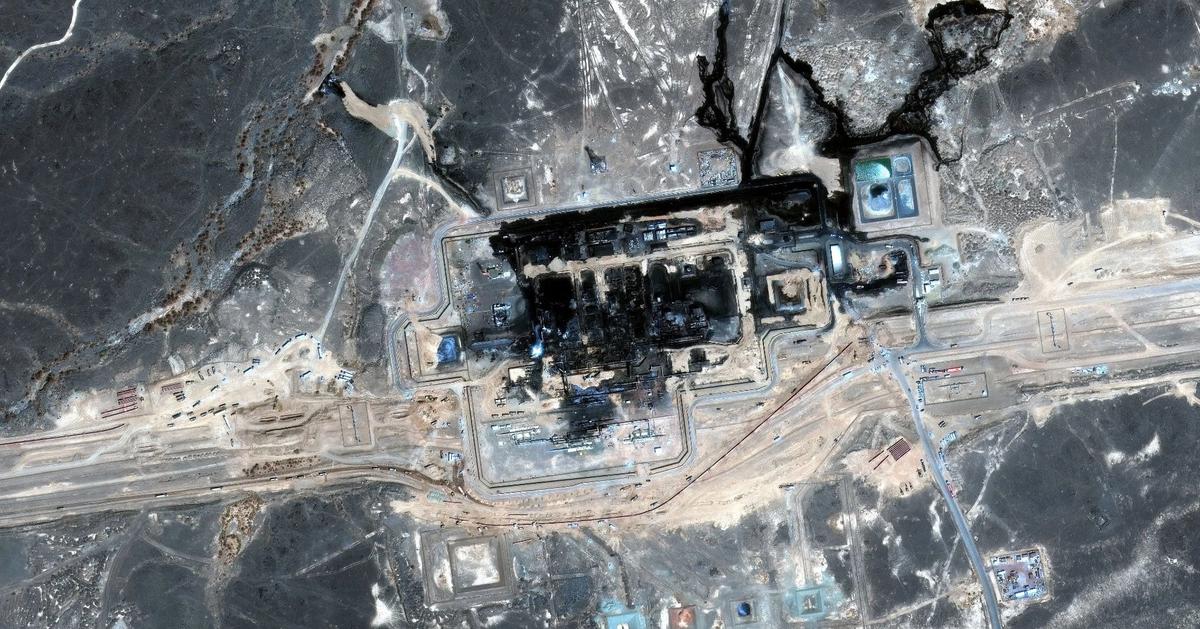
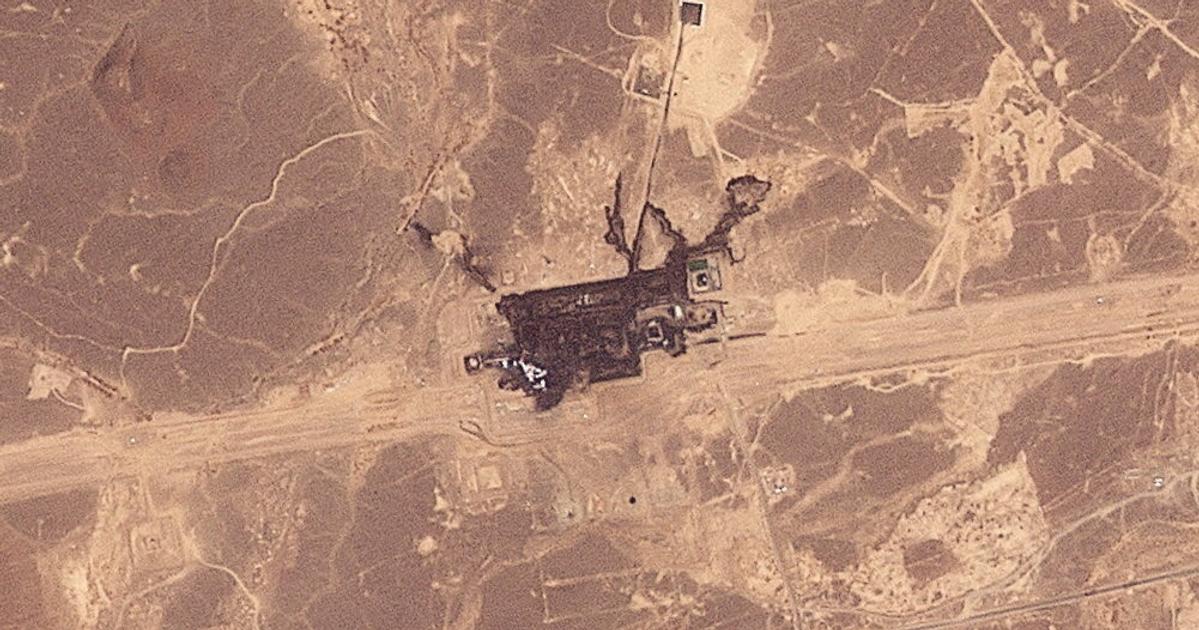
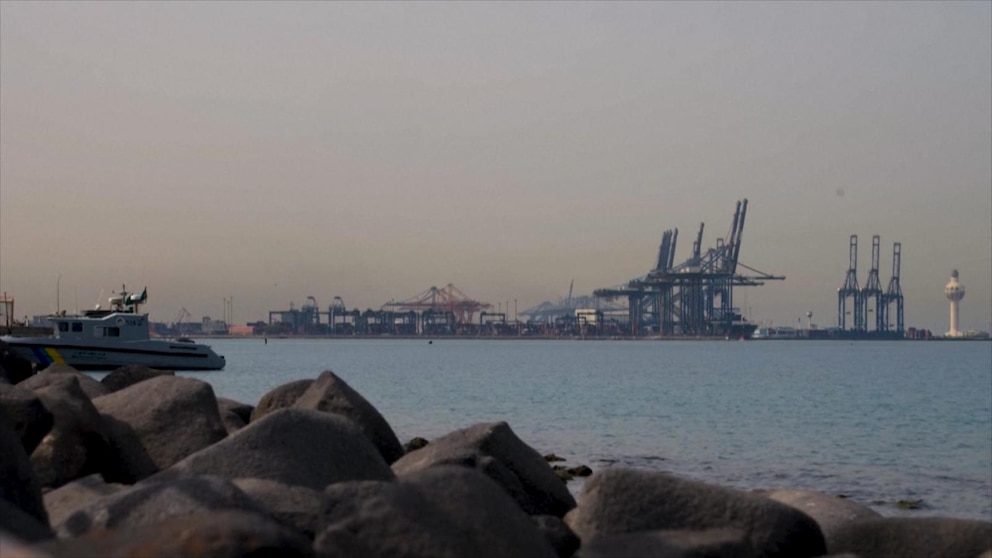
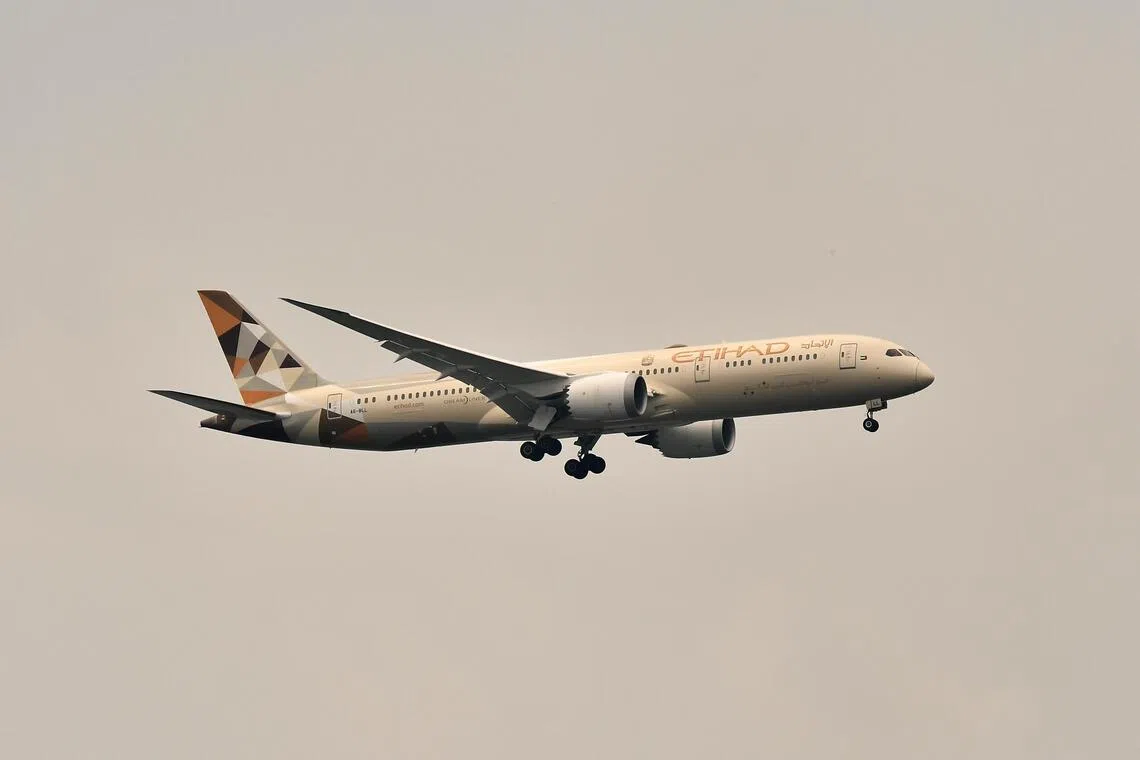
Photo via Al Jazeera

Why Middle East tensions are pushing oil prices above $100

Read the original at Al Jazeera ↗
Cite

Why Middle East tensions are pushing oil prices above $100. (2026, September 14). Al Jazeera. https://www.aljazeera.com/video/newsfeed/2026/9/14/why-middle-east-tensions-are-pushing-oil-prices-above-100?traffic_source=rss

Dated when The Aporia collected the article, usually within hours of publication. Check the original for its exact date and byline.

Al Jazeera · collected 2026-09-14

Quick Summary

Oil prices have surpassed $100 per barrel for Brent crude due to tensions in the Middle East. War in Iran is disrupting shipping traffic through the Strait of Hormuz, and the Houthi capture of Mayun Island has raised concerns over oil transportation through the Bab al-Mandeb strait. Al Jazeera’s Farah Samir discusses these developments.
Written by AI on 2026-09-14, from this article's own text only (the story summary below draws on all the coverage).
See how they differ ↓

AI analysis

Story summary

Oil prices have risen sharply to over $107 per barrel following a series of recent attacks and closures in the Middle East. On September 14, talks between Gulf nations and Iran were cancelled, coinciding with increased fighting in Yemen that raised fears of the closure of the Bab el-Mandeb waterway and further restrictions on maritime traffic via the Strait of Hormuz. Saudi Arabia also shut down a critical pipeline after drone attacks. The shutdown of the East-West oil pipeline has disrupted up to 4% of global oil supply, with concerns over its impact on the port of Yanbu's ability to cover just five to seven days of exports. Analysts warn that these events could signify prolonged unrest in the region, extending for "at least months more."

Written for “Oil Prices Rise Due to Middle East Tensions” on 2026-11-20, grounded in this article and the 3 other(s) covering the same event.

How they differ

3 outlets covered “Oil Prices Rise Due to Middle East Tensions”.

What each outlet says

One AI summary per outlet of its latest article on this story, written from that article alone and checked against it. Open the article for the outlet's own words.

Al JazeeraThis outlet14 Sep

Oil prices have surpassed $100 per barrel for Brent crude due to tensions in the Middle East. War in Iran is disrupting shipping traffic through the Strait of Hormuz, and the Houthi capture of Mayun Island has raised concerns over oil transportation through the Bab al-Mandeb strait. Al Jazeera’s Farah Samir discusses these developments.

Why Middle East tensions are pushing oil prices above $100 (this article)

Semafor14 Sep

Oil prices increased due to escalating tensions in the Middle East, with concerns over restricted energy supplies. Key developments include canceled talks between Gulf nations and Iran, intensified fighting in Yemen threatening a closure of the Bab el-Mandeb waterway, and Saudi Arabia shutting down an important pipeline after drone attacks. Analysts warn of prolonged conflict as Iranian-backed groups continue to…

Oil prices rise on fears Gulf war is escalating →
Dawn14 Sep

Oil prices increased sharply on Monday, with Brent crude rising to $107.54 per barrel after new strikes hit Saudi Arabia’s energy infrastructure and ships were targeted near the Strait of Hormuz. The attacks include a drone strike that temporarily shut down a key Saudi pipeline, potentially affecting up to 4% of global oil supply. Additionally, Iran reported an attack on one of its commercial vessels in the Gulf…

Brent crude at $107 per barrel following new strikes on Saudi Arabia, Strait of Hormuz →

Compared with similar articles

This article reads unscored and hedges 0% of its claims. Each row says how that neighbour differs.
Euronews
Leans left Hedges 2 of 16 claims Outlet record 60/100
“Article A describes a specific drone attack on an oil pipeline in Saudi Arabia, while Article B discusses broader Middle East tensions impacting oil prices without mentioning the specific pipeline incident.”
Semafor
Leans right Hedges 0 of 2 claims Outlet record 64/100
Al Jazeera
Hedges 7 of 31 claims Outlet record 60/100
“Article A focuses on a drone attack on Saudi Arabia's East-West oil pipeline, while Article B discusses broader Middle East tensions and their impact on global oil prices.”
Semafor
Hedges 2 of 5 claims Outlet record 64/100
“The articles discuss different aspects of Middle East oil tensions but describe separate incidents and impacts.”
ABC News (US)
Hedges 0 of 1 claims Outlet record 66/100
Washington Examiner
Leans left Hedges 2 of 30 claims Outlet record 67/100
“The articles discuss related geopolitical events affecting oil prices but describe different aspects and times, with Article A focusing on current tensions pushing prices above $100, while Article B discusses potential future diplomatic efforts and their impact on elections.”
The Hindu
Hedges 4 of 12 claims Outlet record 60/100
“The articles describe oil price increases due to different incidents: one focuses on tensions and attacks in Iran and Yemen, while the other discusses a pipeline outage and attacks in Saudi Arabia.”
The Straits Times
Hedges 0 of 15 claims Outlet record 64/100
“The articles discuss related topics (oil prices due to Middle East tensions), but describe different aspects and outcomes.”
Semafor
Leans left Hedges 3 of 14 claims Outlet record 64/100
“The articles discuss related topics about oil prices rising due to Middle East tensions but describe different aspects and impacts over time.”
Al Jazeera
Hedges 0 of 4 claims Outlet record 60/100
“The articles discuss rising global oil prices due to different regional tensions (Middle East vs. broader supply disruptions), indicating distinct but related economic events.”

Story

Oil Prices Rise Due to Middle East Tensions
Economy/Business · 4 article(s) covering the same event. See how they differ ↑
How this article was measured signals, leaning charts, publisher record, byline, topics and claims

Signals How these are calculated →

Claims extracted
2
sentences that state something as happening or true
Uncertain
0%
0 of 2 hedged ("reportedly", "may", "according to")
Leaning
not political
takes no side on a contested political question
Publisher signals
60/100
Al Jazeera's corrections and hedging, across everything collected from it. Not a measure of accuracy.
Outlets on this story
4
Economy/Business
Same framing elsewhere
1
articles that frame the event the way this one does
Analyzed 2026-09-14 · how these are computed

How this is being covered How these are calculated →

Article leaning vs. publisher reliability
Source leaning vs. consistency

Publisher

Al Jazeera · 6183 article(s) · 4 correction(s) detected
Running correction rate · 4 correction(s)

Who wrote this

No reporter is named on this article.

Topics

Al Jazeera’s Houthis Iran

Subjects

Al Jazeera’s ORG · 1× Farah Samir PERSON · 1× Houthis NORP · 1× Iran GPE · 1×

Narrative

Why Middle East tensions are pushing oil prices above $100 Brent crude has risen above $100 a barrel as war in Iran disrupts shipping through the Strait of Hormuz, while the Houthis’ capture of Mayun Island raises concerns over another major oil route through the Bab al-Mandeb.
framing: assertive · carried by 1 article(s) · first seen 2026-09-14
Why Middle East tensions are pushing oil prices above $100 Brent crude has risen above $100 a barrel as war in Iran disrupts shipping through the Strait of Hormuz, while the Houthis’ capture of Mayun Island raises concerns over another major oil route through the Bab al-Mandeb.
2026-09-14 · Al Jazeera
Why Middle East tensions are pushing oil prices above $100 · assertive framing

Claims (2 extracted, 0 hedged)

Why Middle East tensions are pushing oil prices above $100 Brent crude has risen above $100 a barrel as war in Iran disrupts shipping through the Strait of Hormuz, while the Houthis’ capture of Mayun Island raises concerns over another major oil route through the Bab al-Mandeb. asserted
capture → push → Mandeb
Al Jazeera’s Farah Samir explains. asserted
Samir → explain → ?
Give feedback · no sign-in needed

No sign-in needed for now. Your note is sent without a name, so it cannot be answered.

History Support