Photo via New York Post

Iran’s secret oil supply bound for China has dried up thanks to US naval blockade, analysts say

Read the original at New York Post ↗
Cite

Reyes, R. (2026, October 22). Iran’s secret oil supply bound for China has dried up thanks to US naval blockade, analysts say. New York Post. https://nypost.com/2026/10/22/world-news/irans-secret-oil-supply-bound-for-china-has-dried-up/

Dated from the outlet's own feed. Check the original for its byline.

New York Post · collected 2026-10-22 · by Ronny Reyes

Quick Summary

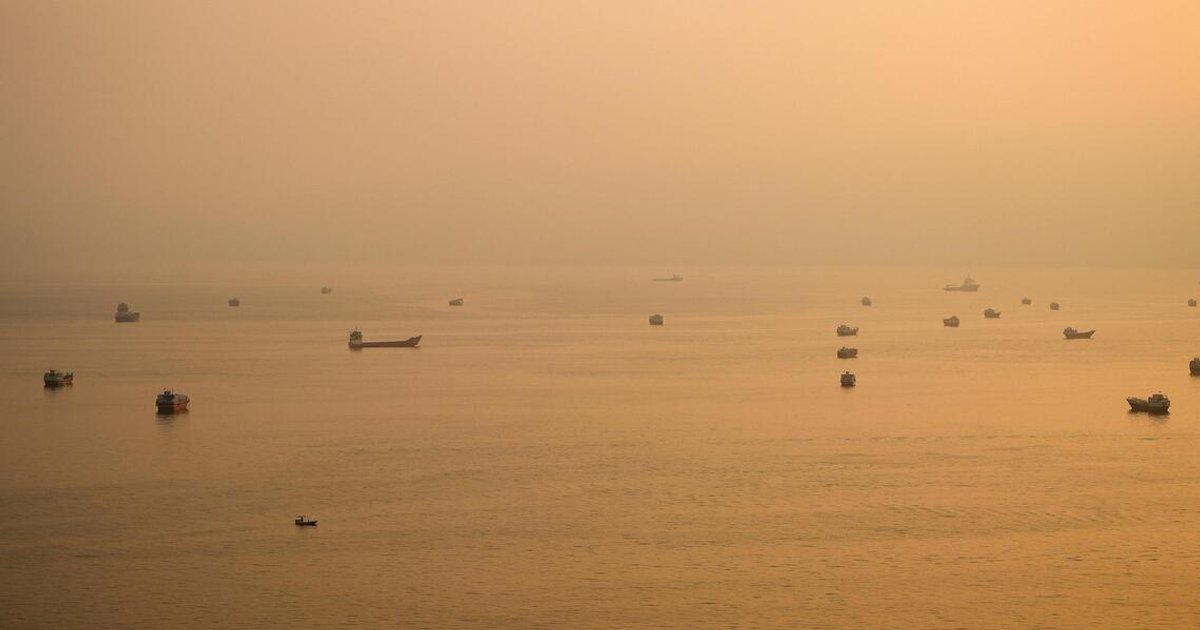
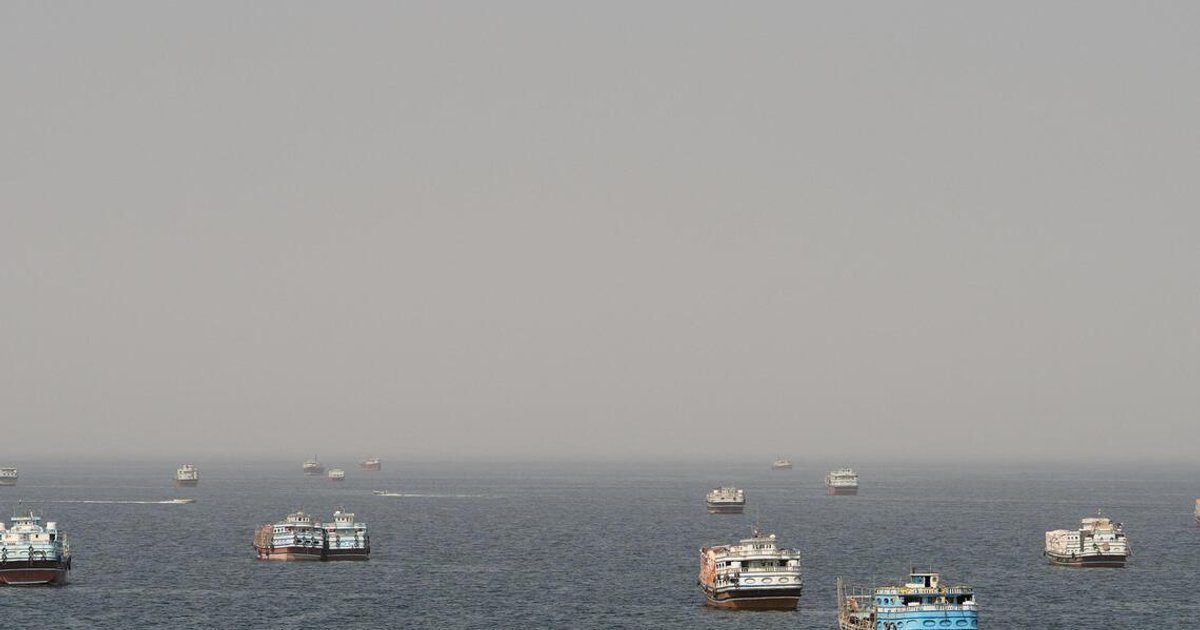
US naval blockades have caused Iran’s secret oil supply bound for China to run out, according to analysts at Kpler. The blockade prevented Iran from replenishing its offshore stockpile of 135 million barrels, which had dwindled below one million barrels by October 5 and is now almost depleted. This loss amounts to at least $25 billion in revenue, impacting Iran's economy significantly as oil exports account for about 30% to 40% of Tehran’s income and fund government operations including the military.
Written by AI on 2026-10-22, from this article's own text only (the story summary below draws on all the coverage).

AI analysis

Story summary

As of October 22, 2026, Iran’s secret oil supply bound for China has dried up due to a US naval blockade, according to analysts. The Kpler maritime analyst firm reported that by October 5, the Iranian offshore stockpile had shrunk to below 1 million barrels and is now virtually gone. Homayoun Falakshahi, head of crude-oil analysis at Kpler, confirmed there is no more oil left for discharge to China. This blockade has prevented Iran from replenishing its supplies, which previously allowed the regime to sell an estimated 135 million barrels of crude to China, helping offset inflation and currency devaluation during the war. The US Central Command estimates that this naval operation has cost Tehran at least $25 billion in lost oil revenue. Admiral Brad Cooper stated that Iran now has no exports or imports by sea except for humanitarian aid allowed through the blockade.

Written for “US Naval Blockade On Iranian Oil” on 2026-11-03, grounded in this article and the 0 other(s) covering the same event.

Story

📰 US Naval Blockade On Iranian Oil
Politics · 1 article(s) covering the same event.

Compared with similar articles

This article reads unscored and hedges 29% of its claims. Each row says how that neighbour differs.
Al Jazeera
Hedges 2 of 25 claims Outlet record 60/100
“The articles describe different aspects of the ongoing geopolitical and economic situation between Iran, the US, and other nations, but do not report on the exact same incident or occurrence.”
Al Jazeera
Hedges 0 of 2 claims Outlet record 60/100
“The articles discuss different aspects of Iran's interactions with the US and its oil supply, not a single specific incident.”
The Hindu
⚖️ Leans right Hedges 0 of 11 claims Outlet record 77/100
“The articles describe different aspects of Iran's naval and economic situation, with Article A focusing on an incident involving mines in the Strait of Hormuz, while Article B discusses the depletion of a secret oil supply to China due to US sanctions.”
Euronews
Hedges 2 of 22 claims Outlet record 60/100
“The articles describe different aspects of tensions between Iran and the US: one reports on Iranian threats and actions in the Strait of Hormuz, while the other discusses the impact of a US naval blockade on Iran's secret oil supply to China.”
The Straits Times
⚖️ Leans right Hedges 0 of 13 claims Outlet record 66/100
“The articles describe different aspects of the conflict involving Iran, with Article A focusing on a mine incident in the Strait of Hormuz and Article B discussing the impact of a US naval blockade on Iran's oil supply to China.”
Al Jazeera
Hedges 0 of 2 claims Outlet record 60/100
“The articles discuss different aspects of the conflict between Iran and the US, with Article A focusing on diplomatic tensions and economic pressure regarding shipping in the Strait of Hormuz, while Article B reports on the impact of a US naval blockade on Iran's oil supply to China.”
The Straits Times
Hedges 2 of 16 claims Outlet record 66/100
“Article A discusses Iran's diplomatic demands for the US to lift its naval blockade, while Article B focuses on the impact of the US naval blockade on Iran’s oil supplies destined for China.”
New York Post
Hedges 3 of 11 claims Outlet record 66/100
“The articles describe different aspects of the oil market and naval operations related to Iran's oil supply, rather than a single specific incident.”
The Hindu
⚖️ Leans left Hedges 2 of 8 claims Outlet record 77/100
“The articles discuss different aspects of the Iran-US conflict: one reports on a specific incident involving seven oil tankers in the Strait of Hormuz, while the other discusses broader implications of the US naval blockade on Iran's secret oil supply.”
Al Jazeera
Hedges 0 of 3 claims Outlet record 60/100
“Article A discusses Trump's statements about hitting Iran economically and militarily, while Article B focuses on the depletion of Iran’s secret oil supply bound for China due to a US naval blockade.”
How this article was measured signals, leaning charts, publisher record, byline, topics and claims

Signals How these are calculated →

Claims extracted
14
sentences that state something as happening or true
Uncertain
29%
4 of 14 hedged ("reportedly", "may", "according to")
Leaning
withheld
no quote in the article backed the model's score
Publisher signals
66/100
New York Post's corrections and hedging, across everything collected from it. Not a measure of accuracy.
Outlets on this story
1
Politics
Same framing elsewhere
1
articles that frame the event the way this one does
Analyzed 2026-10-22 · how these are computed

How this is being covered How these are calculated →

Article leaning vs. publisher reliability
Source leaning vs. consistency

Publisher

New York Post · 16438 article(s) · 35 correction(s) detected
Running correction rate · 35 correction(s)

Who wrote this

Ronny Reyes
68 article(s) here · 1 carrying a prediction
🔮 The rant, which garnered more than 53.1 million views on X, appeared to capitalize on Trump’s own statements over the weekend that the US could take out Pickaxe Mountain “within 10 minutes.”
🔮 The teams are looking to secure a deal quickly as President Trump ramps up his warnings that all-out war could resume following the midterm elections on Tuesday.
🔮 The Pentagon estimates that US bases in the region have suffered at least $5 billion in damages, with the true cost predicted to be as high as $15 billion, the WSJ reported.
🔮 The outlet’s estimates show that between 374,000 and 770,000 Russian soldiers have been killed in action so far, a steep increase from May, when it estimated that at most 518,000 troops were dead.
🔮 Netanyahu’s Likud party will retain the most seats in the Knesset, with Likud and his allies looking to secure 54 seats, according to preliminary results — down from the 60 he currently holds.
🔮 Prime Minister Benjamin Netanyahu trailed opposition leader Gadi Eisenkot in the Israeli election Tuesday, according to exit polls — but neither bloc appeared set to win enough seats to secure a clear majority.
🔮 The acceleration is evidence that Iran will not abandon its nuclear ambition despite ongoing peace talks with the US, retired four-star Gen. Jack Keane told Fox News.
🔮 Israeli-Arabs could sway the balance of power in Israel’s general elections next week as the country’s two major parties are predicted to fall short of a majority in the Knesset.
🔮 Brinksman would go on to hold top secret security clearance while working as an employee of a US government agency and later as a systems developer private contractor working for the same agency, prosecutors said.
🔮 Flora attended a mandatory court appearance on Saturday, with the wrestler set to return for a follow-up hearing next Monday, TMZ reported.
Also by Ronny Reyes
Nothing else under this byline is closely related to this article, so these are simply their most recent.
All 68 articles by Ronny Reyes →

Topics

China Iran Kpler Tehran the Wall Street Journal

Subjects

Iran GPE · 7× China GPE · 3× Kpler ORG · 3× Tehran GPE · 3× Brad Cooper PERSON · 1× CENTCOM ORG · 1× Homayoun Falakshahi PERSON · 1× IRGC ORG · 1× US Central Command ORG · 1× the Wall Street Journal ORG · 1×

Narrative

Because it can take months for Chinese oil payments to flow into Iran, analysts say the regime has time before the money stops trickling in and forces the Islamic republic to make difficult decisions.
framing: mixed · carried by 1 article(s) · first seen 2026-10-22
🔮 But the US blockade on Iran’s ports has prevented Tehran from replenishing its supplies, which shrunk to below 1 million barrels by Oct. 5 and is now virtually gone, according to the Kpler maritime analyst firm. “There’s no more oil to discharge to China anymore,” Homayoun Falakshahi, head of crude-oil analysis at Kpler, told the Wall Street Journal.

Claims (14 extracted, 4 hedged)

Iran’s secret supply of oil bound for China aboard its shadow fleet has finally dried up in the face of the US naval blockade on its ports, analysts said. asserted
analysts → bind → ports
Iran has been able to power through US sanctions and a spiraling economy during the war thanks in part to its offshore stockpile carrying an estimated 135 million barrels of crude. asserted
Iran → power → crude
But the US blockade on Iran’s ports has prevented Tehran from replenishing its supplies, which shrunk to below 1 million barrels by Oct. 5 and is now virtually gone, according to the Kpler maritime analyst firm. “There’s no more oil to discharge to China anymore,” Homayoun Falakshahi, head of crude-oil analysis at Kpler, told the Wall Street Journal. uncertain
Falakshahi → prevent → Journal
The offshore oil allowed Tehran to reap billions from sales to China during the war to help offset record-high inflation in the country and record-low value of its rial currency. asserted
Tehran → allow → currency
US Central Command, which is operating the naval blockade, estimated that the regime has lost at least $25 billion worth of oil revenue due to the navy mission. asserted
regime → operate → mission
“With the exception of humanitarian assistance we’ve allowed in, Iran has no exports and no imports by sea,” Adm. Brad Cooper, head of CENTCOM, touted on Saturday. asserted
Cooper → allow → Saturday
“The sum total of these actions has imposed devastating costs on Iran’s security apparatus and the IRGC (Islamist Revolutionary Guard Corps) specifically,” Cooper added. asserted
Cooper → impose → apparatus
Oil sales represent about 30% to 40% of Tehran’s revenue and stands as its largest source of foreign exchange, Falakshahi said. asserted
Falakshahi → represent → exchange
Oil exports also generate about 60% of the money used to pay Iran’s government employees, including its military forces. asserted
exports → generate → forces
Experts have long warned that a plummet in oil sales would be the breaking block that could destabilize the regime and cause Iran’s elite class to finally suffer the economic woes its everyday citizens are experiencing as a result of the war. uncertain
citizens → warn → war
Because it can take months for Chinese oil payments to flow into Iran, analysts say the regime has time before the money stops trickling in and forces the Islamic republic to make difficult decisions. asserted
money → take → decisions
The fall in oil exports comes as oil flow out of the Strait of Hormuz and Gulf of Oman hit 82% of pre-war levels this past week, with 14 million barrels transiting the waters every day, according to Kpler. uncertain
barrels → come → Kpler
Start your day with all you need to know Morning Report delivers the latest news, videos, photos and more. asserted
Report → start → news
Iranian officials, however, reiterated their claim to the Strait of Hormuz and have remained adamant that the country can withstand as much pressure as necessary to force the US to concede in the war. uncertain
country → reiterate → war

💬Give feedback
🕘History 🎫Support