The Aporia

Why has the Libya-Turkiye maritime deal stirred controversy? (2026, October 22). Al Jazeera. https://www.aljazeera.com/video/inside-story/2026/10/22/why-has-the-libya-turkiye-maritime-deal-stirred-controversy?traffic_source=rss
“Why has the Libya-Turkiye maritime deal stirred controversy?” Al Jazeera, 22 Oct. 2026, https://www.aljazeera.com/video/inside-story/2026/10/22/why-has-the-libya-turkiye-maritime-deal-stirred-controversy?traffic_source=rss.
“Why has the Libya-Turkiye maritime deal stirred controversy?” Al Jazeera, October 22, 2026. https://www.aljazeera.com/video/inside-story/2026/10/22/why-has-the-libya-turkiye-maritime-deal-stirred-controversy?traffic_source=rss.
Dated from the outlet's own feed. Check the original for its byline.
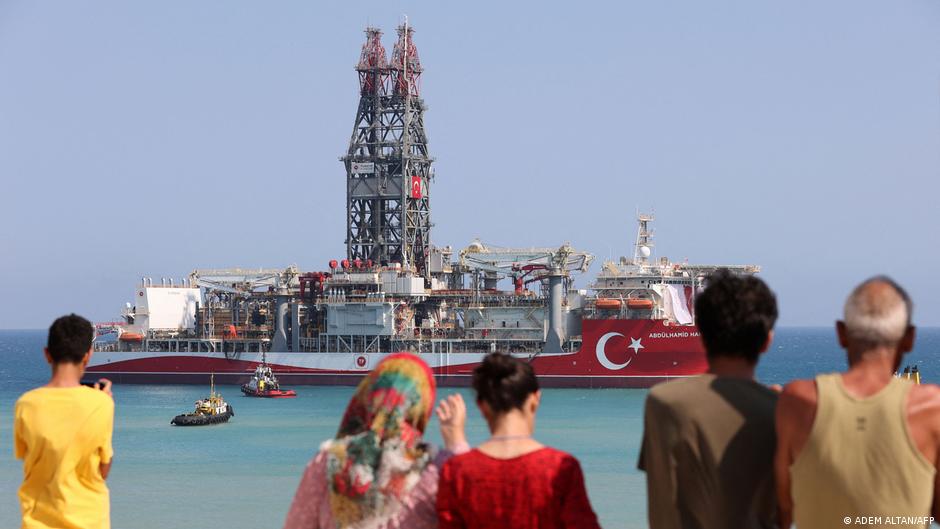
On October 24, 2026, the parliament of Libya unanimously approved a maritime agreement with Turkey to establish a direct economic corridor between their countries in the Mediterranean Sea. This deal was initially signed by the internationally recognized Government of National Unity in Libya and Turkey in 2019 but faced opposition from eastern Libya's rival administration. Now, eastern Libya has reversed its stance, leading to renewed tensions with Greece and other regional powers.
The agreement aims to secure economic rights over potentially large oil and gas deposits worth several hundred billion US dollars under the seabed in the disputed region. Turkey and Libya assert their rights to jointly exploit these resources through a corridor that bypasses Greek islands such as Crete and Rhodes, which Greece views as violating its sovereign rights. Greece has referred the issue to the UN Security Council.
This development exacerbates existing disputes over energy projects like the EastMed pipeline, intended to transport natural gas from Israel and Cyprus via Greece to Europe, thereby threatening energy security in the European Union.