The Aporia
Reuters. (2026, October 23). UK tells public to keep 3 days' emergency supplies at home amid PHP glitch. Dawn. https://www.dawn.com/news/2039277/uk-tells-public-to-keep-3-days-emergency-supplies-at-home-amid-php-glitch
Reuters. “UK tells public to keep 3 days' emergency supplies at home amid PHP glitch.” Dawn, 23 Oct. 2026, https://www.dawn.com/news/2039277/uk-tells-public-to-keep-3-days-emergency-supplies-at-home-amid-php-glitch.
Reuters. “UK tells public to keep 3 days' emergency supplies at home amid PHP glitch.” Dawn, October 23, 2026. https://www.dawn.com/news/2039277/uk-tells-public-to-keep-3-days-emergency-supplies-at-home-amid-php-glitch.
Dated from the outlet's own feed. Check the original for its byline.
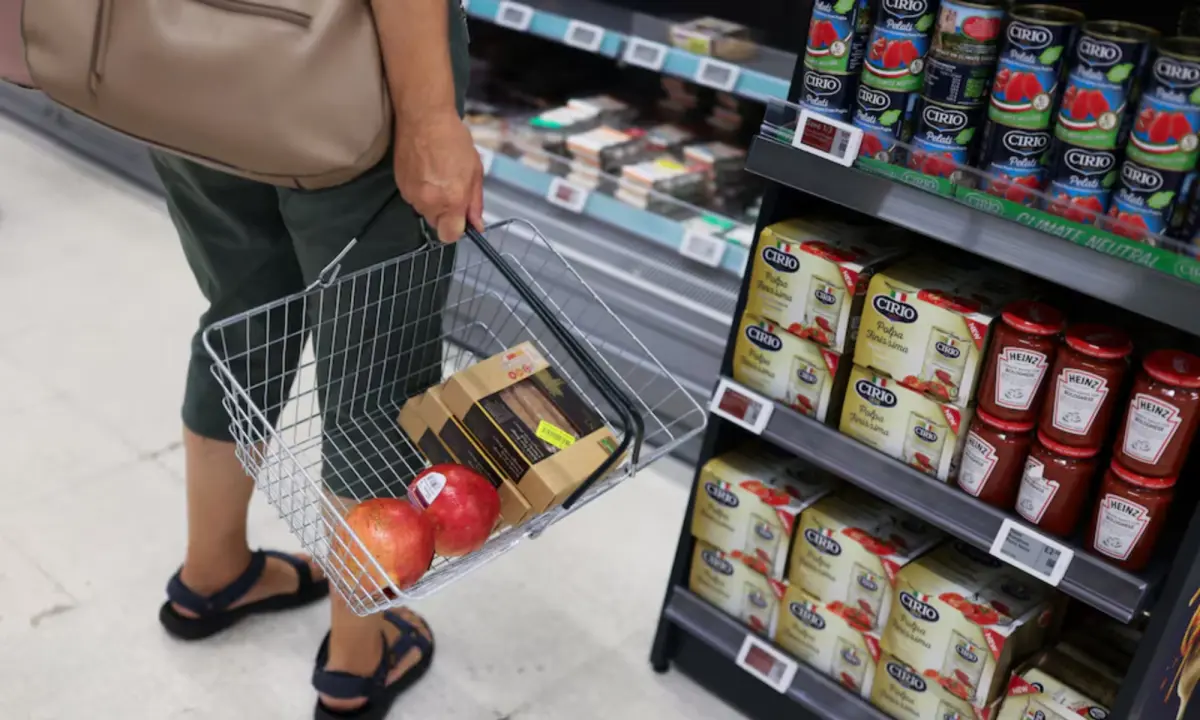
On October 23, 2026, the British government advised the public to stockpile three days of emergency supplies at home, including bottled water and non-perishable food, amid a critical security flaw in the PHP programming language that affected many websites worldwide. This advice was part of the newly launched "Be Ready" campaign, emphasizing preparedness for potential disruptions caused by severe weather events or cyber attacks. Defence Secretary Wes Streeting warned about increasingly sophisticated cyber threats as artificial intelligence makes it easier to find ways to thwart traditional defenses. The initiative, originally planned earlier in 2026 but delayed due to concerns over public perception, aims to ensure Britons are better prepared for emergencies. However, critics like Lord Richard Dannatt argue that the government is not moving fast enough to bolster national defense against threats from Russia and other adversaries.