The Aporia
Kinnard, M., & Boak, J. (2026, October 23). Trump at South Florida rally revives the idea of military intervention in Cuba after Iran. Toronto Star. https://www.thestar.com/news/world/united-states/trump-at-south-florida-rally-revives-the-idea-of-military-intervention-in-cuba-after-iran/article_55c768c3-23aa-5a83-9600-a170753c7f2f.html
Kinnard, Meg, and Josh Boak. “Trump at South Florida rally revives the idea of military intervention in Cuba after Iran.” Toronto Star, 23 Oct. 2026, https://www.thestar.com/news/world/united-states/trump-at-south-florida-rally-revives-the-idea-of-military-intervention-in-cuba-after-iran/article_55c768c3-23aa-5a83-9600-a170753c7f2f.html.
Kinnard, Meg, and Josh Boak. “Trump at South Florida rally revives the idea of military intervention in Cuba after Iran.” Toronto Star, October 23, 2026. https://www.thestar.com/news/world/united-states/trump-at-south-florida-rally-revives-the-idea-of-military-intervention-in-cuba-after-iran/article_55c768c3-23aa-5a83-9600-a170753c7f2f.html.
Dated from the outlet's own feed. Check the original for its byline.
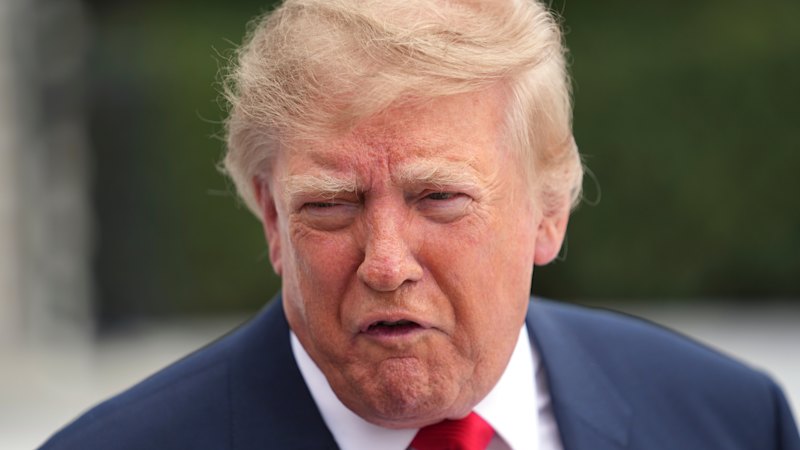
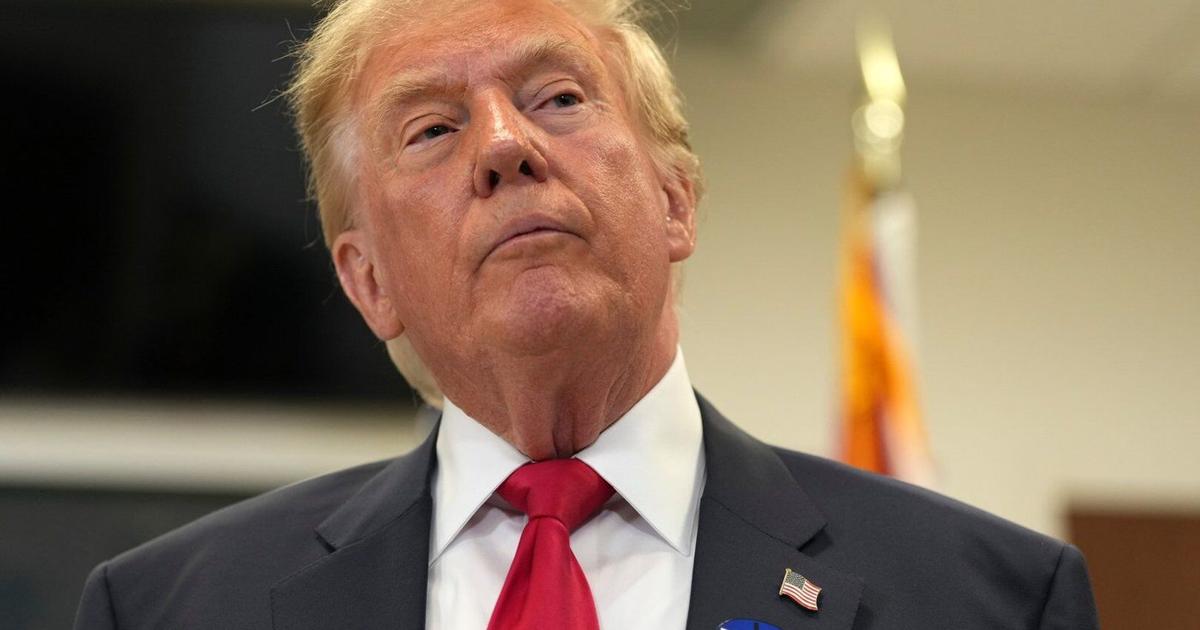
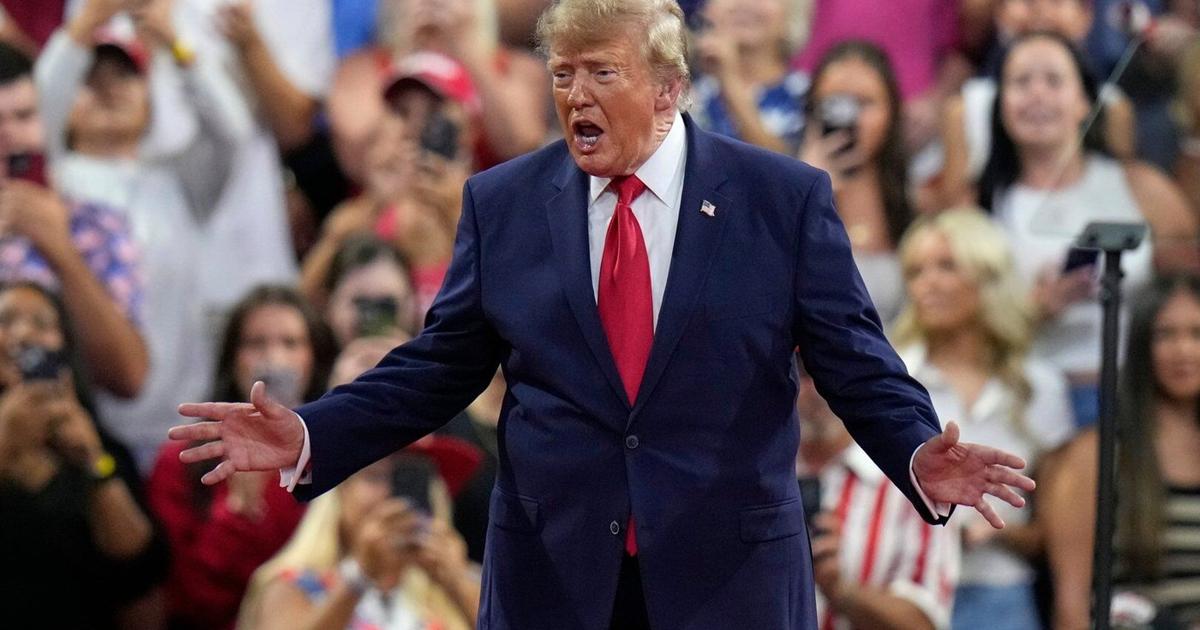
On October 23, 2026, US President Donald Trump and Secretary of State Marco Rubio took aggressive steps towards potential military intervention and regime change in Cuba. During a campaign rally in Fort Myers, Florida, Trump announced plans to address the Cuban situation after dealing with Iran, stating that Washington would "take care of Cuba" and send Rubio there to complete negotiations. Rubio responded on social media by calling on Cubans seeking positive change to partner discreetly with the CIA.
Rubio's call was met with skepticism and mockery from Cuban officials, who perceived it as a desperate attempt to gather intelligence within their country. Cuban Deputy Foreign Minister Carlos Fernandez de Cossio criticized the move, suggesting that the CIA must be in dire straits if it needs to recruit publicly. Additionally, the growing economic pressure on Cuba due to US sanctions has led to severe shortages of basic goods and medical care.
The Trump administration's rhetoric and actions mark a significant escalation in tensions between the United States and Cuba, with potential far-reaching implications for regional stability and diplomatic relations. The situation reflects the ongoing efforts by Washington to undermine the Cuban government through various political, economic, and covert means. Cuban officials view these developments as aggressive and threatening moves towards regime change. Additionally, the call for discreet partnerships with the CIA has sparked widespread criticism and skepticism both in Cuba and internationally.
This series of events underscores a complex geopolitical landscape where diplomatic tensions are heightened by economic pressures and the potential for military intervention. The situation remains highly volatile, with significant consequences for the Cuban population and regional dynamics. Cuban officials have emphasized their stance against any form of US interference or use of force against Cuba, viewing such actions as illegal and unjustified.
The repeated calls to destabilize Cuba's government through covert operations highlight a concerning trend in international relations, raising questions about the legitimacy and ethical considerations of regime change policies. The situation continues to evolve with heightened tensions on both sides. Cuban officials are wary of these developments and have called for dialogue and respect for sovereignty rather than aggressive interventions.