Photo via Times of India

Who is Gadi Eisenkot? Ex-army chief of Israel is Netanyahu's biggest challenger in PM race

Read the original at Times of India ↗
Cite

Jha, A. (2026, October 25). Who is Gadi Eisenkot? Ex-army chief of Israel is Netanyahu's biggest challenger in PM race. Times of India. https://timesofindia.indiatimes.com/world/middle-east/who-is-gadi-eisenkot-ex-army-chief-of-israel-is-netanyahus-biggest-challenger-in-pm-race/articleshow/135185372.cms

Dated from the outlet's own feed. Check the original for its byline.

Times of India · collected 2026-10-25 · by Aastha Jha

Quick Summary

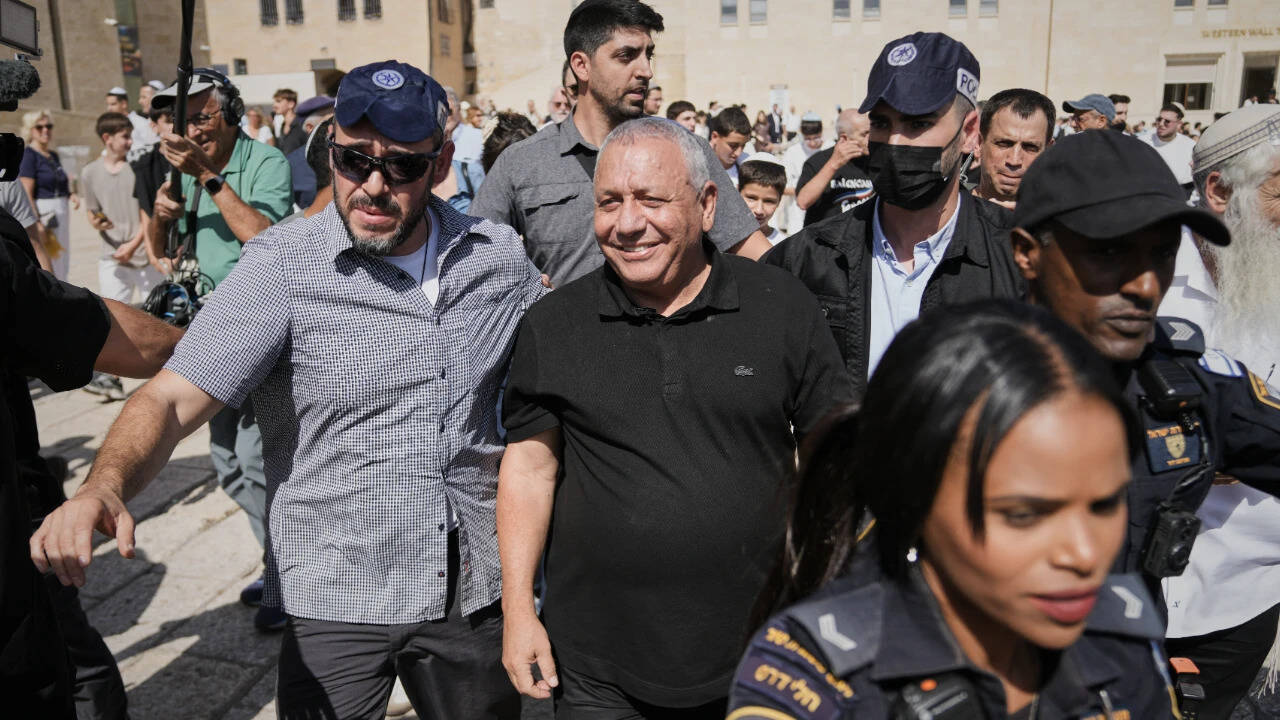
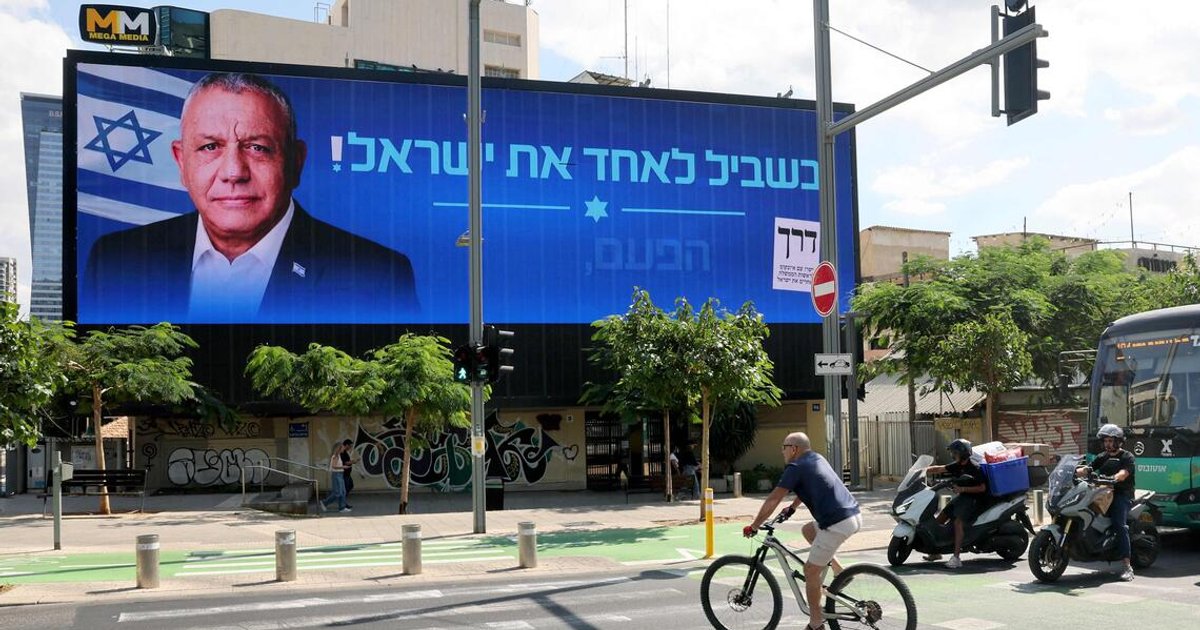
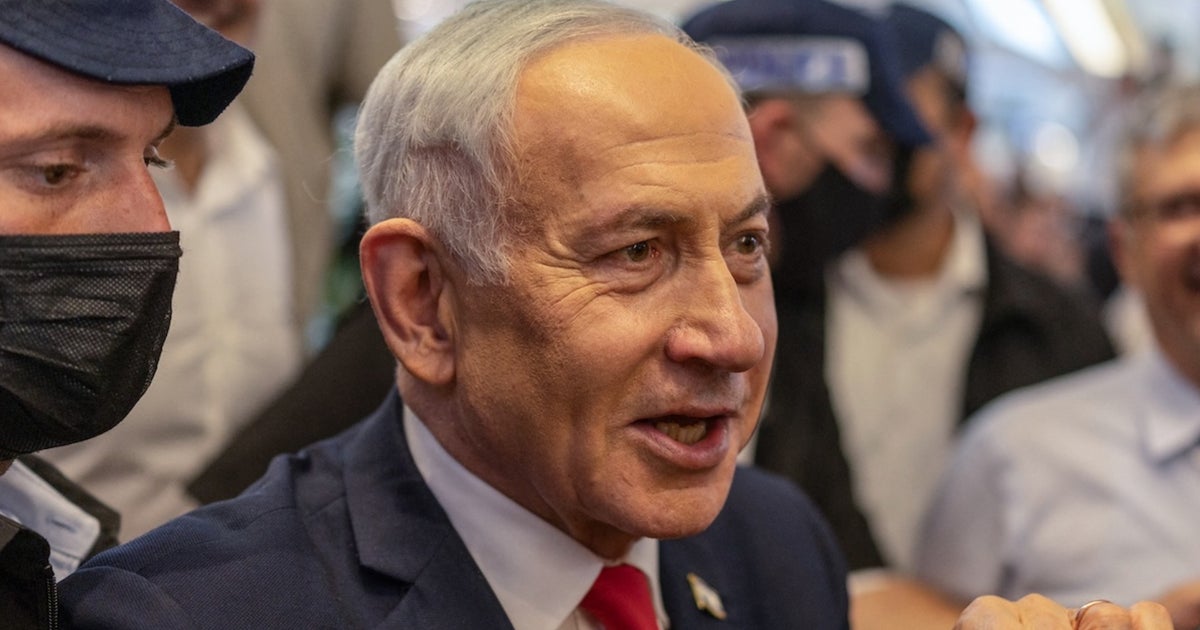
Gadi Eisenkot, former chief of staff of the Israel Defense Forces (IDF), is running against Prime Minister Benjamin Netanyahu in Israel’s October 27 election. Eisenkot founded the Yashar party and positions himself as a security-focused leader critical of Netanyahu's handling of Hamas' attack in October 2023. He served for 41 years in the military, adopting a controversial strategy known as the “Dahiyeh doctrine” during his tenure. Despite maintaining a hardline stance on security issues like opposing Palestinian statehood and supporting Jewish settlements, Eisenkot's campaign emphasizes leadership accountability and securing national interests over personal alliances with specific political groups.
Written by AI on 2026-10-25, from this article's own text only (the story summary below draws on all the coverage).

AI analysis

Story summary

Gadi Eisenkot, a former chief of staff of the Israel Defense Forces (IDF), is challenging Prime Minister Benjamin Netanyahu in Israel's October 27 election with a campaign focused on security and accountability for the failures surrounding Hamas' October 7, 2023 attack. Eisenkot founded the Yashar party in 2025 and has positioned himself as a reserved, straightforward leader with strong military credentials, distinguishing him from Netanyahu's combative political style. Eisenkot's family has personally experienced the conflict, with his son and two nephews killed during fighting in Gaza. Serving in the Israeli military for 41 years, Eisenkot commanded troops in the West Bank and employed the controversial "Dahiyeh doctrine" during Israel's 2006 war against Hezbollah in Lebanon, which involved using overwhelming force against areas used by militant groups.

Written for “Gadi Eisenkot In Israeli Politics” on 2026-11-04, grounded in this article and the 0 other(s) covering the same event.

Story

📰 Gadi Eisenkot In Israeli Politics
Politics · 1 article(s) covering the same event.

Compared with similar articles

This article reads leans strongly right and hedges 8% of its claims. Each row says how that neighbour differs.
The Straits Times
⚖️ Leans left further left than this Hedges 0 of 12 claims Outlet record 66/100
“The articles cover related topics but describe different events: one discusses Eisenkot's refusal to serve under Netanyahu, while the other provides background information about Eisenkot as a challenger.”
The Hindu
⚖️ Leans left further left than this Hedges 3 of 28 claims Outlet record 77/100
“The articles discuss Eisenkot as a potential challenger to Netanyahu but describe different aspects of his campaign and persona without focusing on the same specific incident or timeframe.”
The Guardian
⚖️ Leans left further left than this Hedges 7 of 69 claims Outlet record 66/100
“Article A describes a rally for Gadi Eisenkot in Modi'in, while Article B is an overview of who Gadi Eisenkot is and his challenge to Netanyahu. They do not describe the same specific incident.”
The Straits Times
Hedges 3 of 25 claims Outlet record 66/100
“The articles are discussing different aspects of Israel's political situation and election landscape rather than a single specific event.”
The Independent
⚖️ Leans left further left than this Hedges 4 of 46 claims Outlet record 59/100
“While both articles discuss Gadi Eisenkot's challenge to Benjamin Netanyahu, they describe different aspects of the political situation and are from different dates.”
Al Jazeera
Hedges 4 of 27 claims Outlet record 60/100
“Article A discusses Gadi Eisenkot's challenge to Netanyahu before the election, while Article B covers the aftermath of the election and the process of forming a coalition government.”
New York Post
Hedges 1 of 56 claims Outlet record 66/100
“The articles discuss different aspects of the Israeli election context but do not describe the same specific incident or occurrence.”
The Independent
Hedges 8 of 41 claims Outlet record 59/100
“Article A discusses Eisenkot's campaign and challenge against Netanyahu leading up to an election in October 2026, while Article B refers to votes being counted from a Tuesday election, indicating they cover different phases of the same general situation.”
The Independent
⚖️ Leans left further left than this Hedges 3 of 23 claims Outlet record 59/100
“The articles discuss different aspects of the election context but do not focus on the same specific incident.”
CBS News
Hedges 1 of 2 claims Outlet record 65/100
“Article A focuses on Gadi Eisenkot as a challenger to Benjamin Netanyahu, while Article B discusses Netanyahu facing the first national election since the 2023 Hamas attack.”
How this article was measured signals, leaning charts, publisher record, byline, topics and claims

Signals How these are calculated →

Claims extracted
24
sentences that state something as happening or true
Uncertain
8%
2 of 24 hedged ("reportedly", "may", "according to")
Leaning
Leans strongly right
of the writing, not the subject · beta estimate
Publisher signals
59/100
Times of India's corrections and hedging, across everything collected from it. Not a measure of accuracy.
Outlets on this story
1
Politics
Same framing elsewhere
1
articles that frame the event the way this one does
Analyzed 2026-10-25 · how these are computed

How this is being covered How these are calculated →

Article leaning vs. publisher reliability
Source leaning vs. consistency

Publisher

Times of India · 4056 article(s) · 4 correction(s) detected
Running correction rate · 4 correction(s)

Who wrote this

Aastha Jha
21 article(s) here · 1 carrying a prediction
🔮 Interior minister Mazen Al-Faraya attributed the attack to extremist ideology, warning that similar incidents could recur if such thinking was not addressed.
🔮 On Sunday, he ruled out an immediate US strike on Iran, telling reporters there would be no attack that day.
🔮 He has criticised settler violence against Palestinians and opposed some of the Netanyahu government's settlement plans, including construction in the E1 area, which critics say would further divide the West Bank.
🔮 The officials gave few details about how or where Iran might carry out such attacks.
🔮 The incident follows another fatal crash involving the same aircraft type in May, when two pilots were killed after an SF-260 went down in a mountainous area in the northern Philippines.
🔮 The visit would mark his first trip to China in more than a year.
🔮 The latest release is part of a series of documents made public by the Pentagon since May, following US President Donald Trump's pledge to disclose previously classified information about UFO sightings and the government's knowledge of potential extraterrestrial life.
🔮 Cox’s Bazar deputy commissioner A Mannan said six bodies had been recovered so far and DNA samples would be collected before the bodies were handed over to their families.
🔮 US officials are concerned that continued attacks could discourage shipping companies from using the strait, reducing oil supplies and pushing up global prices.
🔮 A White House official said Trump had made clear that the US would not attack Iran before the American midterm elections.
Also by Aastha Jha
Nothing else under this byline is closely related to this article, so these are simply their most recent.
All 21 articles by Aastha Jha →

Topics

Hamas Israel Israeli Lebanon the West Bank

Subjects

Eisenkot PERSON · 9× Israel GPE · 8× Netanyahu PERSON · 8× Hamas ORG · 4× Israeli NORP · 2× Lebanon GPE · 2× Palestinians NORP · 2× the West Bank GPE · 2× Gadi Eisenkot PERSON · 1× the Israel Defense Forces ORG · 1×

Narrative

Gadi Eisenkot, a former chief of staff of the Israel Defense Forces (IDF), is challenging Prime Minister Benjamin Netanyahu with a campaign centred on security, leadership and accountability for the failures surrounding Hamas' October 7, 2023, attack.
framing: assertive · carried by 1 article(s) · first seen 2026-10-25
🔮 He has criticised settler violence against Palestinians and opposed some of the Netanyahu government's settlement plans, including construction in the E1 area, which critics say would further divide the West Bank.

Claims (24 extracted, 2 hedged)

Gadi Eisenkot, a former chief of staff of the Israel Defense Forces (IDF), is challenging Prime Minister Benjamin Netanyahu with a campaign centred on security, leadership and accountability for the failures surrounding Hamas' October 7, 2023, attack. asserted
Eisenkot → challenge → attack
Eisenkot, who founded the Yashar party in 2025, has emerged as a key challenger to Netanyahu ahead of Israel's October 27 election. asserted
who → found → election
Unlike Netanyahu, a veteran and combative politician, Eisenkot has cultivated an image of a reserved, straightforward leader with strong military credentials. asserted
Eisenkot → cultivate → credentials
His family has also suffered personal losses during the Gaza war, with his son and two nephews killed while fighting there. asserted
son → suffer → war
The son of Moroccan immigrants, Eisenkot served in the Israeli military for 41 years, rising to become its chief of staff from 2015 to 2019. asserted
Eisenkot → serve → 2019
He commanded troops in the West Bank during the second intifada and served during Israel's 2006 war against Hezbollah in Lebanon. asserted
He → command → Lebanon
During the Lebanon conflict, he employed what became known as the “Dahiyeh doctrine”, a strategy involving overwhelming force against areas used by militant groups, including the destruction of civilian infrastructure. asserted
what → employ → infrastructure
The approach drew criticism over its humanitarian consequences. asserted
approach → draw → consequences
Eisenkot entered frontline politics after the October 7 attacks, joining Netanyahu's war cabinet as an observer. asserted
Eisenkot → enter → observer
He left after eight months, criticising the prime minister's leadership and arguing that Israel had failed to achieve its declared objective of destroying Hamas' military and governing capabilities. asserted
Israel → leave → capabilities
He has also argued that freeing the hostages taken by Hamas was the only war objective Israel had achieved. asserted
Israel → argue → Hamas
Where he stands on security and Palestinians Despite presenting an alternative to Netanyahu's leadership and far-right coalition partners, Eisenkot maintains a hardline position on security. asserted
Eisenkot → stand → security
He says Hamas' military wing must be destroyed or dismantled and that Israel must prevent Iran from acquiring nuclear weapons, either through military action or a diplomatic agreement backed by the United States. asserted
Israel → say → States
Eisenkot opposes Palestinian statehood, describing the idea of “two states for two peoples” as a mistake. asserted
Eisenkot → oppose → mistake
He has argued that Israel must retain overriding security responsibility in the territory between the Jordan River and the Mediterranean Sea. asserted
Israel → argue → River
He also supports Jewish settlements in the occupied West Bank, while saying they should serve Israeli national interests and be legal. asserted
they → support → interests
He has criticised settler violence against Palestinians and opposed some of the Netanyahu government's settlement plans, including construction in the E1 area, which critics say would further divide the West Bank. asserted
critics → criticise → Bank
Eisenkot has rejected partnering with parties representing Arab Israelis, saying they do not accept his core security principles. asserted
they → reject → principles
This position could complicate his efforts to assemble a parliamentary majority, even if his party performs strongly. uncertain
party → complicate → majority
Can he replace Netanyahu? asserted
he → replace → Netanyahu
Eisenkot's campaign offers voters an alternative to Netanyahu's leadership without a major shift away from Israel's hardline security outlook. asserted
campaign → offer → outlook
His military background, personal losses during the Gaza war and criticism of the government's handling of the October 7 aftermath have shaped his public profile. asserted
background → shape → profile
Opinion polls cited by news agency Reuters show his party leading Netanyahu's Likud, although Israel's fragmented political landscape could make forming a government difficult for either leader. uncertain
forming → cite → leader
Eisenkot would need sufficient support from other parties to form a governing coalition, making alliances a crucial factor in the race. asserted
alliances → need → race

💬Give feedback
🕘History 🎫Support