Photo via The Sydney Morning Herald

Voters call for local AI safeguards as data centre concern rises

Read the original at The Sydney Morning Herald ↗
Cite

Wright, S. (2026, October 25). Voters call for local AI safeguards as data centre concern rises. The Sydney Morning Herald. https://www.smh.com.au/politics/federal/voters-call-for-local-ai-safeguards-as-data-centre-concern-rises-20261025-p6181r.html?ref=rss&utm_medium=rss&utm_source=rss_feed

Dated from the outlet's own feed. Check the original for its byline.

The Sydney Morning Herald · collected 2026-10-25 · by Shane Wright

Quick Summary

An Australian Resolve poll of 2200 people indicates growing public demand for local regulations on artificial intelligence (AI) and concerns over the environmental impact of data centers. While two-thirds of respondents now use AI, with younger Australians being more frequent users, there is a significant generational divide in perceptions: while regular users see mostly benefits, non-users are more concerned about risks. The poll reveals increasing support for national laws to govern AI, with 41% preferring Australian-specific regulations over international agreements.
Written by AI on 2026-10-25, from this article's own text only (the story summary below draws on all the coverage).

AI analysis

Story summary

Voters in Australia are increasingly calling for local regulations on artificial intelligence (AI) rather than relying on international agreements, according to a recent Resolve Political Monitor poll of 2,200 people. The poll also reveals growing concern about the rapid expansion of multibillion-dollar data centers across the country, with fears that these facilities could harm communities and the environment. Among the concerns is the prediction that new data centers could drive up electricity prices by $50 billion over six years unless developers invest in new energy sources. While some supporters argue that AI will bring significant productivity growth similar to previous technological advancements like personal computers, others fear potential job losses and increased environmental strain due to power and water consumption. A House-Senate select committee is currently examining the implications of AI and plans to report back to the government by the end of November 2026.

Written for “Local AI Safeguards Called For” on 2026-11-04, grounded in this article and the 0 other(s) covering the same event.

Story

📰 Local AI Safeguards Called For
Technology · 1 article(s) covering the same event.

Compared with similar articles

This article reads leans left and hedges 7% of its claims. Each row says how that neighbour differs.
ABC News (US)
Hedges 1 of 51 claims Outlet record 67/100
“The articles discuss similar topics but report on different polls with distinct findings, in different countries.”
The Guardian
⚖️ Leans right further right than this Hedges 1 of 28 claims Outlet record 66/100
“The articles discuss concerns about data center construction in different countries (UK vs Australia) with distinct focuses and timelines.”
South China Morning Post
⚖️ Leans left Hedges 2 of 37 claims Outlet record 62/100
“The articles discuss different aspects of AI and data centers in education and community impact, respectively.”
Global News
Hedges 2 of 26 claims Outlet record 63/100
“The articles discuss different contexts for AI data center regulation, with Article A focusing on a federal minister's statement in Canada and Article B discussing voter opinions and concerns about AI regulations in Australia.”
BBC News
Hedges 1 of 18 claims Outlet record 66/100
“The articles discuss different contexts and locations, with Article A focusing on UK's AI minister's comments and Article B covering Australian voter concerns about local AI regulation and data centers.”
Washington Examiner
⚖️ Leans strongly right further right than this Hedges 0 of 5 claims Outlet record 69/100
“The articles discuss related themes but describe different events and perspectives on data centers and AI regulation.”
Fox News
Hedges 2 of 21 claims Outlet record 68/100
“The articles discuss different topics related to AI and data centers but do not describe the same specific incident.”
Washington Examiner
Hedges 0 of 1 claims Outlet record 69/100
“The articles cover different topics related to AI regulation and data center concerns, not the same specific incident.”
Al Jazeera
⚖️ Leans left Hedges 7 of 31 claims Outlet record 60/100
“The articles discuss different aspects of AI and data centers, with one focusing on local Australian concerns about regulation and environmental impact, while the other addresses a UN official's warning about global inequality related to AI adoption.”
The Sydney Morning Herald
⚖️ Leans left Hedges 0 of 40 claims Outlet record 61/100
“The articles discuss different aspects of data centers and their impacts on communities, but do not describe the same specific incident.”
How this article was measured signals, leaning charts, publisher record, byline, topics and claims

Signals How these are calculated →

Claims extracted
41
sentences that state something as happening or true
Uncertain
7%
3 of 41 hedged ("reportedly", "may", "according to")
Leaning
Leans left
of the writing, not the subject · beta estimate
Publisher signals
61/100
The Sydney Morning Herald's corrections and hedging, across everything collected from it. Not a measure of accuracy.
Outlets on this story
1
Technology
Same framing elsewhere
1
articles that frame the event the way this one does
Analyzed 2026-10-25 · how these are computed

How this is being covered How these are calculated →

Article leaning vs. publisher reliability
Source leaning vs. consistency

Publisher

The Sydney Morning Herald · 6052 article(s) · 15 correction(s) detected
Running correction rate · 15 correction(s)

Who wrote this

Shane Wright
24 article(s) here · 1 carrying a prediction
🔮 It may not be an official recession, but the Reserve Bank knows it may feel like one for plenty of Australians after it delivered another dose of monetary policy punishment to the country.
🔮 The last time the RBA board split was in May when 8 voted in favour of a rate hike with one holding out.
🔮 The Reserve Bank is being warned it could drive Australia into a recession and leave tens of thousands of people out of work with a Melbourne Cup Day interest rate rise that will lift pressure on Treasurer Jim Chalmers to cut deeper into government spending.
🔮 The nationwide slump in house values has spread to Brisbane and Perth with no signs the property downturn is close to ending, amid fears it could get worse if the Reserve Bank pushes ahead with another interest rate hike this week.
🔮 Ahead of new figures that are expected to confirm the nation’s fertility rate at a record low, the analysis by independent think-tank e61 suggests factors outside the greater flexibility offered by working from home is not enough for couples to take the parenthood plunge.
🔮 The firm behind Claude warns potential investors they may never see their money again – because the world will have come to an end.
🔮 The latest monthly inflation figures from the bureau of statistics all-but guaranteed that the Reserve Bank’s monetary policy committee will inflict another rate rise on the economy on Melbourne Cup Day.
🔮 The budget recorded a deficit of $22.2 billion which is expected to grow to $31.5 billion this financial year.
🔮 Voters want Australian-specific laws to regulate AI rather than reliance on an international agreement, exclusive polling shows while also showing rising concern that a multibillion-dollar data centre building boom will hurt local communities and the environment.
🔮 The budget recorded a deficit of $22.2 billion which is expected to grow to $31.5 billion this financial year.
Also by Shane Wright
Homes losing $9000 a month as RBA mulls another rate hike
2026-11-01 · The Sydney Morning Herald
Nothing else under this byline is closely related to this article, so these are simply their most recent.
All 24 articles by Shane Wright →

Topics

Australian Australians House Resolve Resolve Political Monitor

Subjects

Australian NORP · 4× Resolve ORG · 4× Australia GPE · 1× Australians NORP · 1× House ORG · 1× Jim Reed PERSON · 1× Reed PERSON · 1× Resolve Political Monitor ORG · 1× Westpac ORG · 1×

Narrative

Voters want Australian-specific laws to regulate AI rather than reliance on an international agreement, exclusive polling shows while also showing rising concern that a multibillion-dollar data centre building boom will hurt local communities and the environment.
framing: assertive · carried by 1 article(s) · first seen 2026-10-25
🔮 Voters want Australian-specific laws to regulate AI rather than reliance on an international agreement, exclusive polling shows while also showing rising concern that a multibillion-dollar data centre building boom will hurt local communities and the environment.
2026-10-25 · The Sydney Morning Herald
Voters call for local AI safeguards as data centre concern rises · assertive framing

Claims (41 extracted, 3 hedged)

Voters want Australian-specific laws to regulate AI rather than reliance on an international agreement, exclusive polling shows while also showing rising concern that a multibillion-dollar data centre building boom will hurt local communities and the environment. asserted
boom → want → communities
Amid claims that new data centres will drive up power prices by $50 billion over the next six years if developers fail to build new energy sources for them, a Resolve poll of 2200 people shows a generational gap between those who think the technology will deliver revolutionary long-lasting benefits to the world and those who fear its consequences. uncertain
who → drive → consequences
AI proponents argue the technology will unleash a new wave of productivity growth akin to the advent of the personal computer or electricity. asserted
technology → argue → computer
The building of data centres is driving global economic growth and contributing to a sharp increase in Australian private sector investment. asserted
building → drive → investment
But even supporters have expressed concern about AI’s impact, from wiping out jobs to its use of power and water and the way the AI boom is contributing to higher interest rates on government debt. asserted
boom → express → debt
A House-Senate select committee, due to report to the government by end of next month, is examining AI and its impact on the national jobs market, productivity, copyright laws and workers’ rights. asserted
committee → report → market
The Resolve poll found two-thirds of respondents now use AI. asserted
thirds → find → AI
A quarter said they used it daily. asserted
they → say → it
In 2023, when Resolve first posed this question, just 31 per cent said they had used AI. asserted
they → pose → AI
Younger Australians, aged between 18 and 34, were the most likely to use AI, at 87 per cent. asserted
Australians → age → cent
But even among those aged at least 55, almost half had used the technology. asserted
half → age → technology
Among regular users, 23 per cent said the technology posed a danger to mankind and society, but among non-users this figure climbed to 60 per cent. asserted
figure → say → cent
Fifty-four per cent of regular users said AI carried some risks but the benefits of the technology outweighed those issues. asserted
benefits → say → issues
Just 26 per cent of non-users had the same view. asserted
cent → have → view
And while 17 per cent of regular users agreed that AI posed minimal risks and would deliver revolutionary benefits to society, just 2 per cent of non-users were as optimistic. asserted
cent → agree → users
The level of concern about the overall risks posed by technology is growing. asserted
level → pose → technology
In 2023, an overwhelming 72 per cent backed constraints on the technology, with 44 per cent supporting international regulation compared with 29 per cent who wanted Australian-designed laws. asserted
who → back → laws
Overall regulation support has now lifted to 81 per cent. asserted
support → lift → cent
But there has been a change in views on who should regulate: 41 per cent now back Australian-led laws compared with 40 per cent for an international approach. asserted
cent → regulate → approach
Just 20 per cent of those questioned believe AI regulation should continue at its current pace. asserted
regulation → question → pace
Thirty-one per cent said it should slow, 10 per cent said it should it be paused temporarily, and another 18 per cent agreed it should completely stop. asserted
it → say → ?
Resolve Political Monitor pollster Jim Reed said it appeared most workers believed AI would help them or not unduly affect their work, but at the same time a large share of people feared for the fate of the planet from the technology. asserted
share → say → technology
“Less than one in five think it is a danger to their job or wages,” Reed said. asserted
Reed → think → job
“However, more than a third think it is a real danger to mankind. asserted
it → think → mankind
No wonder around six in 10 think AI development should at least be slowed or paused, if not given the boot altogether. asserted
development → think → boot
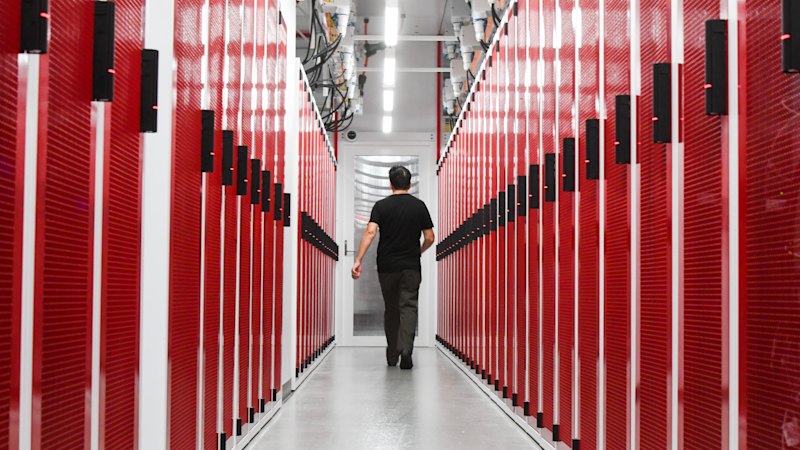
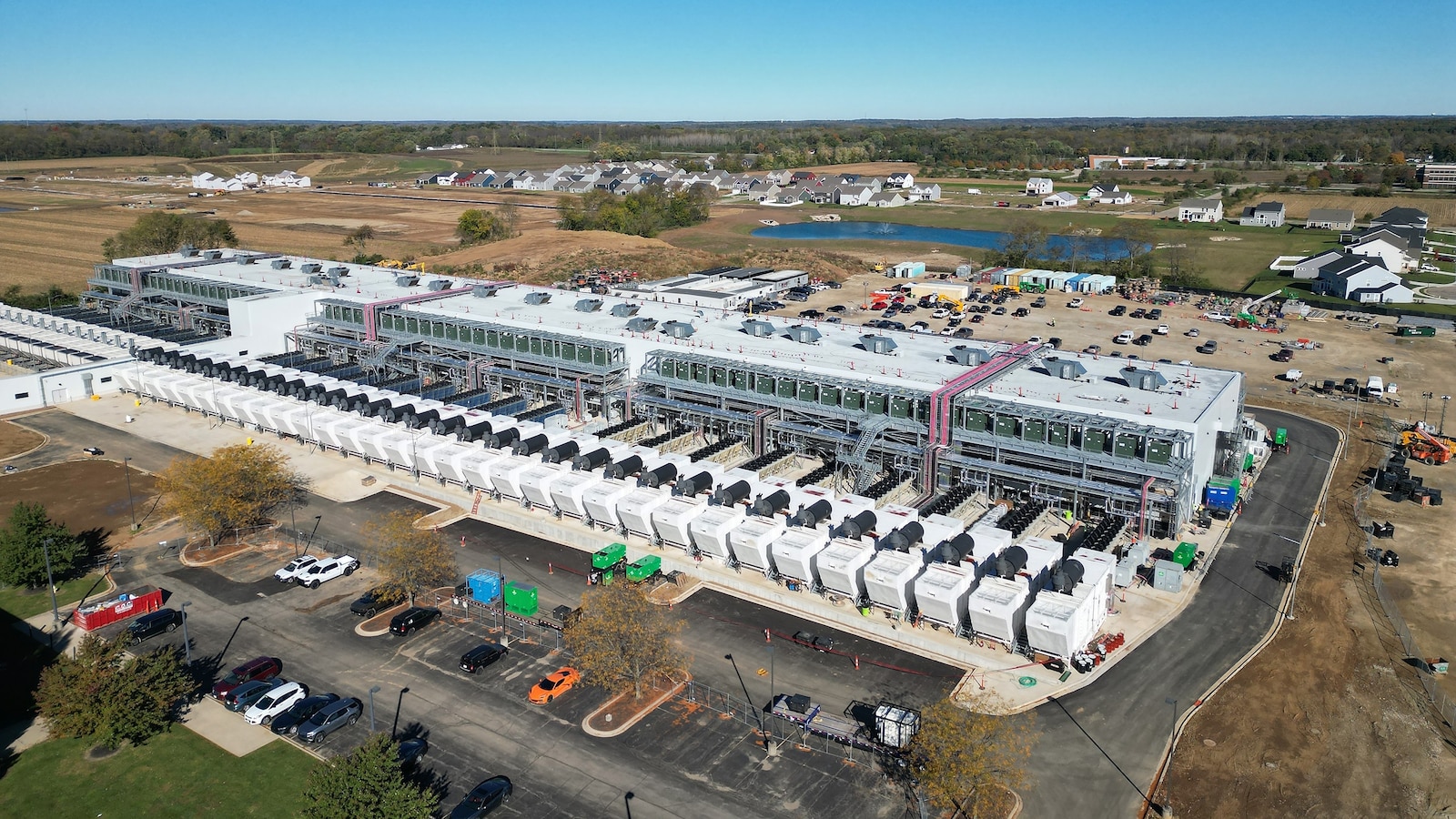
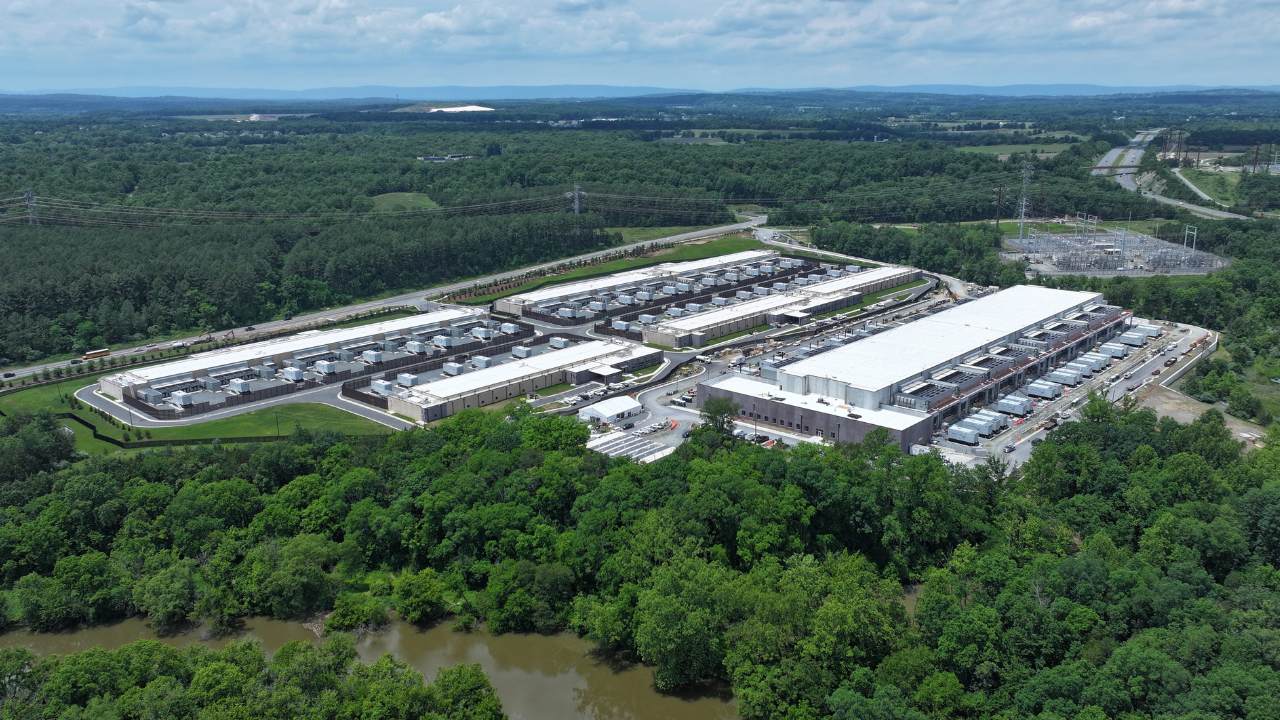
One of the most contested parts of AI has been data centre construction. asserted
One → contest → AI
Westpac economists have estimated new data centres worth $155 billion or more than 5 per cent of GDP are in the nation’s construction pipeline. asserted
centres → estimate → pipeline
But Resolve found while 32 per cent supported data centres in Australia, 33 per cent were opposed and 35 per cent were unsure. asserted
cent → find → Australia
There was a large age gap between supporters and opponents, with 42 per cent of those aged between 18 and 34 backing them compared with 22 per cent among over 55s. asserted
cent → be → 55s
Half of regular AI users support them compared with just 16 per cent of non-users. asserted
Half → support → users
The single largest concern about data centres, shared by 50 per cent of respondents, was their use of power, with 48 per cent expressing concern about their water use. asserted
cent → share → use
Thirty-seven per cent were worried about a data centre being built near them, and the same proportion were concerned about their impact on the environment. asserted
proportion → build → environment
Modelling to be released on Monday by the Smart Energy Council shows the concerns over power and water may not be misplaced. uncertain
concerns → release → power
The modelling found that adding an extra five gigawatts of demand for power from data centres without additional clean power and storage would “cannibalise” the existing grid and force up household and consumer prices. asserted
adding → find → prices
The federal government wants data centres to supply their own renewable energy sources, but there is a push by some states and territories to use existing and new fossil-fuel power sources. asserted
centres → want → sources
But the energy council argues building new fossil-fuel power stations will drive up overall costs, which it estimates at between $6.8 billion and $11.1 billion for domestic power bills and between $35 billion and $38.8 billion for the business sector. asserted
it → argue → sector
The hardest-hit state would be Queensland. asserted
state → hit → ?
The council argues the cost of new coal-fired power stations could add $1157 to the power bills of residents there over a six-year window. uncertain
cost → argue → window
Victorian and NSW consumers would also face higher power bills. asserted
consumers → face → bills
“Data centres must bring their own new, clean electricity to the table,” council chief executive David McElrea said. asserted
McElrea → bring → table
…and 1 more, not listed.

💬Give feedback
🕘History 🎫Support