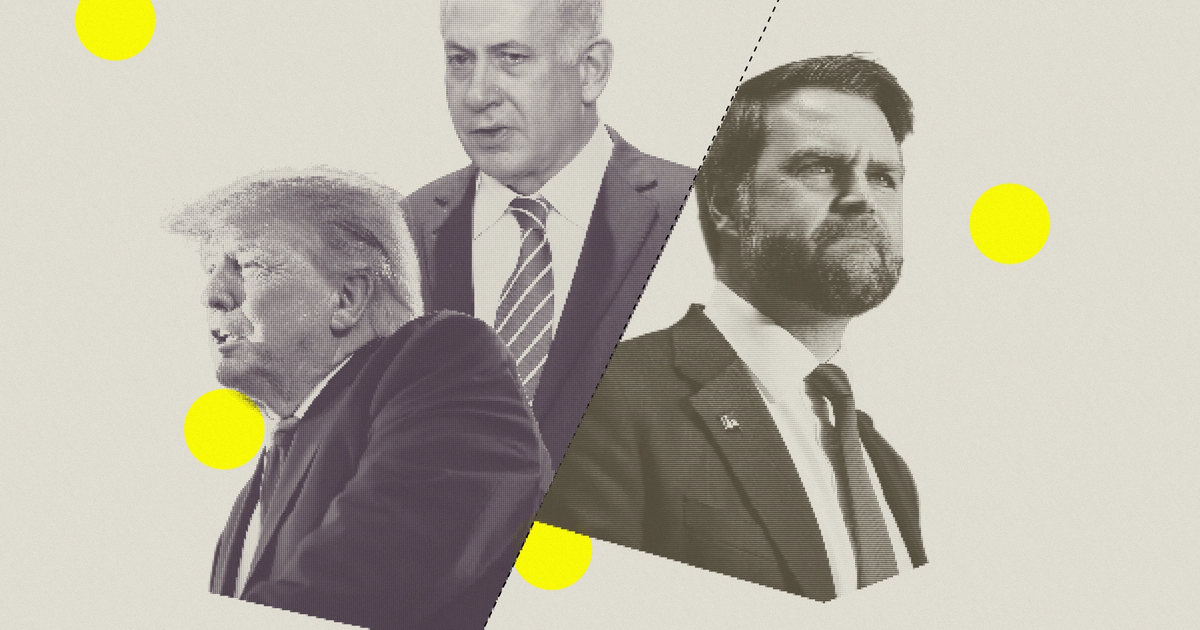
Photo via New York Post

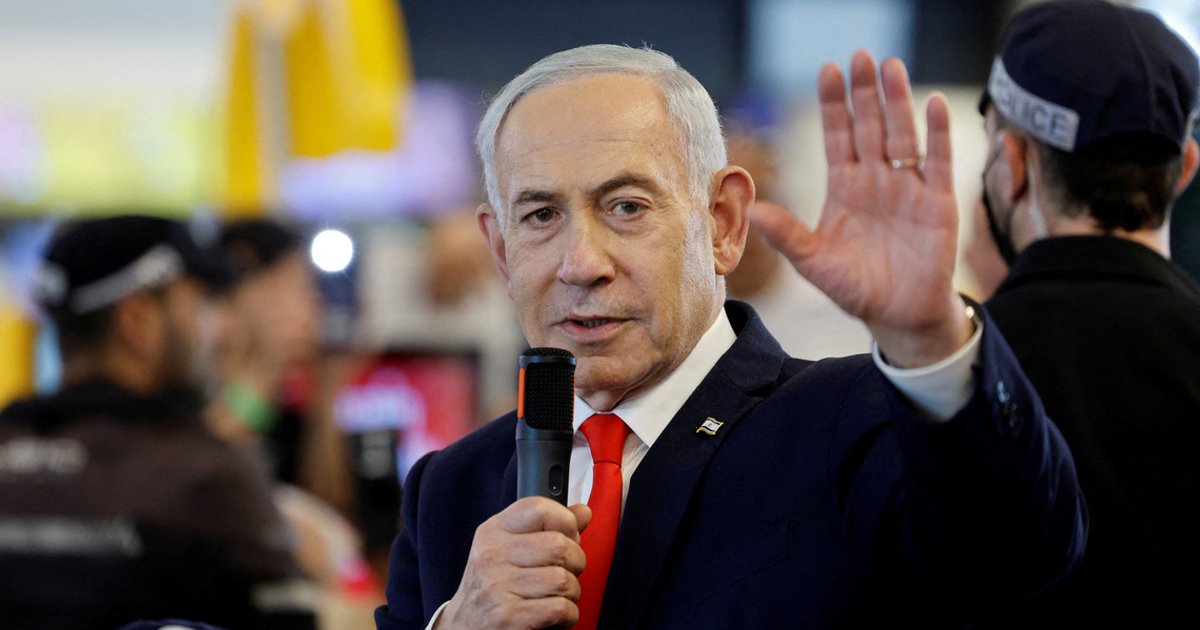
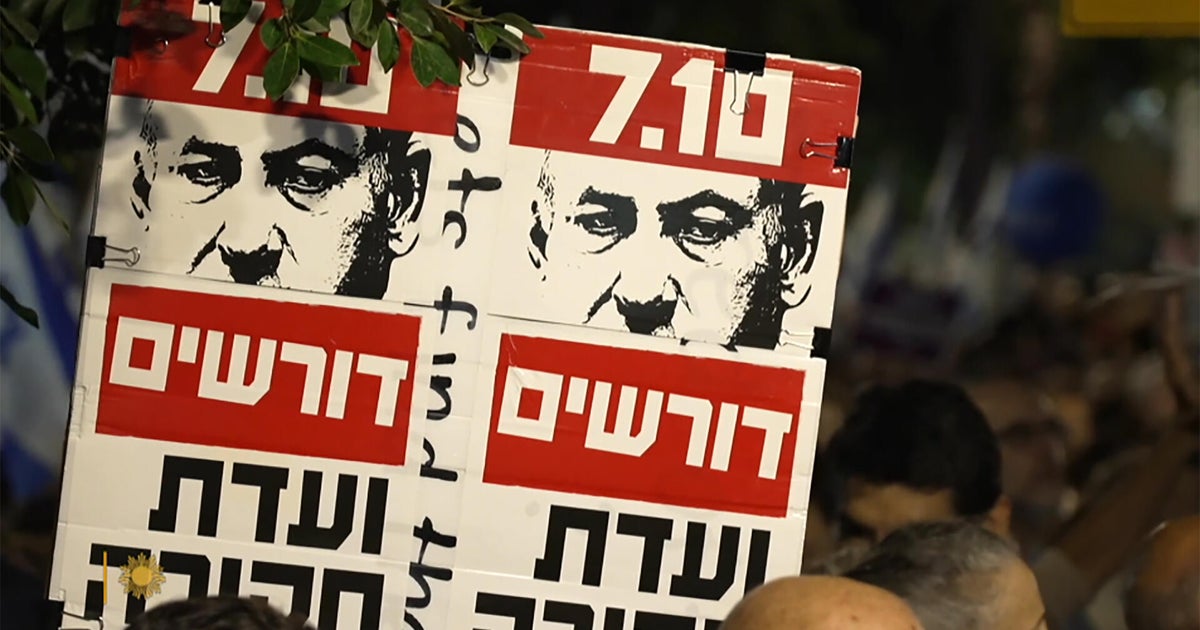
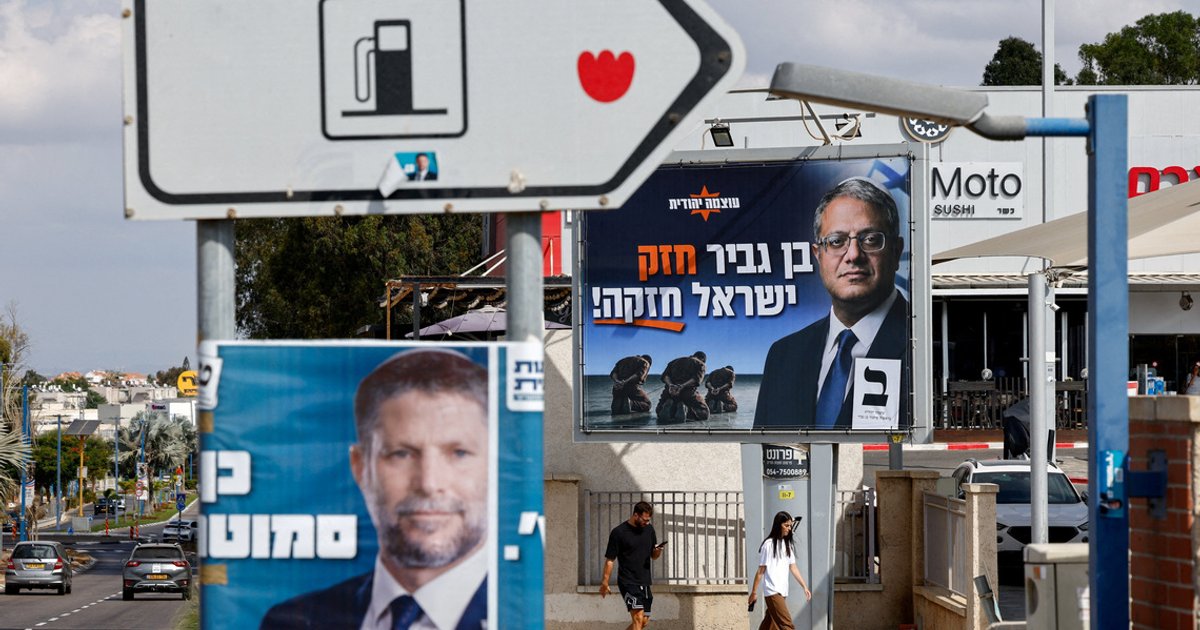
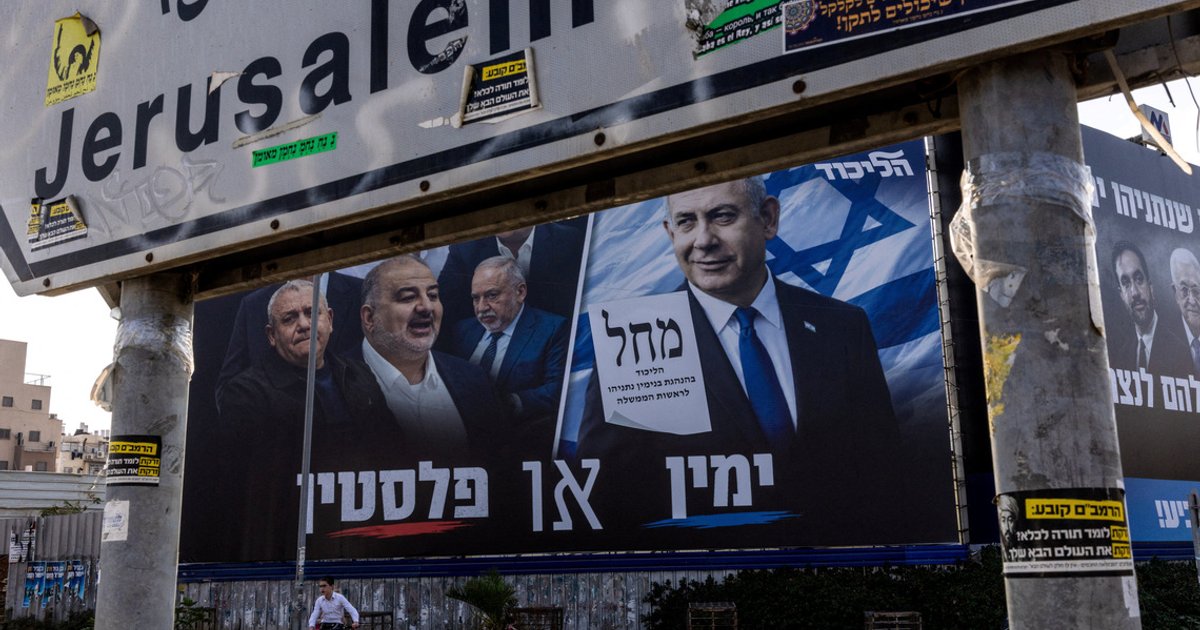
Israel’s furious Arab parties could oust Netanyahu — if the opposition will break an election promise

Read the original at New York Post ↗
Cite

Reyes, R. (2026, October 26). Israel’s furious Arab parties could oust Netanyahu — if the opposition will break an election promise. New York Post. https://nypost.com/2026/10/26/world-news/israels-furious-arab-parties-could-oust-netanyahu/

Dated from the outlet's own feed. Check the original for its byline.

New York Post · collected 2026-10-26 · by Ronny Reyes

Quick Summary

Ahead of Israel’s upcoming general elections, Israeli-Arabs could determine the outcome due to the close race between Prime Minister Benjamin Netanyahu and opposition leader Gadi Eisenkot, who each are predicted to secure around 50 seats in the Knesset, short of a majority. Both leaders will need to gain support from smaller parties like the Joint Arab List and United Arab List, which together could have at least 13 seats. Despite earlier pledges not to form alliances with these Arab parties, opposition leader Eisenkot may be compelled to reconsider his position given public opinion polls suggesting he would eventually make such deals if elected.
Written by AI on 2026-10-26, from this article's own text only (the story summary below draws on all the coverage).

AI analysis

Story summary

On October 27, 2026, Israelis voted in a closely contested parliamentary election amid ongoing tensions and recent conflicts. The main contenders were incumbent Prime Minister Benjamin Netanyahu of the Likud party and his challenger Gadi Eisenkot, leader of the newly formed Yashar party. Arab-Israeli parties, such as Ra’am and the Joint List, secured 19 seats in total, a record high reflecting growing voter dissatisfaction with Netanyahu’s leadership. Despite securing the most seats (53), Netanyahu's right-wing coalition fell short of a parliamentary majority, leaving his position uncertain. Eisenkot could potentially form an anti-Netanyahu government if he gains support from Arab-led parties and others, but negotiations remain deadlocked as no clear coalition has emerged yet.

Written for “Israeli Election Deadlock” on 2026-11-05, grounded in this article and the 230 other(s) covering the same event.

Story

📰 Israeli Election Deadlock
Politics · 231 article(s) covering the same event. Compare every outlet's account →

Compared with similar articles

This article reads leans left and hedges 13% of its claims. Each row says how that neighbour differs.
The Hindu
Hedges 7 of 33 claims Outlet record 77/100
Al Jazeera
Hedges 11 of 47 claims Outlet record 60/100
“The articles discuss different aspects and developments around the Israeli election, but do not describe the exact same specific incident at the same time.”
The Straits Times
⚖️ Leans strongly right further right than this Hedges 8 of 36 claims Outlet record 66/100
“The articles describe different stages of Israel's political situation, with Article A focusing on strategic policy and Article B on the upcoming election results and potential outcomes.”
The Hindu
⚖️ Leans left Hedges 1 of 29 claims Outlet record 77/100
“The articles discuss different aspects of the upcoming Israeli election and do not describe the same specific incident or occurrence.”
AIPAC’s shift Different event
Dawn
⚖️ Leans left Hedges 1 of 36 claims Outlet record 72/100
“The articles discuss different topics: one about AIPAC's shift in endorsing candidates, and another about potential political outcomes of an Israeli election.”
CBC News
⚖️ Leans left Hedges 6 of 46 claims Outlet record 60/100
“The articles discuss different topics within Israeli politics: one focuses on emigration trends, while the other discusses upcoming elections and potential coalition dynamics.”
CBS News
Hedges 1 of 3 claims Outlet record 69/100
The Straits Times
⚖️ Leans left Hedges 0 of 15 claims Outlet record 66/100
“The articles discuss different aspects of the upcoming Israeli election and do not describe the same specific incident.”
The Straits Times
Hedges 3 of 8 claims Outlet record 66/100
“Article A reports on Netanyahu's warning about potential Iranian disruption of elections, while Article B discusses the strategic importance of Israeli-Arab parties in forming a government after the election.”
Semafor
⚖️ Leans right further right than this Hedges 8 of 55 claims Outlet record 59/100
“The articles discuss different aspects of political situations involving Benjamin Netanyahu and Israel, but describe separate events happening in distinct contexts.”
How this article was measured signals, leaning charts, publisher record, byline, topics and claims

Signals How these are calculated →

Claims extracted
15
sentences that state something as happening or true
Uncertain
13%
2 of 15 hedged ("reportedly", "may", "according to")
Leaning
Leans left
of the writing, not the subject · beta estimate
Publisher signals
66/100
New York Post's corrections and hedging, across everything collected from it. Not a measure of accuracy.
Outlets on this story
231
Politics
Same framing elsewhere
1
articles that frame the event the way this one does
Analyzed 2026-10-26 · how these are computed

How this is being covered How these are calculated →

Article leaning vs. publisher reliability
Source leaning vs. consistency

Publisher

New York Post · 17316 article(s) · 36 correction(s) detected
Running correction rate · 36 correction(s)

Who wrote this

Ronny Reyes
72 article(s) here · 1 carrying a prediction
🔮 Iranian officials mocked President Trump over Republicans’ midterm losses and warned that the regime would deploy “new weapons” if he chooses to restart the war.
🔮 While Trump is pushing renewed negotiations with Iran, he has warned that he would “finish the job” in Iran if the Islamic Republic fails to submit to his demands.
🔮 The rant, which garnered more than 53.1 million views on X, appeared to capitalize on Trump’s own statements over the weekend that the US could take out Pickaxe Mountain “within 10 minutes.”
🔮 The teams are looking to secure a deal quickly as President Trump ramps up his warnings that all-out war could resume following the midterm elections on Tuesday.
🔮 The Pentagon estimates that US bases in the region have suffered at least $5 billion in damages, with the true cost predicted to be as high as $15 billion, the WSJ reported.
🔮 The outlet’s estimates show that between 374,000 and 770,000 Russian soldiers have been killed in action so far, a steep increase from May, when it estimated that at most 518,000 troops were dead.
🔮 Netanyahu’s Likud party will retain the most seats in the Knesset, with Likud and his allies looking to secure 54 seats, according to preliminary results — down from the 60 he currently holds.
🔮 Prime Minister Benjamin Netanyahu trailed opposition leader Gadi Eisenkot in the Israeli election Tuesday, according to exit polls — but neither bloc appeared set to win enough seats to secure a clear majority.
🔮 The acceleration is evidence that Iran will not abandon its nuclear ambition despite ongoing peace talks with the US, retired four-star Gen. Jack Keane told Fox News.
🔮 Israeli-Arabs could sway the balance of power in Israel’s general elections next week as the country’s two major parties are predicted to fall short of a majority in the Knesset.
Also by Ronny Reyes
Nothing else under this byline is closely related to this article, so these are simply their most recent.
All 72 articles by Ronny Reyes →

Topics

Arab Israel Israeli Arabs Israeli-Arabs Knesset

Subjects

Arab NORP · 6× Eisenkot PERSON · 6× Israel GPE · 3× Knesset ORG · 3× Netanyahu PERSON · 3× Abu Ras PERSON · 2× Change ORG · 2× Israeli Arabs NORP · 2× Israeli-Arabs NORP · 2× Scheindlin PERSON · 2×

Narrative

Israel’s Arab minority — who make up 20% of the population — are expected to have a high turn out in the polls to send a message to Netanyahu and lawmakers about the needs of their community, Thair Abu Ras, a researcher at the Van Leer Jerusalem Institute, said Thursday during a Brookings Institute discussion on the election.
framing: assertive · carried by 1 article(s) · first seen 2026-10-26
🔮 Israeli-Arabs could sway the balance of power in Israel’s general elections next week as the country’s two major parties are predicted to fall short of a majority in the Knesset.

Claims (15 extracted, 2 hedged)

Israeli-Arabs could sway the balance of power in Israel’s general elections next week as the country’s two major parties are predicted to fall short of a majority in the Knesset. uncertain
parties → sway → Knesset
Nearly all of Israel’s polls ahead of Tuesday’s election indicate that the parties aligned with Prime Minister Benjamin Netanyahu and opposition leader Gadi Eisenkot each get around 50 of Knesset’s 120 seats, falling short of the 61 needed to form a government. asserted
parties → indicate → government
The outcome would force both leaders to curry favor with the smaller parties in government to win. asserted
outcome → force → government
A big question remains whether the opposition will work with Joint Arab List and the United Arab List, which are predicted to get at least 13 seats. asserted
which → remain → seats
Eisenkot, a former Israel Defense Forces chief, and other opposition parties have said they will not form alliances with the Arabs. asserted
they → say → Arabs
Israel’s Arab minority — who make up 20% of the population — are expected to have a high turn out in the polls to send a message to Netanyahu and lawmakers about the needs of their community, Thair Abu Ras, a researcher at the Van Leer Jerusalem Institute, said Thursday during a Brookings Institute discussion on the election. asserted
Ras → make → election
Unlike the 5.5 million Palestinians in the West Bank or Gaza Strip, the 2.1 million Israeli Arabs have full citizenship of the Jewish state and are governed by the Knesset. asserted
Arabs → have → Knesset
While the Arab parties have typically avoided coalition politics to avoid associating themselves with leadership occupying Gaza and the West Bank, Abu Ras said the parties are now looking to play ball with Eisenkot’s Change coalition under an “ad-hoc cooperation” policy. asserted
parties → avoid → policy
“So ad-hoc cooperation is basically to work with the Eisenkot coalition, the Change coalition, on a number of issues that they’re generally in agreement with them on,” Abu Ras explained. asserted
Ras → work → them
This would include fighting Netanyahu’s judicial reform to reduce the power of the country’s Supreme Court, and establishing term limits for lawmakers that would prevent the prime minister — who has been in and out of power since 2009 — from staying in government. asserted
who → include → government
The parties would also likely push Israeli lawmakers to address the rise in organized crime and violence in Arab-majority neighborhoods, which they claim has long-been ignored. uncertain
they → push → neighborhoods
The push for the Arab parties’ active involvement comes after nearly every single member of the opposition parties, including Eisenkot’s Yashar party, rejected any form of cooperation with the minority group. asserted
member → come → group
Dahlia Scheindlin, a pollster and senior analyst at the Haaretz newspaper, said relations with Israeli-Arabs reached an all-time low after the Oct. 7, 2023, terrorist attacks — despite Israeli Arabs also being victims of Hamas. asserted
Arabs → say → Hamas
Despite his vow, Scheindlin predicted that Eisenkot will have to go back on his word and make a deal with the Arab parties if he wants to defeat Netanyahu. asserted
he → predict → Netanyahu
“Everybody expects these parties to break their promises,” Scheindlin said, citing polls where the majority of respondents believed Eisenkot will team up with the Arab parties. asserted
Eisenkot → expect → parties

💬Give feedback · no sign-in needed

No sign-in needed for now. Your note is sent without a name, so it cannot be answered.

🕘History 🎫Support