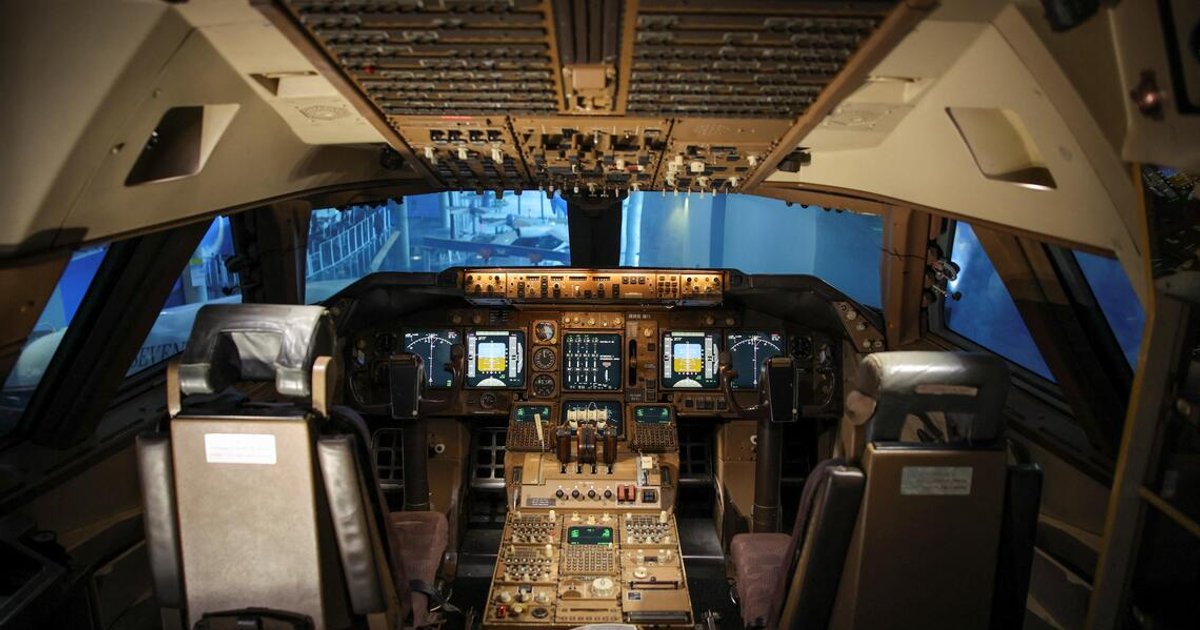
Photo via New York Post

Shocking air travel study finds majority of pilots fall asleep on the job

Read the original at New York Post ↗
Cite

Wigle, R. (2026, October 28). Shocking air travel study finds majority of pilots fall asleep on the job. New York Post. https://nypost.com/2026/10/28/lifestyle/shocking-air-travel-study-finds-3-in-4-pilots-fall-asleep-in-the-cockpit/

Dated from the outlet's own feed. Check the original for its byline.

New York Post · collected 2026-10-28 · by Reda Wigle

Quick Summary

A recent study by the European Cockpit Association (ECA) found that 76.8% of the 7,200 surveyed pilots experienced microsleeps at least once in the previous four weeks while flying. Microsleeps are brief involuntary sleep episodes lasting several seconds and can occur even with eyes open, posing significant safety risks. The study also revealed that fatigue is a major factor, with 38.8% of pilots reporting insufficient rest regularly. Additionally, only 37.2% of pilots report feeling unfit or fatigued due to fear of punishment and management backlash; 24.2% continue flying despite their condition. Furthermore, 69.1% of pilots expressed concern about negative consequences if they refused an extension under Commander’s Discretion, a rule allowing the pilot-in-command to extend flight duty periods or reduce rest periods legally.
Written by AI on 2026-10-28, from this article's own text only (the story summary below draws on all the coverage).

AI analysis

Story summary

Three in four European airline pilots have admitted to falling asleep or experiencing microsleeps in the cockpit, according to a survey by the European Cockpit Association (ECA) involving nearly 7,200 pilots across 32 countries. The study revealed that 76.8% of pilots reported at least one instance of dozing off during flight operations over the previous four weeks. Additionally, about 39% said they often lack sufficient rest, leading to cumulative fatigue. Only 37.2% of respondents indicated they typically report when too fatigued to fly, while 24.2% admitted flying despite feeling unfit due to fear of punishment or management backlash. The ECA cited these findings as indicative of a safety risk, urging airlines and regulators to address the issue through better fatigue management practices and policies that encourage pilots to speak up without fearing negative repercussions.
Written for “Pilots Reporting Microsleep Episodes” on 2026-11-03, grounded in this article and the 3 other(s) covering the same event.

Story

📰 Pilots Reporting Microsleep Episodes
Health · 4 article(s) covering the same event. See how they differ ↓

Compared with similar articles

This article reads unscored and hedges 13% of its claims. Each row says how that neighbour differs.
Fox News
Hedges 8 of 30 claims Outlet record 69/100
Daily Mail
⚖️ Leans left Hedges 5 of 19 claims Outlet record 69/100
The Straits Times
Hedges 2 of 21 claims Outlet record 66/100
How this article was measured signals, leaning charts, publisher record, byline, topics and claims

Signals How these are calculated →

Claims extracted
15
sentences that state something as happening or true
Uncertain
13%
2 of 15 hedged ("reportedly", "may", "according to")
Leaning
not political
takes no side on a contested political question
Publisher signals
66/100
New York Post's corrections and hedging, across everything collected from it. Not a measure of accuracy.
Outlets on this story
4
Health
Same framing elsewhere
1
articles that frame the event the way this one does
Analyzed 2026-10-28 · how these are computed

How this is being covered How these are calculated →

Article leaning vs. publisher reliability
Source leaning vs. consistency

Publisher

New York Post · 16405 article(s) · 35 correction(s) detected
Running correction rate · 35 correction(s)

Who wrote this

Reda Wigle
28 article(s) here · 1 carrying a prediction
🔮 “He has been held in the warm embrace of family and friends, surrounded by live music, prayer, tears, laughter, and the kind of profound emotion that only he could inspire after a lifetime of devotion to us all,” read a statement posted Thursday to Stewart’s Instagram page.
🔮 “I would make sure that’s not an adult gummy,” cautioned another.
🔮 The report called these mid-flight naps “microsleeps,” which the National Sleep Foundation defines as brief, involuntary sleep episodes lasting several seconds that the sleeper may not recognize, posing substantial safety risks for those operating a vehicle or aircraft.
🔮 According to the offended imbiber, The Corner Pocket in Williamsburg, Virginia, charged him a 20% late-night gratuity for ordering drinks after 10 p.m. The Corner Pocket, which has operated for three decades, bills itself as a “staple” in the historic community with “13 pool tables, darts, a full-service bar, a dining room and a spacious outdoor patio.
🔮 However, new research suggests Van Gogh’s “The Starry Night” is more depiction than imagination and may have been based on a real summer sky at daybreak.
🔮 “I will not rest until I have Keroppi in my hand!!!!!,” declared another.
🔮 According to the Mouselets, Potter proposed digging miles of interconnected drainage canals throughout the Disney property to clear and dry the soil for construction of what would become Walt Disney World Resort.
🔮 The airline announced this week that it will add five new nonstop North American routes, with three serving cities north of the border.
🔮 Scientists have been sounding the alarm that we are entering the opening stages of a major El Niño cycle, which could have devastating effects throughout 2027.
🔮 Maybe they are just a little busy and will be calling you at any moment.
Also by Reda Wigle
Nothing else under this byline is closely related to this article, so these are simply their most recent.
All 28 articles by Reda Wigle →

Topics

Commander’s Discretion ECA ECA Board the National Sleep Foundation the Sleep Foundation

Subjects

George PERSON · 2× Coen George PERSON · 1× ECA ORG · 1× ECA Board ORG · 1× PEOPLE ORG · 1× the European Union Aviation Safety Agency ORG · 1× the National Sleep Foundation ORG · 1× the Sleep Foundation ORG · 1×

Narrative

It urged airlines to identify and manage fatigue risk through accurate reporting, operational measures, and a safety culture “in which crew members can raise concerns without fear of negative consequences.”
framing: assertive · carried by 1 article(s) · first seen 2026-10-28
🔮 The report called these mid-flight naps “microsleeps,” which the National Sleep Foundation defines as brief, involuntary sleep episodes lasting several seconds that the sleeper may not recognize, posing substantial safety risks for those operating a vehicle or aircraft.
2026-10-28 · New York Post
Shocking air travel study finds majority of pilots fall asleep on the job · assertive framing

Claims (15 extracted, 2 hedged)

The study, released this week, found that 76.8% of the 7,200 pilots surveyed drifted off at the controls at least once in the previous four weeks. asserted
% → release → weeks
The report called these mid-flight naps “microsleeps,” which the National Sleep Foundation defines as brief, involuntary sleep episodes lasting several seconds that the sleeper may not recognize, posing substantial safety risks for those operating a vehicle or aircraft. uncertain
sleeper → call → vehicle
In some cases, the micro-dozer may appear awake, even with their eyes open, but their brain is not processing information. uncertain
brain → appear → information
Unsurprisingly, fatigue was a major contributor to microsleeping while flying, with 38.8% of pilots reporting that they usually or always lacked sufficient rest, leading to cumulative fatigue. asserted
they → microsleepe → fatigue
A culture of silence and muscling through exhaustion persists in the cockpit: only 37.2% of pilots said they report when they feel unfit or fatigued. asserted
they → persist → pilots
In comparison, 24.2% said they do not report and fly anyway, citing fear of punishment and management backlash as key deterrents. asserted
they → say → deterrents
The ECA study highlighted concerns about Commander’s Discretion, a safety rule that lets the pilot-in-command legally extend their Flight Duty Period (FDP) and/or reduce the required rest period. asserted
pilot → highlight → period
Of those surveyed, 38.3% reported using Commander’s Discretion at least once in the past month, while 15.2% reported using it twice or more. asserted
% → survey → more
About 69.1% expressed concern about negative consequences if they refused an extension. asserted
they → express → extension
Distressingly, 69.1% of pilots shared that they feared repercussions if they declined an extension. “When pilots fear career consequences, fatigue goes unreported, and the risk returns to the cockpit. asserted
risk → share → cockpit
Airlines and authorities must ensure genuinely non-punitive reporting and use of Commander’s Discretion,” ECA Board Director Capt. Coen George said in a statement. asserted
George → ensure → statement
George also noted that some airlines push crews to extend flight duty, make up for delays, and punish them for refusing to extend. asserted
airlines → note → them
“We have alerted aviation authorities multiple times about such pressures – which are clearly detrimental to our safety margins – but we still wait to see meaningful action to stop this,” said George. asserted
George → alert → this
In response, the European Union Aviation Safety Agency said in a statement shared with PEOPLE that it is taking these findings seriously. asserted
it → say → findings
It urged airlines to identify and manage fatigue risk through accurate reporting, operational measures, and a safety culture “in which crew members can raise concerns without fear of negative consequences.” asserted
members → urge → consequences
💬Give feedback
🕘History 🎫Support