The Aporia
Holcomb, A. (2026, October 28). Kylian Mbappe shouldn’t apologize for calling Mao a dictator. Washington Examiner. https://www.washingtonexaminer.com/restoring-america/courage-strength-optimism/4782889/kylian-mbappe-shouldnt-apologize-mao-zedong-dictator-meme/
Holcomb, Ali. “Kylian Mbappe shouldn’t apologize for calling Mao a dictator.” Washington Examiner, 28 Oct. 2026, https://www.washingtonexaminer.com/restoring-america/courage-strength-optimism/4782889/kylian-mbappe-shouldnt-apologize-mao-zedong-dictator-meme/.
Holcomb, Ali. “Kylian Mbappe shouldn’t apologize for calling Mao a dictator.” Washington Examiner, October 28, 2026. https://www.washingtonexaminer.com/restoring-america/courage-strength-optimism/4782889/kylian-mbappe-shouldnt-apologize-mao-zedong-dictator-meme/.
Dated from the outlet's own feed. Check the original for its byline.
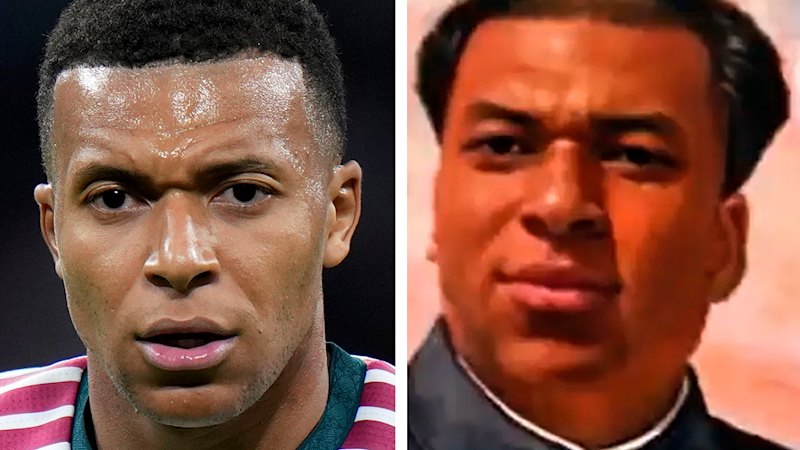
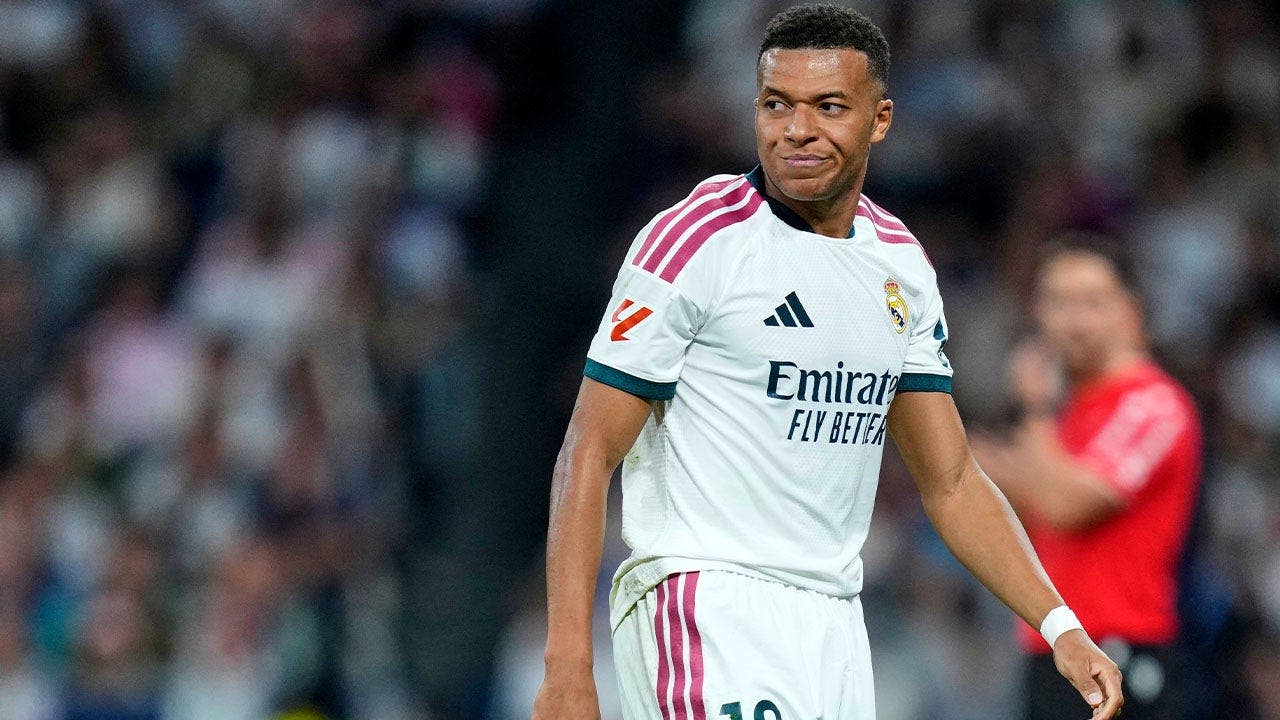
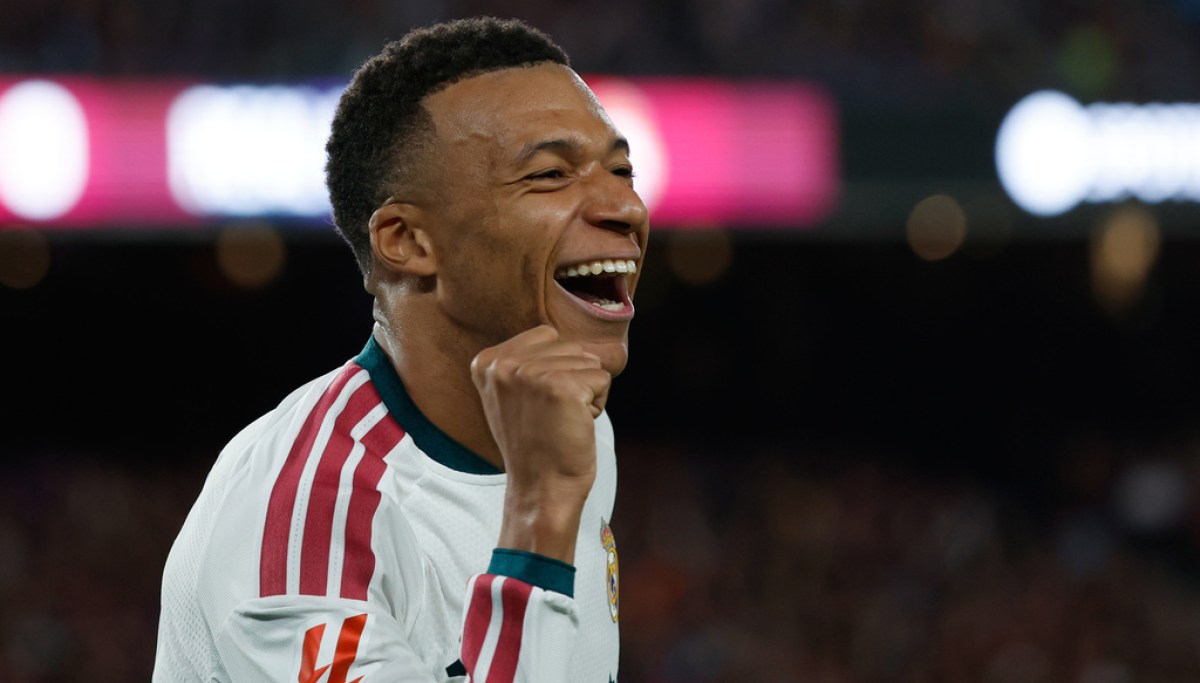
On October 27, 2026, Kylian Mbappé, a French soccer star and Real Madrid forward, faced backlash in China after comments about a meme depicting him with the face of former Chinese leader Mao Zedong. The video clip showed Mbappé responding to a question about his favorite meme, where he mentioned that Mao was "someone... I think he was a dictator." This comment led to significant outrage and criticism from Chinese social media users and government officials.
In response to the controversy, at least three major Chinese brands, including energy drink company Dongpeng and dairy brand Mengniu, severed their advertising ties with Mbappé. The companies stated they had a "zero-tolerance policy" for behavior that offends national sentiments in China. By November 2, despite Mbappé's apology to the Chinese people, Real Madrid matches continued to be banned from airing on Chinese sports channels.
The incident highlights the sensitivity surrounding discussions of Mao Zedong in contemporary China and raises questions about freedom of speech for international athletes operating in a global market with diverse cultural norms.