Photo via NPR

Trump administration wants to remove regulations on a super planet-heating gas

Read the original at NPR ↗
Cite

Simon, J. (2026, October 28). Trump administration wants to remove regulations on a super planet-heating gas. NPR. https://www.npr.org/2026/10/28/nx-s1-5995910/trump-wants-remove-regulations-planet-heating-methane

Dated from the outlet's own feed. Check the original for its byline.

NPR · collected 2026-10-28 · by Julia Simon

Quick Summary

The Trump administration plans to roll back regulations on methane emissions from oil and gas drilling sites across the U.S., reversing a Biden-era rule aimed at reducing climate-warming gases. Methane is estimated to be 80 times more potent than carbon dioxide over a twenty-year period. The proposed rollback, announced during a campaign stop in Texas, argues that it will save the industry billions of dollars and boost domestic drilling. Environmental groups counter that the move could end up costing companies more by allowing methane leaks, which reduce potential sales.
Written by AI on 2026-10-28, from this article's own text only (the story summary below draws on all the coverage).

AI analysis

Story summary

President Donald Trump announced on October 27th in Lubbock, Texas, that his administration plans to roll back methane emissions rules for oil and gas companies. This move, made during a campaign rally supporting Republican Senate candidate Ken Paxton ahead of the midterm elections, aims to save consumers and energy producers $45 billion, according to Trump's claims. The regulations, established under President Biden, aimed at reducing planet-warming methane from oil and gas drilling will now be "terminated," as per Trump’s statement. The rollback could affect around 7% to 8% of U.S. natural gas production but potentially unlock up to 210 million barrels of oil, equivalent to about 10 days of US petroleum consumption. Environmental advocates argue that the move would increase air pollution and undermine efforts to address climate change, while industry representatives welcomed the changes as a step towards greater regulatory certainty and reduced costs for small producers.

Written for “Trump Rolls Back Methane Rules” on 2026-11-01, grounded in this article and the 10 other(s) covering the same event.

Story

📰 Trump Rolls Back Methane Rules
Politics · 11 article(s) covering the same event. Compare every outlet's account →

Compared with similar articles

This article reads unscored and hedges 7% of its claims. Each row says how that neighbour differs.
The Guardian
Hedges 2 of 21 claims Outlet record 66/100
NBC News
Hedges 3 of 37 claims Outlet record 60/100
NPR
⚖️ Leans left Hedges 1 of 29 claims Outlet record 60/100
The Straits Times
Hedges 2 of 20 claims Outlet record 66/100
Washington Examiner
⚖️ Leans right Hedges 0 of 2 claims Outlet record 70/100
The Hindu
Hedges 2 of 19 claims Outlet record 77/100
Euronews
Hedges 1 of 11 claims Outlet record 60/100
The Independent
⚖️ Leans left Hedges 1 of 16 claims Outlet record 59/100
Fox News
⚖️ Leans strongly right Hedges 0 of 34 claims Outlet record 69/100
Semafor
⚖️ Leans left Hedges 1 of 12 claims Outlet record 60/100
How this article was measured signals, leaning charts, publisher record, byline, topics and claims

Signals How these are calculated →

Claims extracted
29
sentences that state something as happening or true
Uncertain
7%
2 of 29 hedged ("reportedly", "may", "according to")
Leaning
withheld
no quote in the article backed the model's score
Publisher signals
60/100
NPR's corrections and hedging, across everything collected from it. Not a measure of accuracy.
Outlets on this story
11
Politics
Same framing elsewhere
1
articles that frame the event the way this one does
Analyzed 2026-10-28 · how these are computed

How this is being covered How these are calculated →

Article leaning vs. publisher reliability
Source leaning vs. consistency

Publisher

NPR · 1001 article(s) · 3 correction(s) detected
Running correction rate · 3 correction(s)

Who wrote this

Julia Simon
1 article(s) here · 1 carrying a prediction
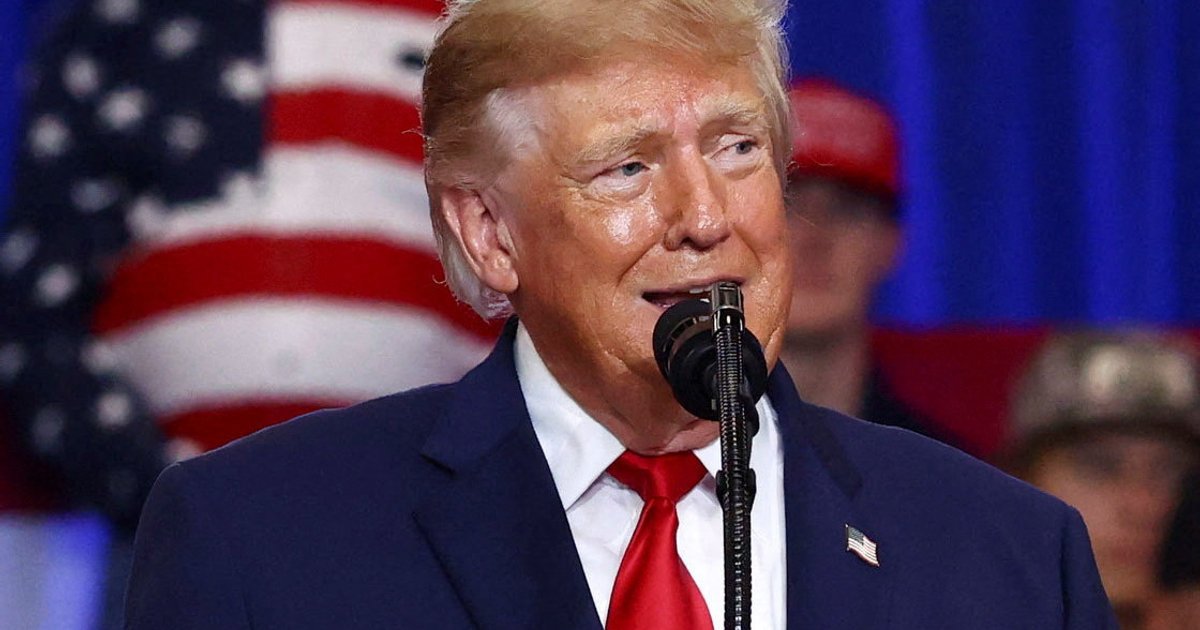
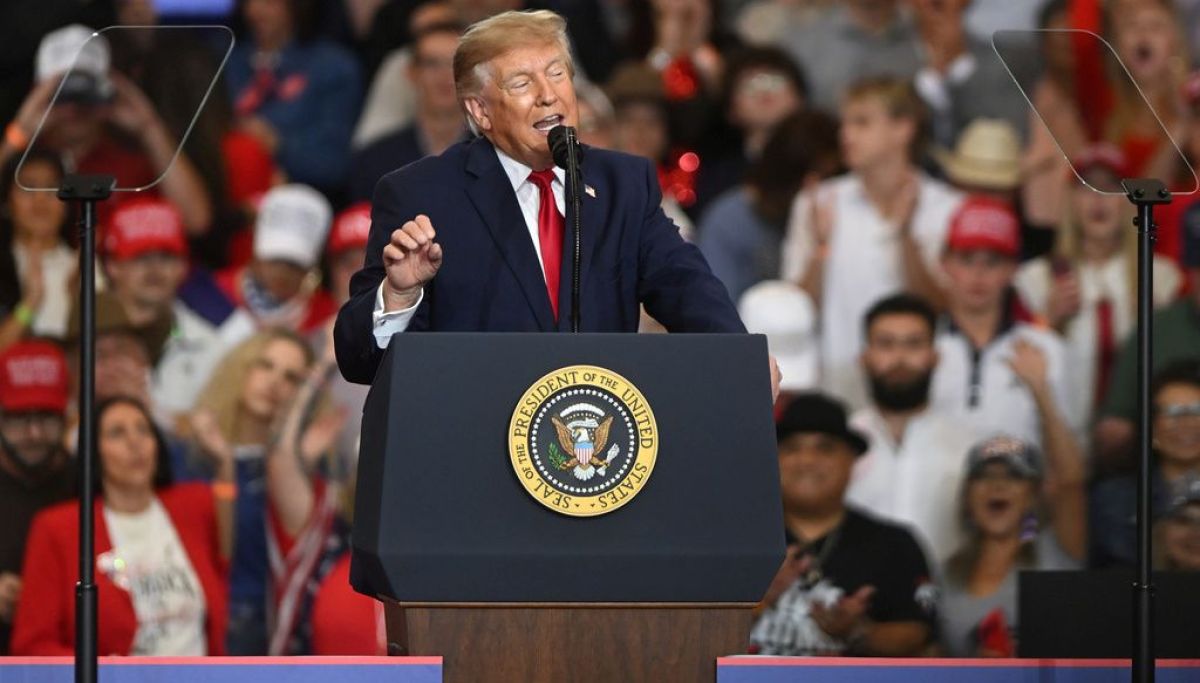
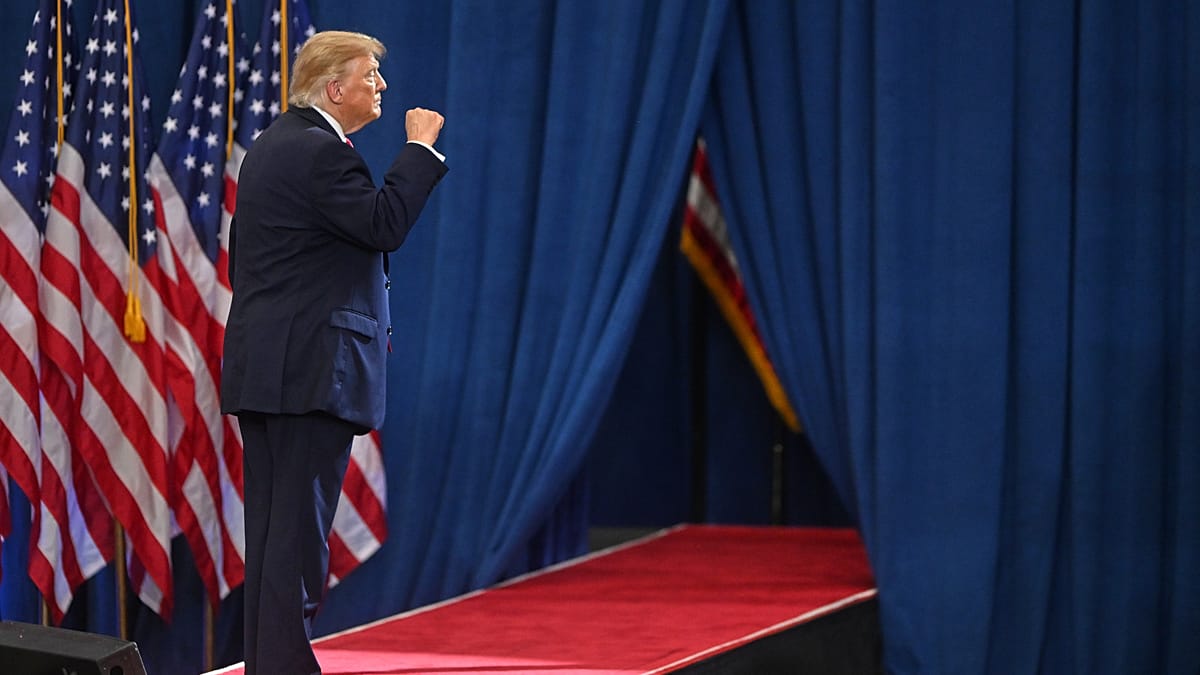
🔮 President Trump made the announcement while campaigning in Lubbock, Texas, Tuesday, saying his administration's revision, under the Clean Air Act, would save the industry billions in production costs and spur more domestic drilling.
The only article under this byline in the corpus.

Topics

EPA Lubbock Texas U.S. the Clean Air Act

Subjects

EPA ORG · 6× Trump ORG · 4× Goldstein PERSON · 3× U.S. GPE · 3× Biden PERSON · 2× Mahdavi PERSON · 2× Lubbock GPE · 1× Republicans NORP · 1× Texas GPE · 1× The Biden ORG · 1×

Narrative

"We look forward to working with the Trump administration on a more workable approach that supports American energy production, provides greater regulatory certainty and advances continued emissions reductions," Dustin Meyer, vice president at the American Petroleum Institute, a trade organization for the U.S. oil and gas industry, said in a statement.
framing: assertive · carried by 1 article(s) · first seen 2026-10-28
🔮 President Trump made the announcement while campaigning in Lubbock, Texas, Tuesday, saying his administration's revision, under the Clean Air Act, would save the industry billions in production costs and spur more domestic drilling.

Claims (29 extracted, 2 hedged)

Trump administration wants to remove regulations on a super planet-heating gas asserted
administration → want → gas
The Trump administration is proposing to dramatically scale back a Biden-era rule that aimed to cut methane emissions from the oil and gas industry at drilling sites nationwide. asserted
that → propose → sites
Methane is a major contributor to climate change and is estimated to be 80 times more planet-warming than carbon dioxide in a twenty-year time frame. asserted
Methane → estimate → frame
In 2023, the Biden administration finalized rules that were meant to rein in methane emissions from the oil and gas sector. asserted
that → finalize → sector
President Trump made the announcement while campaigning in Lubbock, Texas, Tuesday, saying his administration's revision, under the Clean Air Act, would save the industry billions in production costs and spur more domestic drilling. asserted
revision → make → drilling
The proposal comes as Republicans face a backlash from voters over high gas prices heading into the midterms. asserted
Republicans → come → midterms
"Behind every barrel of oil and every cubic foot of natural gas produced in the U.S. are millions of workers, businesses, and the heartbeat of this nation's economy. asserted
millions → produce → economy
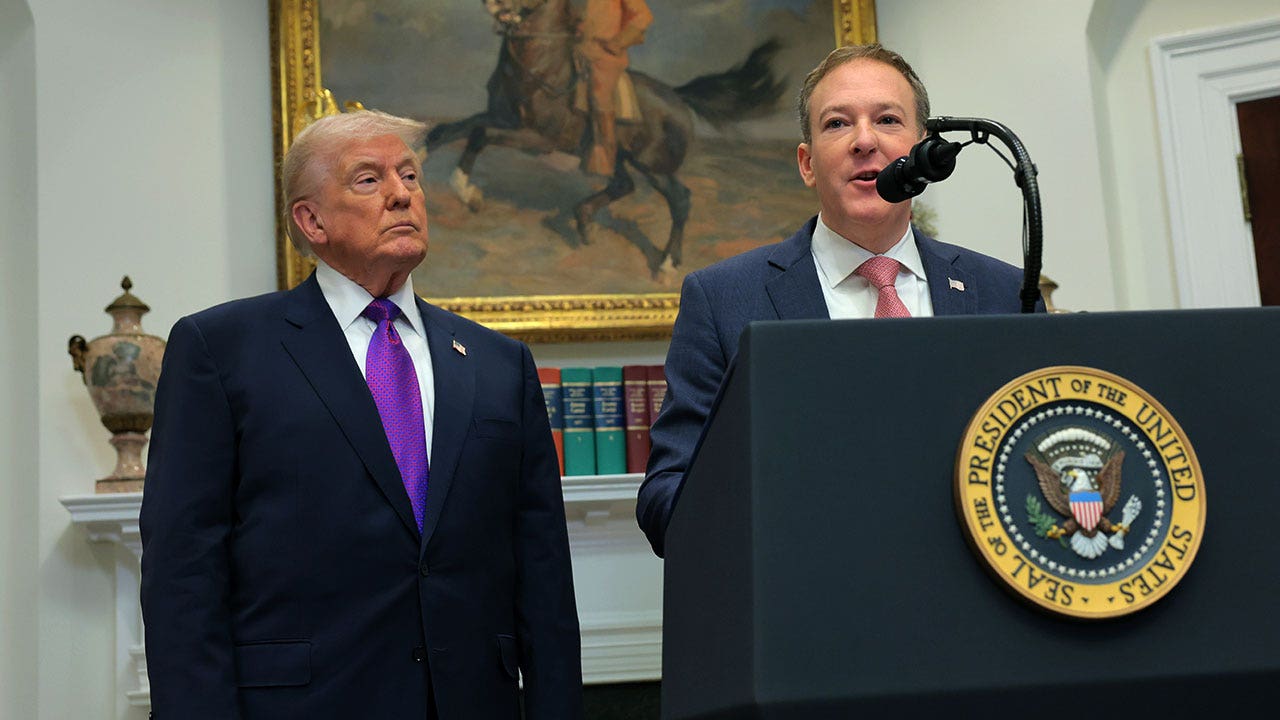
The Biden EPA destructively targeted all this," EPA Administrator Lee Zeldin said in a press release. asserted
Zeldin → target → release
The oil and gas industry, which vigorously opposed the 2023 rules, said EPA's proposed rollback will address some of the challenges companies have faced in trying to comply with the regulations. asserted
companies → oppose → regulations
"We look forward to working with the Trump administration on a more workable approach that supports American energy production, provides greater regulatory certainty and advances continued emissions reductions," Dustin Meyer, vice president at the American Petroleum Institute, a trade organization for the U.S. oil and gas industry, said in a statement. asserted
Meyer → look → statement
But environmentalists say this may end up actually costing the industry more. uncertain
this → say → more
"Methane is natural gas, or natural gas is methane," says Jon Goldstein, associate vice president at the Environmental Defense Fund. asserted
Goldstein → say → Fund
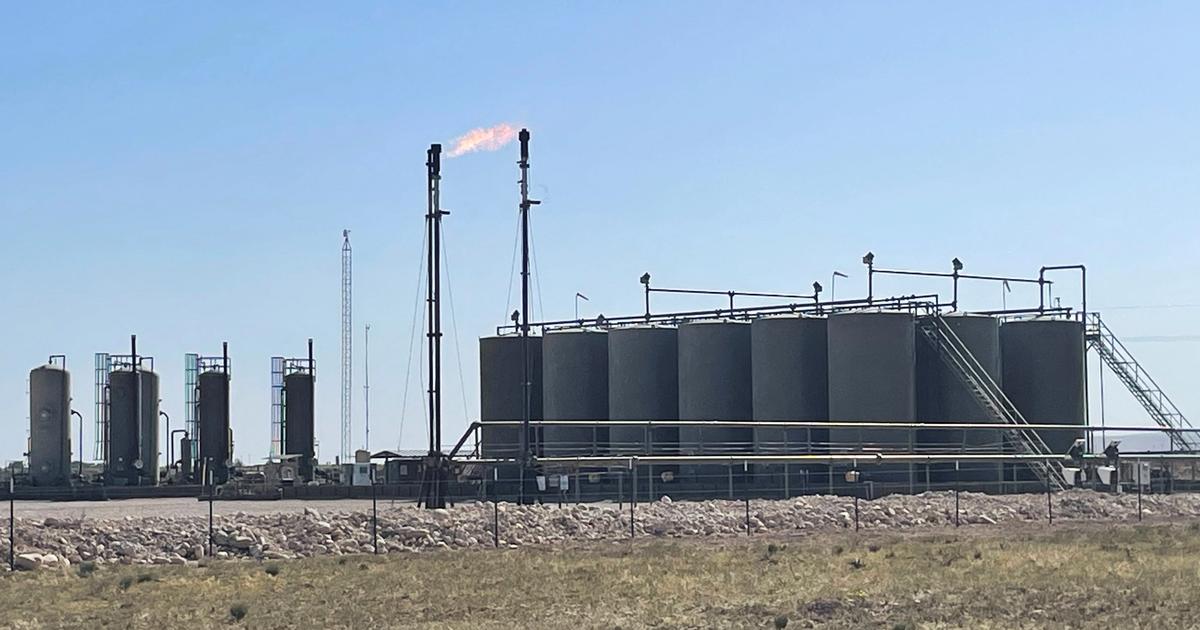
"And so if you're capturing more natural gas, you're not allowing it to leak out, you're not allowing it to be flared, you have more product that you can sell. asserted
you → capture → that
And so that offsets a lot of the costs. asserted
that → offset → costs
" "That is harmful to our energy security, and it's harmful to taxpayers that ought to be seeing royalty and tax revenue collected off of this gas that's going to waste," Goldstein adds. asserted
Goldstein → see → waste
One of the regulations the EPA wants to cut is the "Methane Super Emitter Program." asserted
wants → want → regulations
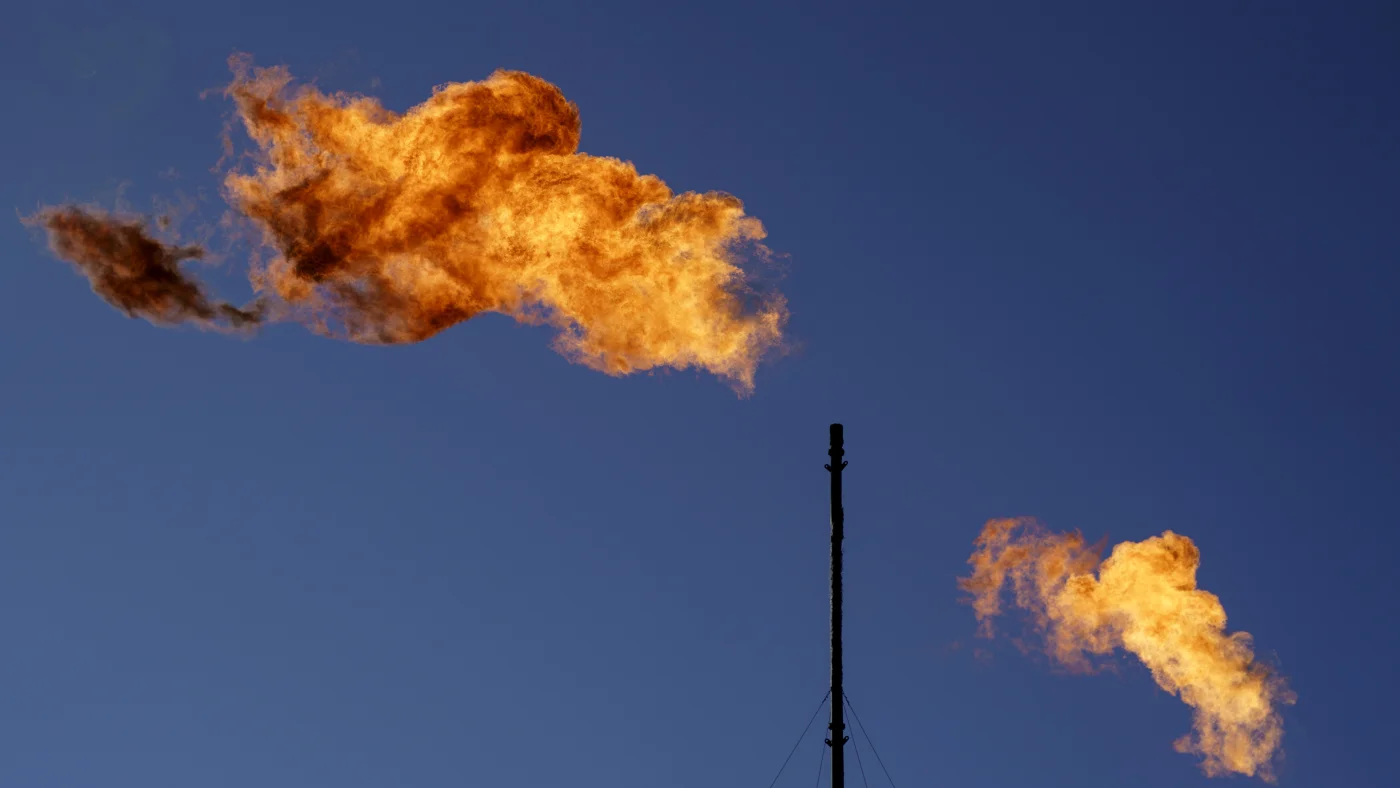
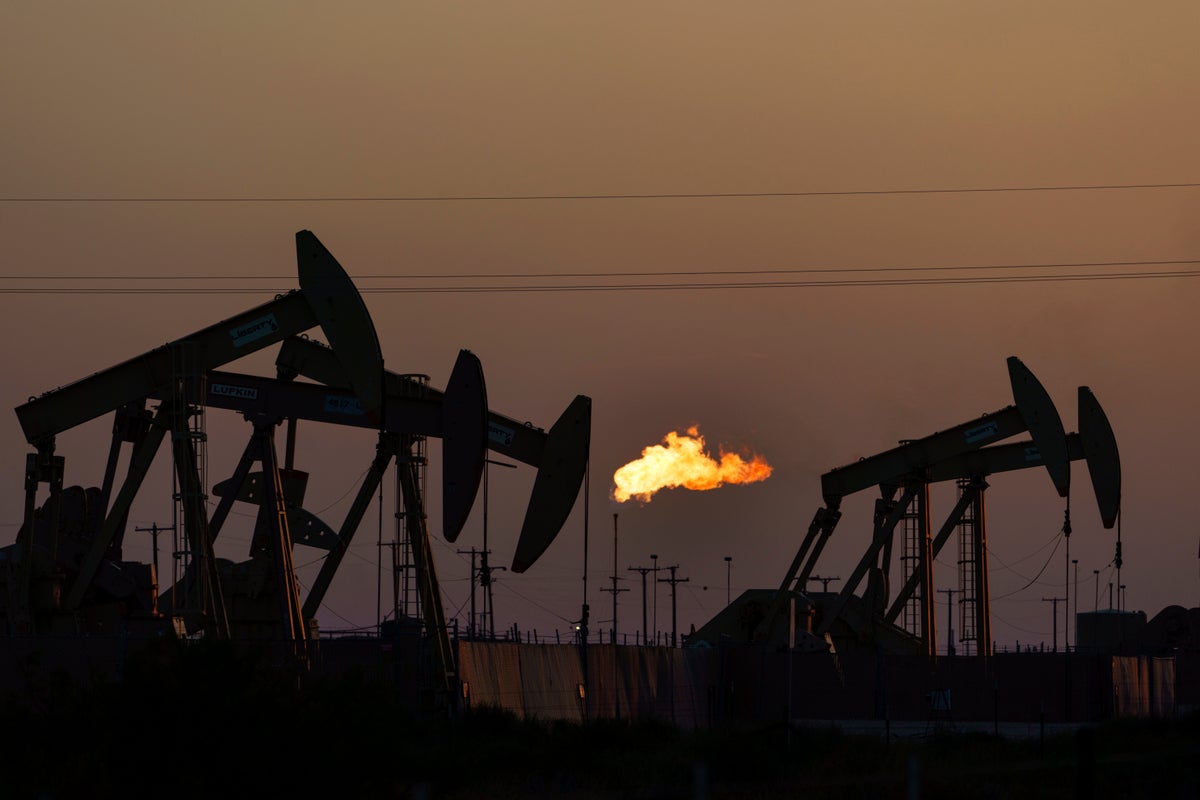
Across the U.S., oil and gas pipelines, refineries, and other energy facilities sometimes have huge leaks of methane. asserted
pipelines → have → methane
But methane is invisible and difficult, not to mention expensive, to detect. asserted
methane → mention → ?
The super emitter program is supposed to take effect in January 2027. asserted
program → suppose → January
It would allow the government to delegate monitoring for big methane leaks to certified third parties, including private and nonprofit methane satellite programs. asserted
government → allow → programs
"The easiest way to think about it is that if the government is alerted to a big leak, then if it's reported by certified third parties, then they could use that information," says Paasha Mahdavi, a political science professor at UC Santa Barbara who studies the oil industry. uncertain
who → think → industry
"[The government] needs help from other people to say, 'Hey! You're breaking the law!' so they're able to prosecute," Mahdavi adds. asserted
Mahdavi → need → law
If that program goes away, Mahdavi says it will be harder for the government to spot large leaks of the planet-heating gas from oil and gas facilities. asserted
government → go → facilities
"And we need that because it's really hard to see this stuff," he says. asserted
he → need → stuff
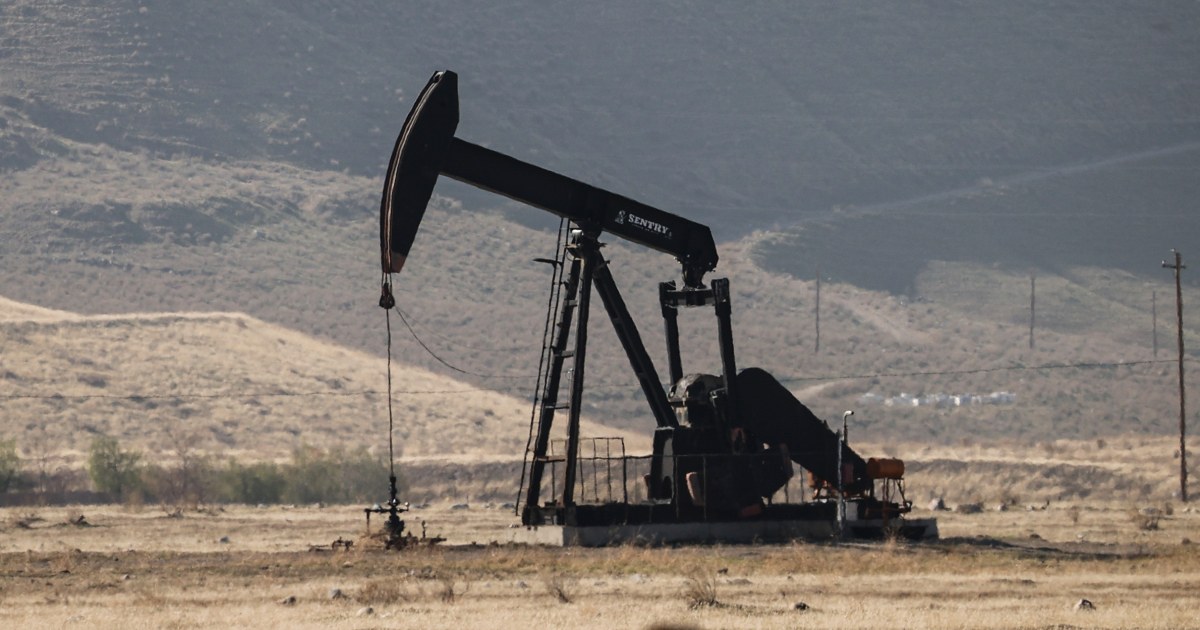
The EPA's announcement would also loosen regulations on methane leaks coming from low-volume "marginal" oil wells that are considered "marginally economic," meaning they don't make much money. asserted
they → loosen → money
"People assume marginal well must equal small emissions," Goldstein says. asserted
Goldstein → assume → emissions
But he says satellites and new technology find that's not true. asserted
that → say → ?
"These old sort of end-of-life wells nearing the end of their production life are actually responsible for the lion's share of methane pollution from the [oil and gas] production sector," Goldstein says. asserted
Goldstein → near → sector
The EPA plans to hold at least a 45-day public comment period, including a public hearing, once the proposed rule changes are published in the Federal Register. asserted
changes → plan → Register

💬Give feedback
🕘History 🎫Support