When Donald Trump won the 2024 US election against Kamala Harris, he pulled together a coalition of voters that don't have much history voting Republican.
asserted
that → win → Republican
Working class and lower income voters helped deliver him key swing states like Pennsylvania, Michigan and Wisconsin, while Hispanic voters helped turn the sun belt states of Arizona and Nevada red.
asserted
voters → deliver → Arizona
Research from Pew found that Trump voters were markedly more racially and ethnically diverse in 2024 (20 per cent non-white) than they were in 2020 (14 per cent) and 2016 (10 per cent).
asserted
they → find → 2020
Virtually all demographic groups swung to Trump in 2024, but a New York Times analysis concluded the biggest shifts were among young Black and Hispanic voters.
asserted
shifts → swing → voters
At the time of that election, strategists wondered if Trump had catalysed a political realignment in the country that would continue to work in Republicans' favour.
asserted
that → wonder → favour
But converting irregular voters into reliable members of the Republican base is not easy.
asserted
converting → convert → base
Two years on, as the cost of living bites, they don't appear to have stuck around, and the Hispanic voters that swung behind Trump have either swung right back to the Democrats, or are choosing to sit this election out.
asserted
that → bite → election
The Republican Party appears almost certain to lose control of the House of Representatives in next week's midterm elections.
asserted
Party → appear → elections
Democrats also lead in polls in more than enough Senate races to be able to take control of that chamber as well (although many of those leads are within the margin of error).
asserted
many → lead → error
Among the list of prizes that Democrats are hoping to pick up next week, the state of Texas glistens seductively.
asserted
state → hop → Texas
Democrats haven't won a senate seat in the state since 1988, but this year, their candidate James Talarico is leading Republican candidate Ken Paxton in polling.
asserted
candidate → win → polling
Republicans appear to be vulnerable in deep red states, and in recent weeks Trump has held rallies on Kansas, Iowa, Oklahoma and Alabama.
asserted
Trump → appear → Kansas
That is not the strategy of a party that's feeling confident.
asserted
that → feel → party
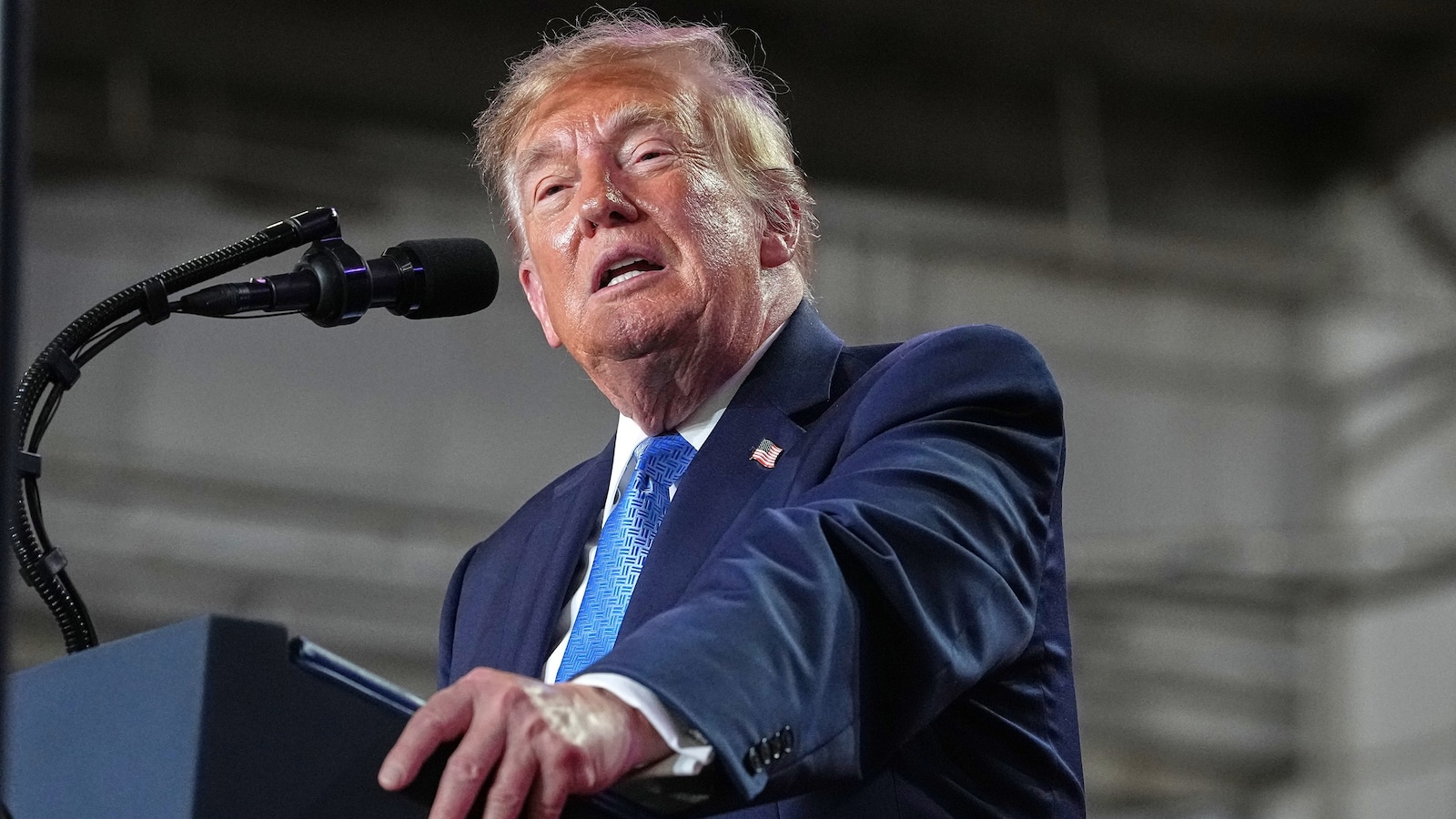
Donald Trump isn't on the ballot this year, but at rallies he has repeatedly asked voters to "pretend" he is.
asserted
he → ask → voters
"They say that Trump does great when he's on the ballot, but when he's not on the ballot … his people don't come and they don't vote for senators, congressmen," he said at a rally in South Carolina in August.
asserted
he → say → August
Part of the Trump campaign's strategy in 2024 was to increase turnout rates among people who would usually stay home.
asserted
who → increase → people
Among the group of people who voted in that election but not in 2020, Pew estimated Trump had a 12 percentage point lead over Harris.
asserted
Trump → vote → Harris
High turnout helped him two years ago.
asserted
turnout → help → him
Trump wants voters to be thinking about him when they consider voting, because last time that drove lots of people to the polls.
asserted
that → want → polls
Nobody's ever seen a president so disliked
American politicians are, as a general rule, held in much lower regard now than they used to be.
asserted
they → see → regard
But amidst an unpopular bunch, Donald Trump is reaching new depths.
asserted
Trump → reach → depths
YouGov and the Economist have been regularly tracking views on US presidents by asking voters whether they approve or disapprove of the job the leader is doing.
asserted
leader → track → job
In his first term, Trump was into net negative territory effectively from the moment he took office.
asserted
he → take → office
But in his second term, Trump has plummeted.
asserted
Trump → plummet → term
A week out from polling day, the Economist recorded a net approval rating of -27, with 34 per cent of voters approving of the job he's doing and 61 per cent disapproving.
asserted
cent → record → job
That is a lower net approval rating than any other president has recorded just before their midterm elections since World War II.
asserted
president → record → II
Given the president's party nearly always goes backwards in the House of Representatives, and that the Republicans only need to lose three seats to lose control of the House, it's not hard to see why forecasters are tipping a Democrat win.
asserted
forecasters → give → win
If the midterms go as poorly for Republicans as opinion polls suggest, it could threaten Trump's command of the public's attention, as well as his authority over his party.
While he'll be in office for another two years, there's always an election around the corner in the US, and once the midterms are behind us attention will start to shift to the 2028 presidential election.
The results of these midterm elections will be an important moment in defining Trump's political legacy, as candidates start to position themselves for potential runs.
uncertain
candidates → go → runs
The current president regularly backs his preferred candidates in Republican primaries, and he believes his endorsement carries weight.
asserted
endorsement → back → weight
But will Republicans in the future be keen to embrace the Trump political project, or will they be keeping their distance the moment he's seen as a lame duck president?
asserted
he → embrace → president
 The Aporia