Claims extracted
22
sentences that state something as happening or true
Uncertain
5%
1 of 22 hedged
("reportedly", "may", "according to")
Leaning
not political
takes no side on a contested political question
Publisher signals
66/100
The Guardian's corrections and
hedging, across everything collected from it. Not a measure of accuracy.
Outlets on this story
150
World
Same framing elsewhere
1
articles that frame the event the way this one does
Spain has begun three days of mourning after a high-speed rail collision – its second this year – killed 68 people and injured scores, with relatives desperately seeking news about their loved ones.
asserted
relatives → begin → ones
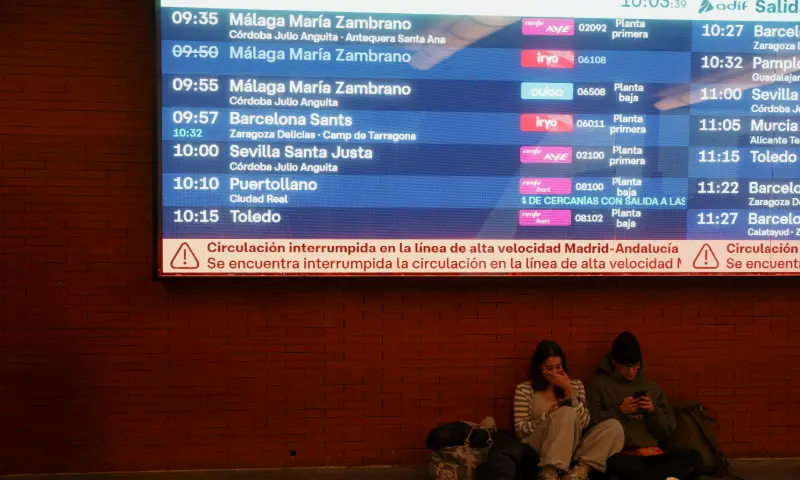
The trains, one from Spain’s state-owned Renfe and the other from the private rail company Iryo, were travelling on Wednesday morning in the same direction on the line that stretches from the Spanish capital, Madrid, to the southern region of Andalusia.
asserted
that → own → Andalusia
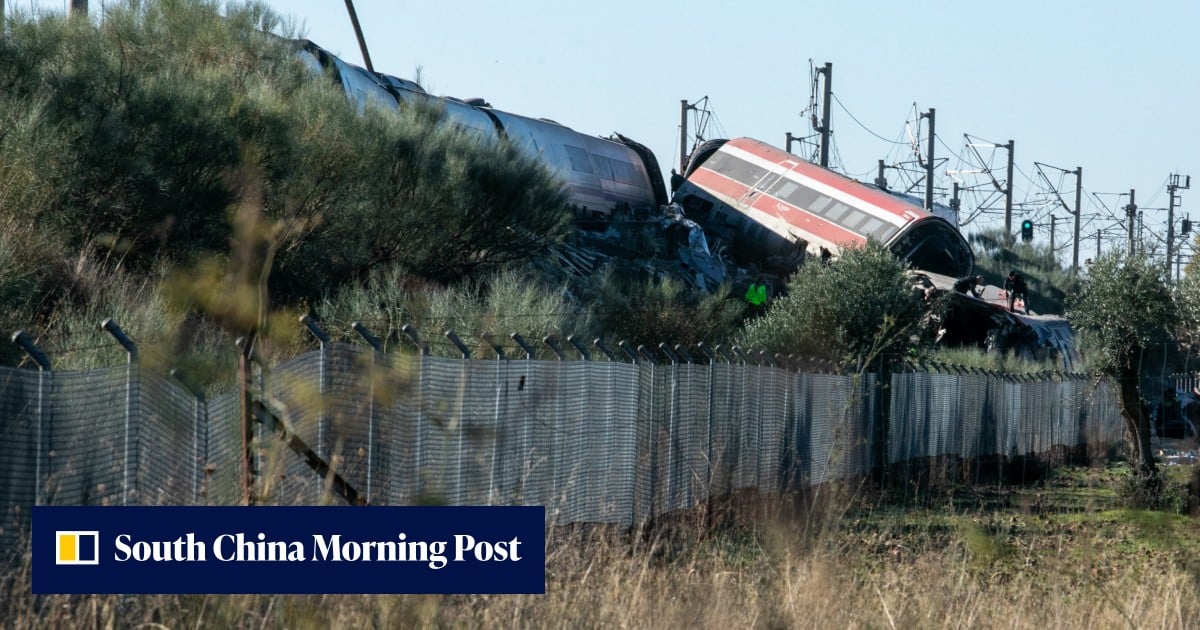
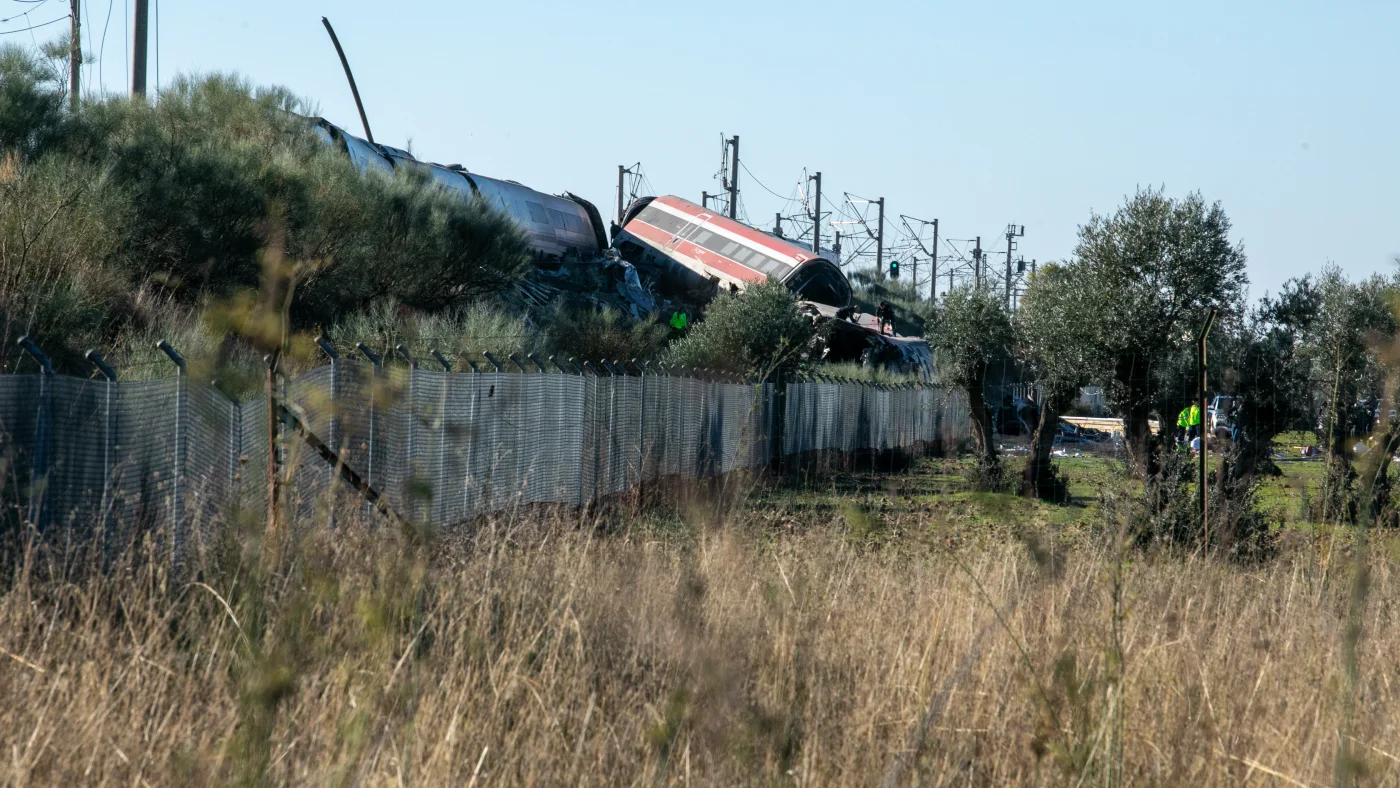
After the Iryo train came to a halt, the other slammed into its rear, knocking several carriages off the track near the town of Urda.
asserted
other → come → Urda
Officials said on Wednesday another 107 people had needed medical treatment in hospital, including 15 who were in a serious condition.
asserted
who → say → condition
The disaster has raised fresh questions about safety on Spain’s rail network after the transport minister reported an “error” and “inexplicable circumstances” that led to the crash.
asserted
that → raise → crash
Emergency services combed through the wreckage overnight to find further victims, hoisting pieces of mangled metal with cranes, according to Agence France-Presse.
Emiliano García-Page, the leader of the Castilla-La Mancha regional government, told reporters on Wednesday that more victims were likely as “it has not yet been possible to reach the bottom of the carriages”.
uncertain
it → comb → carriages
The Civil Guard has set up four offices in the cities of Madrid, Toledo, Córdoba and Seville to enable relatives to provide DNA samples and help identify victims.
asserted
Guard → set → victims
Blood donation points have also been set up in Castilla-La Mancha and Madrid.
asserted
points → set → Mancha
A school in the nearby village of Urda, around 130km (80 miles) south of Madrid, is being used to allow relatives to enquire about their loved ones.
asserted
relatives → use → ones
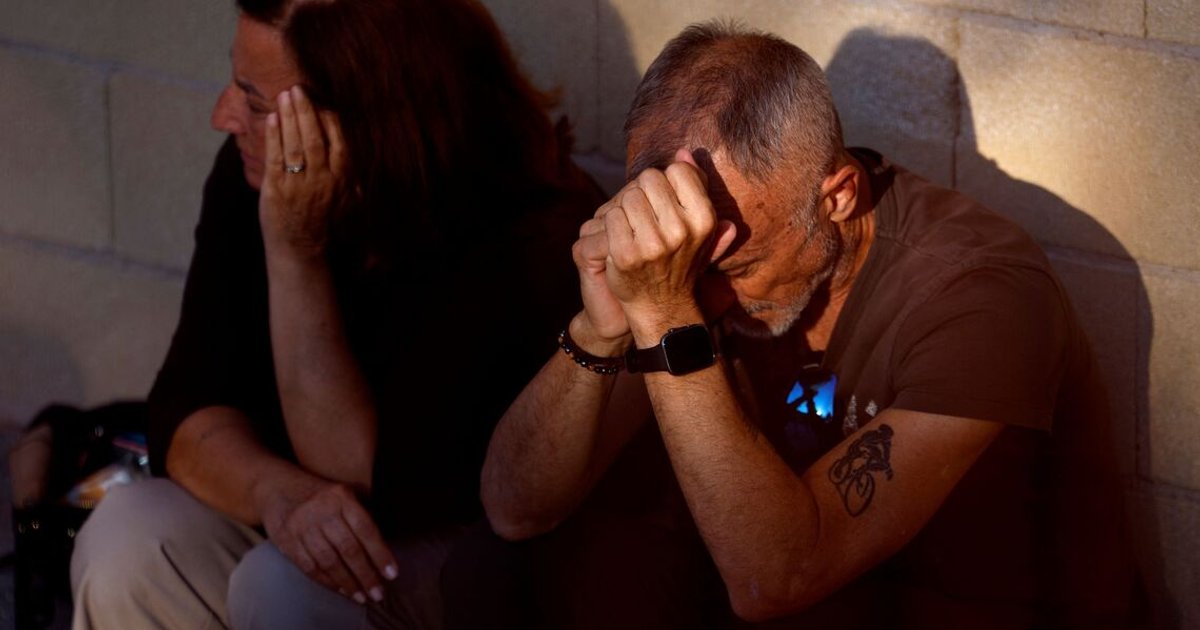
Teams of Red Cross workers offered support to groups of people who arrived, some of them in tears.
asserted
some → offer → tears
Red Cross psychologist Carmen Garcia said “long and hard hours” were in store because “every person will manage it in their own way”.
asserted
person → say → way
“We have people who are in shock, who haven’t taken on board what has happened, angry people, sad, worried people.
asserted
what → have → board
The grieving will be complicated,” Garcia said.
asserted
Garcia → complicate → ?
In January, 46 people were killed and dozens more injured after two trains – again, one from Renfe and one from Iryo – collided on the same line near the town of Adamuz in Andalucía.
asserted
trains → kill → Andalucía
The prime minister, Pedro Sánchez, said it was “unacceptable for a country like Spain to suffer two high-speed train accidents in the same year, as we have”.
asserted
we → say → year
The causes of the accident were under investigation, he added.
asserted
he → add → investigation
If it emerged that it was due to failures in the security system or negligence, these shortcomings would be addressed with the “utmost severity”, he said.
asserted
he → emerge → severity
The first victims to be named included a 31-year-old Guardia civil agent, José Manuel Chacón.
asserted
victims → name → agent
The national law enforcement agency expressed its “deepest condolences” to his family, friends and colleagues.
asserted
agency → express → family
Spanish media said the missing included a former minister for the People’s party and several foreigners who were likely on holiday in the country.
asserted
who → say → country
The opposition People’s party leader, Alberto Núñez Feijóo, called for an immediate investigation into what had happened, as well as a “complete and independent review” of Spain’s entire rail network.
asserted
what → call → network
“Spain has the right to know what is going on with its infrastructure,” he told reporters.
asserted
he → have → reporters
 The Aporia