The Aporia

Roff, P. (2026, October 29). Code name ‘Zane,’ secret flights, and a decoy: The DSCC’s Alaska shadow campaign. Washington Examiner. https://www.washingtonexaminer.com/op-eds/4784397/alaska-senate-dan-sullivan-decoy-candidate/
Roff, Peter. “Code name ‘Zane,’ secret flights, and a decoy: The DSCC’s Alaska shadow campaign.” Washington Examiner, 29 Oct. 2026, https://www.washingtonexaminer.com/op-eds/4784397/alaska-senate-dan-sullivan-decoy-candidate/.
Roff, Peter. “Code name ‘Zane,’ secret flights, and a decoy: The DSCC’s Alaska shadow campaign.” Washington Examiner, October 29, 2026. https://www.washingtonexaminer.com/op-eds/4784397/alaska-senate-dan-sullivan-decoy-candidate/.
Dated from the outlet's own feed. Check the original for its byline.
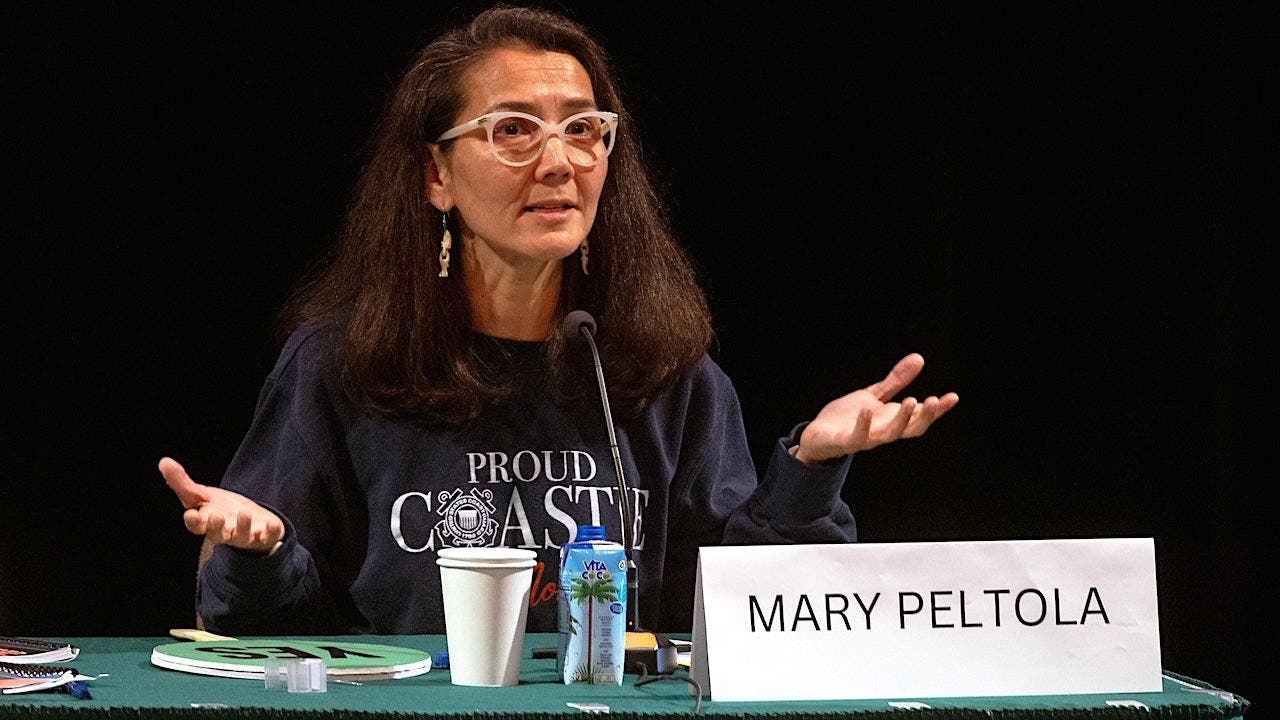
As of October 28, 2026, The New York Times reported that Mary Peltola, a Democratic Senate candidate in Alaska, and senior officials from the Democratic Senatorial Campaign Committee (DSCC) were involved in recruiting spoiler candidates to challenge incumbent Republican Senator Dan Sullivan. Specifically, they allegedly recruited another candidate named Dan J. Sullivan to run under the same name as the incumbent but with different initials. This strategy was aimed at confusing voters and potentially splitting the Republican vote.
The story gained traction across multiple news outlets, including Washington Examiner, Reason Magazine, and Fox News, emphasizing allegations of voter deception and election interference in Alaska's Senate race scheduled for November 3. However, Mary Peltola denied knowledge of any efforts to recruit a second Dan Sullivan candidate on October 30.
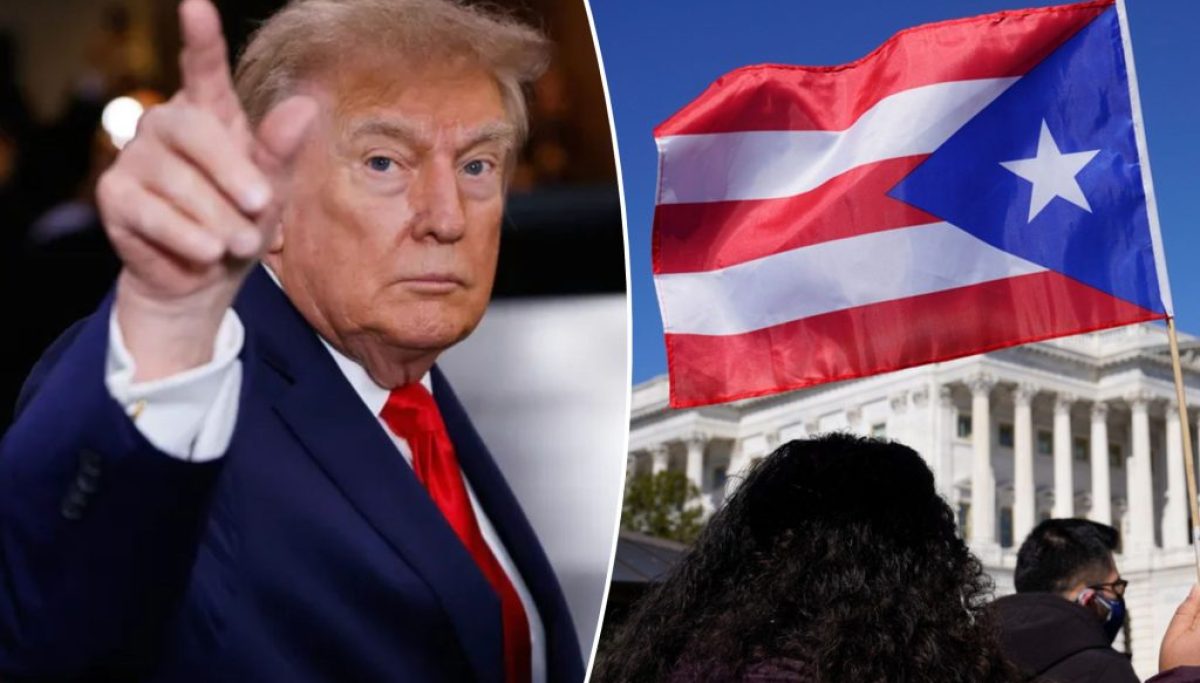
President Donald Trump has since called for changes to the ballot and suggested potential prosecution, though legal experts argue that such claims are unlikely to hold up in court. The race is considered crucial as it could determine the balance of power in Congress, making voter confusion a significant concern.