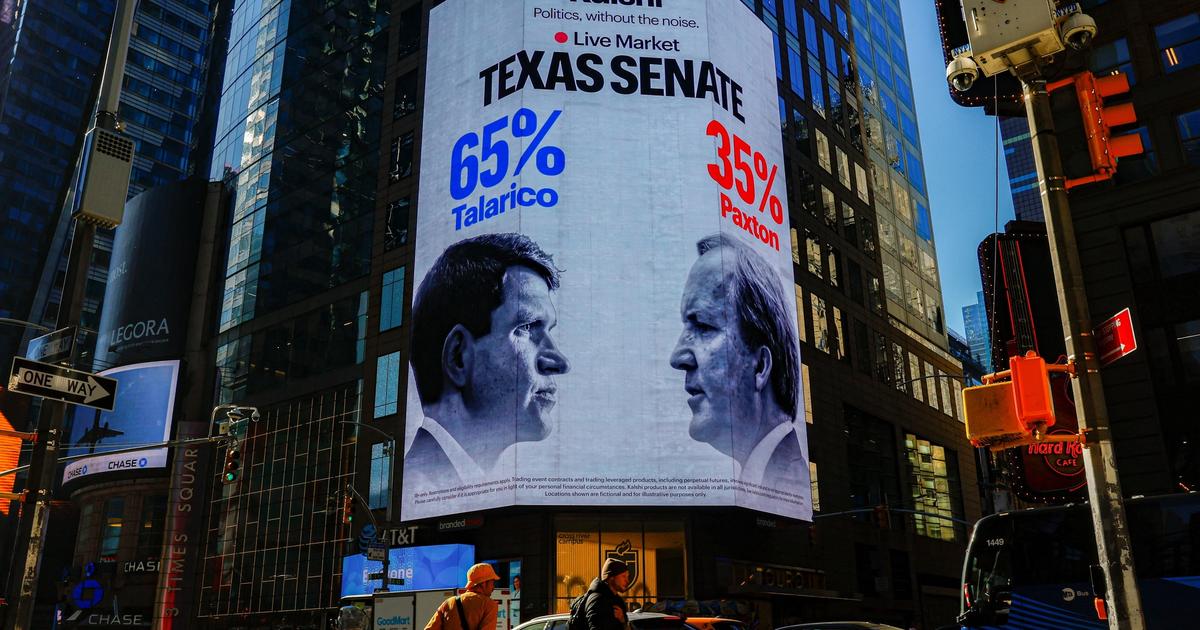
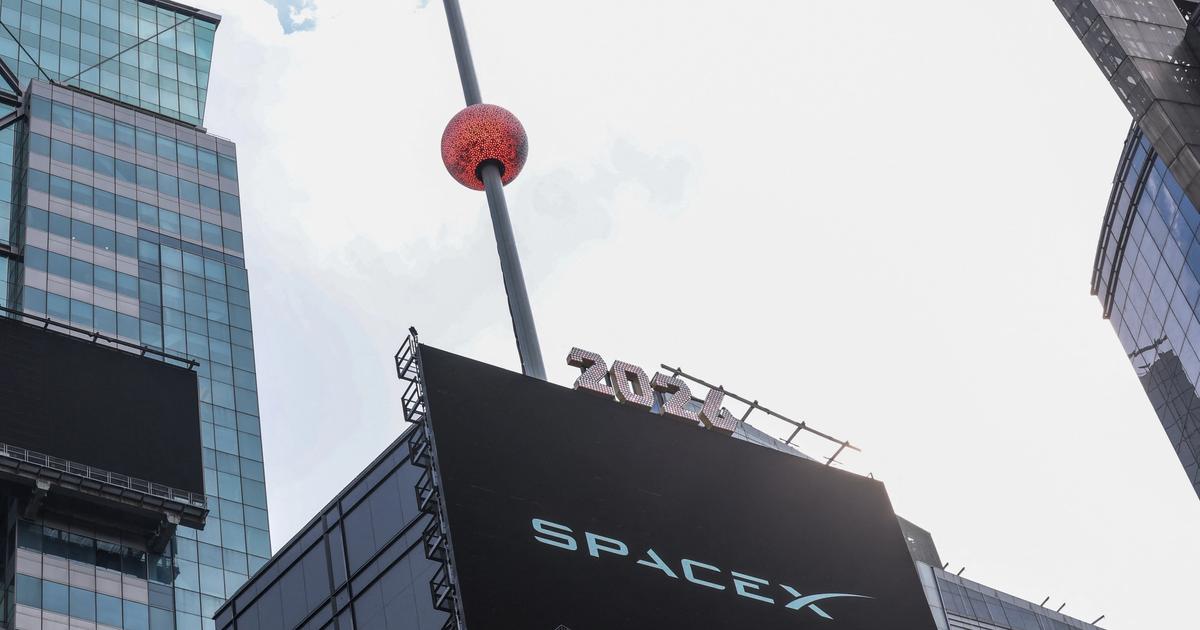
Photo via Semafor

Prediction markets flop on recent elections

Read the original at Semafor ↗
Cite

Hoffman, L. (2026, October 30). Prediction markets flop on recent elections. Semafor. https://www.semafor.com/article/10/30/2026/prediction-markets-flop-on-recent-elections

Dated from the outlet's own feed. Check the original for its byline.

Semafor · collected 2026-10-30 · by Liz Hoffman

Quick Summary

Prediction markets recently failed to accurately predict outcomes in Brazil, Israel, and Serbia, missing key electoral results despite giving strong probabilities for favored candidates. These failures have raised doubts about their reliability as risk management tools for investors. The article highlights specific instances where the prediction platforms Kalshi and Polymarket overestimated conservative candidates' chances of winning, leading to potential financial losses for those who relied on these predictions to make trades.
Written by AI on 2026-10-31, from this article's own text only (the story summary below draws on all the coverage).

AI analysis

Story summary

Prediction markets failed to accurately predict outcomes in recent elections, leading to significant losses for traders who relied on them. Polymarket and Kalshi, two popular prediction platforms, both gave Brazilian conservative Flávio Bolsonaro a 4-in-5 chance of winning the election, but he lost to the progressive incumbent, costing investors in Brazil’s currency and stocks. Additionally, these markets overestimated the chances of Netanyahu’s challenger in Israel and incorrectly favored the incumbent Serbian strongman before his loss. The inaccuracies have raised concerns about the reliability of prediction markets as a tool for making investment decisions.

Written for “Prediction Markets Fail Elections” on 2026-11-01, grounded in this article and the 0 other(s) covering the same event.

Story

📰 Prediction Markets Fail Elections
Economy/Business · 1 article(s) covering the same event.

Compared with similar articles

This article reads leans left and hedges 0% of its claims. Each row says how that neighbour differs.
The Guardian
⚖️ Leans strongly left further left than this Hedges 7 of 49 claims Outlet record 66/100
“The articles discuss different topics: one focuses on Trump's political maneuvering regarding Ukraine and election outcomes in Brazil and Serbia, while the other discusses prediction markets failing to accurately predict recent elections.”
Semafor
⚖️ Leans left Hedges 0 of 7 claims Outlet record 60/100
“While both articles discuss unexpected election results and their impact on financial markets, they do not describe the same specific incident. ARTICLE A focuses on the immediate market reaction to Lula's reelection in Brazil, while ARTICLE B discusses broader issues with prediction markets across multiple elections.”
How this article was measured signals, leaning charts, publisher record, byline, topics and claims

Signals How these are calculated →

Claims extracted
7
sentences that state something as happening or true
Uncertain
0%
0 of 7 hedged ("reportedly", "may", "according to")
Leaning
Leans left
of the writing, not the subject · beta estimate
Publisher signals
60/100
Semafor's corrections and hedging, across everything collected from it. Not a measure of accuracy.
Outlets on this story
1
Economy/Business
Same framing elsewhere
1
articles that frame the event the way this one does
Analyzed 2026-10-31 · how these are computed

How this is being covered How these are calculated →

Article leaning vs. publisher reliability
Source leaning vs. consistency

Publisher

Semafor · 1393 article(s) · 1 correction(s) detected
Running correction rate · 1 correction(s)

Who wrote this

Liz Hoffman
22 article(s) here · 0 carrying a prediction
🔮 Notable - “While we are proud of the privileged position we play in the AI investment cycle, no one knows how the demands for capital and compute will evolve as the broader AI ecosystem matures,” Goldman Sachs’ CEO David Solomon said on a recent call with analysts.
🔮 Believers will see a fast-growing company with blue-chip backers, $131 billion of cash, and founders with a seriousness of purpose.
🔮 The most expensive slice of the $40 billion of private credit borrowing it’s finalized in recent days will cost as much as 8.75%, a person familiar with the matter said, having shot higher since we reported on price talks last week.
🔮 Further from Wall Street, he reset US foreign policy by cutting Ukraine off from Starlink — a move that says enough about who’s in charge that President Donald Trump claimed credit for reversing it — and dominated the midterm-elections homestretch with spending that will near $450 million this cycle.
2026-10-26 · assertive framing · Elon Musk is back at the center of everything
🔮 About $60 billion will come in the form of new, nonvoting shares that the company created last week, a move that telegraphed its rapacious need for cash and CEO Mark Zuckerberg’s desire to raise it without diluting his control stake (and pay his tax bill).
2026-10-26 · assertive framing · Meta announces $95B offering to fund AI
🔮 Saudi Arabia is set to make a final decision on whether to postpone its flagship investment conference in Riyadh as soon as Monday, after Wall Street executives privately relayed safety concerns to organizers, including the boss of the kingdom’s sovereign wealth fund, people familiar with the matter said.
🔮 I’ve written a lot that I think the panic in private credit is overblown, but there are real questions about how these loans will hold up, especially as interest rates stay high and borrowers get squeezed.
2026-10-08 · assertive framing · Blue Owl CEOs rebuff credit fears
🔮 The case for boutiques hasn’t disappeared — there will always be a place for independent advice from talented bankers — but the ground has shifted.
2026-10-01 · assertive framing · Where are Wall Street’s big egos today?
🔮 The author of America First Antitrust and former Senate aide to JD Vance, Slater brought a tough enforcement mindset to the early months of Trump’s second term, but was marginalized as the administration took a pro-corporate turn and lost internal fights over mergers involving HPE and Live Nation, where the role of outside lobbyists drew criticism.
2026-09-29 · assertive framing · Trump antitrust chief Gail Slater plans a comeback
🔮 We might be early, but I don’t think we’re wrong.
2026-09-22 · assertive framing · Fintech startups that hated banks are now becoming them
Also by Liz Hoffman
Nothing else under this byline is closely related to this article, so these are simply their most recent.
All 22 articles by Liz Hoffman →

Topics

Brazil Brazilian Israel Kalshi Polymarket

Subjects

Kalshi PERSON · 3× Polymarket ORG · 2× Brazil GPE · 1× Brazilian NORP · 1× Flávio Bolsonaro PERSON · 1× Israel GPE · 1× Netanyahu PERSON · 1× Serbia GPE · 1×

Narrative

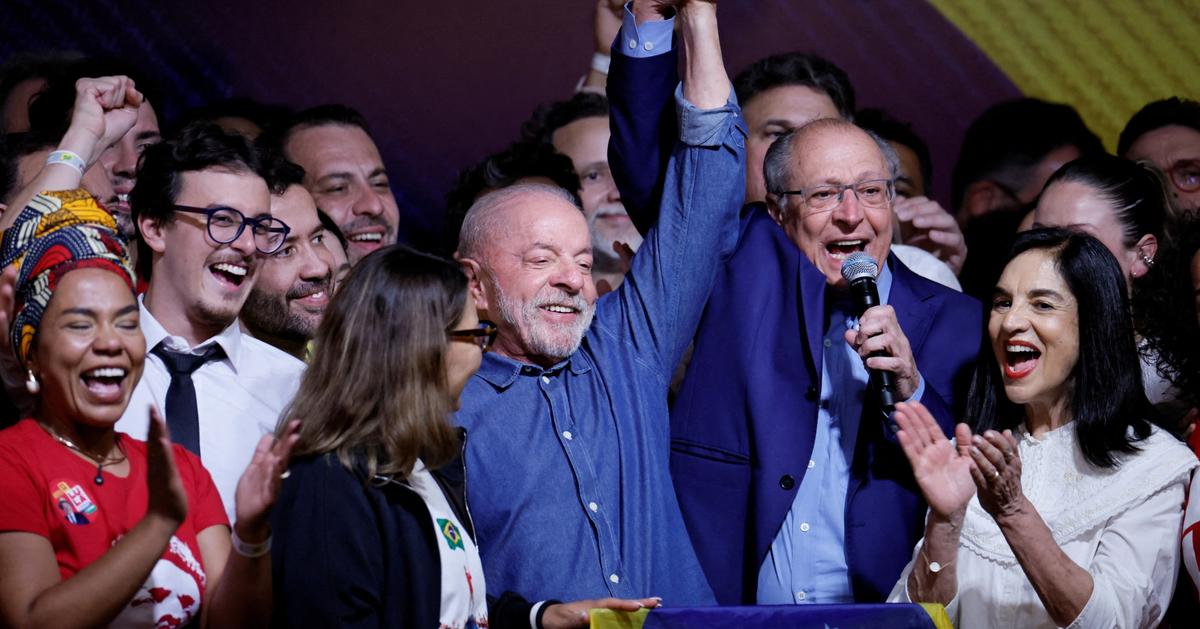
Kalshi and Polymarket both gave Brazilian conservative Flávio Bolsonaro a 4-in-5 chance of winning; he lost to the progressive incumbent, costing anyone who traded Brazil’s currency and stocks.
framing: assertive · carried by 1 article(s) · first seen 2026-10-31
2026-10-31 · Semafor
Prediction markets flop on recent elections · assertive framing

Claims (7 extracted, 0 hedged)

Prediction markets blew three big elections this week, a bad look for platforms pitching themselves to investors as hedges against global risk. asserted
markets → blow → risk
Kalshi and Polymarket both gave Brazilian conservative Flávio Bolsonaro a 4-in-5 chance of winning; he lost to the progressive incumbent, costing anyone who traded Brazil’s currency and stocks. asserted
who → give → currency
The markets also overrated Netanyahu’s challenger in Israel, where the race is still too close to call — and where a series of suspicious bets elicited an investigation by Polymarket. asserted
series → overrate → Polymarket
In Serbia (emerging-market investors need good information, too!), Kalshi gave the heavily favored incumbent strongman 75% odds as late as election day. asserted
Kalshi → need → day
He lost. asserted
He → lose → ?
Kalshi has touted the accuracy of its markets to win over institutional investors. asserted
Kalshi → tout → investors
A hedge that doesn’t work is doubly bad: useless and expensive. asserted
that → work → ?
💬Give feedback
🕘History 🎫Support