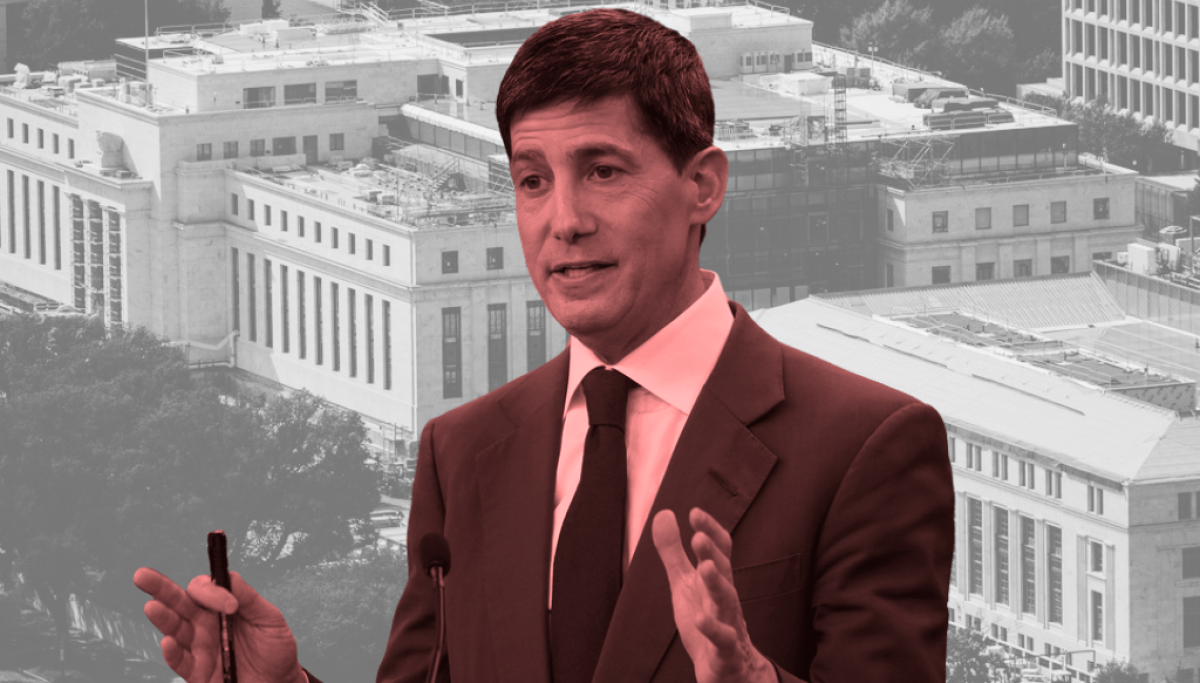
Photo via Washington Examiner

Vote like America’s future is on the ballot. Because it is

Read the original at Washington Examiner ↗
Cite

Varroney, D. (2026, October 30). Vote like America’s future is on the ballot. Because it is. Washington Examiner. https://www.washingtonexaminer.com/op-eds/4784609/midterm-elections-economy-growth/

Dated from the outlet's own feed. Check the original for its byline.

Washington Examiner · collected 2026-10-30 · by Dan Varroney

Quick Summary

This opinion piece emphasizes the significant impact of the midterm election on America's future economic progress. The author argues that voters need to decide between supporting a Congress that fosters business growth and job creation or one that imposes more regulatory barriers. The article highlights how these choices will affect both current entrepreneurs' ability to expand their businesses and working families' access to new opportunities.
Written by AI on 2026-10-30, from this article's own text only (the story summary below draws on all the coverage).

AI analysis

Story summary

The Washington Examiner asserts that the 2026 midterm election is more consequential than typical elections, as it will determine the direction of America's future economic policies. Voters face a choice between supporting a Congress that fosters entrepreneurship and business growth by reducing government intervention and costs, or one that increases regulations and imposes higher expenses on businesses. This decision impacts entrepreneurs' ability to invest and expand their operations, affecting job creation in local communities. The article suggests that the long-term implications of this election will affect future generations' economic opportunities.

Written for “Midterm Elections Call” on 2026-11-05, grounded in this article and the 0 other(s) covering the same event.

Story

📰 Midterm Elections Call
Politics · 1 article(s) covering the same event.

Compared with similar articles

This article reads leans strongly left and hedges 0% of its claims. Each row says how that neighbour differs.
The Guardian
Hedges 0 of 5 claims Outlet record 66/100
“Both articles discuss the midterm elections broadly but do not describe the same specific incident.”
Al Jazeera
Hedges 1 of 2 claims Outlet record 60/100
“The articles discuss different aspects of the US midterms' significance but do not describe the same specific incident.”
Toronto Star
⚖️ Leans strongly left Hedges 2 of 38 claims Outlet record 64/100
“The articles discuss general themes around the midterm elections but do not describe a single specific incident occurring at a particular time and place.”
NPR
⚖️ Leans left further right than this Hedges 6 of 55 claims Outlet record 60/100
“The articles discuss different aspects of the political climate leading up to the midterms, rather than describing a single specific incident.”
The Hindu
⚖️ Leans left further right than this Hedges 0 of 2 claims Outlet record 77/100
“Article A discusses the context and importance of voting in a midterm election, while Article B reports on Americans voting in the actual election, providing details about voter turnout and political landscape.”
The Hindu
⚖️ Leans left further right than this Hedges 4 of 31 claims Outlet record 77/100
“While both articles discuss the midterm elections of November 3, 2026, they do not describe the same specific incident or occurrence; Article A is an exhortation to voters on why the election is important, while Article B reports on the context and significance of the actual voting day.”
Dawn
⚖️ Leans left further right than this Hedges 5 of 44 claims Outlet record 72/100
“Article A describes a general call to action for voting in an important midterm election, while Article B specifically reports on the actual voting day and its implications regarding President Trump's presidency.”
Dawn
⚖️ Leans strongly left Hedges 5 of 44 claims Outlet record 72/100
“Article A discusses the importance of voting in the midterm election without specifying any particular outcome or political context, while Article B reports on the actual voting day and potential outcomes regarding President Trump's presidency.”
The Guardian
⚖️ Leans left further right than this Hedges 1 of 3 claims Outlet record 66/100
“Article A discusses the context and importance of the midterm election before voting day, while Article B reports on Americans actually voting during the midterm elections.”
How this article was measured signals, leaning charts, publisher record, byline, topics and claims

Signals How these are calculated →

Claims extracted
8
sentences that state something as happening or true
Uncertain
0%
0 of 8 hedged ("reportedly", "may", "according to")
Leaning
Leans strongly left
of the writing, not the subject · beta estimate
Publisher signals
69/100
Washington Examiner's corrections and hedging, across everything collected from it. Not a measure of accuracy.
Outlets on this story
1
Politics
Same framing elsewhere
1
articles that frame the event the way this one does
Analyzed 2026-10-30 · how these are computed

How this is being covered How these are calculated →

Article leaning vs. publisher reliability
Source leaning vs. consistency

Publisher

Washington Examiner · 4256 article(s) · 8 correction(s) detected
Running correction rate · 8 correction(s)

Who wrote this

Dan Varroney
5 article(s) here · 1 carrying a prediction
🔮 The consequences will reach far beyond the next two years.
🔮 They must explain how they will deliver for America’s job-creation engine.
🔮 Raising the cost of capital may slow the capacity growth that helps tame prices.
2026-09-20 · assertive framing · Can the Fed pass Kevin Warsh’s trend test?
🔮 A mentor taught us what no classroom could.
Also by Dan Varroney
Spending more is not the same as getting ahead
2026-10-19 · Washington Examiner
Can the Fed pass Kevin Warsh’s trend test?
2026-09-20 · Washington Examiner
Nothing else under this byline is closely related to this article, so these are simply their most recent.

Topics

Americans Congress

Subjects

Americans NORP · 1× Congress ORG · 1×

Narrative

Voters must choose whether to give entrepreneurs more freedom to invest, compete, and grow, or give government more control over their decisions while adding to their costs.
framing: assertive · carried by 1 article(s) · first seen 2026-10-30
🔮 The consequences will reach far beyond the next two years.
2026-10-30 · Washington Examiner
Vote like America’s future is on the ballot. Because it is · assertive framing

Claims (8 extracted, 0 hedged)

If this midterm election feels far more consequential than most, that’s because it is. asserted
it → feel → most
Americans are investing, building, and creating jobs. asserted
Americans → invest → jobs
Voters must now decide whether to elect a Congress that builds on that progress or puts more obstacles in its path. asserted
that → decide → path
The consequences will reach far beyond the next two years. asserted
consequences → reach → years
Our children and grandchildren will build their lives around the opportunities we help create, or struggle with the ones we let slip away. asserted
we → build → ones
Voters must choose whether to give entrepreneurs more freedom to invest, compete, and grow, or give government more control over their decisions while adding to their costs. asserted
Voters → choose → costs
For Main Street, those choices determine whether an owner can afford to expand and hire. asserted
owner → determine → Street
For working families, they help determine whether the next opportunity opens close to home or never opens at all. asserted
opportunity → work → home
💬Give feedback · no sign-in needed

No sign-in needed for now. Your note is sent without a name, so it cannot be answered.

🕘History 🎫Support