The Aporia
The Canadian Press. (2026, October 31). Clocks from coast to coast to coast: A breakdown of time change rules across Canada. Toronto Star. https://www.thestar.com/news/clocks-from-coast-to-coast-to-coast-a-breakdown-of-time-change-rules-across-canada/article_75327b4c-c3b1-5e8e-9eab-4d596673c1c2.html
The Canadian Press. “Clocks from coast to coast to coast: A breakdown of time change rules across Canada.” Toronto Star, 31 Oct. 2026, https://www.thestar.com/news/clocks-from-coast-to-coast-to-coast-a-breakdown-of-time-change-rules-across-canada/article_75327b4c-c3b1-5e8e-9eab-4d596673c1c2.html.
The Canadian Press. “Clocks from coast to coast to coast: A breakdown of time change rules across Canada.” Toronto Star, October 31, 2026. https://www.thestar.com/news/clocks-from-coast-to-coast-to-coast-a-breakdown-of-time-change-rules-across-canada/article_75327b4c-c3b1-5e8e-9eab-4d596673c1c2.html.
Dated from the outlet's own feed. Check the original for its byline.
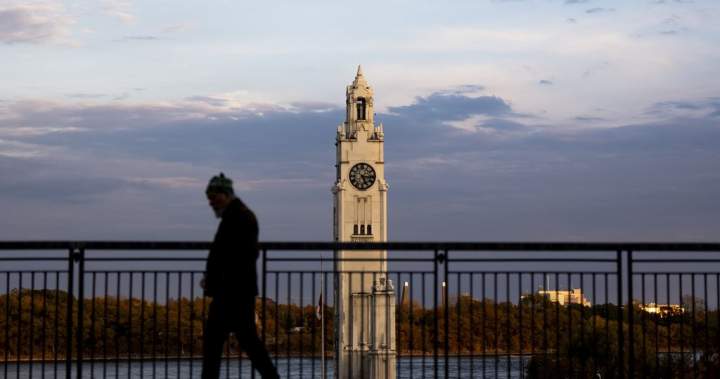
As of 2026, British Columbia, Alberta, and the Northwest Territories are among several provinces in Canada that have decided to permanently end daylight saving time (DST) changes, while others like Ontario, Quebec, and most of the Maritime provinces will continue to observe DST transitions. On November 1st, clocks in regions adhering to traditional practices will be turned back an hour, but not in places that have opted out. The decision has sparked debate among sleep scientists who argue that ending time changes is beneficial but maintaining permanent daylight saving time might negatively impact health due to reduced morning sunlight exposure. Businesses and individuals are also facing practical challenges such as calendar discrepancies and scheduling issues when coordinating across different regions.