The Aporia
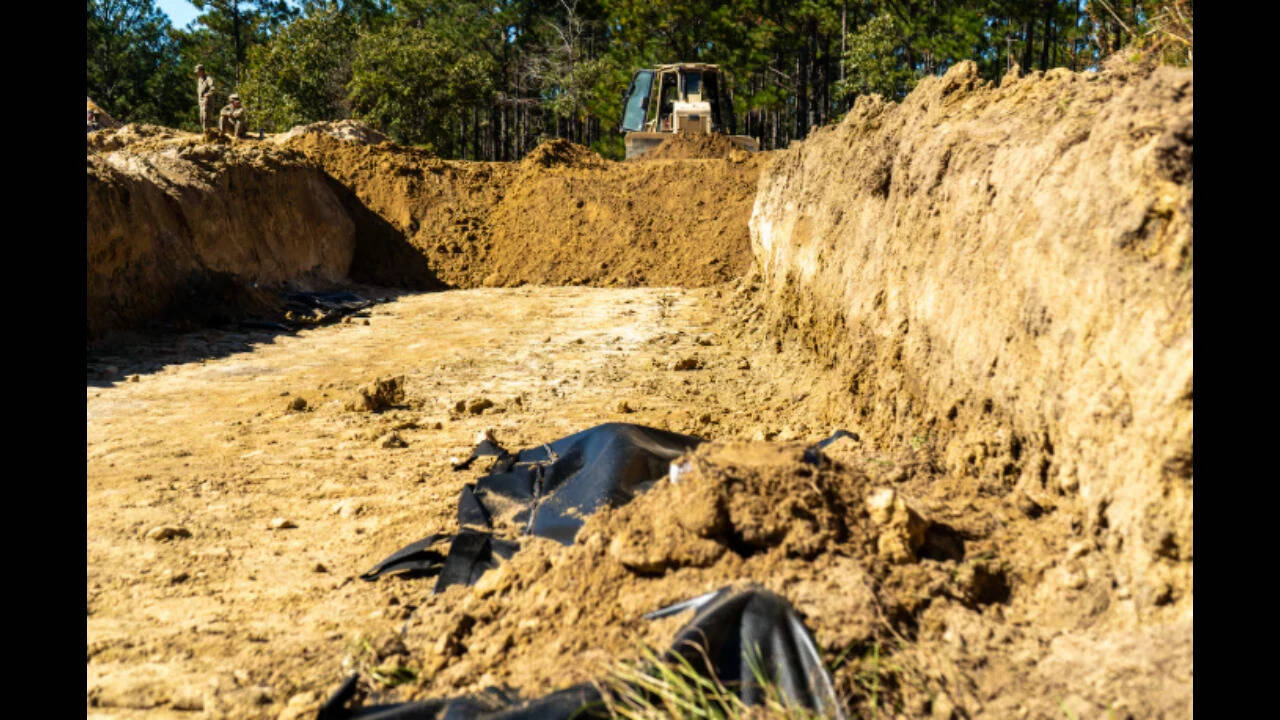
Ghosh, P. (2026, October 31). Not used since the Korean War; US Army practices digging mass battlefield graves, 'If we went to war tomorrow...'. Times of India. https://timesofindia.indiatimes.com/world/us/not-used-since-the-korean-war-us-army-practices-digging-mass-battlefield-graves-if-we-went-to-war-tomorrow-/articleshow/135403286.cms
Ghosh, Poulomi. “Not used since the Korean War; US Army practices digging mass battlefield graves, 'If we went to war tomorrow...'.” Times of India, 31 Oct. 2026, https://timesofindia.indiatimes.com/world/us/not-used-since-the-korean-war-us-army-practices-digging-mass-battlefield-graves-if-we-went-to-war-tomorrow-/articleshow/135403286.cms.
Ghosh, Poulomi. “Not used since the Korean War; US Army practices digging mass battlefield graves, 'If we went to war tomorrow...'.” Times of India, October 31, 2026. https://timesofindia.indiatimes.com/world/us/not-used-since-the-korean-war-us-army-practices-digging-mass-battlefield-graves-if-we-went-to-war-tomorrow-/articleshow/135403286.cms.
Dated from the outlet's own feed. Check the original for its byline.
On October 31, 2026, the US Army in North Carolina practiced digging mass battlefield graves for the first time since the Korean War. Soldiers with the 3rd Corps Sustainment Command and the 20th Engineer Brigade based at Fort Bragg used diggers and excavators to test how effectively they could preserve bodies until identification and repatriation. Sgt. 1st Class Delbert Ruede, senior fatality management NCO for the 3rd CSC, stated that the exercise aimed to "respectfully care for our fallen" in a high-intensity conflict scenario. The training took place near the St. Mere Eglise Drop Zone and involved religious support personnel like military chaplains to ensure proper handling of remains.