The Aporia
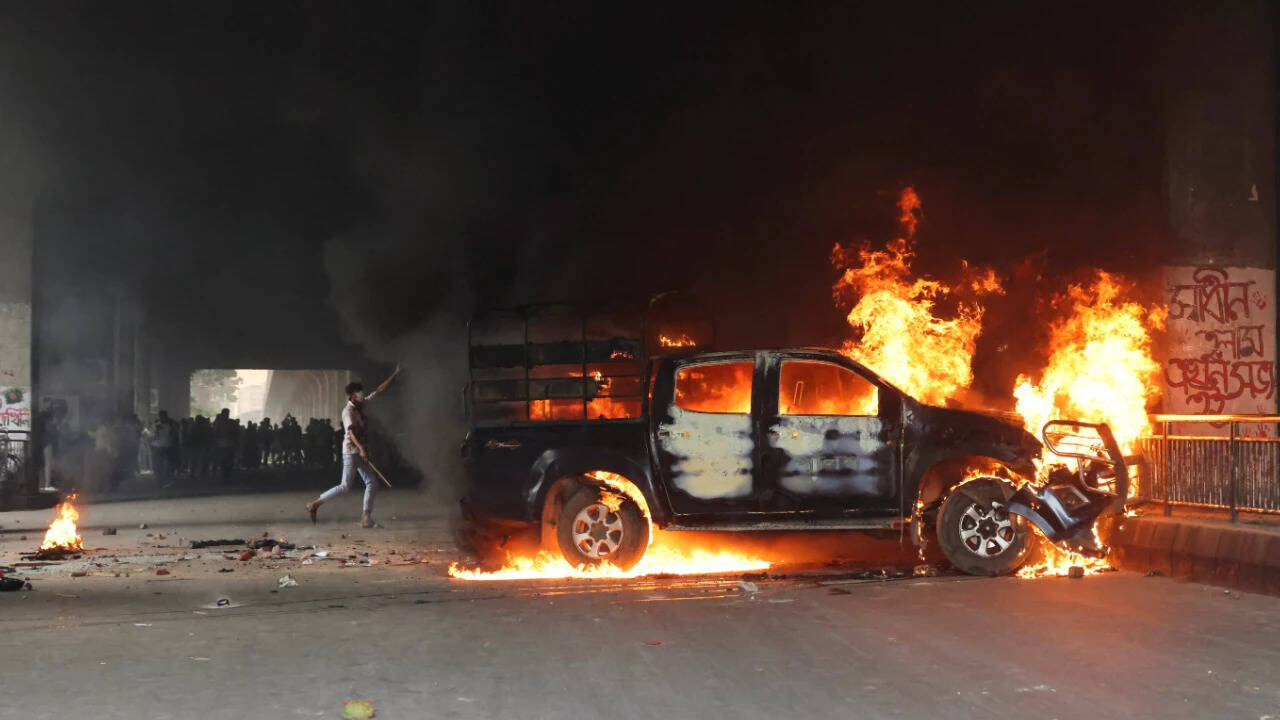
Singh, R. (2026, November 1). Violent protests rock Bangladesh garment hubs as workers demand a steep pay hike. Times of India. https://timesofindia.indiatimes.com/world/south-asia/violent-protests-rock-bangladesh-garment-hubs-as-workers-demand-a-steep-pay-hike/articleshow/135422113.cms
Singh, Rajeev. “Violent protests rock Bangladesh garment hubs as workers demand a steep pay hike.” Times of India, 1 Nov. 2026, https://timesofindia.indiatimes.com/world/south-asia/violent-protests-rock-bangladesh-garment-hubs-as-workers-demand-a-steep-pay-hike/articleshow/135422113.cms.
Singh, Rajeev. “Violent protests rock Bangladesh garment hubs as workers demand a steep pay hike.” Times of India, November 1, 2026. https://timesofindia.indiatimes.com/world/south-asia/violent-protests-rock-bangladesh-garment-hubs-as-workers-demand-a-steep-pay-hike/articleshow/135422113.cms.
Dated from the outlet's own feed. Check the original for its byline.
As of November 1, 2026, Bangladesh formed a new wage board to review minimum wages for garment workers amid ongoing protests demanding higher salaries. Despite this announcement, thousands of workers continued protesting in industrial areas around Dhaka, clashing with police who used tear gas and sound grenades to disperse crowds. Workers are seeking a monthly minimum wage increase from 12,500 taka ($101) to 30,000 taka ($242), citing rising costs of living as justification for their demands. The unrest began on Saturday and escalated on Sunday in areas like Mirpur and Konabari, with protesters vandalizing factories and blocking roads. The new wage board includes representatives from the government, workers, and factory owners to determine a new minimum wage.