Photo via NBC News

5 charts that explain the economy’s role in the midterm elections

Read the original at NBC News ↗
Cite

Romans, C. (2026, November 2). 5 charts that explain the economy’s role in the midterm elections. NBC News. https://www.nbcnews.com/business/economy/5-charts-2026-midterm-elections-rcna606589

Dated from the outlet's own feed. Check the original for its byline.

NBC News · collected 2026-11-02 · by Christine Romans

Quick Summary

The article uses five charts to illustrate how economic factors are influencing voter perceptions ahead of the midterm elections. It highlights rising consumer prices, particularly due to increased gas and diesel costs from the war with Iran, wage stagnation, and soaring mortgage rates that have pushed home prices up by 57% since January 2020, pricing many out of the housing market while homeowners see their equity double over a decade. Meanwhile, despite economic frustrations, the stock market has shown strong gains under President Trump's tenure.
Written by AI on 2026-11-02, from this article's own text only (the story summary below draws on all the coverage).

AI analysis

Story summary

On Tuesday, millions of Americans will vote in the midterm elections, where economic issues are top of mind for voters, according to a recent NBC News poll. The economy has become increasingly frustrating for many due to rising inflation and stagnant wage growth under President Trump's second term. Consumer prices have surged since the war with Iran began, leading to higher costs of living. In September, inflation reached 3.7%, while wages only increased by 3% over the year, according to the Bureau of Labor Statistics. Additionally, gas prices have skyrocketed, averaging $4 per gallon, up from $2.98 right before the war with Iran began. These economic challenges are likely to influence voter sentiment in the upcoming elections.

Written for “Economy's Role in Midterm Elections” on 2026-11-02, grounded in this article and the 0 other(s) covering the same event.

Story

📰 Economy's Role in Midterm Elections
Economy/Business · 1 article(s) covering the same event.

Compared with similar articles

This article reads leans left and hedges 18% of its claims. Each row says how that neighbour differs.
ABC News (US)
⚖️ Leans left Hedges 5 of 35 claims Outlet record 70/100
“The articles discuss similar topics related to the economy's impact on midterm elections but describe different aspects and data points.”
New York Post
⚖️ Leans left Hedges 2 of 34 claims Outlet record 66/100
“The articles discuss the economy's impact on midterm elections but describe different aspects and do not refer to the same specific incident or moment.”
The Straits Times
⚖️ Leans left Hedges 4 of 34 claims Outlet record 66/100
“Both articles discuss voter sentiment and economic conditions related to midterm elections but do not describe a single specific incident or occurrence.”
NBC News
Outlet record 60/100
“Both articles discuss the economy's role in the midterm elections using charts, but they are distinct pieces with different publication times and potentially unique chart data.”
CBC News
⚖️ Leans left Hedges 1 of 36 claims Outlet record 60/100
“While both articles discuss economic frustration and its impact on midterm elections, they do not describe the same specific incident or occurrence.”
How this article was measured signals, leaning charts, publisher record, byline, topics and claims

Signals How these are calculated →

Claims extracted
28
sentences that state something as happening or true
Uncertain
18%
5 of 28 hedged ("reportedly", "may", "according to")
Leaning
Leans left
of the writing, not the subject · beta estimate
Publisher signals
60/100
NBC News's corrections and hedging, across everything collected from it. Not a measure of accuracy.
Outlets on this story
1
Economy/Business
Same framing elsewhere
1
articles that frame the event the way this one does
Analyzed 2026-11-02 · how these are computed

How this is being covered How these are calculated →

Article leaning vs. publisher reliability
Source leaning vs. consistency

Publisher

NBC News · 2001 article(s) · 1 correction(s) detected
Running correction rate · 1 correction(s)

Who wrote this

Christine Romans
2 article(s) here · 1 carrying a prediction
🔮 On Tuesday, millions of Americans will answer for themselves whether they are better off than they were two years ago, when they vote in the midterm elections.
🔮 It said it would partner with Google, Anthropic, OpenAI and Meta to provide AI training and tools to entrepreneurs.
2026-10-22 · assertive framing · On Main Street, Goldman Sachs makes a bet on AI
Also by Christine Romans
Nothing else under this byline is closely related to this article, so these are simply their most recent.

Topics

AAA Americans Iran NBC News the Bureau of Labor Statistics

Subjects

Trump PERSON · 7× Iran GPE · 5× Americans NORP · 4× AAA ORG · 1× Donald Trump PERSON · 1× Freddie Mac ORG · 1× NBC News ORG · 1× Ronald Reagan PERSON · 1× U.S. GPE · 1× the Bureau of Labor Statistics ORG · 1×

Narrative

But artificial intelligence spending and generally strong corporate earnings have propelled the S&P 500 to record highs in recent weeks. But all that wealth in stock market gains reflects a broader divide in America: Wall Street investors’ wealth has grown over the second Trump administration.
framing: assertive · carried by 1 article(s) · first seen 2026-11-02
🔮 On Tuesday, millions of Americans will answer for themselves whether they are better off than they were two years ago, when they vote in the midterm elections.
2026-11-02 · NBC News
5 charts that explain the economy’s role in the midterm elections · assertive framing

Claims (28 extracted, 5 hedged)

Back in 1980, Ronald Reagan asked, “Are you better off than you were four years ago?” asserted
you → ask → 1980
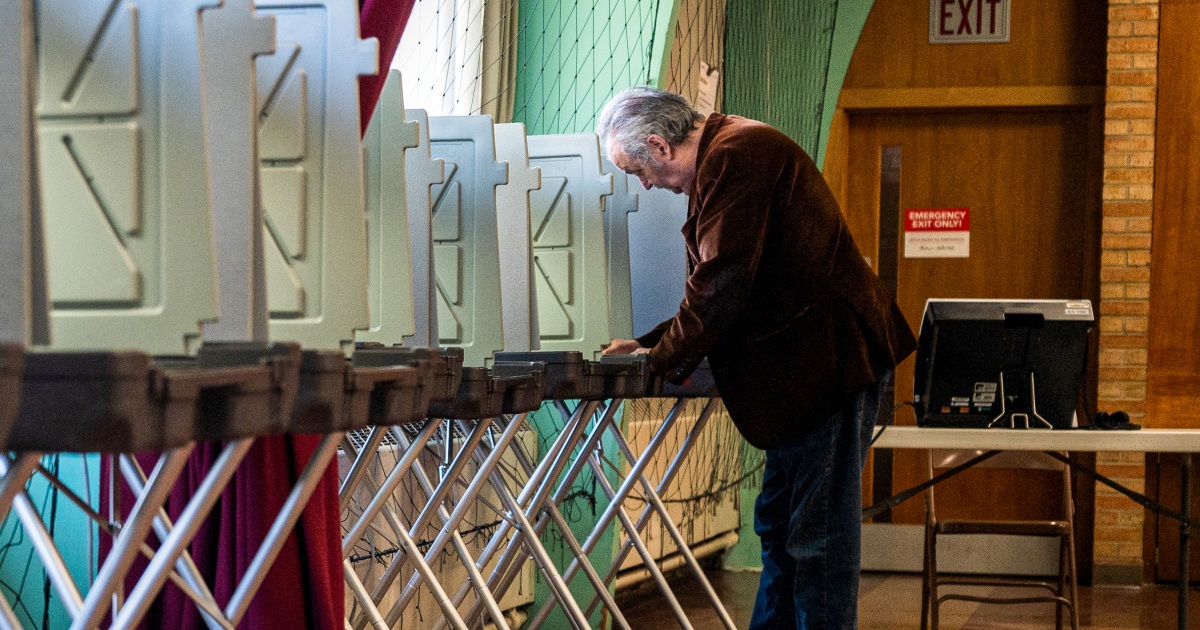
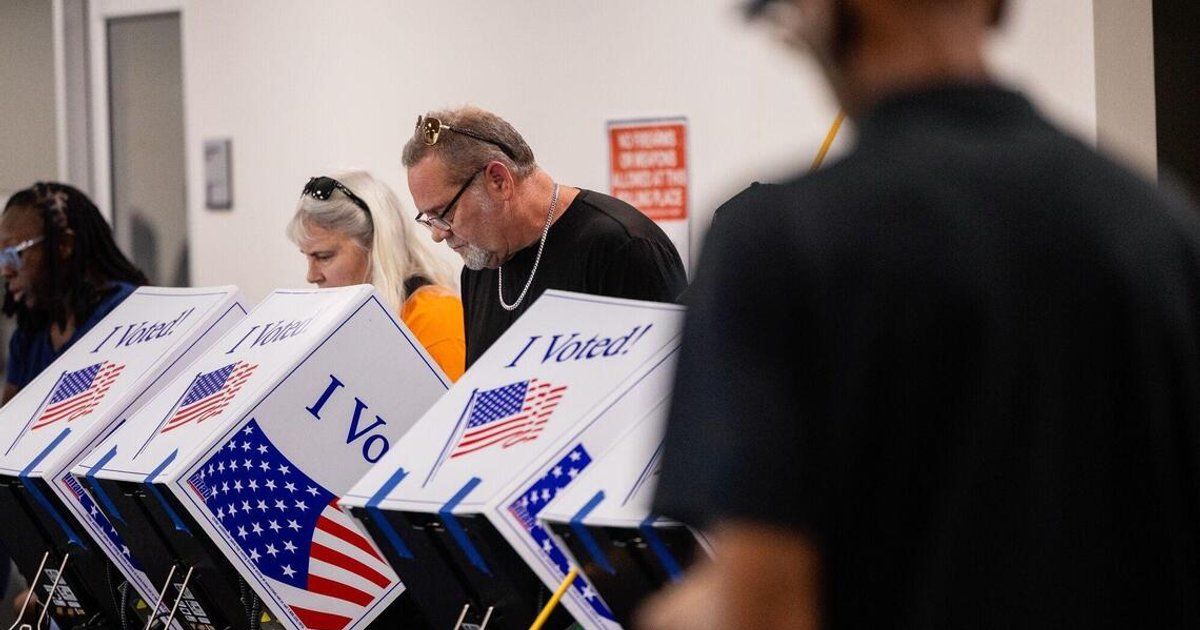
On Tuesday, millions of Americans will answer for themselves whether they are better off than they were two years ago, when they vote in the midterm elections. asserted
they → answer → elections
In a recent NBC News Decision Desk Poll, the economy ranked as the issue that matters most to voters and one on which a majority say they are deeply frustrated with President Donald Trump. asserted
they → rank → Trump
that explain why asserted
that → explain → ?
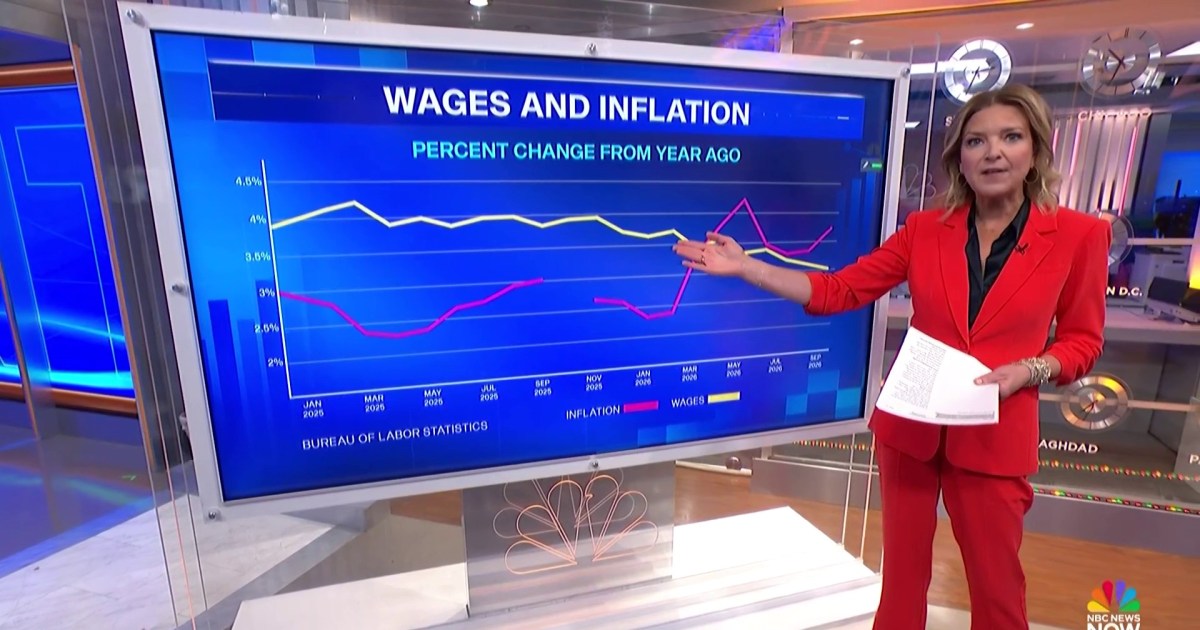
At the start of Trump’s second term, paychecks were rising faster than prices. asserted
paychecks → rise → prices
But consumer prices have soared since the war with Iran started, and for the last six months, inflation has outpaced wage gains. asserted
inflation → soar → gains
In September, inflation jumped to 3.7%, while wages rose just 3% from a year ago, according to the Bureau of Labor Statistics. uncertain
wages → jump → Statistics
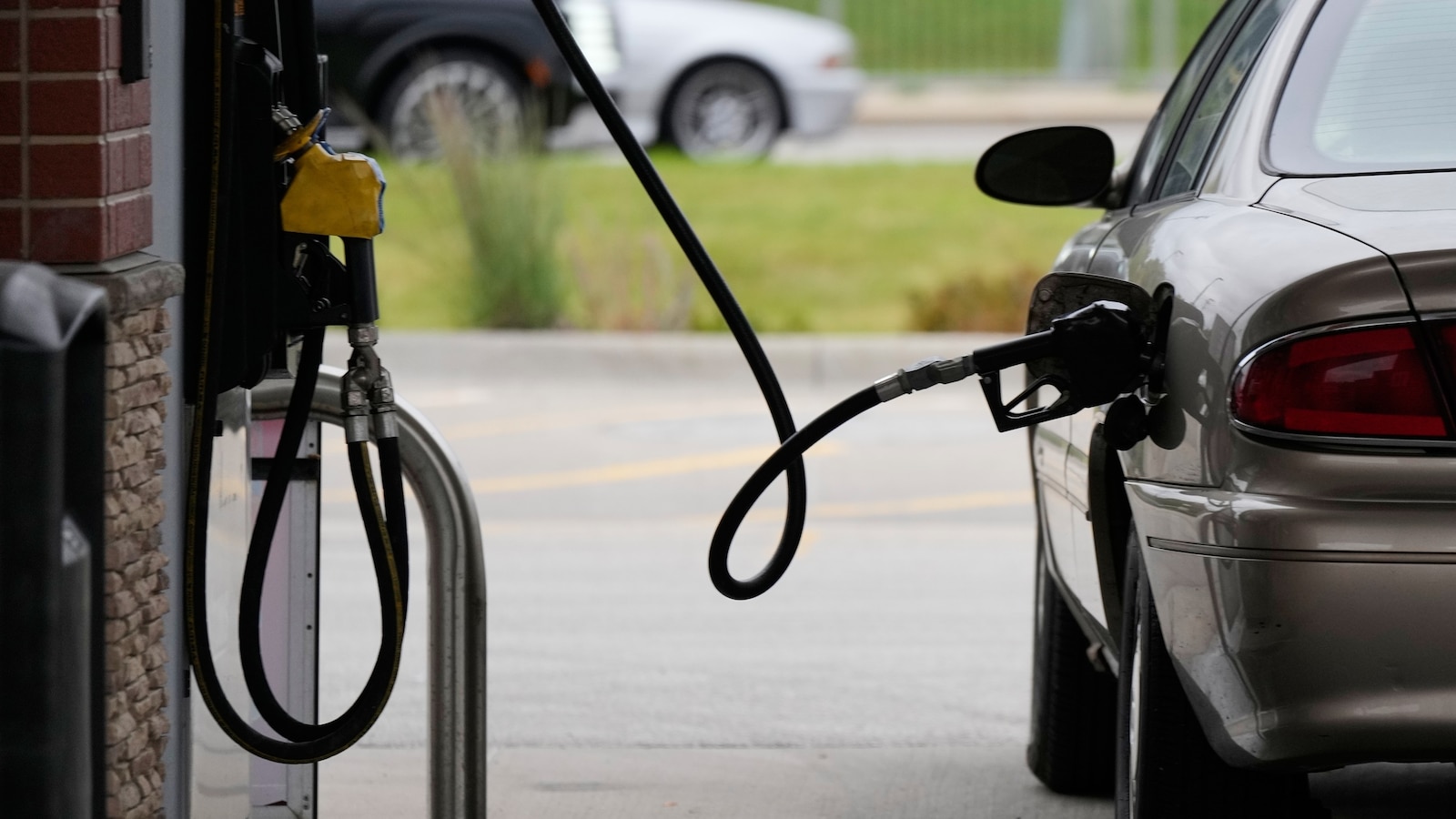
Regular gas prices averaged $3.12 per gallon when Trump started his second term and $2.98 right before the war, according to AAA. uncertain
Trump → average → AAA
Now they’re well above $4 — the highest regular gas prices have been just before an election. asserted
prices → ’re → election
Diesel prices have surged to all-time highs in recent weeks. asserted
prices → surge → weeks
They were averaging $3.63 at the start of Trump’s second term and $3.75 when the war with Iran began. asserted
war → average → Iran
Now they’re well above $6. asserted
they → ’re → 6
And higher costs for diesel — which powers trucks, trains and tractors — typically spill into the rest of the economy. asserted
which → power → economy
Mortgage rates topped 7% in January 2025, but they fell over the first year of Trump’s second term. asserted
they → top → term
The 30-year fixed rate dipped below 6% just before the Iran war, according to Freddie Mac. uncertain
rate → fix → Mac
Since then, mortgage rates have soared — with the 30-year fixed rate well above 7% now. asserted
rates → soar → %
The 15-year fixed rate has spiked, too, jumping above 6%. asserted
rate → fix → %
Home prices Historically speaking, it’s not uncommon to see U.S. mortgage rates above 7%. asserted
it → speak → %
But paired with average home prices that have jumped 57% since January 2020, the higher rates mean many Americans looking to buy homes are simply getting priced out of the housing market. asserted
Americans → pair → market
The average price of a single-family home was $422,700 in September, according to the National Association of Realtors. uncertain
price → accord → Realtors
At the same time that buyers are feeling priced out, homeowners are sitting on more than $35 trillion in real estate equity as of the second quarter of 2026, according to the Federal Reserve. uncertain
homeowners → price → Reserve
That figure has more than doubled over the last decade. asserted
figure → double → decade
Of course, for most people it’s still money on paper — you can’t easily use it to buy a Halloween costume or fill up your gas tank. asserted
you → ’ → tank
The stock market overall has done very well during Trump’s second term, and the S&P 500 index has soared by more than 26%. asserted
index → do → %
There have been a few dips, notably when Trump announced his “Liberation Day” tariffs in 2025 and then again during the early weeks of the Iran war. asserted
Trump → announce → war
But artificial intelligence spending and generally strong corporate earnings have propelled the S&P 500 to record highs in recent weeks. But all that wealth in stock market gains reflects a broader divide in America: Wall Street investors’ wealth has grown over the second Trump administration. asserted
wealth → propel → administration
Homeowners, too, have seen their property values climb. asserted
values → see → ?
But for millions of Americans, it’s still hard to keep up month to month, let alone get ahead — something that will be on many voters’ minds Tuesday at the ballot box. asserted
that → ’ → box

💬Give feedback
🕘History 🎫Support