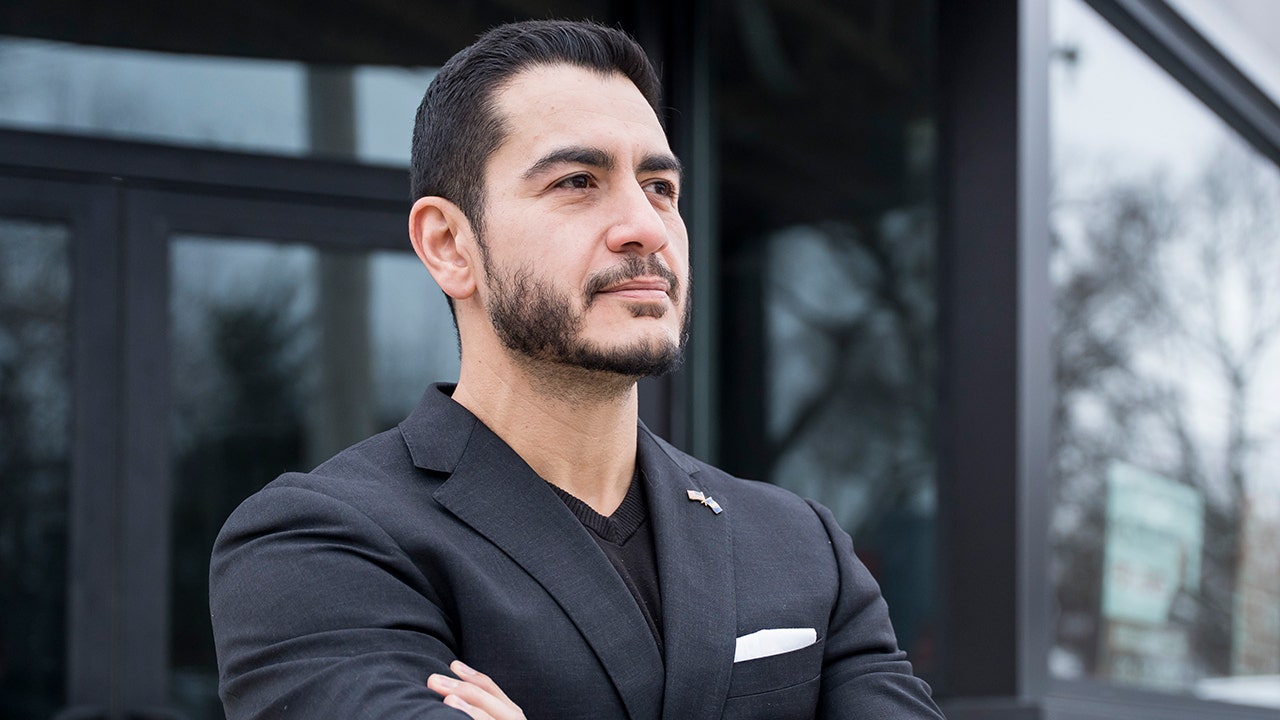
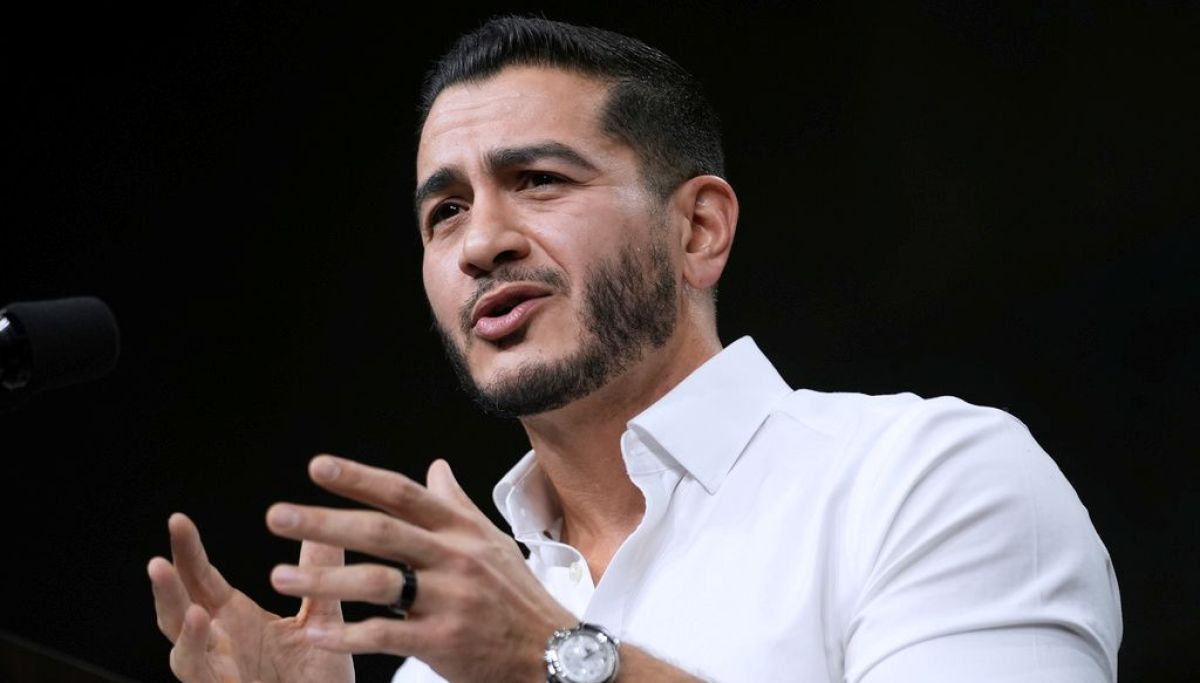
Michigan Democratic Senate nominee Abdul El-Sayed said he was "not running to govern sports" when asked about transgender athletes during a "60 Minutes" interview, suggesting that the issue is manufactured.
asserted
issue → say → interview
"And instead, we're out here talking about who gets to play what sport, which, you know, should be the question of the people who govern sports.
asserted
who → talk → sports
I'm not running to govern sports, right?" El-Sayed told correspondent Ross Douthat during the interview.
asserted
Sayed → run → interview
The discussion came as Douthat asked a broader question about parental control over education and tensions between some Muslim voters and cultural liberalism.
asserted
Douthat → come → voters
His examples included what schools teach and transgender students’ participation on sports teams.
asserted
schools → include → teams
"Like these are places where rights are in conflict," Douthat said before asking how those disagreements should be resolved.
asserted
disagreements → say → conflict
"I don't know that that's actually true," El-Sayed responded.
asserted
Sayed → know → ?
"I think we manufacture these social issues because here's the thing about it, Ross.
asserted
thing → think → it
You have an iPhone in your pocket probably or is it an iPhone or a Samsung?"
asserted
it → have → pocket
El-Sayed went on to argue that smartphones and the internet make it unrealistic for parents to prevent children from encountering ideas they find objectionable.
asserted
they → go → ideas
He said parents should explain their beliefs and help children navigate what they encounter.
asserted
they → say → what
"I think it's really important for us to recognize that the free flow of information is actually a beautiful thing," he said.
asserted
he → think → information
He then returned to sports while accusing people who emphasize cultural disputes of diverting attention from economic problems.
asserted
who → return → problems
"A lot of the cultural war issues that get fought right now are about trying to distract us from the fact that we can't afford our gas, can't afford our groceries, can't see a doctor, are worried about whether or not our kids are going to have a good life," he said.
asserted
he → fight → life
El-Sayed did not specify in the exchange which eligibility rules he believes sports organizations should adopt, or whether he would support federal legislation restricting transgender athletes’ participation in girls’ and women’s sports.
asserted
he → specify → sports
CBS released extended candidate interviews alongside its Sunday broadcast.
asserted
CBS → release → broadcast
El-Sayed faces Republican former Rep. Mike Rogers in Tuesday’s election for the Michigan Senate seat held by retiring Democrat Gary Peters.
asserted
Sayed → face → Peters
Rogers posted a clip of El-Sayed's answer on the topic on X, which prompted widespread viral criticism against the Democrat.
asserted
which → post → Democrat
The candidates have previously taken sharply different positions on transgender participation in female sports.
asserted
candidates → take → sports
During his 2024 Senate campaign, Rogers signed Independent Women’s Voice’s Stand With Women Commitment, promising to support legislation preserving female opportunities and private spaces.
asserted
Rogers → sign → opportunities
"Biological men should not be competing with our daughters, period," Rogers said at the time.
Rogers also made the issue part of an Aug. 28 campaign advertisement this year, released with the National Republican Senatorial Committee as part of what his campaign described as a coordinated seven-figure advertising buy.
asserted
campaign → compete → buy
"Abdul thinks football is bad, but men playing in women's sports is good," Rogers said in the ad.
asserted
Rogers → think → ad
El-Sayed previously advocated government action to protect transgender students’ access to sports teams matching their gender identity.
asserted
Sayed → advocate → identity
In a March 2018 interview during his campaign for Michigan governor, Pride Source asked whether he would fight at the state level for students’ access to bathrooms, athletic facilities and teams consistent with their gender identity.
asserted
he → ask → identity
El-Sayed said the state should "protect access to bathrooms, to locker rooms, to sports teams of choice for young people."
asserted
state → say → people
He argued that exclusion could compound bullying and mental-health problems for transgender students, and that government had a responsibility to protect them.
uncertain
government → argue → them
The dispute has also produced federal investigations and litigation in Michigan.
asserted
dispute → produce → Michigan
The U.S. Education Department announced June 18 that it was opening Title IX investigations into Ann Arbor Public Schools, Monroe Public Schools and Chippewa Valley School District over allegations concerning athletic participation and locker-room access based on gender identity.
asserted
it → announce → identity
The announcement opened investigations; it did not establish that the districts had violated the law.
asserted
districts → open → law
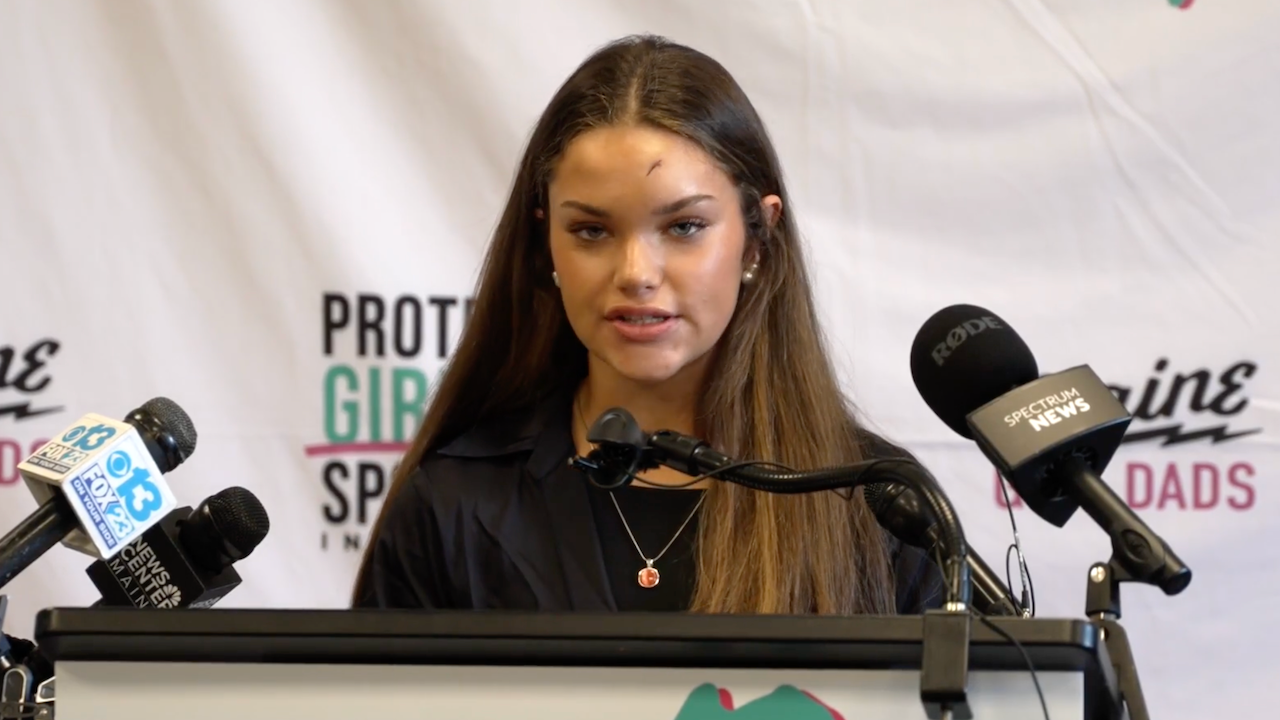
In October, Monroe volleyball player Briley Lechner and her father sued Monroe Public Schools, the Michigan High School Athletic Association and district officials.
asserted
Lechner → sue → Schools
Their attorneys allege school officials concealed an opposing transgender player’s participation and allowed the teams to share locker-room facilities.
asserted
teams → allege → facilities
Monroe’s superintendent said in April that an independent investigation found the district’s Title IX allegations unsubstantiated.
asserted
allegations → say → April
On Oct. 13, Monroe’s school board voted 5-2 to restrict girls’ sports and girls’ locker rooms to biological females, CBS Detroit reported.
asserted
Detroit → vote → females
At the college level, the NCAA changed its policy in February 2025 following President Donald Trump’s executive order on women’s sports.
asserted
NCAA → change → sports
Its rules prohibit athletes assigned male at birth from competing on women’s teams, while permitting them to practice with those teams.
asserted
rules → prohibit → teams
On March 3, 2025, a motion to advance the Protection of Women and Girls in Sports Act received 51 votes in favor and 45 against, falling short of the three-fifths threshold required.
asserted
motion → advance → threshold
The legislation would define sex for Title IX athletics compliance according to reproductive biology and genetics at birth.
uncertain
legislation → define → birth
 The Aporia