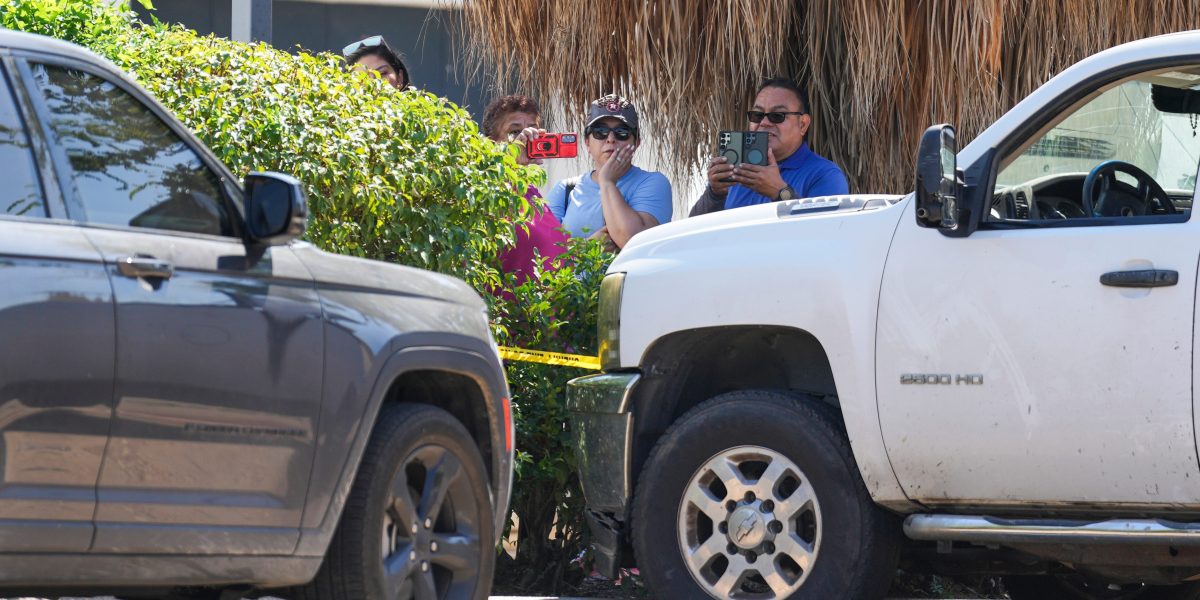
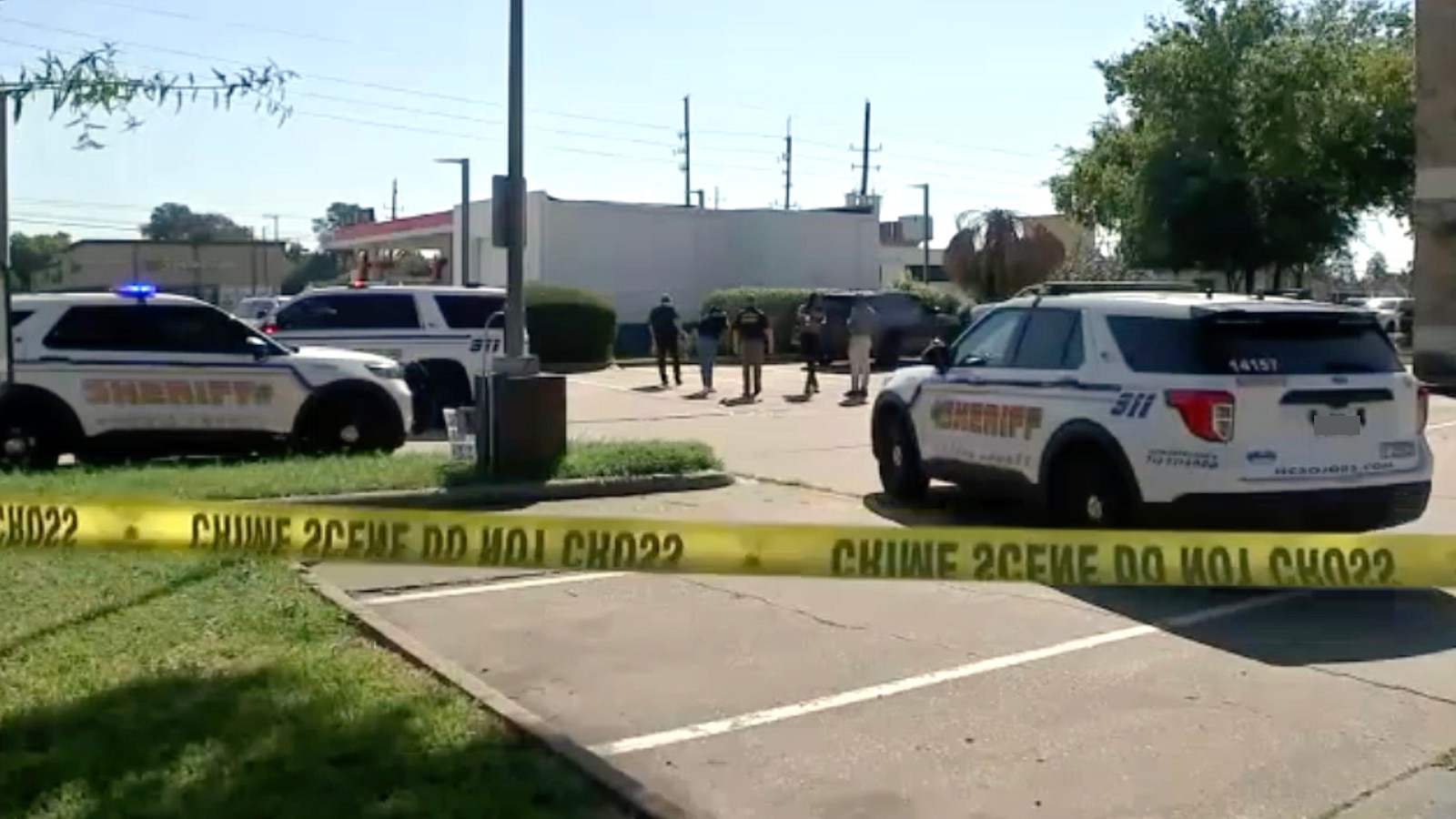
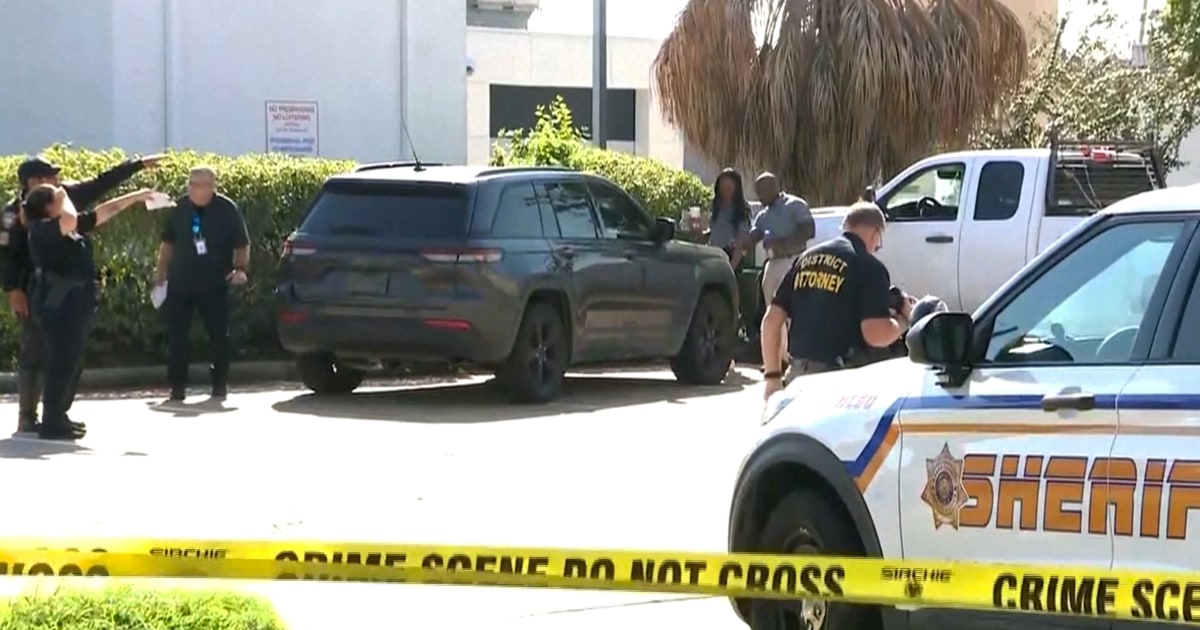
As Miguel Parra Hernandez, a Mexican national, was fleeing from U.S. Immigrations and Customs Enforcement on foot last month, he turned into a parking lot.
asserted
he → flee → lot
An unmarked government vehicle came screaming into the lot after him and struck him.
asserted
vehicle → come → him
When a grand jury in Harris County, Texas, charged the U.S. Immigrations and Customs Enforcement officer behind the wheel last week, the indictment pointed to a broader pattern in the Trump administration’s crackdown on immigrants and activists.
asserted
indictment → charge → immigrants
The Department of Homeland Security, ICE’s parent agency, claimed Parra Hernandez ran in front of the government vehicle; surveillance footage of the incident shows him running away from the car moments before he is hit.
asserted
he → claim → car
(An attorney for the ICE officer accused of assault against Parra Hernandez told The Associated Press his client had not committed any crime.)
asserted
client → accuse → crime
In the same month, an unmarked ICE vehicle speeding the wrong way down a one-way street in Long Beach, California, struck a bicycle ridden by Ricardo Gonzalez, whose daughter later said he was a U.S. citizen.
asserted
he → speed → Gonzalez
An agent immediately drew their gun on Gonzalez, who was later hospitalized for his injuries.
asserted
who → draw → injuries
The government said the man was not struck, but video released by the New York Times showed the ICE vehicle swerving into the bicycle.
asserted
vehicle → say → bicycle
Three days later after the collision in Long Beach, Antonio Moreida stood in the street in Woodland, California, outside Sacramento, documenting an unmarked ICE vehicle when the black Chevy Tahoe accelerated toward him.
asserted
Tahoe → stand → him
When the SUV hit him, Moreida told a meeting at Woodland City Hall last week, he was knocked to the ground — and the driver of the Tahoe did not stop to check on him.
The Department of Homeland Security said Moreida jumped onto the hood of the unmarked car, but when video of the incident showed him standing in place, local police and the mayor publicly disputed ICE’s account.
Weaponized Vehicles
In the national conversation about ICE’s heavy-handed crackdown on immigrants across the country, much has been made of the Department of Homeland Security’s claims that immigrants and activists “weaponized” their vehicles against federal agents.
uncertain
immigrants → hit → agents
After immigration officers shot and killed Lorenzo Salgado Araujo, who was targeted by ICE, and community defender Renée Good in separate incidents, the government said the civilians had used their cars to attack agents — allegations that have not been borne out in criminal charges, or were called into question by witness accounts and video analysis.
asserted
that → shoot → accounts
What happened to Parra Hernandez, Gonzalez, and Moreida, however, was the opposite of what the government said about Good and Salgado Araujo: It was ICE agents who weaponized their vehicles against civilians.
asserted
who → happen → civilians
As the Trump administration ramped up deportations over the last year, federal agents have effectively turned their cars into massive, deadly blunt objects.
asserted
agents → ramp → objects
Common tactics, known collectively as “offensive driving techniques,” include ramming the cars of immigrant targets and activists; “brake-checking” volunteers trying to observe ICE activity; and, in some cases, outright driving into civilians.
asserted
tactics → know → civilians
The Intercept reviewed two dozen cases of ICE using vehicles against civilians in these ways, including multiple incidents where victims were hospitalized or even died from their injuries.
asserted
victims → review → injuries
“Vehicles are another tool ICE agents are using with unchecked force, just like their guns, Tasers, and pepper spray,” said Hannah Stauss, co-director of Hands Off NYC, a group that opposes ICE’s presence in New York City.
asserted
that → use → City
“ICE’s deranged use of vehicles effectively weaponizes them against our immigrant neighbors and rapid responders, and will continue to kill people.
asserted
use → weaponize → people
We are witnessing in real time the results of a federal agency being allowed to operate with impunity, in secrecy, and with unfettered violence.”
asserted
We → witness → violence
In a statement to The Intercept that compiled past responses to the incidents in this article, a spokesperson for the Department of Homeland Security said, “ICE is instituting additional training including, crowd control measures, additional training for high-risk vehicle stops, a live-fire cover course for officer safety, and medical training.”
asserted
ICE → compile → safety
The spokesperson did not respond specifically to allegations about the incident involved Parra Hernandez; said Gonzalez was not struck by an ICE car; and blamed Moreida for the accident because he was in the roadway.
asserted
he → respond → roadway
In federal policies and memos, the maneuvers used in the incidents reviewed by The Intercept, along with testimony from rapid responders, are referred to by federal agents as “offensive driving techniques.”
asserted
maneuvers → use → techniques
Last October, Leo Martinez was monitoring immigrations agents’ activity as a volunteer with VC Defensa, a community defense group in Ventura County, California, when an unmarked ICE car rammed his pickup truck.
asserted
car → monitor → truck
ICE agents arrested Martinez and later released him without charge.
asserted
agents → arrest → charge
In March, they did it again: Three unmarked government vehicles rammed Martinez’s car as he sought to reverse away from them.
asserted
he → do → them
The federal agents broke his window and dragged him out.
asserted
agents → break → him
Martinez, who was hospitalized from his injuries, was again released without charge.
asserted
who → hospitalize → charge
(The Department of Homeland Security spokesperson did not respond specifically to questions about the incidents involving Martinez.)
asserted
spokesperson → respond → Martinez
“They run stop signs, red lights, they’ll cut off complete intersections, and they rarely turn on their lights,” Martinez told The Intercept.
asserted
Martinez → run → Intercept
“They’ll slam on their brakes in the middle of the freeway, in the middle of the street.
asserted
They → slam → street
Sometimes they’ll do sudden U-turns in the middle of nowhere and cut off traffic in both directions.”
asserted
they → do → directions
When activists are monitoring federal agents, one of the most common ways for ICE to leverage their vehicles as physical threats is the “brake check,” a move where a car suddenly breaks to cause the car behind it to slow down — or slam into its rear bumper.
asserted
car → monitor → bumper
“Brake-checking” doesn’t appear in official guidelines as an “offensive driving technique” with good reason: It is considered to be illegal in all 50 states, covered by various statutes like reckless driving or other anti-road-rage laws.
asserted
It → appear → driving
Yet VC Defensa volunteers, who like Martinez monitor ICE activity, said that when they follow ICE vehicles to alert the community with horn-honking, they keep a distance of two to three car lengths because federal agents so frequently brake-check volunteers.
asserted
agents → monitor → volunteers
Federal agents use “offensive driving techniques” so often in Ventura County that VC Defensa volunteers sometimes identify the unmarked cars by the body damage that characterizes them.
asserted
that → use → them
Customs and Border Protection, another agency that, like ICE, is under the umbrella of the Department of Homeland Security, expanded its agents’ discretion and ability to use these techniques during abduction operations after President Donald Trump took office for a second term.
asserted
Trump → expand → term
A previous 2023 Customs and Border Protection pursuit policy largely prohibited officers from boxing in vehicles or making vehicle contact with another vehicle in motion.
asserted
policy → prohibit → motion
A partially redacted 2025 CBP directive gives officers broader discretion to use offensive driving techniques and ignore traffic laws.
asserted
directive → redact → laws
“Most federal agencies are not well trained in police-citizen interactions, traffic stops, and pursuits,” said Geoffrey Alpert, a criminology and criminal justice professor at the University of South Carolina who helped Customs and Border Protection rewrite their car-chase policy under the Biden and Obama administrations.
asserted
Customs → train → administrations
In December, ICE agents in Elgin, Illinois, chased a Venezuelan man until his car and the ICE vehicles crashed.
asserted
car → chase → man
State investigators found the ICE agents likely conducted an “unskilled precious immobilization technique (‘PIT maneuver’) and lost control of the vehicle.”
asserted
agents → find → vehicle
…and 51 more, not listed.
 The Aporia