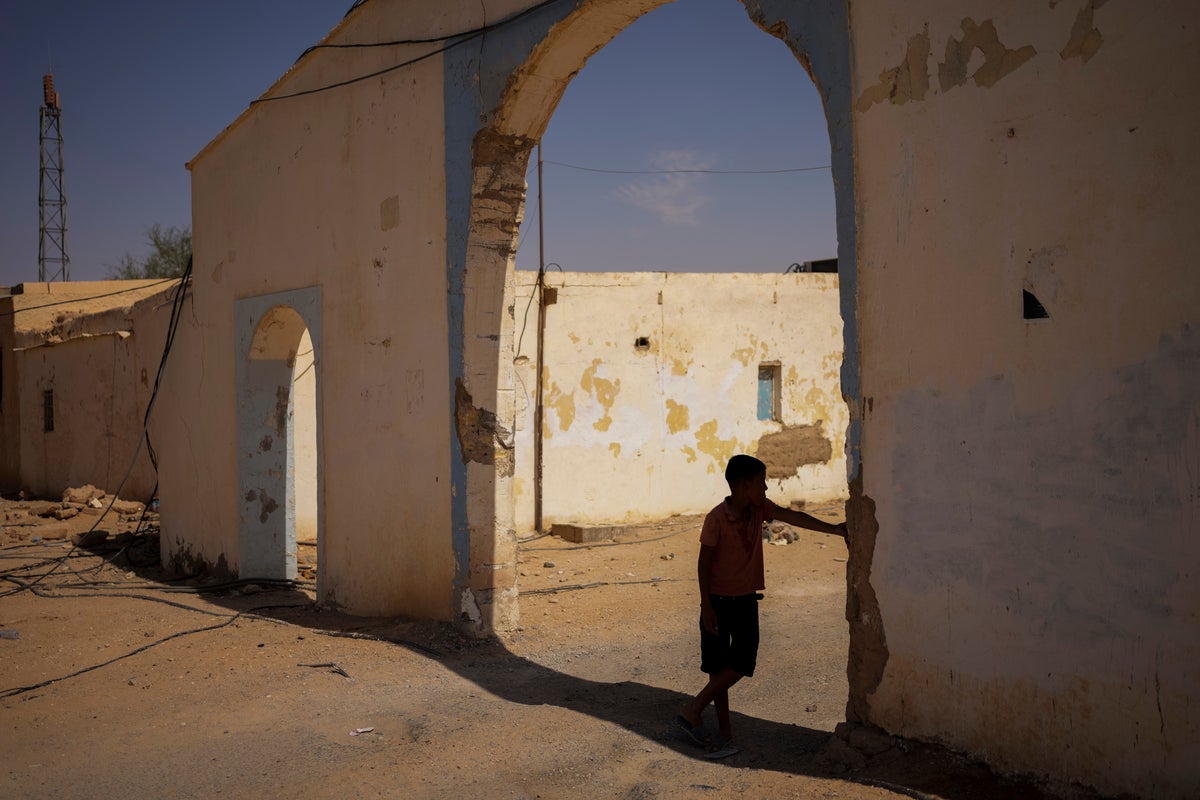
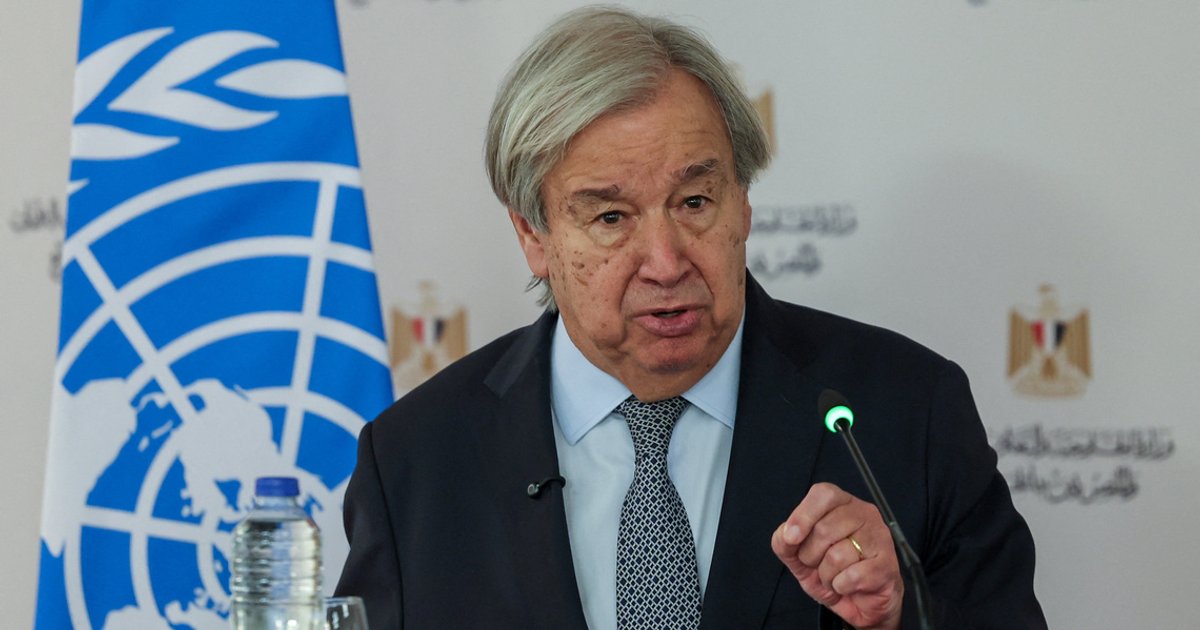
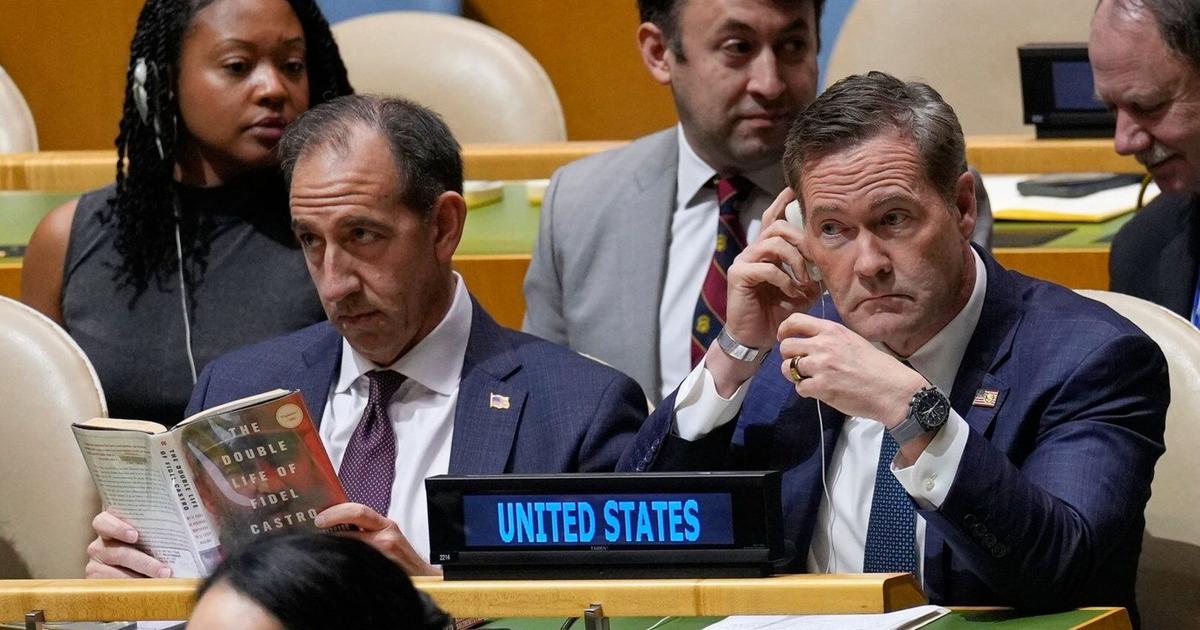
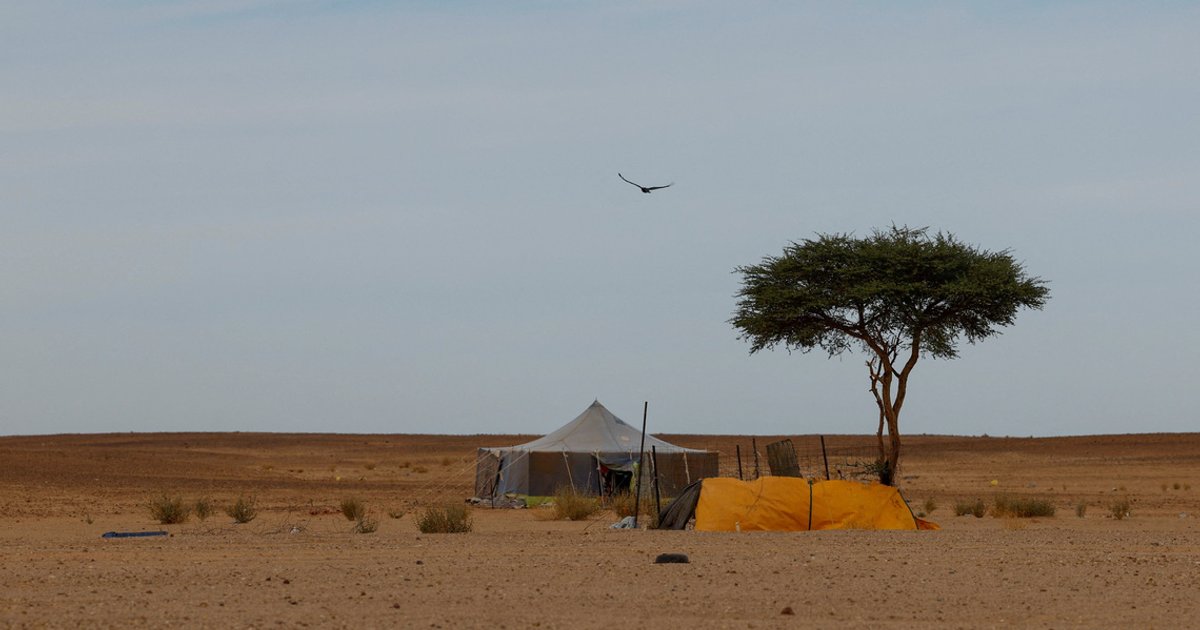
Photo via Al Jazeera

What’s the future of the Western Sahara conflict?

Read the original at Al Jazeera ↗
Cite

What’s the future of the Western Sahara conflict? (2026, November 2). Al Jazeera. https://www.aljazeera.com/video/inside-story/2026/11/2/whats-the-future-of-the-western-sahara-conflict?traffic_source=rss

Dated from the outlet's own feed. Check the original for its byline.

Al Jazeera · collected 2026-11-02

Quick Summary

The United Nations has concluded its peacekeeping mission in Western Sahara after more than five decades of conflict between Morocco and the Polisario Front, following Russia and the U.S. blocking a proposal to extend the mission's mandate last week. The dispute began when Spain relinquished control over the territory, leading both sides to claim sovereignty. The article explores potential implications for future stability in the region as the peacekeeping presence ends.
Written by AI on 2026-11-03, from this article's own text only (the story summary below draws on all the coverage).

AI analysis

Story summary

On November 2, 2026, the United Nations ended its 35-year peacekeeping mission in Western Sahara after a deadlock at the UN Security Council between Russia and the US over rival resolutions. The Russian vetoed a U.S.-backed proposal that would have supported Morocco’s sovereignty claim and ended the UN peacekeeping mission established in 1991 to monitor a ceasefire and prepare for a referendum on the territory's future, which never materialized due to disagreements over voter eligibility. This failure led to no renewal of the MINURSO mandate, effectively bringing the peacekeeping mission to an end. The termination of the mission leaves unresolved the dispute between Morocco, which claims sovereignty, and the Algeria-backed Polisario Front seeking independence for Western Sahara.

Written for “UN Peacekeepers Leave Western Sahara” on 2026-11-04, grounded in this article and the 12 other(s) covering the same event.

Story

📰 UN Peacekeepers Leave Western Sahara
World · 13 article(s) covering the same event. Compare every outlet's account →

Compared with similar articles

This article reads unscored and hedges 9% of its claims. Each row says how that neighbour differs.
Toronto Star
⚖️ Leans left Hedges 1 of 36 claims Outlet record 64/100
NPR
Hedges 1 of 36 claims Outlet record 60/100
The Independent
⚖️ Leans left Hedges 1 of 15 claims Outlet record 59/100
Al Jazeera
⚖️ Centre Hedges 1 of 15 claims Outlet record 60/100
“While both articles mention the failure of US and Russian resolutions regarding Western Sahara, they describe different aspects of the situation—one focuses on the immediate voting results at the UN Security Council, while the other provides a broader context and timeline of events.”
The Straits Times
⚖️ Leans right Hedges 1 of 14 claims Outlet record 66/100
“While both articles discuss the end of the UN peacekeeping mission in Western Sahara, Article A specifies this as occurring on November 1st after the Security Council failed to renew its mandate, while Article B refers more generally to the future implications and context without specifying a single event.”
South China Morning Post
⚖️ Leans left Hedges 0 of 4 claims Outlet record 62/100
“Article A focuses on the refugees' hopes as the UN peacekeeping mission ends, while Article B discusses broader questions about the future and history of the Western Sahara conflict.”
Toronto Star
Hedges 0 of 3 claims Outlet record 64/100
“Article A describes the immediate voting and vetoes on resolutions in the UN Security Council, while Article B discusses the broader context and aftermath of the resolutions' failure.”
Al Jazeera
Hedges 1 of 19 claims Outlet record 60/100
“While both articles discuss the end of the UN peacekeeping mission in Western Sahara, Article A focuses on the warning by the UN Secretary-General about potential security risks after the mission ends, while Article B provides a broader historical context and future outlook for the conflict.”
The Straits Times
⚖️ Leans left Hedges 0 of 26 claims Outlet record 66/100
“Article A focuses on refugees' perspective and their long wait for resolution, while Article B discusses the broader implications and future of the conflict following the end of UN peacekeeping.”
BBC News
Hedges 13 of 73 claims Outlet record 66/100
“While both articles discuss the end of a UN peacekeeping mission in Western Sahara due to a diplomatic standoff, Article A focuses on the broader context and history of the conflict, while Article B specifically details the diplomatic showdown between the US and Russia leading to the decision.”
How this article was measured signals, leaning charts, publisher record, byline, topics and claims

Signals How these are calculated →

Claims extracted
11
sentences that state something as happening or true
Uncertain
9%
1 of 11 hedged ("reportedly", "may", "according to")
Leaning
not political
takes no side on a contested political question
Publisher signals
60/100
Al Jazeera's corrections and hedging, across everything collected from it. Not a measure of accuracy.
Outlets on this story
13
World
Same framing elsewhere
1
articles that frame the event the way this one does
Analyzed 2026-11-03 · how these are computed

How this is being covered How these are calculated →

Article leaning vs. publisher reliability
Source leaning vs. consistency

Publisher

Al Jazeera · 4902 article(s) · 3 correction(s) detected
Running correction rate · 3 correction(s)

Who wrote this

No reporter is named on this article.

Topics

Morocco South Africa Spanish The United Nations Western Sahara

Subjects

Morocco GPE · 3× The United Nations ORG · 2× 4Algeria GPE · 1× Israel GPE · 1× Niger GPE · 1× Russian NORP · 1× South Africa GPE · 1× Spanish NORP · 1× Western Sahara GPE · 1× the Polisario Front ORG · 1×

Narrative

Presenter: Imran Khan Guests: Samir Bennis – Political analyst and author of the book The Self-Determination Delusion: How Activist Scholars and Journalists Have Hijacked the Western Sahara Case Irene Fernandez-Molina – Senior lecturer in International Relations at the University of Exeter in the United Kingdom and author of the book Moroccan Foreign Policy under Mohammed VI, 1999-2014 Mahjoub Mleiha – Advocacy head of Collective of Sahrawi Human Rights Defenders (CODESA)
framing: assertive · carried by 1 article(s) · first seen 2026-11-03
🔮 So, could this development lead to renewed fighting?
2026-11-03 · Al Jazeera
What’s the future of the Western Sahara conflict? · assertive framing

Claims (11 extracted, 1 hedged)

The United Nations ends its peacekeeping mission in the disputed territory. asserted
Nations → end → territory
It’s one of Africa’s longest-running conflicts. asserted
It → ’ → conflicts
The dispute over the territory of Western Sahara started more than 50 years ago. asserted
dispute → start → Sahara
It began with the end of Spanish colonial rule in the region. asserted
It → begin → region
Recommended Stories list of 4 items- list 1 of 4From Morocco to South Africa, Israel election watched closely across Africa - list 2 of 4Algeria’s military deployment to Niger: What’s behind the move? - list 3 of 4Rival US and Russian resolutions on Western Sahara fail at UN - list 4 of 4Why asserted
resolutions → watch → UN
is Morocco celebrating the defeat of a UN resolution on Western Sahara? asserted
Morocco → celebrate → Sahara
Since then, both Morocco and the Polisario Front have claimed the Western Sahara. asserted
Morocco → claim → Sahara
In the 1990s, the United Nations tried to reach a settlement, and deployed a peacekeeping mission to the region. asserted
Nations → try → region
Last week, that effort ended when Russia and the United States blocked proposals to extend the mission’s mandate. asserted
Russia → end → mandate
So, could this development lead to renewed fighting? uncertain
development → lead → fighting
Presenter: Imran Khan Guests: Samir Bennis – Political analyst and author of the book The Self-Determination Delusion: How Activist Scholars and Journalists Have Hijacked the Western Sahara Case Irene Fernandez-Molina – Senior lecturer in International Relations at the University of Exeter in the United Kingdom and author of the book Moroccan Foreign Policy under Mohammed VI, 1999-2014 Mahjoub Mleiha – Advocacy head of Collective of Sahrawi Human Rights Defenders (CODESA) asserted
Scholars → hijack → Defenders
💬Give feedback · no sign-in needed

No sign-in needed for now. Your note is sent without a name, so it cannot be answered.

🕘History 🎫Support