In short:
Sitting US presidents have historically faced a backlash at the midterm elections, with Donald Trump highlighting that trend as his party faces the possibility of losing control of Congress.
asserted
party → sit → Congress
The elections will be held on Tuesday, local time.
asserted
elections → hold → Tuesday
Donald Trump has acknowledged his Republican Party is facing an uphill battle at the midterm elections this week, amid polling that suggests he could lose control of Congress.
uncertain
he → acknowledge → Congress
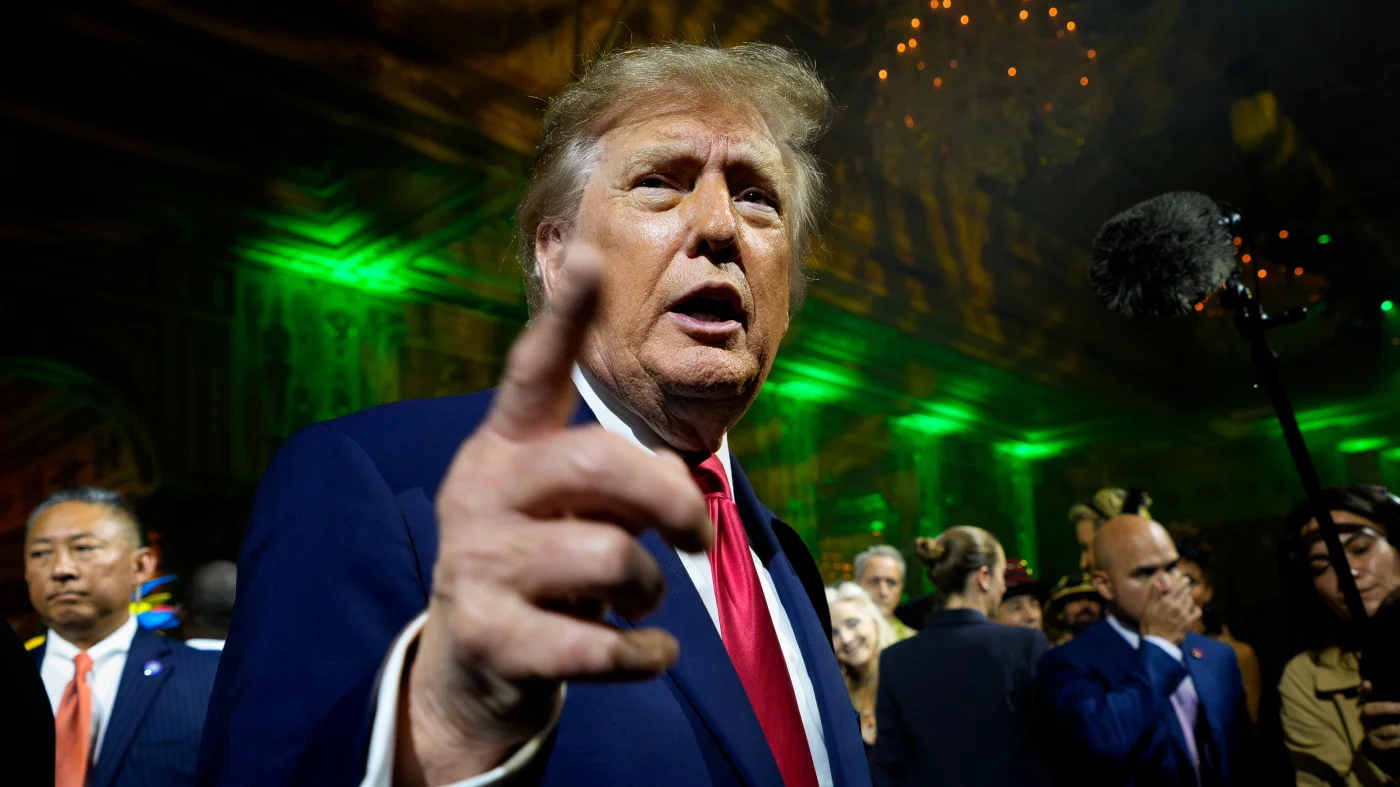
In his final major campaign event before the elections, Mr Trump was quick to highlight the historical trend that the sitting president's party "doesn't win the midterms".
asserted
party → highlight → midterms
"But we gave this a very strong shot," he said during a speech in Washington DC on Monday afternoon, local time.
asserted
he → give → afternoon
He later described the votes that would take place on Tuesday, local time, as "the most important midterm, I believe, in our lifetime".
asserted
I → describe → lifetime
"We have to keep our Congress strong and free," he said.
asserted
he → have → Congress
LoadingAnalysts believe the GOP will be swamped in many House races, and while losing its Senate majority also remains a possibility, the contests in that chamber are considered more competitive.
asserted
contests → believe → chamber
Midterm elections are typically difficult for whichever party the president of the day represents.
asserted
president → represent → day
In all but three midterms since 1934, the president's party has lost House seats, although Senate trends are harder to predict.
asserted
trends → lose → seats
Mr Trump's approval ratings have plummeted since he returned to the White House two years ago.
asserted
he → plummet → House
Polls suggest only about 37 per cent of Americans approve of Mr Trump, which would be the second-lowest rating heading into a midterm election of any US president since the end of World War II.
asserted
which → suggest → II
The Democrats need to retain all their Senate seats and flip four more if they are to seize control of the upper chamber of US politics.
asserted
they → need → politics
Mr Trump has spent the past few weeks trying to shore up support in states which he has typically been able to rely on for strong support over the past decade.
asserted
he → spend → decade
One of them is Texas, where the Democrats have not won a Senate seat for more than 30 years.
asserted
Democrats → win → years
However, many polls show the GOP candidate Ken Paxton trailing his Democrat rival James Talarico.
asserted
candidate → show → rival
The city of San Antonio, in the state's south, normally leans blue, although those margins have been shrinking at recent elections.
asserted
margins → lean → elections
Local woman Debra Montelongo is planning to vote but has not decided who she will support.
"I've already done research.
asserted
I → plan → research
I've just pulled everything and printed it," she said.
asserted
she → pull → it
"So today I'm going to go through and read through it all and then make my decision.
asserted
I → go → decision
"I think what is important is, of course, taxes and interest rates, gas.
asserted
is → think → course
James Henson from the Texas Politics Project at the University of Texas has been following the trends closely.
asserted
Henson → follow → trends
He described this Senate race as the most competitive statewide election in three decades.
asserted
He → describe → decades
"The climate is very unusual," he said.
asserted
he → say → ?
"And I don't think it makes sense to necessarily predict that the state is turning blue, as the phrase is here … but Republicans are having to put up much more of an active fight than they've had to in the past."
asserted
they → think → past
Other tight Senate races are anticipated in Michigan, Alaska, Iowa, Kansas, Maine and Ohio.
asserted
races → anticipate → Michigan
All but one of those seats are currently held by the Republicans.
asserted
All → hold → Republicans
 The Aporia