The News
OpenAI’s attempt to rebrand data centers and set a new tone for AI policy discourse after the midterms is landing with a thud in some circles, including with members of Congress.
asserted
attempt → rebrand → Congress
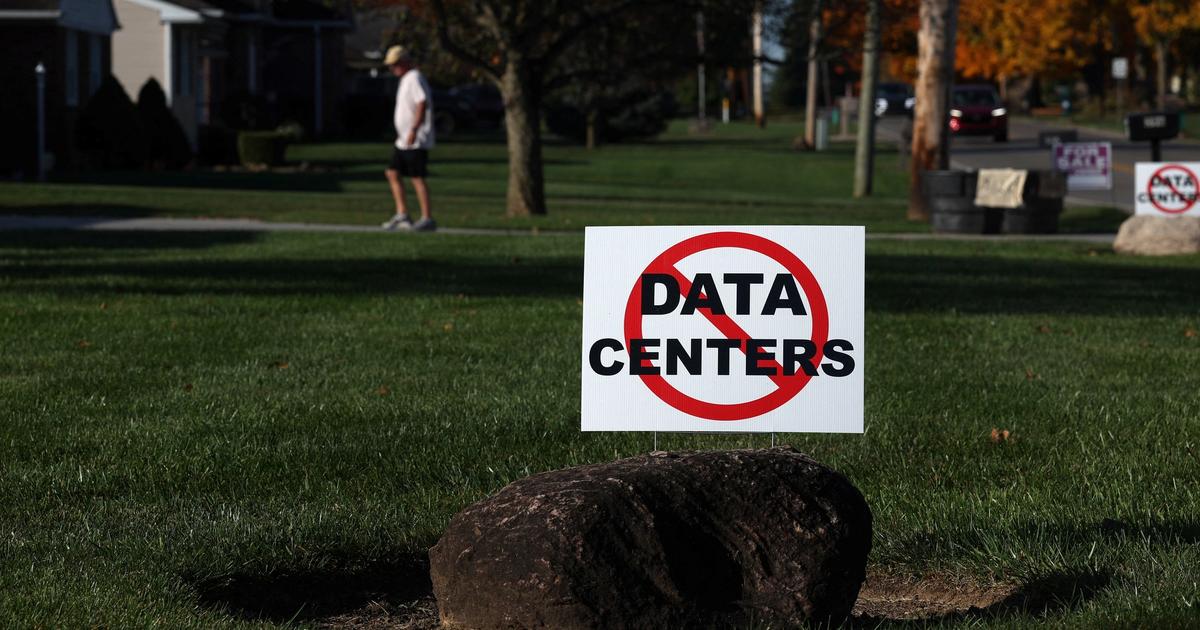
It involves calling data centers “compute campuses” and seeking community input on their buildouts.
asserted
It → involve → buildouts
It likens AI rules to speeding limits for cars, arguing that AI helps people in their daily lives, and pushing for global AI standards, as Axios first reported.
asserted
Axios → liken → standards
If initial reactions from AI safety advocates are any indication, AI and tech companies have a long way to go to convince both voters and Democrats, who will likely hold more power in Washington after Tuesday, that their efforts are sincere and not just an attempt at face-saving.
asserted
efforts → have → saving
“If they think they can change the AI debate with Orwellian name changes, they are setting themselves up for failure,” said Brad Carson, former Oklahoma Democratic congressman and co-founder and president of Americans for Responsible Innovation, a group pushing for AI guardrails.
asserted
Carson → think → guardrails
“AI will be the number one issue in 2028,” Rep. Greg Casar, D-Tex., posted on X. “And anyone looking to OpenAI’s lobbyist for advice will lose.”
asserted
anyone → post → advice
Still, OpenAI’s top lobbyist, Chris Lehane, is betting the company’s refreshed positions — on data centers and AI policy that puts people in control of the technology — will be “durable,” even if it’s in a “lonely position,” he told Semafor in an interview.
asserted
he → bet → interview
“People are going to wake up in November and December and January, and there’s going to be hundreds and hundreds of state bills out there.
asserted
People → go → bills
So does Congress and the White House want to cede control of all of this?” he said, adding that OpenAI plans to push for a mandatory AI testing bill that can get 60 votes by connecting members across the aisle.
asserted
that → want → aisle
OpenAI still supports certain state AI laws as well, recently endorsing two frontier AI safety bills in California, he said.
asserted
he → support → California
He also said OpenAI spoke with Rep. Ted Lieu, D-Calif. on the AI “kill switch” bill the Democrat proposed in July, and said he would soon have “next steps” on making OpenAI’s products safer for teen users.
asserted
products → say → users
Lehane said OpenAI’s views are meant to offer an alternative to extremes around AI.
asserted
views → say → AI
He argued that embracing a middle path would avoid the US ceding ground to China by being outright opposed to data centers, echoing the White House’s argument for a light touch on AI regulation.
asserted
US → argue → regulation
His argument isn’t doing much to win over skeptics.
asserted
argument → do → skeptics
“[Lehane is] trying to get the best deal out of the Trump administration that he can before Democrats take over,” Alex Bores, the New York State assemblyman who became a top target of the AI industry in his run for Congress, told Semafor.
asserted
who → try → Semafor
“But it’s nice to see him say this debate is about control, and that the American people need a stake in what’s happening.
asserted
what → ’ → stake
If Democrats want to get anything done on AI policy next year, they’ll need to work with Republicans — regardless of control of Congress.
asserted
they → want → Congress
And that will inevitably involve moderation and compromise, as well as working with AI firms.
asserted
that → involve → firms
“I’d expect others to follow [OpenAI’s lead],” Joseph Hoefer, chief AI officer at Monument Advocacy, told Semafor.
asserted
Hoefer → expect → Semafor
“This is where the political calculus is inevitably heading.
asserted
calculus → head → ?
The industry had a good run making the case for a lighter touch, but the polling shows the limits of that strategy … and a hands-off message gets harder to sustain when voters are asking who’s in control.”
asserted
who → have → control
Hoefer said that for AI companies looking to buoy continued AI sector growth, “the goal is to give lawmakers a case for AI investment they can defend back home.”
asserted
they → say → investment
 The Aporia