Latino voters are emerging as one of the most closely watched constituencies in the US midterm elections, with their choices potentially influencing the outcome of key races in Texas and offering a broader indication of how US president
Donald Trump’s 2024 gains among Hispanic voters are holding up.
asserted
gains → emerge → voters
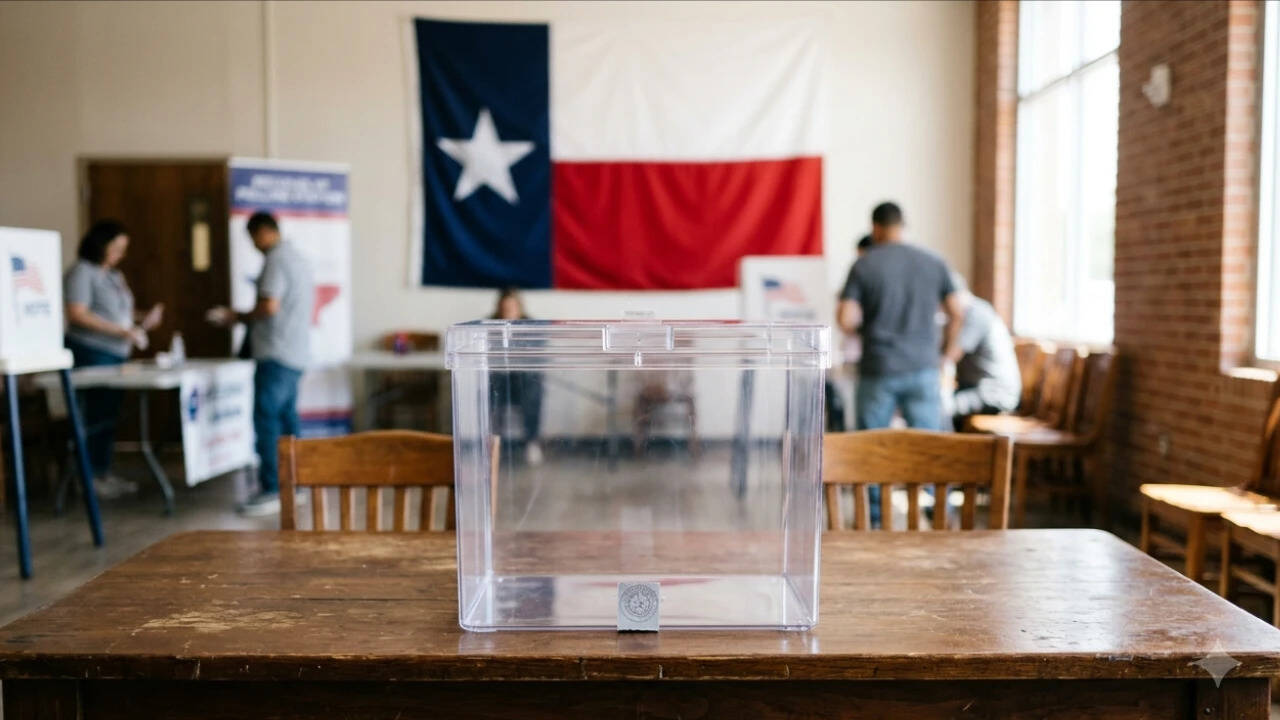
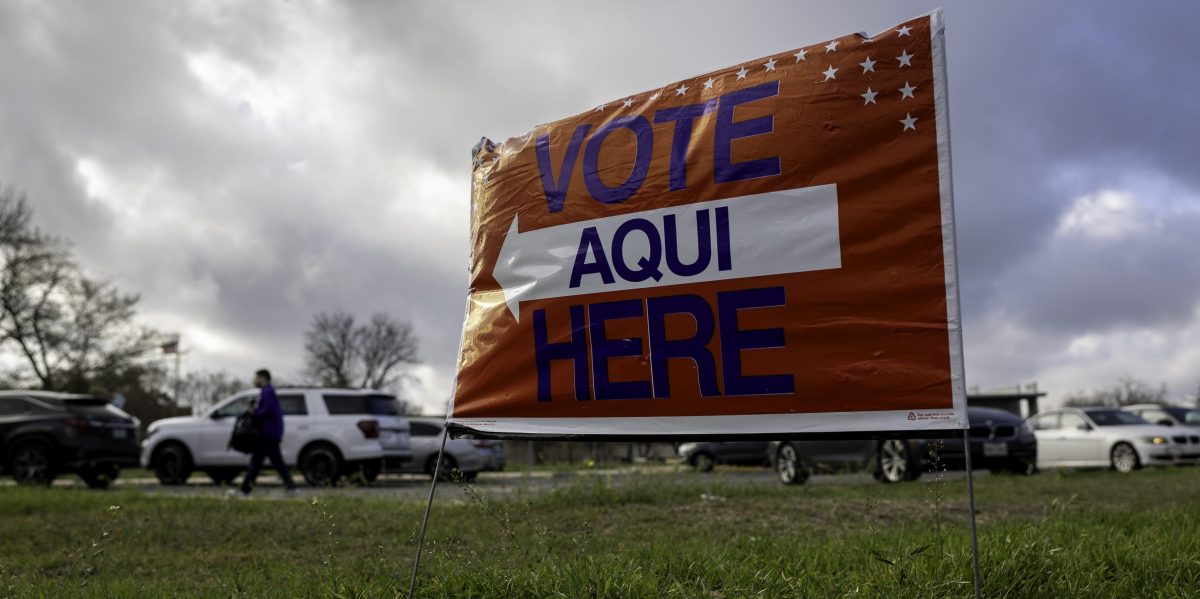
In Texas, where Latinos account for nearly a third of the eligible electorate, a shift in their support could have consequences for the closely contested Senate and gubernatorial races, as well as several competitive House districts.
uncertain
shift → account → races
The political significance extends beyond Texas.
asserted
significance → extend → Texas
Competitive congressional districts in California, Arizona, Florida and Pennsylvania also have substantial Latino populations, meaning even modest changes in voting preferences could affect the balance of power in the House of Representatives.
uncertain
changes → have → Representatives
The results could also help establish whether the Republican gains among Latino voters in 2024 represented a lasting political shift or a temporary movement driven by the issues and candidates of that election.
uncertain
gains → help → election
Why the Latino vote matters in Texas
Texas has nearly 6.3 million eligible Latino voters, accounting for about 31.7% of the state's eligible electorate, according to the UCLA Latino Policy and Politics Institute.
uncertain
Texas → matter → Institute
Their numbers were influential in 2024, when Trump won approximately 55% of Hispanic voters in Texas, according to exit polls.
uncertain
Trump → win → polls
He also carried several South Texas counties that had voted Democratic in 2020.
asserted
that → carry → 2020
Reuters reported on October 12 that Democrats need a net gain of four seats to take control.
asserted
Democrats → report → control
Those shifts helped Republicans redraw the state's political map with greater confidence after the 2024 election.
asserted
Republicans → help → election
Texas Republicans' mid-decade redistricting push, carried out at Trump's urging, sought to improve their prospects in several congressional districts where the president had performed strongly.
asserted
president → carry → districts
But a change in Latino voting preferences could complicate that strategy.
uncertain
change → complicate → strategy
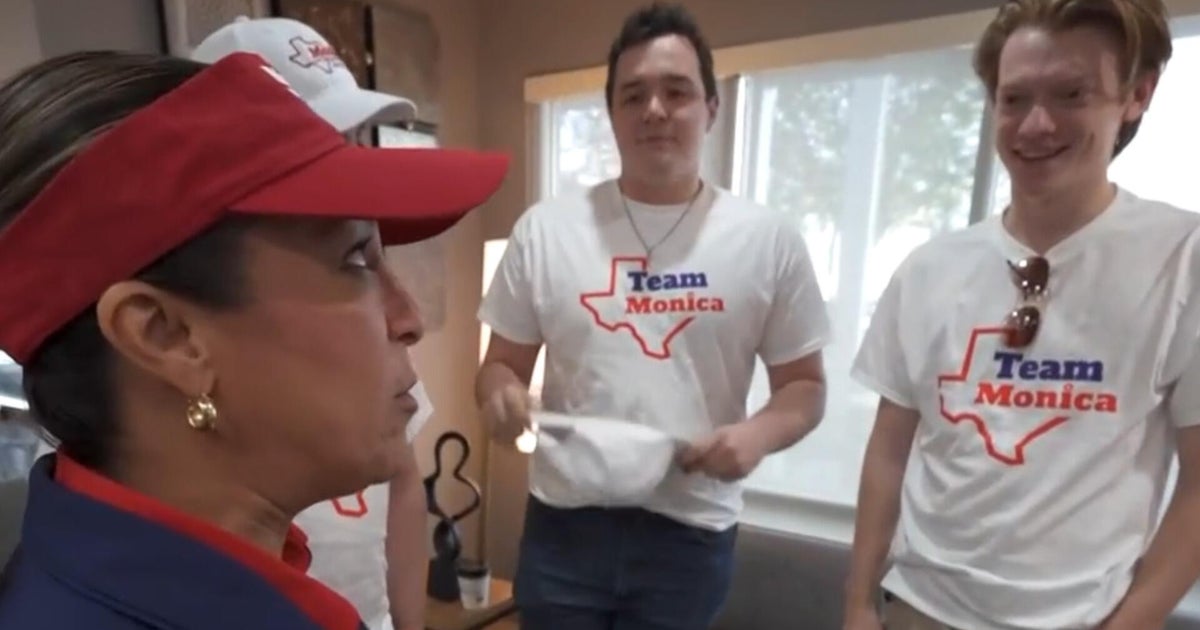
Republican Rep Monica De La Cruz is facing Democrat Bobby Pulido, while Democratic Rep Vicente Gonzalez is running against Republican Eric Flores.
asserted
Gonzalez → face → Flores
The races are being fought in districts where Latino voters form an important part of the electorate.
asserted
voters → fight → electorate
What could bring Latino voters back towards Democrats?
uncertain
What → bring → Democrats
Economic concerns and immigration enforcement are emerging as key issues shaping the vote, though strategists disagree on which matters more.
asserted
which → emerge → vote
According to CBS News, Trump's approval rating among Latinos stood at 24% in early October.
uncertain
rating → accord → October
Among those who voted for him in 2024, approval had fallen to 57%, from 93% in February 2025.
asserted
approval → vote → February
An October CBS poll also found that 51% of Latino voters planned to support a Democratic House candidate, compared with 24% for a Republican.
asserted
% → find → Republican
Democratic strategist Chuck Rocha attributed the discontent largely to rising prices, fuel costs and affordability, with immigration enforcement adding to concerns in South Texas.
asserted
enforcement → attribute → Texas
He described Latino voters as increasingly willing to move between parties, calling the shift “dealignment” rather than a permanent realignment.
asserted
He → describe → shift
Texas Democratic Rep Joaquin Castro, however, sees immigration enforcement as the bigger factor.
asserted
Castro → see → factor
He told CBS News that ICE operations had directly affected Latino communities, particularly Hispanic men, who felt they were being treated collectively as criminals.
asserted
they → tell → criminals
“I think it's mostly because of ICE and how they have targeted the Latino community in Texas and across the country,” Castro said.
asserted
Castro → think → country
Latino voters are not a politically uniform group; their priorities vary across rural and urban communities, age groups, gender and occupation.
asserted
priorities → vary → communities
The polling picture — and its limits
Polling suggests Democrats have an opening in the state's major contests.
uncertain
Democrats → suggest → contests
An October CBS News poll found that six in 10 Hispanic voters planned to support Democrat James Talarico over Republican Ken Paxton in the Senate race.
asserted
voters → find → race
Latino voters also favoured Democratic gubernatorial candidate Gina Hinojosa over incumbent Republican Gov Greg Abbott by a similar margin.
asserted
voters → favour → margin
A University of Houston Hobby School survey found Talarico leading Paxton among Latino voters statewide, 52% to 41%.
asserted
Talarico → find → voters
But the breakdown by geography showed a more complicated picture: rural Latino voters favoured Paxton, 56% to 24%, while urban Latino voters backed Hinojosa over Abbott, 58% to 41%.
asserted
voters → show → Abbott
Decision Desk HQ's average of Hispanic polling data also showed Talarico leading Paxton by more than 20 percentage points among Latino voters, a swing of roughly 30 points towards Democrats compared with Trump's performance among the group in 2024.
asserted
Talarico → show → 2024
Republicans have questioned whether the apparent shift will translate into votes.
asserted
shift → question → votes
Republicans argue that Democrats had yet to persuade many Latino men, particularly those working in energy, law enforcement and federal agencies, that the party's economic and immigration policies would serve their interests.
asserted
policies → argue → interests
They also point to the role of religion and conservative social views among some Hispanic voters, arguing that Republicans had built a higher baseline of support over the past decade.
asserted
Republicans → point → decade
The number of Latino voters who turn out could prove as important as which candidates they support.
uncertain
they → turn → candidates
Nearly 150,000 voters cast early ballots in Hidalgo and Cameron counties during the first week of voting, a 63% increase over the comparable period in the 2022 midterms, according to figures reported to the Texas Secretary of State's office.
uncertain
voters → cast → office
The rise points to greater participation in heavily Hispanic South Texas, but does not indicate which party those voters favour.
asserted
voters → point → party
The region has also shown a history of ticket-splitting.
asserted
region → show → splitting
In 2024, Trump carried Hidalgo County even as Democratic House candidates Michelle Vallejo and Vicente Gonzalez won majorities there, suggesting voters may back different parties in statewide and congressional contests.
uncertain
voters → carry → contests
An analysis by Equis cautioned against treating primary turnout as a reliable predictor of general-election results, particularly in heavily Latino counties where Democratic primaries can decide some local races.
asserted
primaries → caution → races
…and 14 more, not listed.
 The Aporia