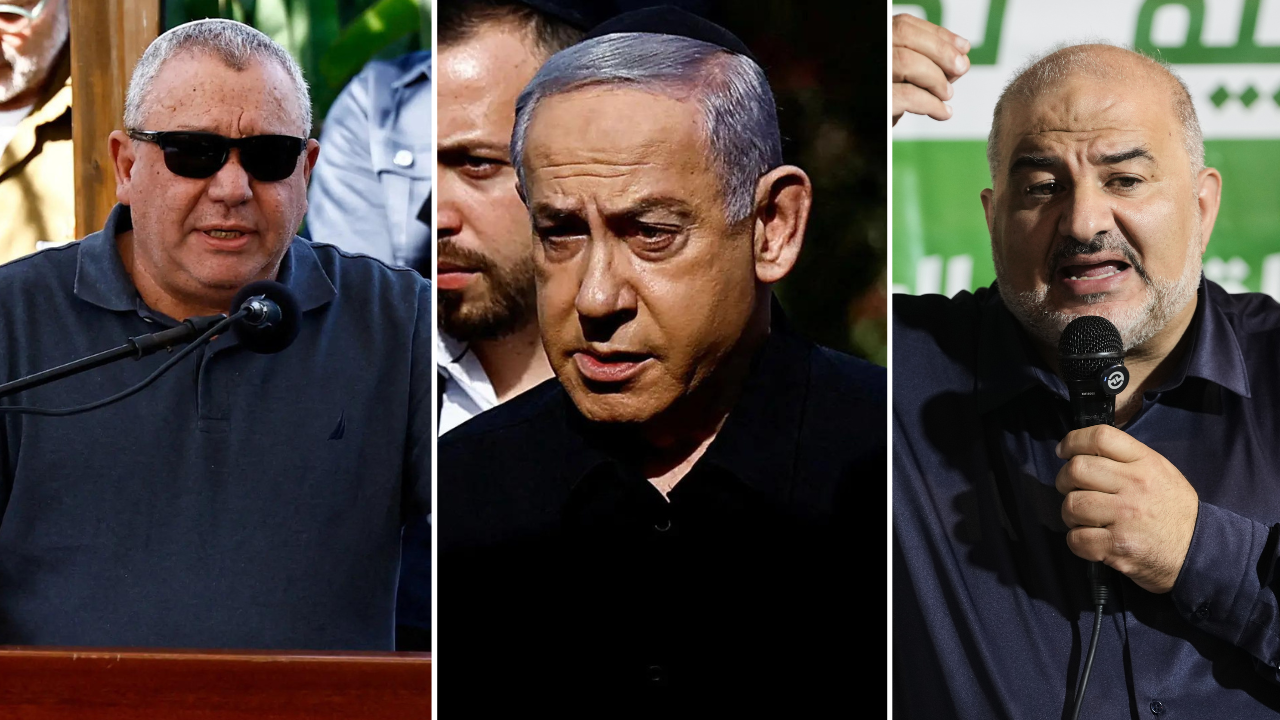
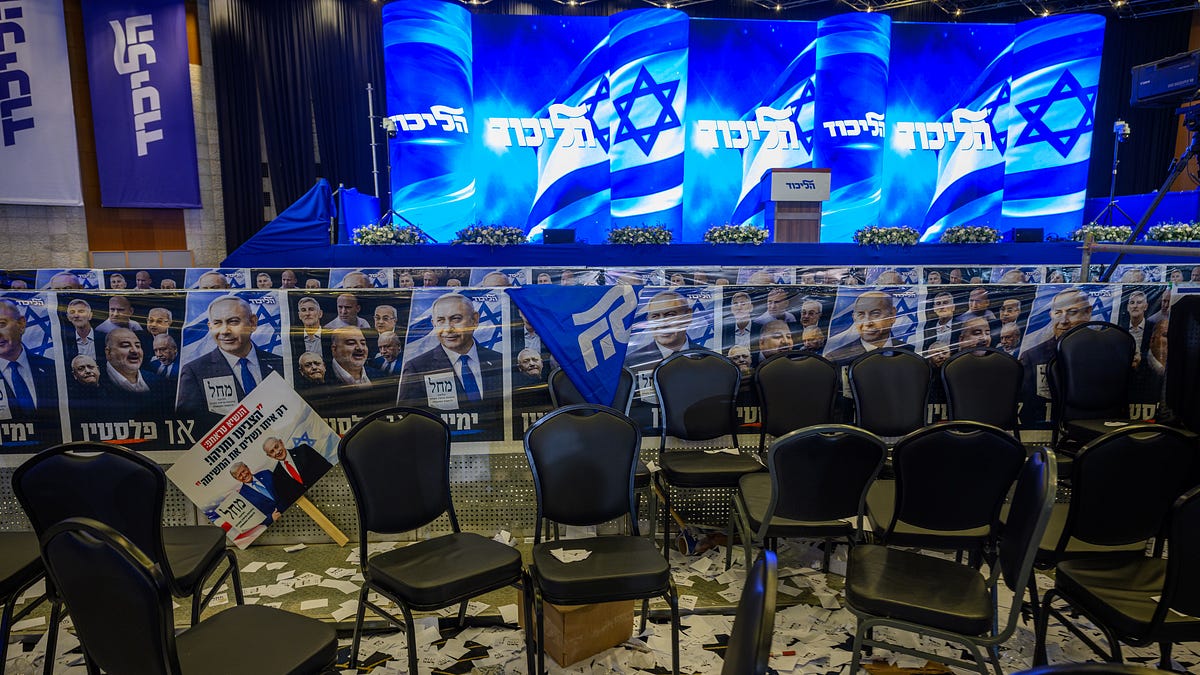
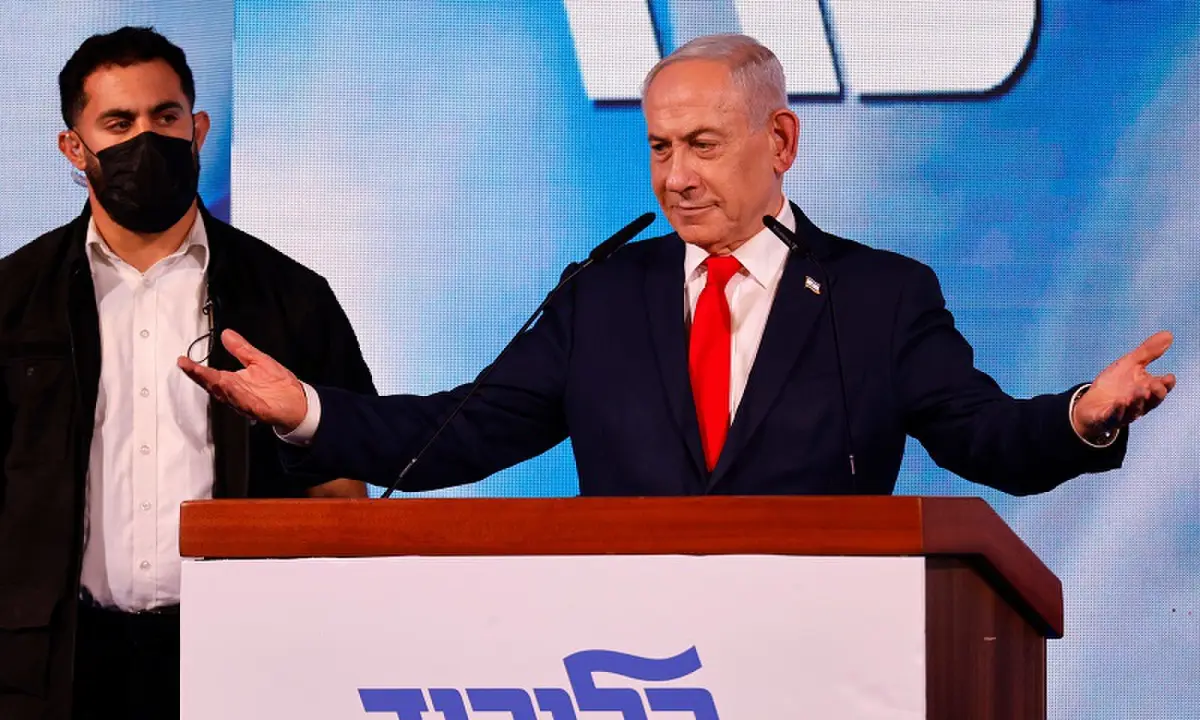
Israel’s election results are due to be certified on Wednesday, but with both leading blocs falling short of a parliamentary majority, negotiations remain deadlocked.
asserted
negotiations → certify → majority
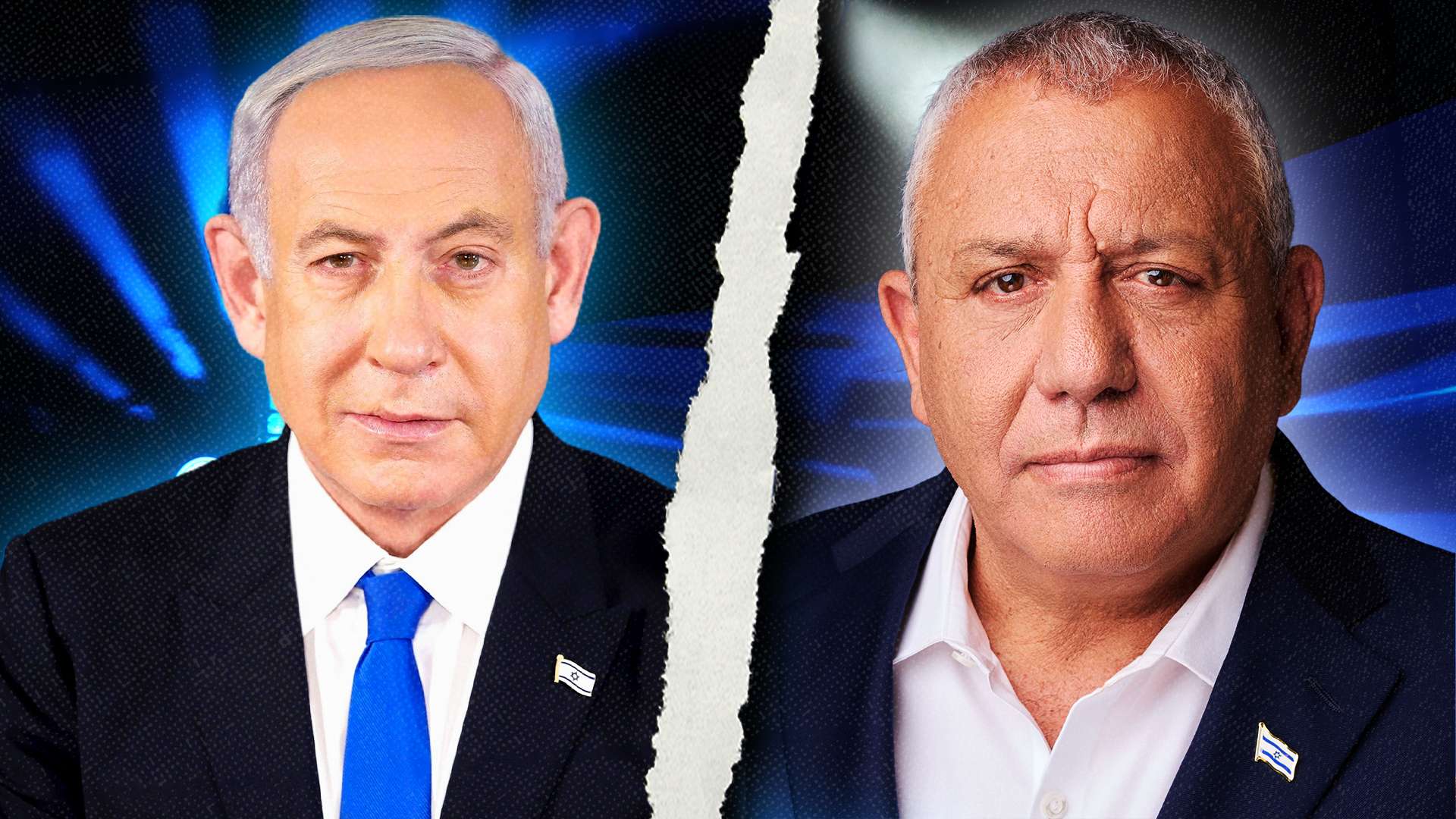
As things stand, the right-wing coalition of Prime Minister Benjamin Netanyahu secured 53 seats in the October 27 vote, while the self-styled Zionist opposition alliance led by former army chief Gadi Eisenkot had 48.
asserted
alliance → stand → 48
A majority requires 61 seats in the 120-strong Knesset.
asserted
majority → require → Knesset
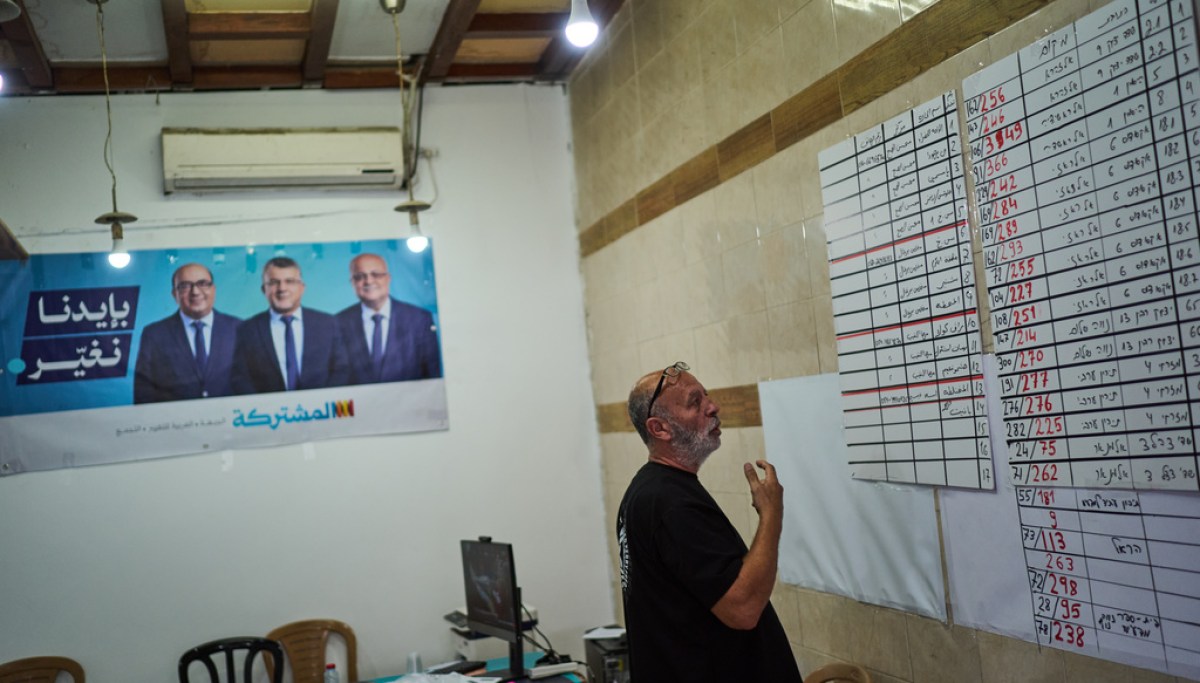
The 19 remaining seats went to the two Arab-led lists – the Joint List and Ra’am, or the United Arab List.
asserted
seats → remain → lists
Recommended Stories
list of 4 items- list 1 of 4Israel election: When will government be formed, who will lead it?
- list 2 of 4Israeli officials say results stand as Netanyahu claims election ‘stolen’
- list 3 of 4The future of the Palestinian vote in Israel
- list 4 of 4Arab parties back Eisenkot: What’s the latest in Israel’s coalition talks?
uncertain
latest → form → talks
Netanyahu’s camp has been accused of seeking to delegitimise the results after launching a series of largely discounted claims that the vote for the Arab parties, which scored their best-ever electoral performance, had been manipulated by foreign interference.
uncertain
which → accuse → interference
Despite their historic showing that was boosted by an unprecedented surge in voter turnout, the two Arab-led lists remain politically isolated.
asserted
lists → boost → turnout
And while there have been indications that they would be prepared to support, or at least not oppose, an Eisenkot-led government, their backing remains contentious within the opposition – a broad and increasingly fractious alliance that also includes parties led by former Prime Ministers Naftali Bennett and Yair Lapid, left-winger Yair Golan and right-winger Avigdor Lieberman.
asserted
that → support → Bennett
After a meeting on Tuesday, the main opposition leaders issued a statement announcing that they were preparing to “act immediately” to replace Netanyahu’s governing coalition “with a national emergency government and translate the clear parliamentary majority in the Knesset into action”.
asserted
they → issue → action
Yet, the statement did not specify how they would reach the majority that would ultimately depend on them allying with either the Arab-led lists or two ultra-Orthodox parties, which have historically supported Netanyahu in return for shielding some of their members from military service.
asserted
which → specify → service
“Essentially, we’re both on track to a government, and nowhere near being able to form one,” Israeli pollster Mitchell Barak told Al Jazeera.
asserted
Barak → ’re → Jazeera
‘Not clear who’s talking to who’
asserted
who → talk → who
Though informal negotiations are widely reported to have begun, official talks on establishing a governing coalition will start only after the results are certified on Wednesday.
asserted
results → report → Wednesday
Netanyahu’s Likud party has already mooted refusing to recognise the results, citing its continuing claims of irregularities in the Arab vote.
uncertain
party → moot → vote
Those allegations have been investigated and discounted by police, while a separate probe by the internal security service, the Shin Bet, remains ongoing.
asserted
probe → investigate → service
Once the results are certified, President Isaac Herzog will begin consultations with all the parties to determine which member of the Knesset, not necessarily a party leader, is best placed to form a government.
asserted
member → certify → government
Herzog, who lost to Netanyahu after an especially bitter contest in 2015, has found himself in the unusual position of having to decide who should be given the first opportunity to form a government, while simultaneously considering the prime minister’s longstanding request for a pardon in his ongoing corruption trial.
asserted
who → lose → trial
One of Herzog’s options is to ask the Arab parties to recommend Eisenkot.
asserted
One → ask → Eisenkot
If selected, the leader of the centrist Yashar party will initially have 28 days to assemble a coalition, a period that can be extended by 14 days.
asserted
that → select → days
Should he fail, Herzog can then invite another candidate to try.
asserted
Herzog → fail → candidate
For his part, Netanyahu on Monday argued that Likud’s first-place finish, with 27 seats, gave him a mandate to lead the next government.
asserted
finish → argue → government
“We aim to form a broad government with our partners and with any other party that wishes to join, provided they do not support terrorism,” he said.
asserted
he → aim → terrorism
Still, it is unlikely he will be able to command a majority without entering an alliance with the Arab parties that he has consistently vilified, or a large-scale wave of defections from the opposition.
asserted
he → command → opposition
Whatever the state of the negotiations, the new Knesset is due to be sworn in on November 10.
asserted
Knesset → swear → November
Barak said coordination within the opposition appeared minimal, while personal animosities between Netanyahu and Herzog further complicated already fraught negotiations.
asserted
animosities → say → negotiations
“It’s really not clear who’s talking to who,” he added.
“Earlier this week, they named [Bennett’s running mate] Lapid as their choice of speaker, which was apparently news to both Eisenkot and Bennett.
asserted
which → ’ → Eisenkot
Equally, Netanyahu now has to appeal to his political rival, Herzog, both to be given the responsibility of forming a government and to be pardoned before any conviction,” Barak continued.
asserted
Barak → have → conviction
“All the while, he’s claiming that the Arab parties cannot be considered legitimate partners in government, which makes it almost impossible for anyone to form a coalition with them.”
Clear as mud
However, the extent to which the efforts to delegitimise the Arab parties may succeed remains uncertain.
uncertain
efforts → claim → parties
Ra’am served as a central plank of the Bennett-Lapid coalition in 2021–22, the first time an independent Arab party had formally joined an Israeli government, with public pressure to do so again growing.
asserted
pressure → serve → government
Over the weekend, thousands rallied in Tel Aviv calling upon Eisenkot to make a deal with the Arab parties that reflected the overwhelming number of votes cast against Netanyahu’s governing coalition.
asserted
that → rally → coalition
However, following the meeting between the opposition leaders on Tuesday, sources within the Joint List told Al Jazeera they were not expecting to be invited to support the bloc anytime soon.
asserted
they → follow → bloc
Instead, speculation has turned to the possibility of one of the two ultra-Orthodox parties – Shas and United Torah Judaism (UTJ), and particularly the latter – defecting to the opposition and backing Eisenkot.
asserted
one → turn → Eisenkot
Neither Shas nor UTJ have had straightforward relationships with Netanyahu’s governing coalition.
asserted
Shas → have → coalition
In fact, it was the withdrawal of their parliamentary support in May, following what they saw as the coalition’s failure to pass a draft law exempting some of their ultra-Orthodox members from military service, that fundamentally weakened its majority in parliament.
uncertain
that → follow → parliament
“There are rumours that the Ashkenazi [Jews, who make up the bulk of the UTJ membership] are ready to break with Netanyahu and go to Eisenkot,” political analyst Nimrod Flaschenberg told Al Jazeera.
asserted
Flaschenberg → be → Jazeera
“I am sceptical, but even that would still leave them short of an overall majority, so they would still need support from one of the Arab parties, even if that is Ra’am supporting them from outside a formal coalition,” he said of the parliamentary arithmetic.
asserted
he → leave → arithmetic
Spoilers
Hanging over all, however, are developments tied to Israel’s deep and longstanding alliance with the United States.
Barak said the entire government-formation process risked being disrupted by the results of Tuesday’s midterm elections in the US, which could weaken Israel’s foremost ally, President Donald Trump, or be overtaken entirely by renewed war with Iran.
uncertain
which → hang → Iran
Netanyahu, particularly, went to pains during the election campaign to stress his relationship with Trump, whose Republican Party faces a tough race to keep hold of Congress.
asserted
Party → go → Congress
Equally, both Trump’s rhetoric as well as the renewed build-up of US forces in the region may all signal the beginning of renewed conflict with Israel’s regional nemesis, Iran.
uncertain
rhetoric → renew → nemesis
“Netanyahu cannot form a coalition,” Yossi Mekelberg, a senior fellow at Chatham House, told Al Jazeera.
asserted
Mekelberg → form → Jazeera
…and 4 more, not listed.
 The Aporia