Democrats are bracing for a fight over Medicare for all as they begin to organize their plans for the next congressional session starting in January, regardless of whether the party wins both the House and Senate following the Nov. 3 midterm elections.
asserted
party → brace → elections
Progressive Democrats are poised to use a midterm election victory to push the leadership in their party to advance a form of federalized single-payer health insurance.
asserted
Democrats → poise → insurance
Recommended Stories
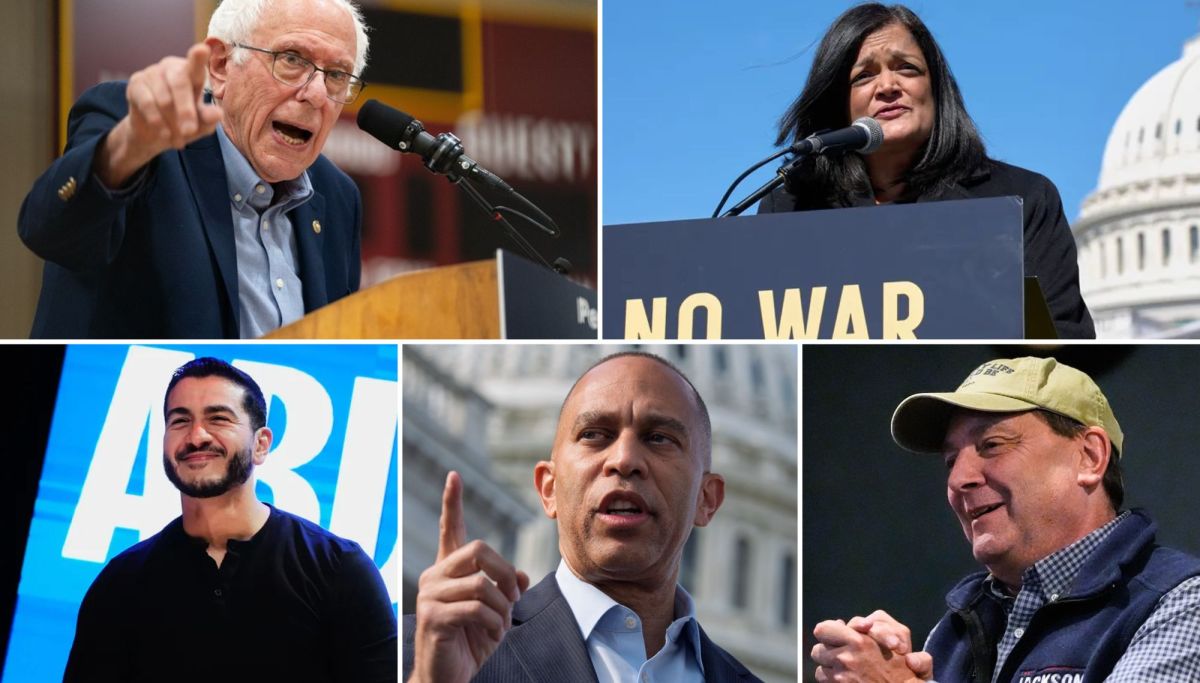
Rep. Pramila Jayapal (D-WA), the primary sponsor of the current version of the Medicare for All Act, told Punchbowl News on Tuesday that she hopes to mark up the legislation in 2027 and push for a vote on the House floor.
asserted
she → tell → floor
“I want to make sure we have the requisite number of co-sponsors, and I’m hoping that our leadership is part of helping to make that happen,” Jayapal said.
asserted
Jayapal → want → sponsors
Jayapal’s version of Medicare for All would establish a national healthcare system overseen by the Department of Health and Human Services and would effectively eliminate private health insurance coverage.
asserted
version → establish → coverage
Jayapal’s bill has 118 co-sponsors among the current congressional delegation.
asserted
bill → have → delegation
House Minority Leader Hakeem Jeffries (D-NY), who previously co-sponsored the Medicare for All Act,
asserted
who → co → Act
has not supported the legislation since taking on the leadership position within the party, but he does plan on shepherding healthcare legislation through the House in his first 100 days if Democrats win on Tuesday.
asserted
Democrats → support → Tuesday
Jeffries said in mid-October Democrats will be unified “right out of the gate” to reinstate the Obamacare enhanced premium subsidies that lapsed last year as well as reverse the reductions in Medicare spending enacted by Republicans as part of their 2025 spending bill.
asserted
that → say → bill
There may be a greater appetite in the Senate to work on Medicare for All legislation if Democrats win the majority in the upper chamber.
uncertain
Democrats → work → chamber
If Democrats win the Senate, Medicare for All proponent Sen. Bernie Sanders (I-VT) is expected to chair the Health, Education, Labor, and Pensions committee that oversees key aspects of health insurance regulation.
asserted
that → win → regulation
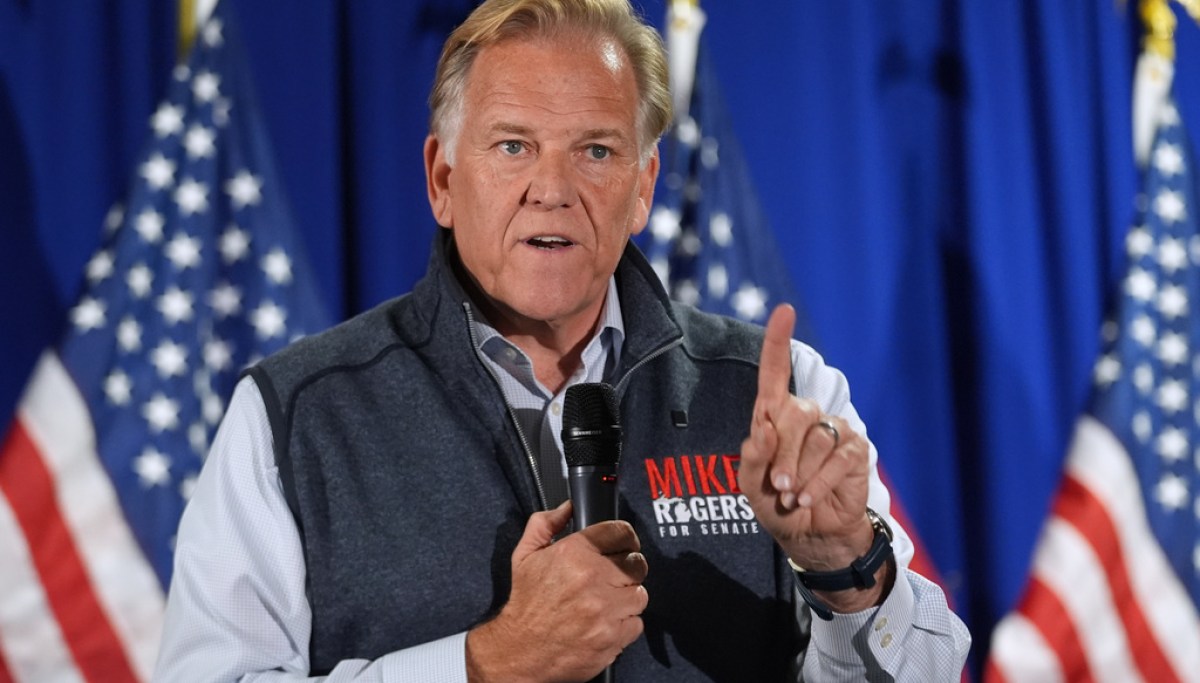
Michigan’s Democratic Senate candidate, Abdul el Sayed, who has made passing Medicare for All a bedrock of his campaign, has also signaled that he would like a spot on the health committee if he wins against Republican Mike Rogers.
asserted
he → make → Rogers
Senate candidate Troy Jackson in Maine, running against Sen. Susan Collins (R-ME), has also publicly supported a single-payer Medicare for all model, but has acknowledged it to be “a big lift” legislatively.
asserted
it → run → model
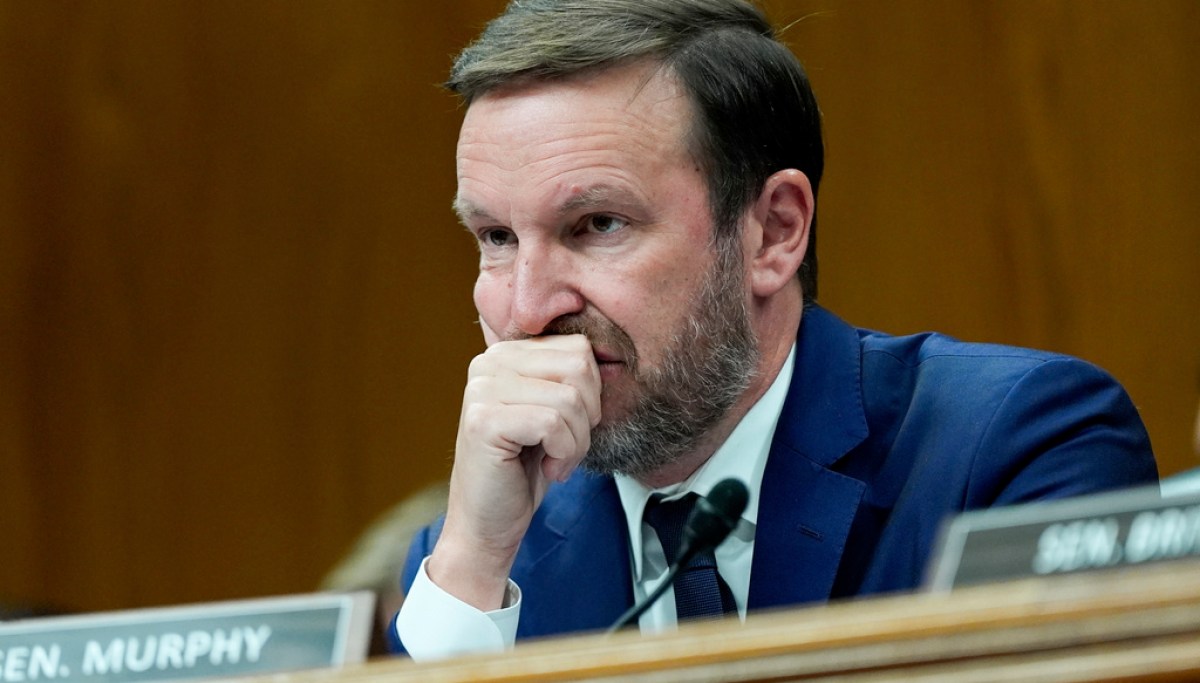
Any Medicare for all bill would likely need to go through the Senate Finance Committee, whose top Democrat, Sen. Ron Wyden (D-OR), has expressed support for a federalized public option for health insurance rather than entirely prohibiting private health insurance coverage.
asserted
Democrat → need → coverage
Both Wyden and Rep. Alexandria Ocasio-Cortez (D-NY), who is seen as a possible 2028 presidential contender, have organized fellow Democrats in their respective chambers to develop healthcare policy proposals to guide the party in the years ahead.
asserted
who → see → years
Neither working group has wholeheartedly supported Medicare for all.
asserted
group → work → all
Jessica Schubel, a health policy strategist and former adviser to President Joe Biden, told the Washington Examiner ahead of the election that she believes Democrats are “actually quite united” on their vision for health coverage.
asserted
Democrats → tell → coverage
“We’re all moving towards achieving universal coverage,” Schubel said.
asserted
Schubel → move → coverage
“I think there’s just different approaches that we could take to accomplish that.”
uncertain
we → think → that
Schubel said, in addition to reversing the Medicaid spending cuts, Democrats should strive to functionally improve both the Medicaid and Obamacare programs, as well as health insurance coverage through employers, which covers roughly half of the U.S. population under age 65.
asserted
which → say → age
“I do think that this is an opportunity to think about how do we strengthen both of those programs that, you know, millions of hardworking Americans rely on, as well as tackling employer-sponsored coverage issues,” she said.
asserted
she → think → issues
 The Aporia