Persian Gulf leaders fear a renewed U.S.-Iran war as diplomacy sputters
asserted
diplomacy → fear → war
-
- At a Persian Gulf security summit in Bahrain, diplomats warned that a renewed U.S.-Iran war could be more destructive.
uncertain
war → warn → Bahrain
Washington and Tehran have both signaled interest in a settlement but also continue to threaten each other.
-
asserted
Washington → signal → other
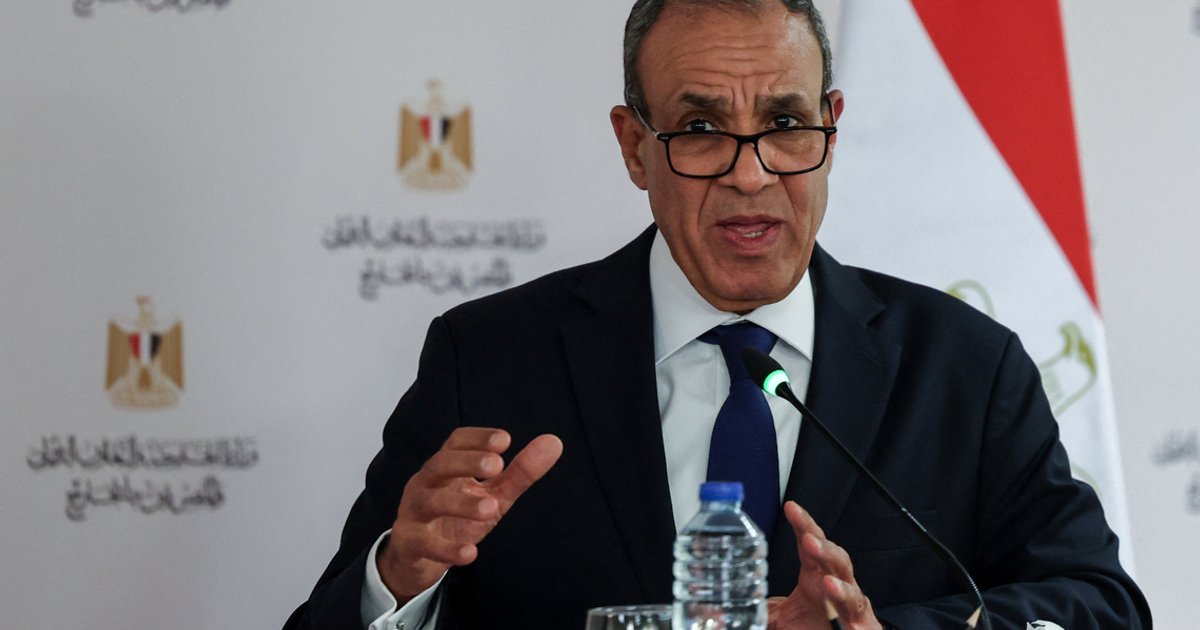
Egypt’s foreign minister warned that a second round of warfare ‘will be more dangerous, more destructive and it will lead to nowhere.’
asserted
it → warn → warfare
Conferences in the Persian Gulf are usually positive affairs, with government officials, executives of state-owned companies and armies of consultants touting petro-fueled visions promising fantastical technology and prosperity.
asserted
officials → own → technology
Yet optimism seemed in short supply at the Manama Dialogue, an annual security and geopolitical summit held in the Bahraini capital.
asserted
optimism → seem → capital
Instead, the dominant mood among the Middle East diplomats, defense officials and experts assembled last weekend was fear over the consequences of another bout of U.S.-Iran fighting.
asserted
mood → assemble → fighting
“The rules of logic tell us that the Iranian stand and the American stand are far apart.
asserted
stand → tell → us
And if these positions are not bridged, then we have to worry about the worst,” Anwar Gargash, a presidential advisor in the United Arab Emirates, said in an address at the summit.
asserted
Gargash → bridge → summit
Gargash added that it’s not in the interest of the regional countries or Iran to go through another round of war.
asserted
it → add → war
“While we’re going through this period of protracted crisis of no war, no peace, we are clearly seeking a political offramp,” he said.
asserted
he → go → offramp
In his address, Egyptian Foreign Minister Badr Abdelatty said, “We have to push very hard in order to prevent the escalation.”
asserted
We → say → escalation
Noting that more fighting would affect food and energy security, he added, “The second round will be more dangerous, more destructive and it will lead to nowhere.”
asserted
it → note → security
With a settlement between Tehran and Washington seemingly out of reach, President Trump has hinted he could launch “another little Operation Epic Fury” after Tuesday’s midterm elections.
uncertain
he → hint → elections
He was referring to the U.S.-Israeli operation that launched the war on Iran on Feb. 28.
asserted
that → refer → Feb.
But on Monday, he wrote on his social media website that “Iran wants a settlement, as soon as possible.
asserted
Iran → write → settlement
It could happen!”
uncertain
It → happen → ?
Still, hours later, Iranian state media reported explosions on Iran’s Qeshm Island in the Strait of Hormuz; the Associated Press quoted an unnamed U.S. official as saying the military had carried out “defensive strikes.”
asserted
military → report → strikes
The news comes as Republicans face a tough midterm race, which has become a referendum on an increasingly unpopular war that could sink Trump’s Teflon-like electoral appeal.
uncertain
that → come → appeal
Iran has expanded its threats but says it is awaiting the latest U.S. response.
asserted
it → expand → response
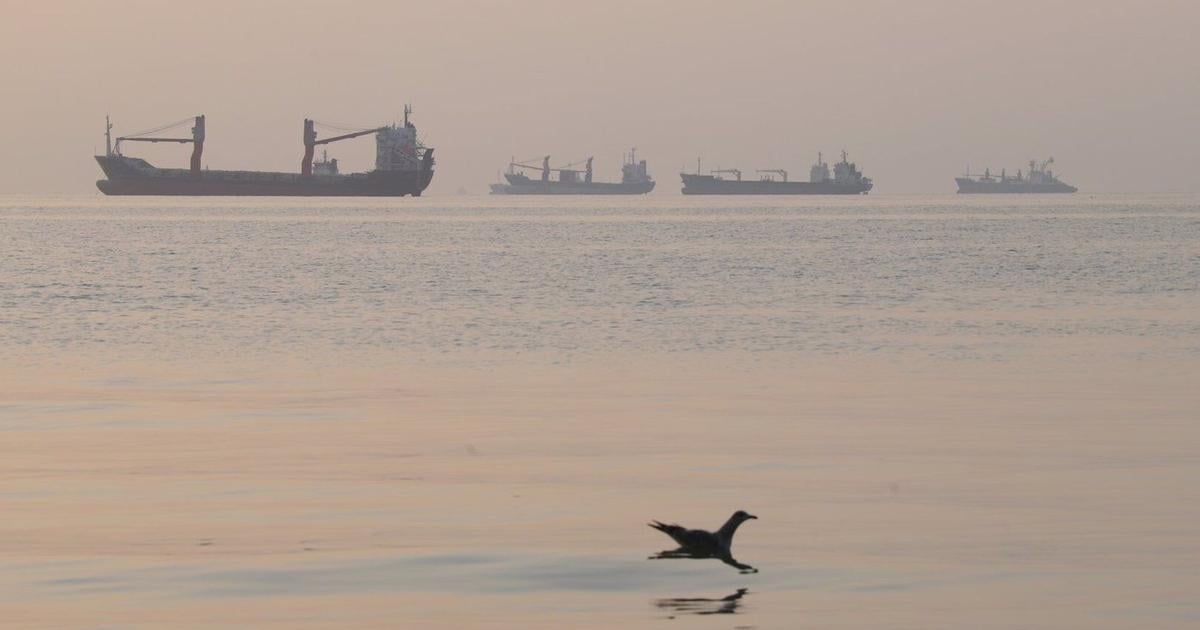
The latest proposal Iran has publicly discussed would fully reopen the Strait of Hormuz to shipping within two days if Washington meets several conditions, including lifting its blockade of Iranian ports.
asserted
Washington → discuss → ports
Meanwhile, Israeli Prime Minister Benjamin Netanyahu, who is fighting for his political life after an inconclusive election last month, is said to be pressing Trump to finish off the Islamic Republic.
asserted
who → fight → Republic
Behind the scenes, regional diplomats are engaging in furious shuttle diplomacy to avert renewed fighting.
asserted
diplomats → engage → fighting
Last week, Saudi, Pakistani and Turkish officials flew to Tehran and met with Iranian military officials.
asserted
officials → fly → officials
Qatar is leading negotiations between the U.S. and Iran, with Tehran presenting a de-escalation plan that has yet to be accepted by Trump.
asserted
that → lead → Trump
Iranian Foreign Minister Abbas Araghchi on Monday told the state-run Islamic Republic News Agency that it was now up to the Americans to decide “whether they have the will to take the wise path of diplomacy or, as in the past, seek to drag the situation into aggression and military operations.”
asserted
they → tell → aggression
“If they dare to test us again,” he added, “they know that they will receive a much more bitter and severe result than before.”
asserted
they → dare → result
His words came as several Middle Eastern countries are still reeling from the first round of fighting, when Iran retaliated against U.S. attacks by striking American military bases on regional soil with fusillades of drones, as well as cruise and ballistic missiles.
asserted
Iran → come → drones
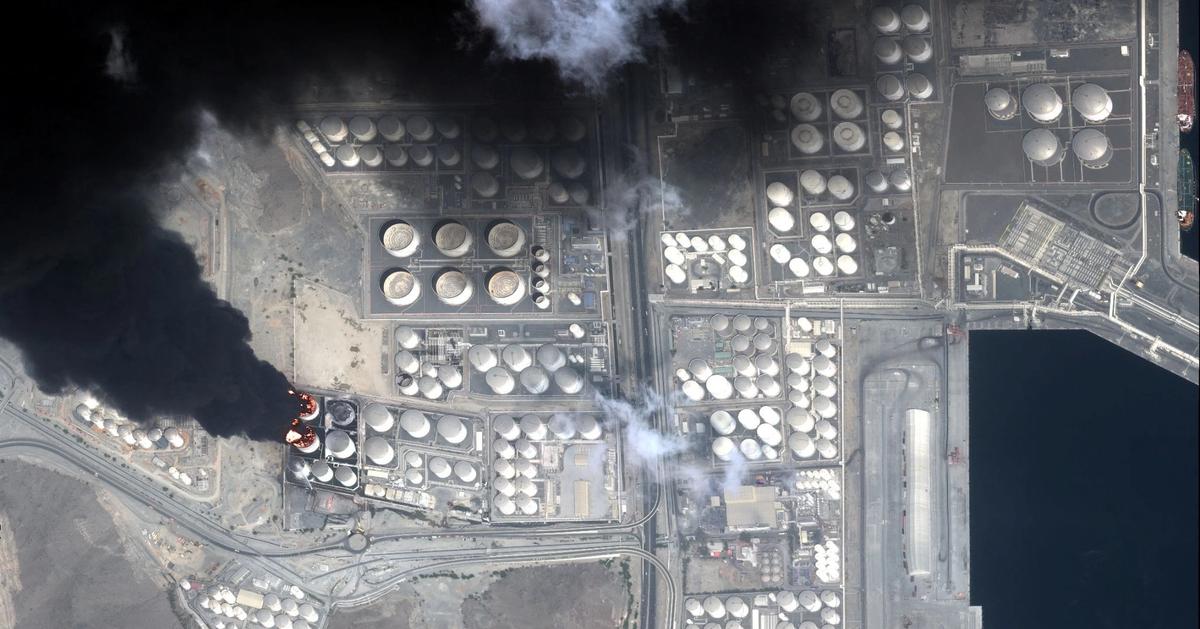
Iran also targeted civilian infrastructure and has vowed to exercise less restraint and wage a no-holds-barred campaign — possibly striking energy, desalination and travel facilities — in the event of a new assault.
uncertain
Iran → target → assault
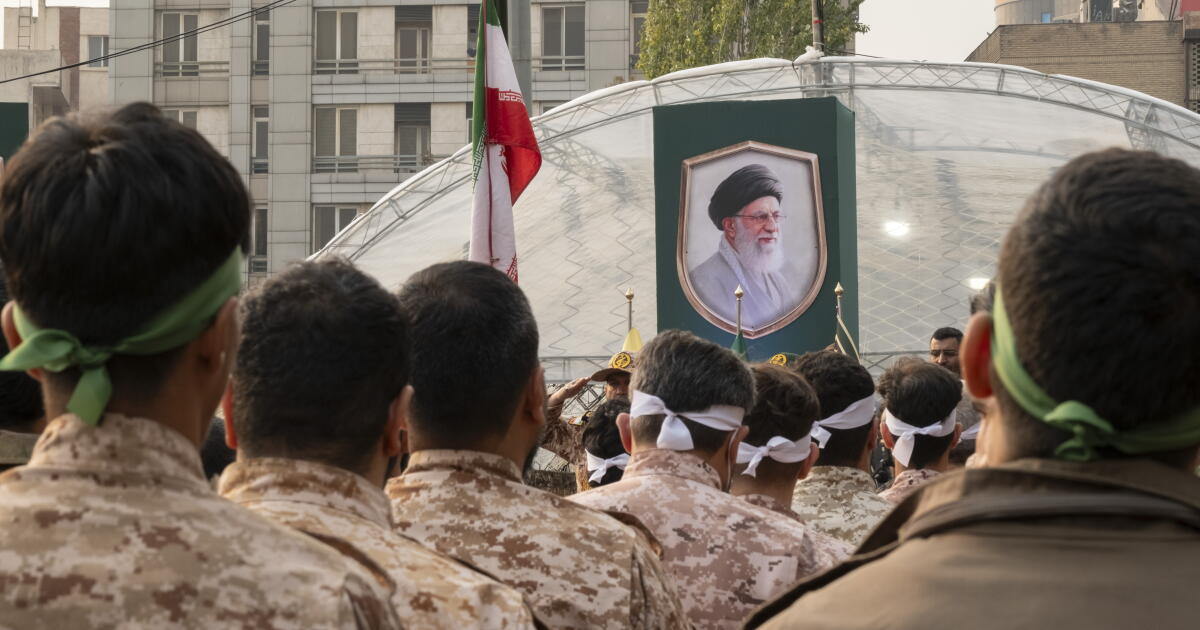
On Saturday, Iran’s supreme leader, Ayatollah Mojtaba Khamenei, said further U.S. attacks would prompt a broad response, one without “geographic limits.”
asserted
attacks → say → limits
The scars of the fight could be seen around the Bahraini capital, where the U.S. 5th Fleet has several support facilities.
uncertain
Fleet → see → facilities
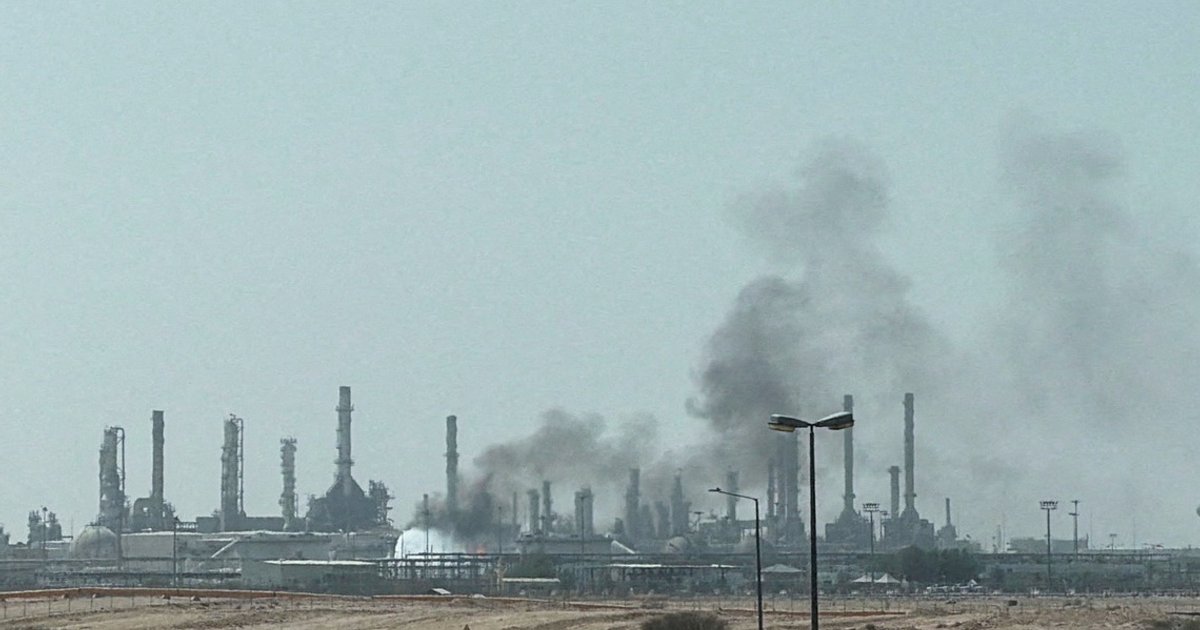
Structures showed signs of explosive damage, including a partially destroyed radar dish and soot-covered depot, a result of Iranian projectiles — 500 drones and roughly 200 ballistic missiles — finding their mark.
asserted
projectiles → show → mark
The bases seemed all but abandoned, with word among residents that American service members, a common sight in Bahrain, have all but disappeared.
asserted
members → seem → Bahrain
The war has cast a shadow on Persian Gulf nations that have long presented themselves as paragons of stability in a volatile region, mostly unaffected by the conflicts raging in the wider Middle East.
asserted
that → cast → East
Disruptions to energy flows and logistics mean members of the Gulf Cooperation Council, or GCC, a bloc of oil-rich Gulf nations, are facing a 4.8% contraction in gross domestic product compared with last year, according to the International Monetary Fund.
uncertain
members → mean → Fund
The International Monetary Fund expected a strong turnaround in 2027 but acknowledged that “uncertainty remains exceptionally high, and risks are firmly tilted to the downside.”
asserted
risks → expect → downside
Bahrain, Kuwait and Qatar are hardest hit; Qatar’s real GDP is down more than 15% this year.
asserted
GDP → hit → ?
Meanwhile, the Saudi economy — which is contending with the double pressures of a sealed-off Strait of Hormuz and a blockade on Red Sea access by Iran-backed Yemeni rebels known as the Houthis, shrank almost 4% in the third quarter compared with last year, according to official figures.
uncertain
which → contend → figures
Despite regional efforts to bring about a detente, the general consensus among attendees at the security summit was that more war is coming.
asserted
war → bring → summit
The summit, which is organized by the International Institute for Strategic Studies think tank, drew hundreds of participants.
asserted
which → organize → participants
…and 11 more, not listed.
 The Aporia