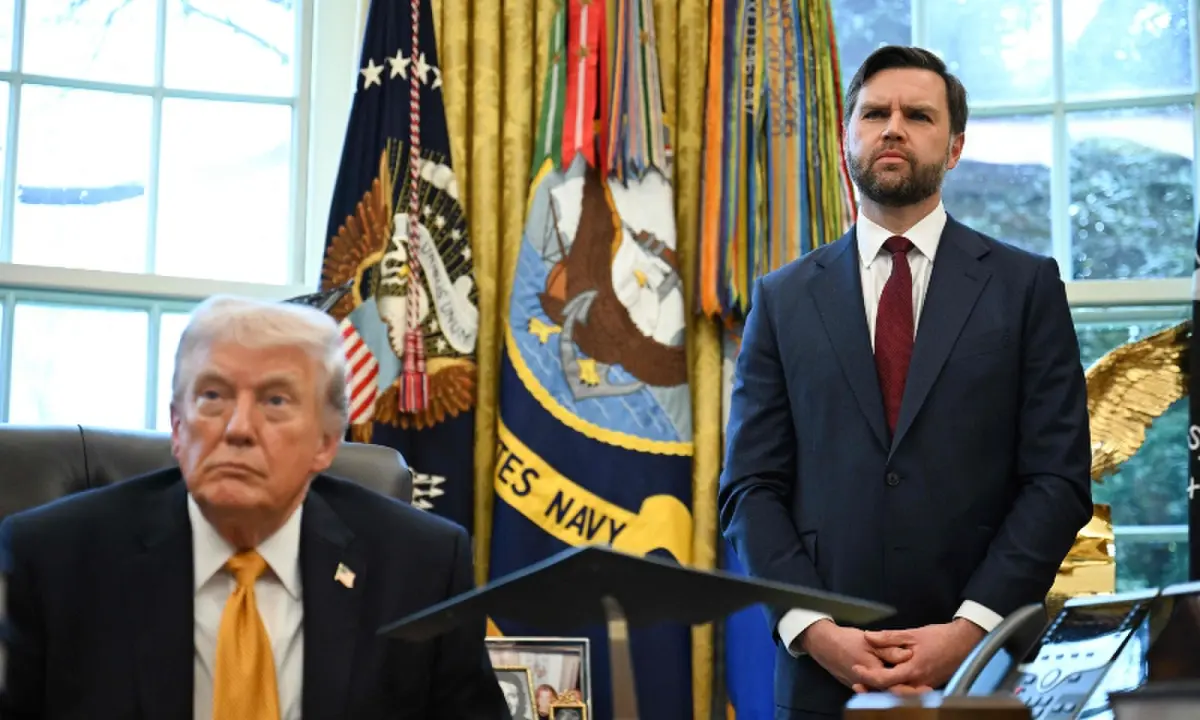
Israeli Prime Minister Benjamin Netanyahu on Wednesday (November 4, 2026) doubled down on accusations of foreign interference in last week’s election, despite calls for compromise from the President.
asserted
Netanyahu → double → President
More than a week after Israel’s first election since the October 7, 2023 Hamas attacks, President Isaac Herzog began meeting party leaders to decide whether to give Prime Minister Benjamin Netanyahu or his rival Gadi Eisenkot the first chance to form a government in the deeply polarised country.
asserted
Herzog → begin → country
Mr. Eisenkot, who won the endorsement of a major Arab party, vowed to “deepen” the U.S.-Israel partnership across bipartisan lines and to work with President Donald Trump to stabilise the region if selected as Prime Minister.
asserted
who → win → Minister
Mr. Netanyahu, meanwhile, pointed to “serious suspicions that foreign states have spent considerable sums to influence the outcome of the elections in Israel”.
asserted
states → point → Israel
The premier has gone on the offensive against Arab-majority lists, who have the power to put Eisenkot in power if they team up.
asserted
they → go → power
Mr. Netanyahu has pointed to the arrests of several people with envelopes of cash on election day in what authorities called localised incidents, and accused leaders of accepting money from Qatar, an allegation also levelled against the Prime Minister’s own aides.
asserted
authorities → point → aides
With neither bloc holding a majority in the 120-seat parliament after the October 27 vote, Mr. Herzog said both sides needed to accept that “not every commitment and promise can be fulfilled” and to avoid new elections.
“In the current reality, in which there is no clear winner after the elections, I ask for originality and creativity, courage and goodwill, so that the State of Israel emerges the winner,” Mr. Herzog said.
asserted
Herzog → hold → Israel
The election saw soaring support for lists from the Arab minority, descendants of Palestinians who stayed in Israel after its 1948 creation and who have often been outraged by the harsh rhetoric and actions of Netanyahu’s hard-right government.
asserted
who → see → government
Without naming any leader, Mr. Herzog, whose role is usually ceremonial, said he had “great respect” for the Arab minority, which makes up around 20% of Israel’s population.
asserted
which → name → population
“I condemn the coarseness and racist expressions that we have heard recently,” he said.
asserted
he → condemn → that
Mr. Eisenkot, a former military chief who has vowed to turn the page on Mr. Netanyahu’s long, divisive reign, meanwhile vowed to “renew and deepen” Israel’s partnership with the United States and “strengthen the bipartisan foundations that have long sustained it”.
asserted
that → vow → it
“I look forward to working closely and constructively with President Trump and his administration,” he continued on X.
“Together, we can advance our shared security interests, strengthen regional stability, and open new doors to prosperity for the peoples of the Middle East.”
asserted
we → look → East
His remarks follow criticism after Mr. Trump announced that he had agreed with Mr. Netanyahu to end nearly $4 billion in annual US military aid to Israel by the end of the year.
asserted
he → follow → year
A leading Arab-Israeli party, Raam, officially endorsed Eisenkot to form a new government, ahead of a meeting with Mr. Herzog.
asserted
Eisenkot → lead → Herzog
Mr. Eisenkot has warned Mr. Netanyahu against launching a new war with Mr. Trump against Iran, which could help the Israeli Prime Minister push for a unity government or to run out the clock until new elections.
uncertain
Minister → warn → elections
Opposition lawmakers said Tuesday’s (November 4, 2026) midterm elections in the United States, in which Democrats trounced Mr. Trump’s Republicans, reinforced the need to remove Mr. Netanyahu.
asserted
Democrats → say → Netanyahu
Democrats have vowed a tougher line on Israel amid outrage over the devastation wrought by the war in Gaza.
asserted
Democrats → vow → Gaza
“The continued tenure of Netanyahu and (Itamar) Ben Gvir could lead Israel down a path of international sanctions, international isolation and a clash with the U.S.,” said Yair Golan, who heads the most left-wing party within the opposition bloc.
uncertain
who → lead → bloc
The Central Elections Committee said it had conducted an audit of 9,069 polling stations following complaints and found no evidence that would question the results’ integrity.
asserted
that → say → integrity
The committee, which reflects the makeup of the outgoing parliament, approved the results with 15 members in favour and two against but 14 others abstaining.
asserted
others → reflect → favour
Ben Gvir, the ultranationalist national security minister known for his provocative calls for Palestinian suffering, said his party did not accept the results and urged the arrest of Arab-Israeli party leaders.
asserted
party → know → leaders
Several Israeli media outlets said authorities were investigating Arab lawmaker Ayman Odeh for allegedly taking foreign money.
uncertain
authorities → say → money
He is part of the largest Arab group, the Joint List, which in a statement denounced “political persecution”.
asserted
which → denounce → persecution
Mr. Eisenkot accused the Prime Minister of trying to “undermine Israeli democracy” and inflame sentiment against elected officials.
asserted
Eisenkot → accuse → officials
“We will not allow the State of Israel to be dragged into a dark abyss, far beyond the bounds of democratic conduct,” Eisenkot said, as he marked the 1995 assassination of Prime Minister Yitzhak Rabin.
asserted
he → allow → Rabin
Mr. Herzog will hold an initial two days of consultations and then give a contender 28 days to form a government, with a potential 14-day extension.
asserted
Herzog → hold → extension
 The Aporia