There were no hidden Trump voters, just angry Trump voters, standing in plain sight, carrying their grievances to the ballot box and voting for Democrats because they were upset about the Iran war.
asserted
they → be → war
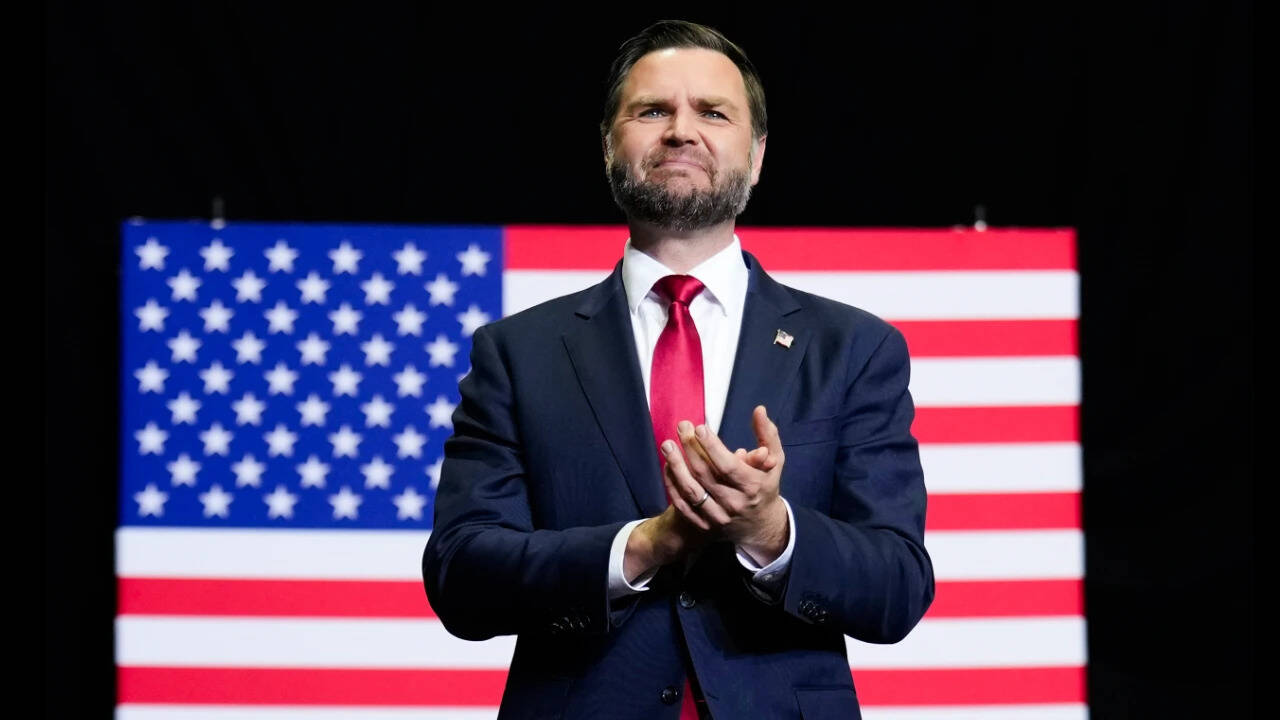
In essence, that was US vice president
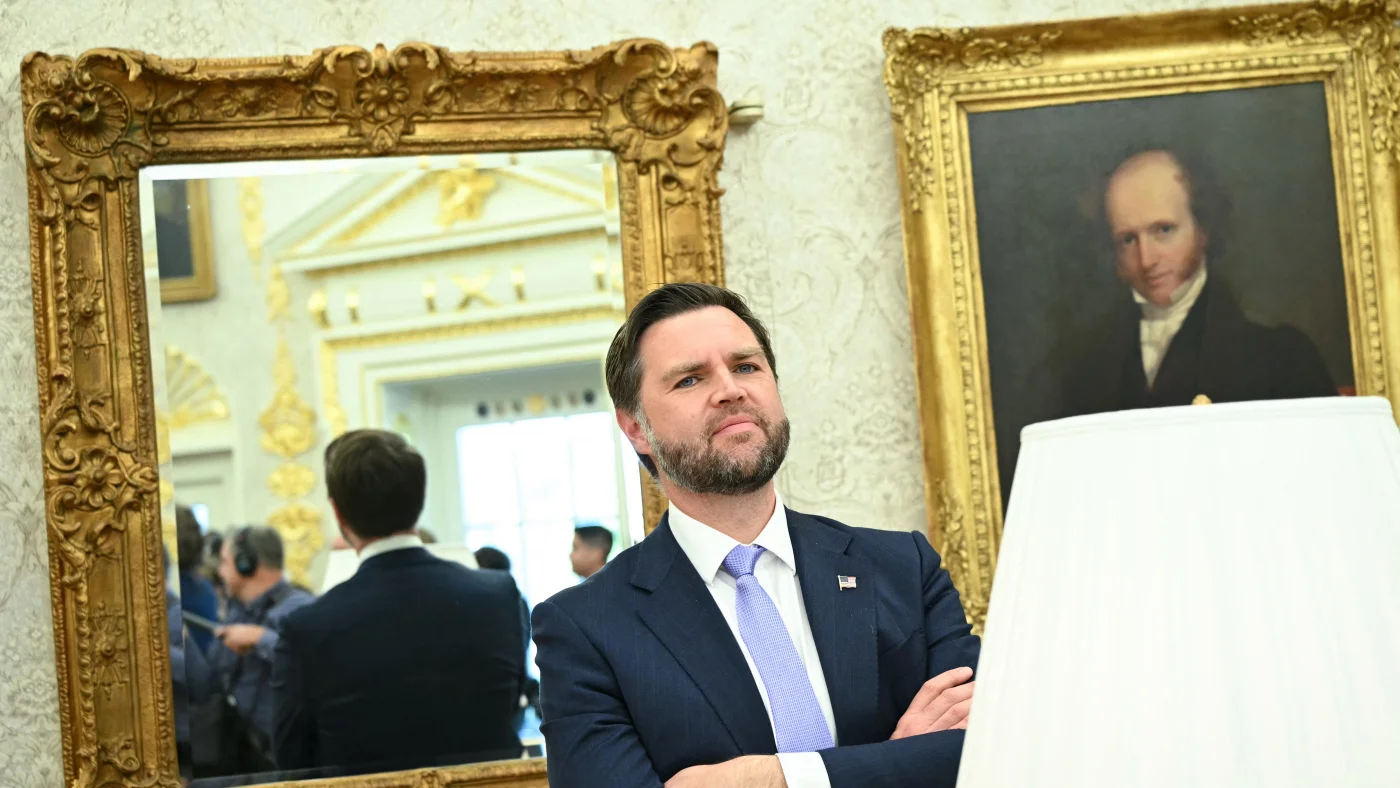
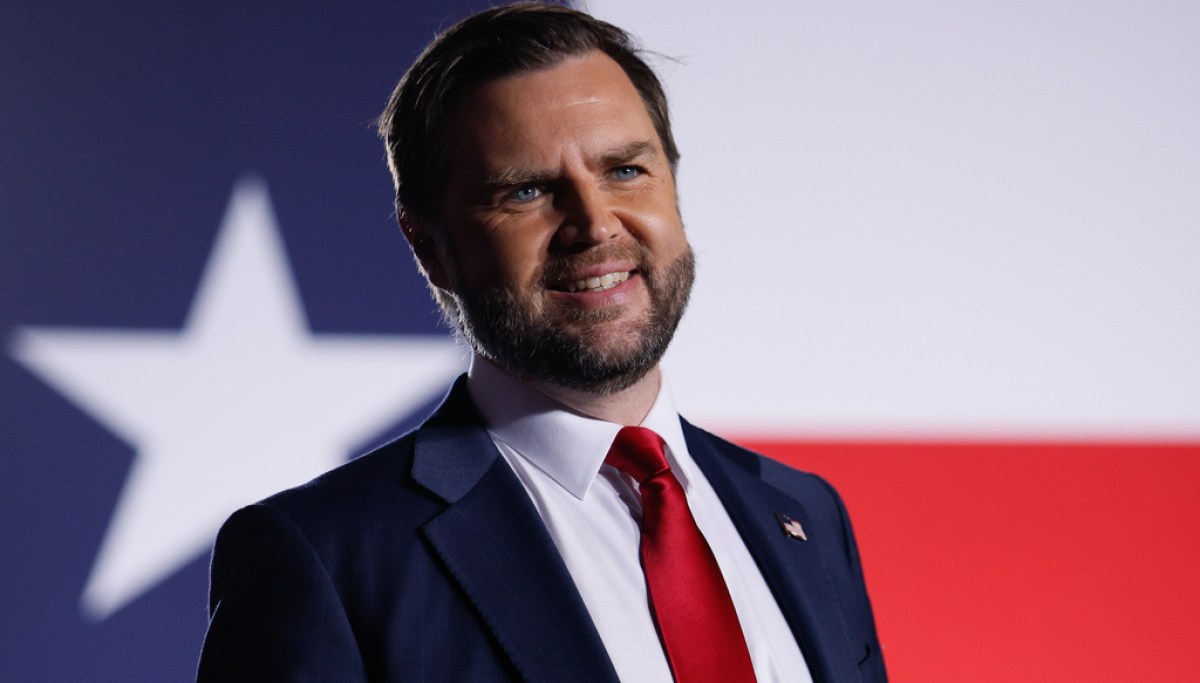
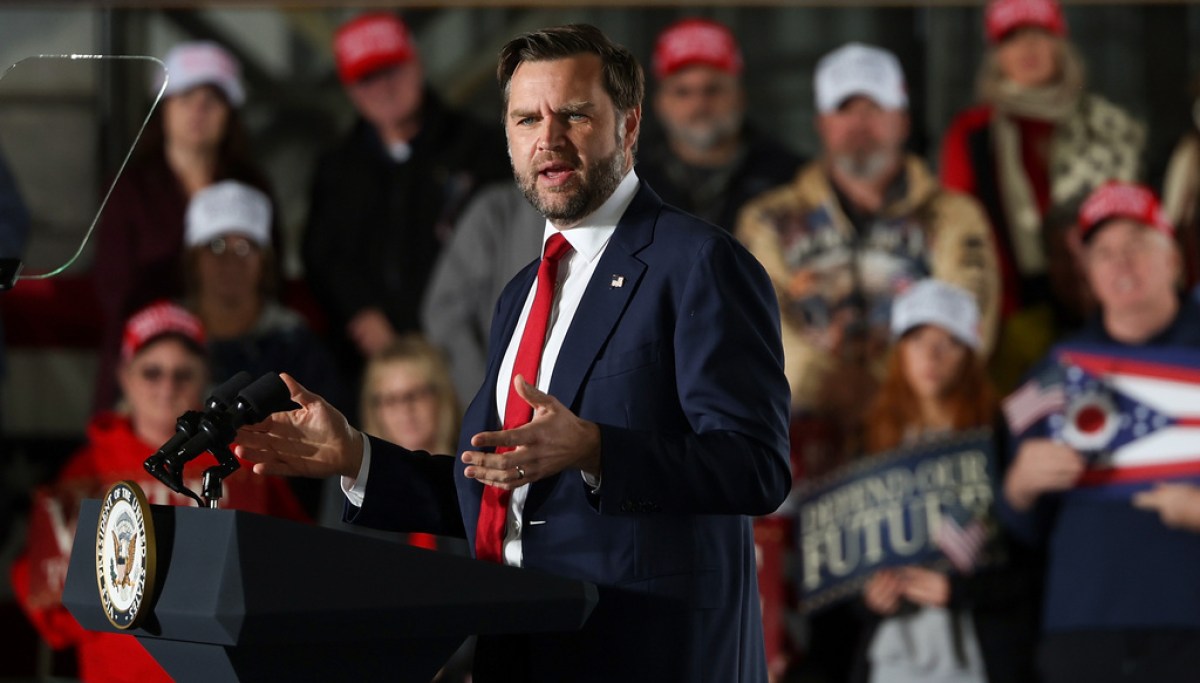
JD Vance's explosive explanation for the Republican Party's electoral debacle in a post in which he appeared to throw his boss under the bus while positioning himself to run for the White House in 2028.
asserted
he → appear → 2028
In what was a quick 614-word post-mortem of the Republican rout even as final tallies are still being tabulated, Vance argued that strategists had been looking in the wrong place, obsessing over turnout when the real problem was that Trump-Vance voters from 2024 were switching sides.
asserted
voters → tabulate → sides
His data analysts had been reassured by turnout figures, but one particularly astute pollster had warned that many former Republican voters were angry and planning to vote Democrat.
asserted
voters → reassure → Democrat
Their grievances, Vance said, boiled down to four demands: end the war, tackle inflation and the cost of living, put America First, and change America's relationship with Israel.
asserted
Vance → say → Israel
"The reason we lost is the war.
asserted
we → lose → ?
The president himself said so last night," Vance wrote, glossing over the fact that his boss initiated the war and he was implicitly a party to it.
asserted
he → say → it
In fact, Vance had previously defended the military action and served as a prominent administration spokesman.
asserted
Vance → defend → spokesman
But now, with the electoral wreckage still smoldering, political pundits saw him positioning himself as the man who understood the voters' anger -- and perhaps the man who could lead the party out of the rubble.
uncertain
who → smolder → rubble
The 2028 subtext was not exactly written in invisible ink.
asserted
subtext → write → ink
Asked for his reaction to Vance's assessment, Trump said it was "largely true," conceding that the war had pushed up gasoline prices and hurt Republicans.
asserted
war → ask → Republicans
But he insisted he would do it all over again, arguing that preventing Iran from acquiring a nuclear weapon left him with no choice.
asserted
preventing → insist → choice
He also does have another election to win.
asserted
He → have → election
Vance, meanwhile, was already drawing boundaries around the post-Trump Republican Party with his election autopsy that doubled as a campaign manifesto: less foreign intervention, greater economic populism, tougher immigration enforcement and a reassessment of the relationship with Israel.
asserted
that → draw → Israel
His warning against an amnesty-driven response to the defeat was a pre-emptive strike against Republicans who might use the results to advocate softer immigration policies.
uncertain
who → drive → policies
Already, leaked stories suggest there has been some bloodletting on the issue even in the White House, with reports that Stephen Miller, architect of Trump's hard-line immigration program, was on the backfoot after Melania Trump expressed unhappiness with the scale and consequences of the deportation drive.
asserted
Trump → leak → drive
According to one account, she had complained that people she knew were being caught up in the crackdown, prompting Trump to tell aides that enforcement should concentrate more on criminals rather than indiscriminate deportation targets.
uncertain
enforcement → accord → targets
Meanwhile, while Democrats were dancing downtown at the unexpected electoral sweep, the knives were out in the GOP ranks.
asserted
knives → dance → ranks
Marjorie Taylor Greene, once among Trump's most ardent cheerleaders before their spectacular falling-out, declared that Republicans would have to "kick
Donald Trump out" if the party wanted a future.
asserted
party → declare → future
She accused him of turning the GOP into a warmongering, corporate-focused outfit that had abandoned the conservative values of its voters.
asserted
that → accuse → voters
Conservative commentator Matt Walsh called the Iran war the greatest political blunder in at least two decades, describing it as an "unforgivable betrayal of America First principles" and demanding new Republican leadership, while Nebraska Republican Don Bacon blamed the administration's tariffs and broader political conduct for alienating voters, arguing that Americans disliked "chaos, narcissism, tariffs, corruption" and arrogance.
asserted
Americans → call → chaos
Elsewhere, Defence Secretary Pete Hegseth was discovering that the Pentagon's most dangerous battlefield is the White House personnel office, with reports that Trump was privately asking advisors whether the machismo-infused war hawk should remain in his job.
asserted
hawk → discover → job
While Trump publicly defended Hegseth, saying he was doing a "very good job", and the White House insisted he retained the president's confidence, many previous cabinet officials can attest that the MAGA boss’ endorsements can have a remarkably short shelf life.
asserted
endorsements → defend → life
And then there was Trump himself, whose response to the electoral earthquake was perhaps the most extraordinary spectacle.
asserted
response → be → earthquake
His normally prolific Truth Social output was relatively subdued, apart from blaming Republican candidates and taking a swipe at Fox News.
asserted
output → blame → News
Instead, he appeared more interested in construction than political reconstruction.
asserted
he → appear → reconstruction
At a White House appearance, he celebrated the installation of what he described as the final steel beam for his proposed ballroom, holding forth on limestone pillars, Corinthian columns, marble floors and chandeliers.
asserted
he → celebrate → pillars
There was something almost impressively tone-deaf about the spectacle: Voters had just delivered a drubbing to his party, wanting lower prices, but the MAGA boss was busy discussing higher ceilings.
asserted
boss → be → ceilings
 The Aporia