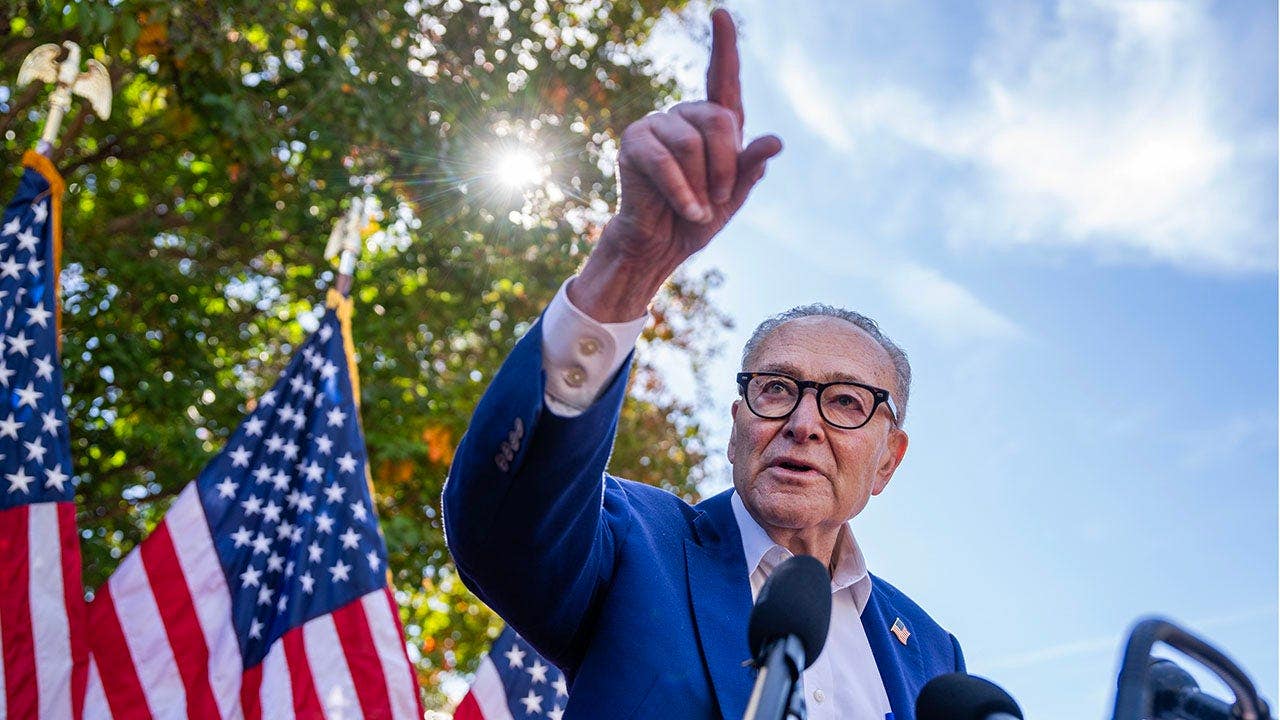
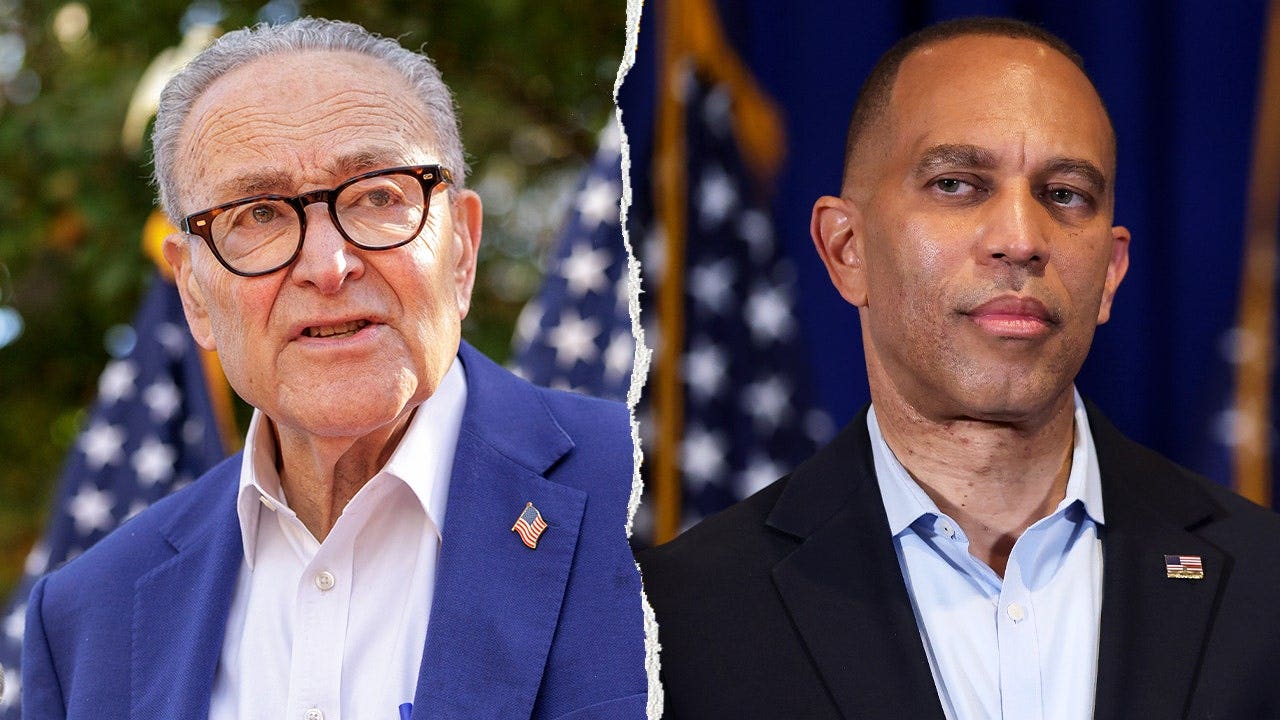
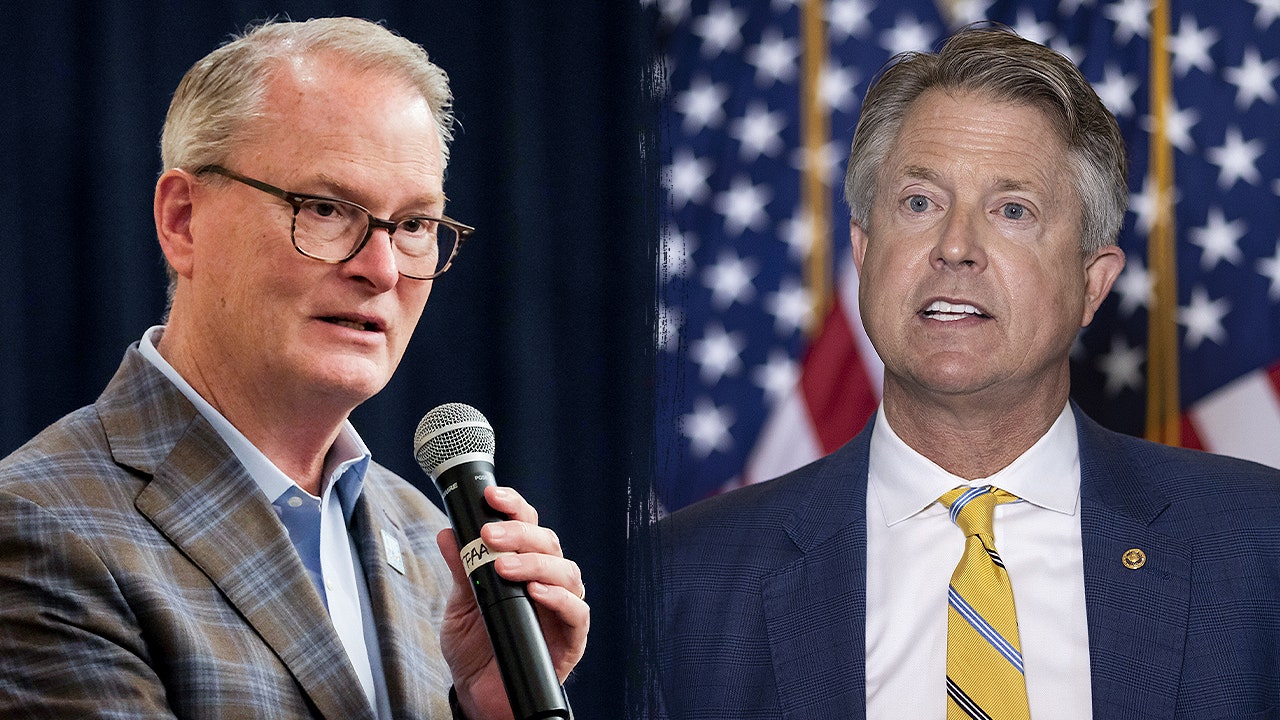
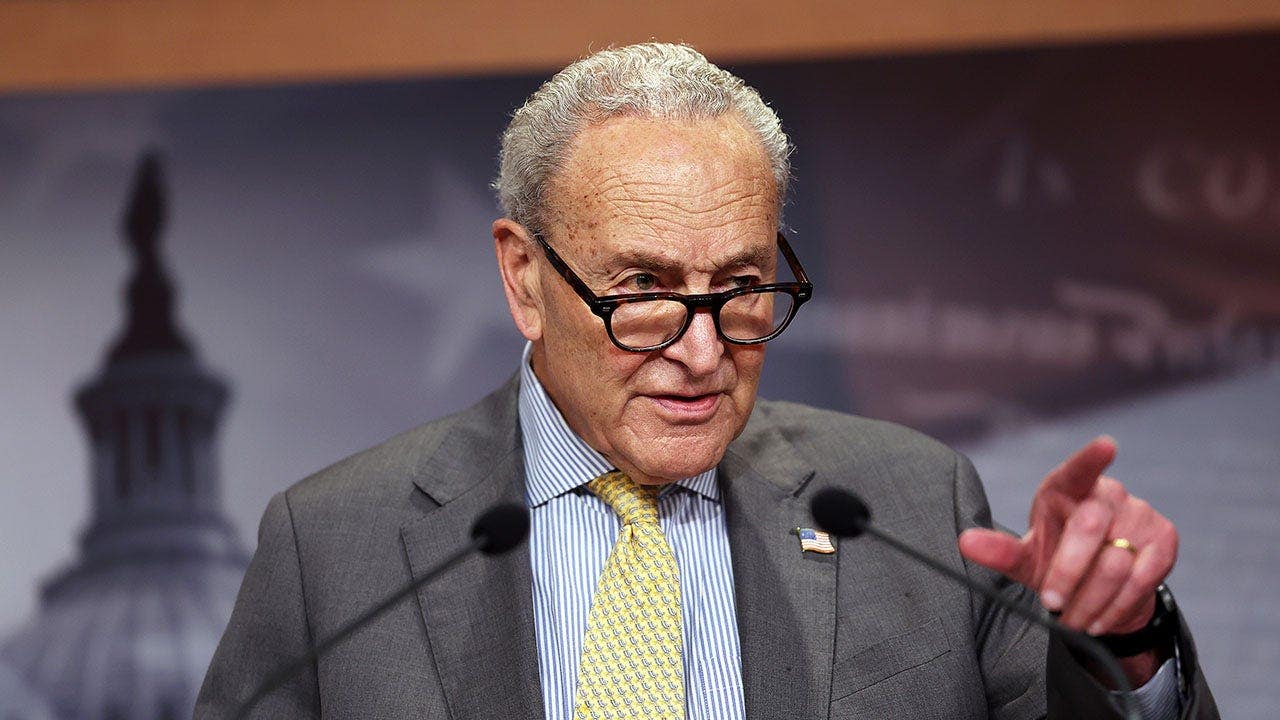
Senate Democrats will soon decide who will lead them with their newly acquired grip on power in the upper chamber, and while Senate Minority Leader Chuck Schumer, D-N.Y., appears to be the favorite, some in the caucus aren’t eager to back him.
asserted
some → decide → him
Schumer has led Senate Democrats for nearly a decade, helming the caucus as both majority and minority leader since 2017.
asserted
Schumer → lead → 2017
But many of the fresh crop of Democratic senators-elect, which span the ideological gamut from moderate to progressive, are tepid, at best, in backing him for another term.
asserted
which → span → term
And some said throughout their campaigns that they wouldn’t support him at all.
asserted
they → say → him
"I mean no disrespect for Chuck Schumer, but we need new leadership," Sen.-elect Adam Hamilton told CNN in September.
asserted
Hamilton → mean → September
"We need new younger leadership, young blood."
asserted
We → need → leadership
Hamilton is the moderate megachurch pastor who toppled Sen. Roger Marshall, R-Kan., on Election Night, flipping the Sunflower State for the first time in nearly a century.
asserted
who → topple → century
He, like others this cycle, argued that Democrats needed "fresh ideas and fresh leadership."
asserted
Democrats → argue → ideas
"In Kansas, Chuck Schumer is a liability for Democrats, and we've got to have leaders that can unite us, bring us together, not just Democrats, but bring together Democrats and Republicans to solve real problems," he said.
asserted
he → get → problems
"And I think people are frustrated with the gridlock in the sense that people are not working together to solve problems."
asserted
people → think → problems
Democrats are expected to hold their leadership elections later this year, and Schumer will have to shore up support within his newly expanded caucus to stay at the top.
asserted
Schumer → expect → top
But he will only need a majority of Senate Democrats to back him.
asserted
majority → need → him
So far, Democrats’ majority in the upper chamber is at 54 seats and could further expand depending on the results in Mississippi and Alaska, which as of Thursday were leaning in their favor.
uncertain
which → expand → favor
Schumer believed that he would still be the one to lead Democrats and contended to reporters on Wednesday that issues that incoming senators and their voters may have had with the direction of the Democratic Party in recent years were not about him.
uncertain
senators → believe → him
"The issue is not me," Schumer said.
asserted
Schumer → say → ?
"I'll be re-elected as majority leader, but the issue is focusing on the American people and what they want."
asserted
they → re → what
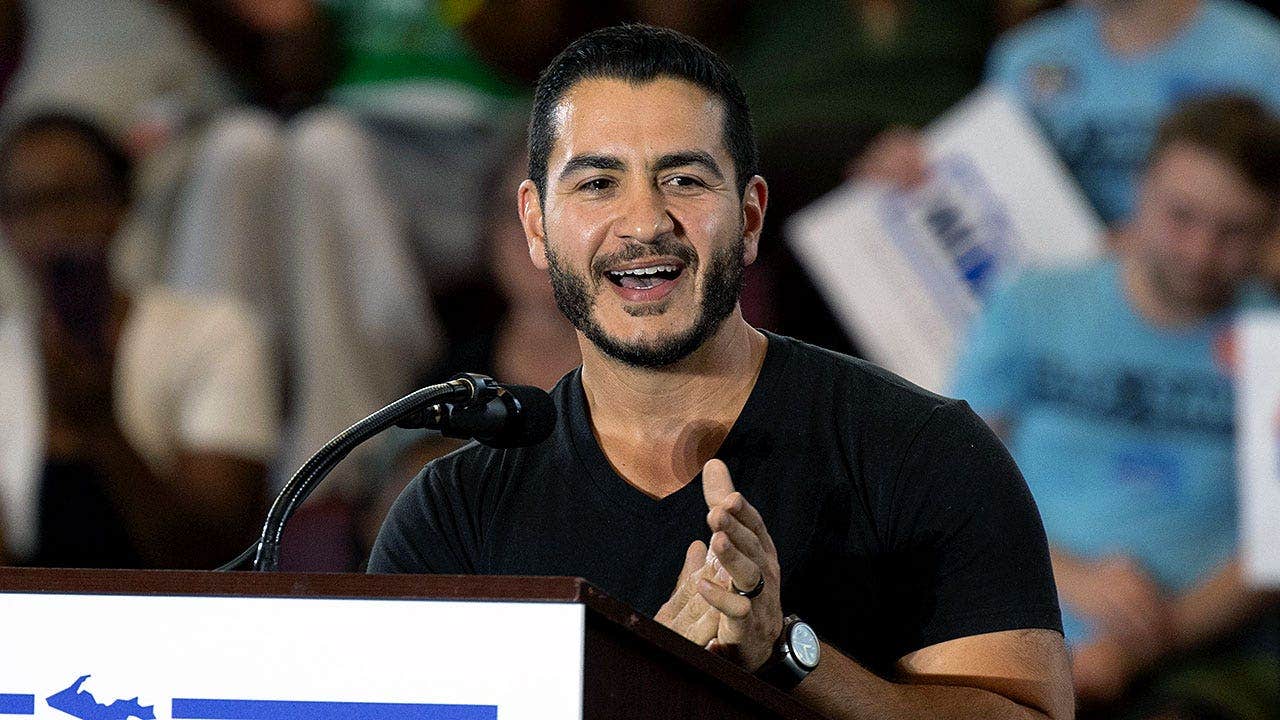
Still, there is a faction of newcomers, including senators-elect Troy Jackson in Maine, Julianna Stratton in Illinois, Abdul El-Sayed in Michigan and Peggy Flanagan in Minnesota, who aren’t all in for Schumer.
asserted
who → be → Schumer
Jackson, speaking to reporters just before Election Day, said his position hadn’t changed on Schumer.
asserted
position → speak → Schumer
"I told Schumer that I’m going to, you know, support somebody else," Jackson said.
asserted
Jackson → tell → somebody
"So it’s no different now."
asserted
it → ’ → ?
That somebody else could be Sen. Chris Van Hollen, D-Md., who has been proposed as an alternative by progressives, like El-Sayed, to lead Senate Democrats instead of Schumer.
uncertain
who → propose → Schumer
Van Hollen may have his eyes elsewhere — he has said that he’s "kicking the tires" on a 2028 run.
uncertain
he → have → run
A Democratic aide familiar with Van Hollen’s thinking told Fox News Digital that before selecting a new leader, the lawmaker believed "the caucus needs to have an honest and open conversation about how we move an agenda forward that reflects the will of the American people."
"He’s made it clear that the new Democratic majorities need to use their power to push a proactive, economic agenda," they said.
asserted
they → tell → agenda
 The Aporia