What we know about Europe's latest wave of bomb threats targeting flights — and now newsrooms
It's not clear if all threats are linked
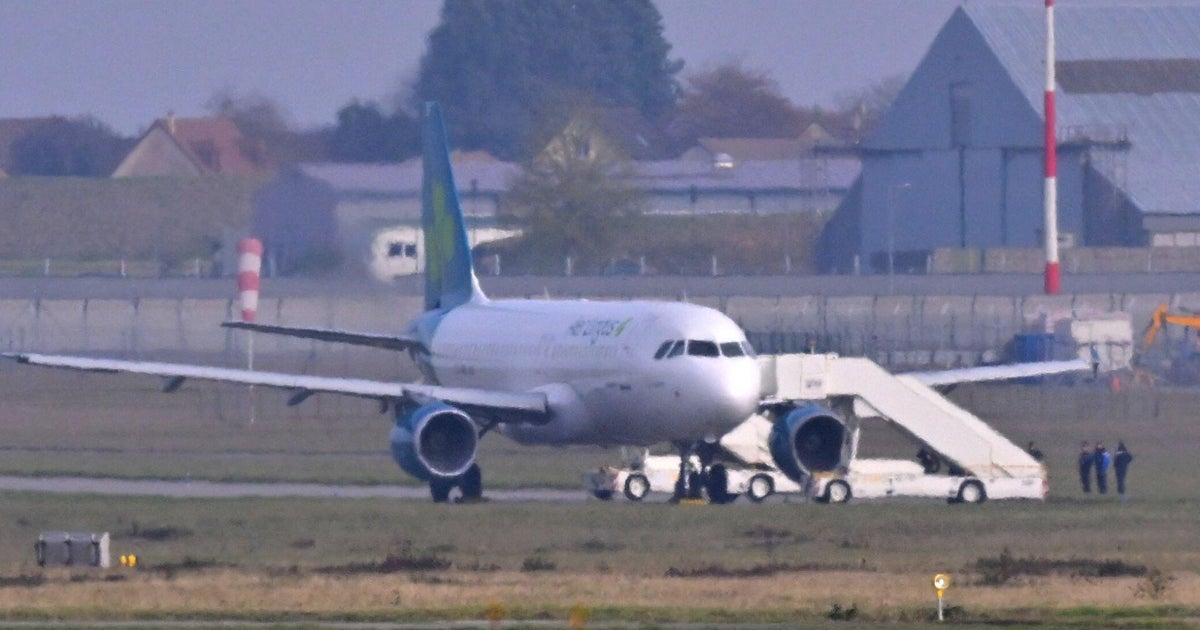
A spate of bomb threats across Europe has thrown airports and newsrooms into disarray over the past week, forcing flight diversions and emergency landings while prompting broadcast suspensions and evacuations to conduct security sweeps.
asserted
spate → know → sweeps
No explosives have been found, and the threats have so far proved unfounded.
asserted
threats → find → ?
But the spate of hoaxes that affected a number of flights, airports and, as of Friday, news broadcasters has raised concern over the widening impact if the threats continue to spread.
asserted
threats → affect → impact
It's not yet clear if the incidents are linked, but the bomb threat hoaxes come on the heels of other European disruptions, including attacks on supermarket refrigeration systems and drone incursions.
asserted
hoaxes → link → systems
Here is what we know about the hoaxes targeting airlines and broadcasters in Europe.
asserted
know → know → Europe
When did the threats begin?
asserted
threats → begin → ?
What appeared to be a co-ordinated wave of bomb threats targeting European air traffic began on Tuesday.
asserted
appeared → appear → Tuesday
At least seven flights and a cruise ship received hoax bomb threats, triggering emergency landings, fighter jet escorts and temporary airport closures in countries including Poland, Bulgaria, Italy and Spain.
asserted
flights → receive → Poland
A second wave was reported on Thursday, with at least 27 flights affected.
asserted
flights → report → Thursday
On Friday, Prague's Vaclav Havel Airport said a total of nine flights were threatened, including arriving flights from Denmark, Spain and Britain, and departing flights to the Netherlands, Cyprus, Romania, Italy and Britain.
asserted
flights → say → Netherlands
How are newsrooms involved?
asserted
newsrooms → involve → ?
Newsrooms in Ireland and Bulgaria received emailed bomb threats on Friday from a purported "Mikhail Andropov" claiming responsibility for a widening wave of hoax threats disrupting passenger flights across Europe.
asserted
Newsrooms → receive → Europe
The messages, sent to Bulgaria's Nova TV and the Irish public broadcaster RTE, which evacuated its offices and suspended programming, were headlined "Message to the West" and portrayed the threats as the prelude to a series of attacks on means of transport across Europe.
asserted
which → send → Europe
The British broadcaster Sky also said it had received a security threat.
asserted
it → say → threat
Reuters was not able to establish the identity of the sender, the origin of the emails or whether they had in fact come from the same source as the threats to any or all of the dozens of flights affected since Tuesday.
asserted
they → establish → Tuesday
Garda members work outside the offices of Irish National broadcaster RTE on Friday after staff were evacuated from the site following a bomb threat.
asserted
staff → work → threat
The broadcaster has claimed the bomb threat is from the same group that has been behind a wave of bomb threats issued to passenger flights around Europe this week.
asserted
that → claim → Europe
How are the threats sent?
asserted
threats → send → ?
Bomb threats against planes are often communicated to airlines, airports or authorities through anonymous emails or phone calls claiming that an explosive device is on board.
asserted
device → communicate → board
Authorities do not always disclose how threats are delivered, because doing so could encourage copycats and compromise investigations.
uncertain
doing → disclose → investigations
A Prague airport representative told CNN on Thursday that they had received a threat from an anonymous email addressed to the airport, and Czech police said similar emails went to other European airports.
asserted
emails → tell → airports
Eric Schouten, head of aviation security group Dyami, told Reuters that an airline's security department first runs the report through a checklist.
asserted
department → tell → checklist
It then alerts the authorities, who may scramble fighter jets or divert the plane to a designated airport for a full sweep.
uncertain
who → alert → sweep
The vast majority of bomb threats turn out to be false alarms, though all must be treated as real until investigated, which means authorities are forced to scramble to rule out any danger.
asserted
authorities → turn → danger
No explosive device has been found on the planes affected this week, but every airline must decide whether a threat is credible and act accordingly.
asserted
threat → find → planes
A spokesperson for the British government called this week's incidents "malicious hoax threats" and said it has "one of the most robust aviation security systems in the world."
String of bomb threats on flights, cruise ship disrupt travel across Europe
Bomb threats affect at least 27 flights, leading to emergency landings at several European airports
Airlines are not new to bomb threats, but aviation security experts say the apparent co-ordination and timing of the current incidents is unusual.
All planes, including those threatened on Friday, landed safely.
Who is behind the threats?
Authorities have not attributed the threats to any group or state actor, and no evidence has emerged linking the hoaxes to a government.
asserted
evidence → call → government
The incidents come at a time when many European officials have accused Russia of a campaign of "hybrid" or "grey zone" disruptions that are essentially cheap to execute, easy to deny and not expected to trigger an armed response.
asserted
that → come → response
Countries affected by the disruptions, including Denmark, Poland and Romania, have previously accused Moscow.
asserted
Countries → affect → Moscow
Russia denies any involvement.
asserted
Russia → deny → involvement
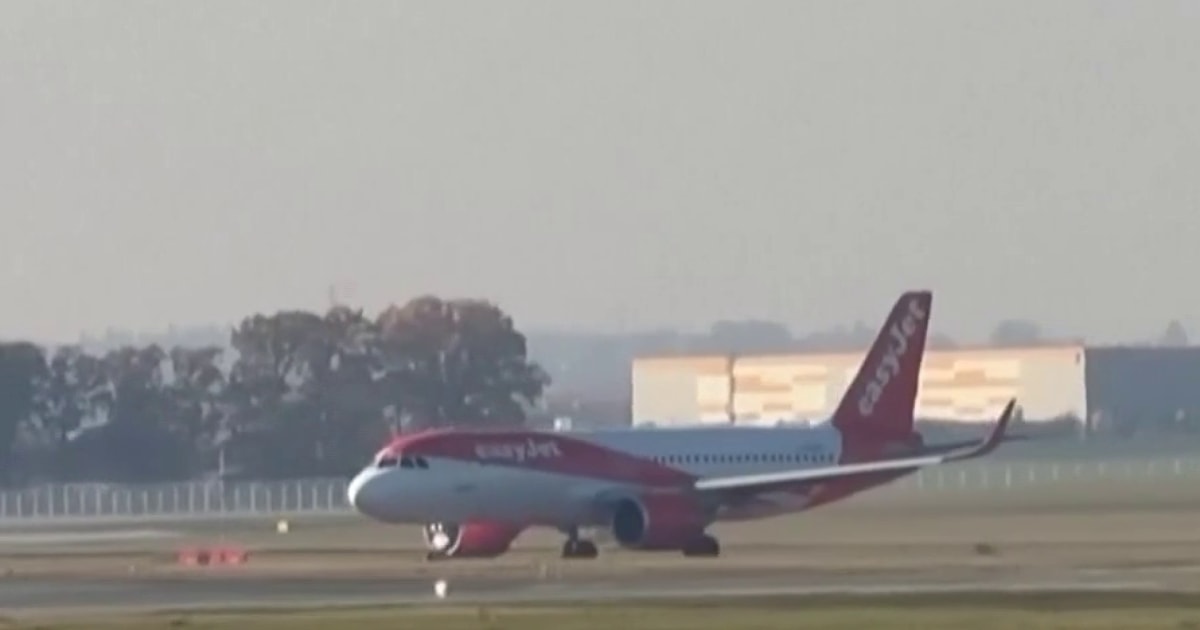
An EasyJet aircraft takes off at Vaclav Havel Airport in Prague.
asserted
aircraft → take → Prague
On Thursday, an airport source in Italy said bomb threats had been sent to several airlines and airport operators in Rome and Milan purporting to be from "fighters of the Male State," a far-right anti-feminist movement banned in Russia.
asserted
threats → say → Russia
Reuters could not confirm who had sent the email.
uncertain
who → confirm → email
Vladislav Pozdnyakov, a Russian blogger who set up Male State in 2016, said it no longer existed and was not involved in any way.
asserted
it → set → way
Rhys Jones, analysis output manager at aviation risk advisory firm Osprey Flight Solutions, said bomb threats can stem from a wide range of motives, including political grievances, activist campaigns, criminal activity, online groups or state-linked hybrid operations.
asserted
threats → say → grievances
European technology commissioner Henna Virkkunen says that since 2022, Europe had faced a range of hybrid operations, including sabotage of critical infrastructure, drone incursions, cyber breaches and election interference.
asserted
Europe → say → infrastructure
“We are under attack all the time,” she told Reuters.
asserted
she → tell → Reuters
“The reason behind these operations is to destabilize our societies and create mistrust among our citizens.”
asserted
reason → destabilize → citizens
“It’s not always Russia who is behind different hybrid operations.
asserted
who → ’ → operations
How have airlines been affected?
Overall, the threats have caused minimal disruption to aviation, according to Eurocontrol, the European air traffic authority.
uncertain
threats → affect → Eurocontrol
Even a false alarm can disrupt airlines' operations, with plane diversions and thorough security inspections causing delays for passengers.
asserted
diversions → disrupt → passengers
…and 12 more, not listed.
 The Aporia