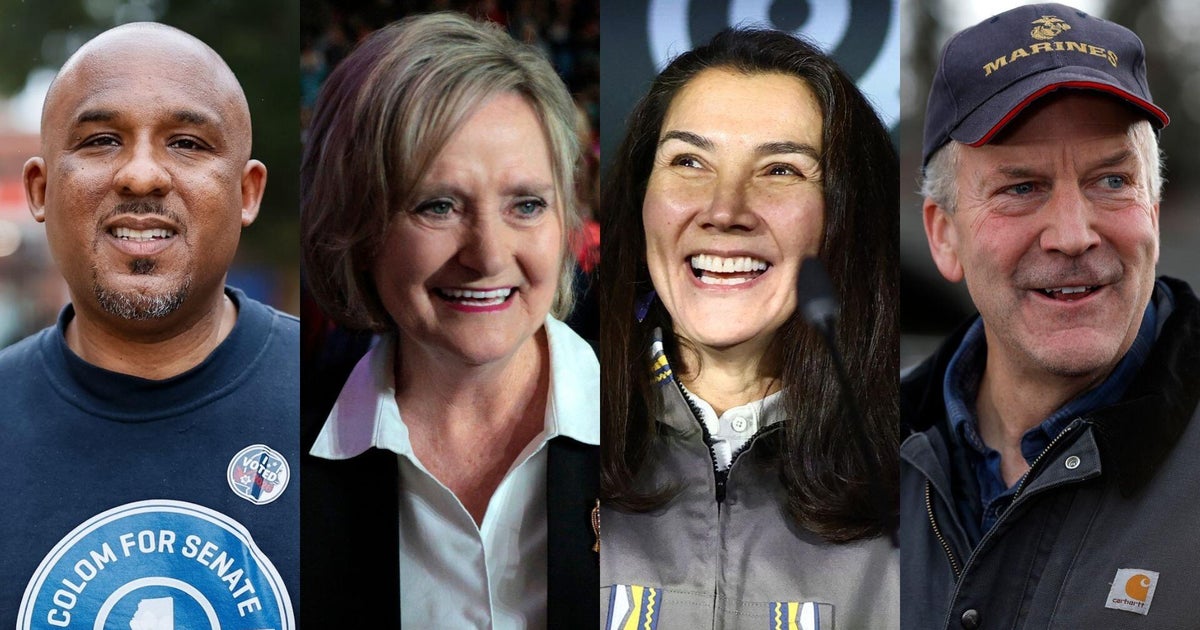
Photo via NPR

No one knows how many ballots are outstanding in Mississippi's Senate race

Read the original at NPR ↗
Cite

Parks, M. (2026, November 6). No one knows how many ballots are outstanding in Mississippi's Senate race. NPR. https://www.npr.org/2026/11/06/nx-s1-6030645/mississippi-senate-results-provisional-ballots

Dated from the outlet's own feed. Check the original for its byline.

NPR · collected 2026-11-06 · by Miles Parks

Quick Summary

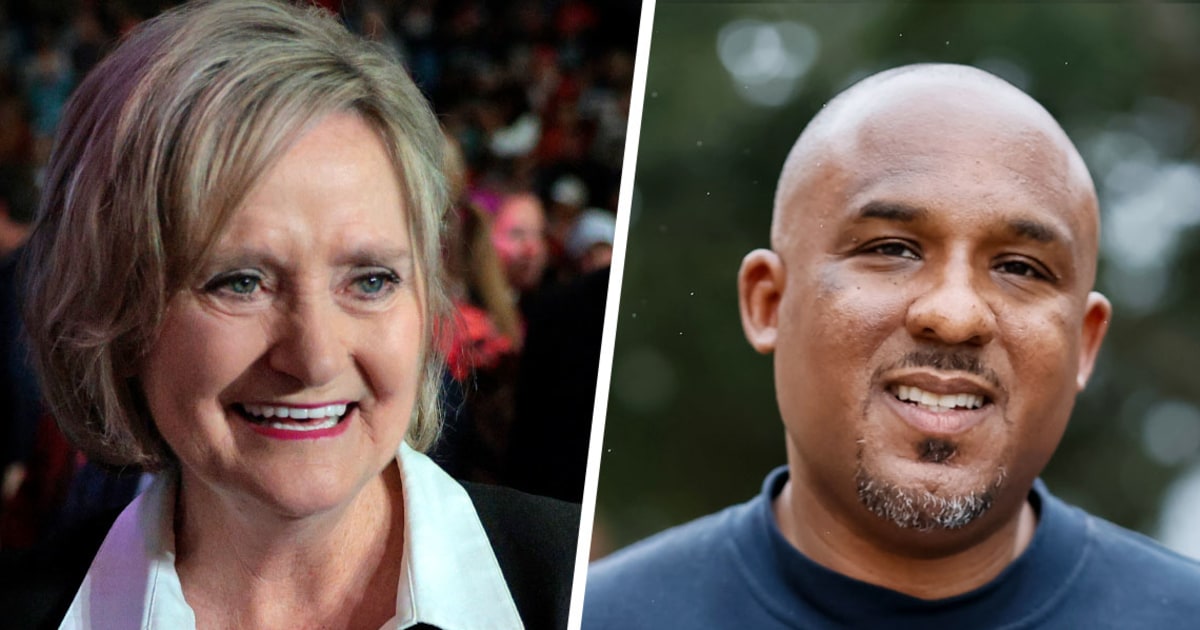
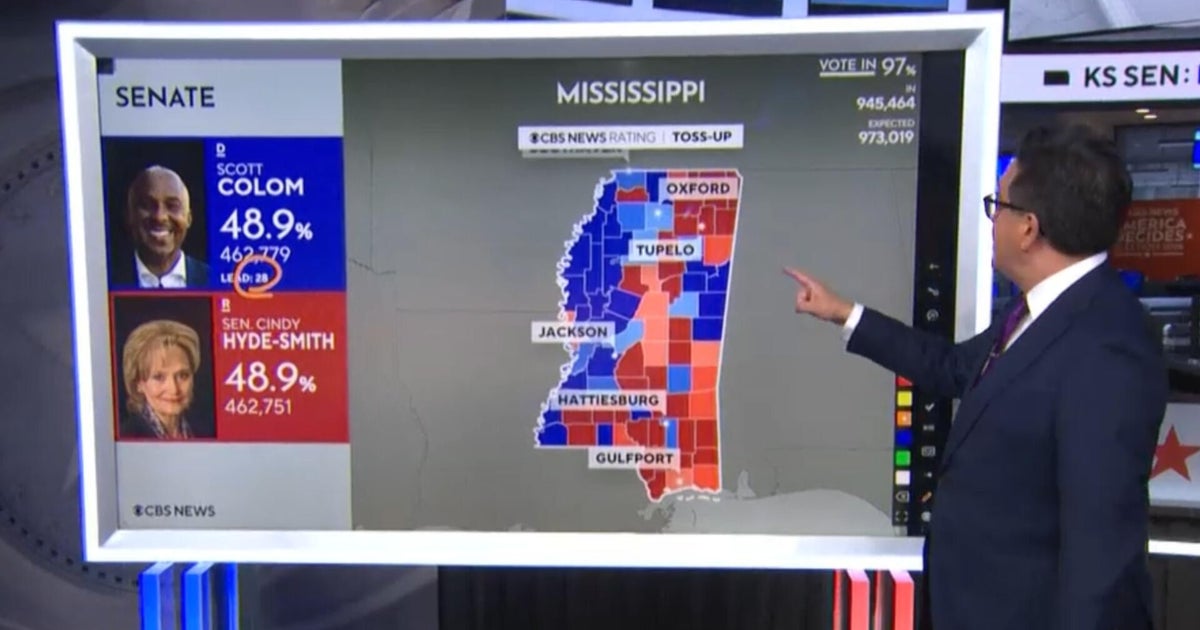
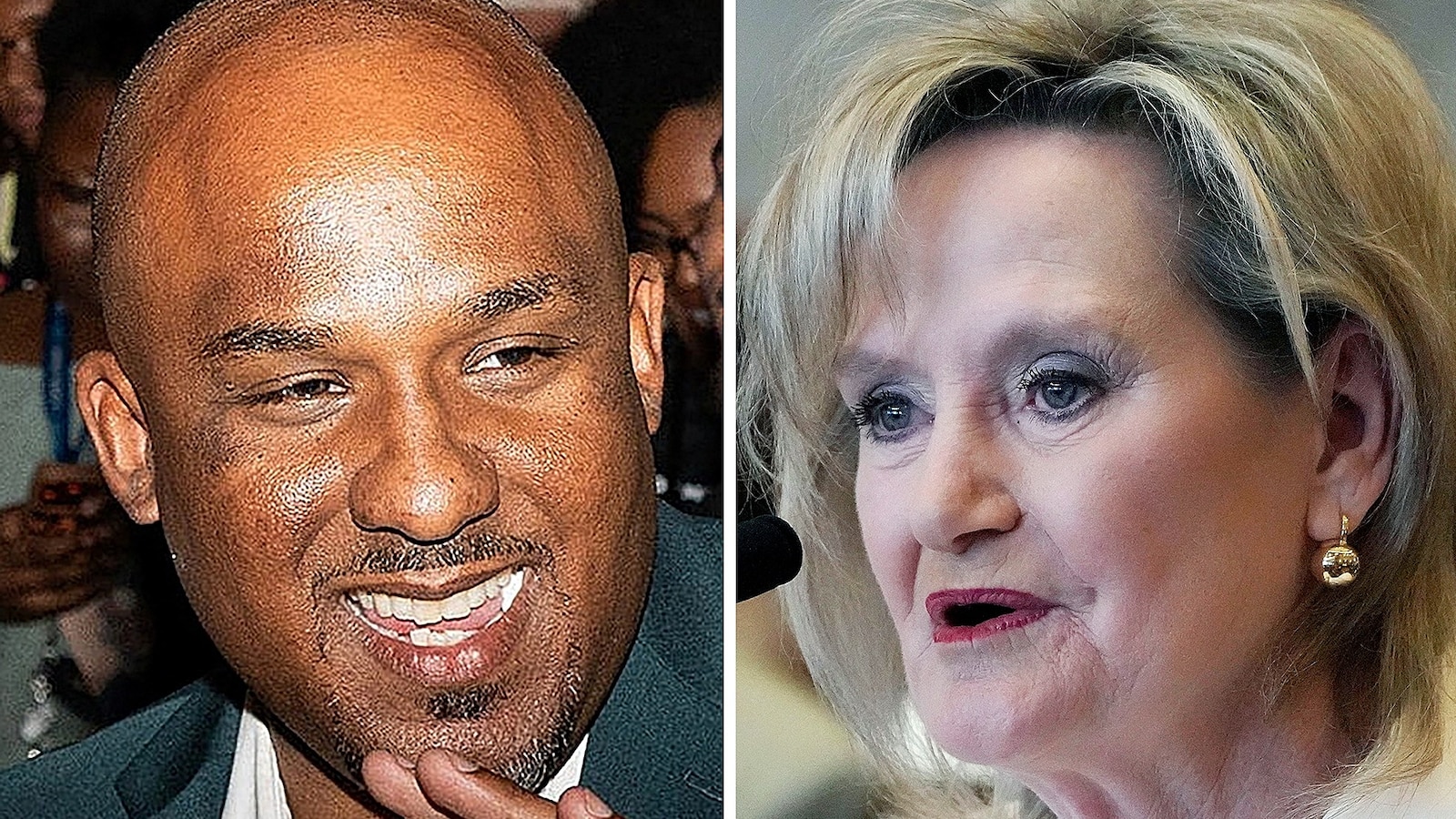
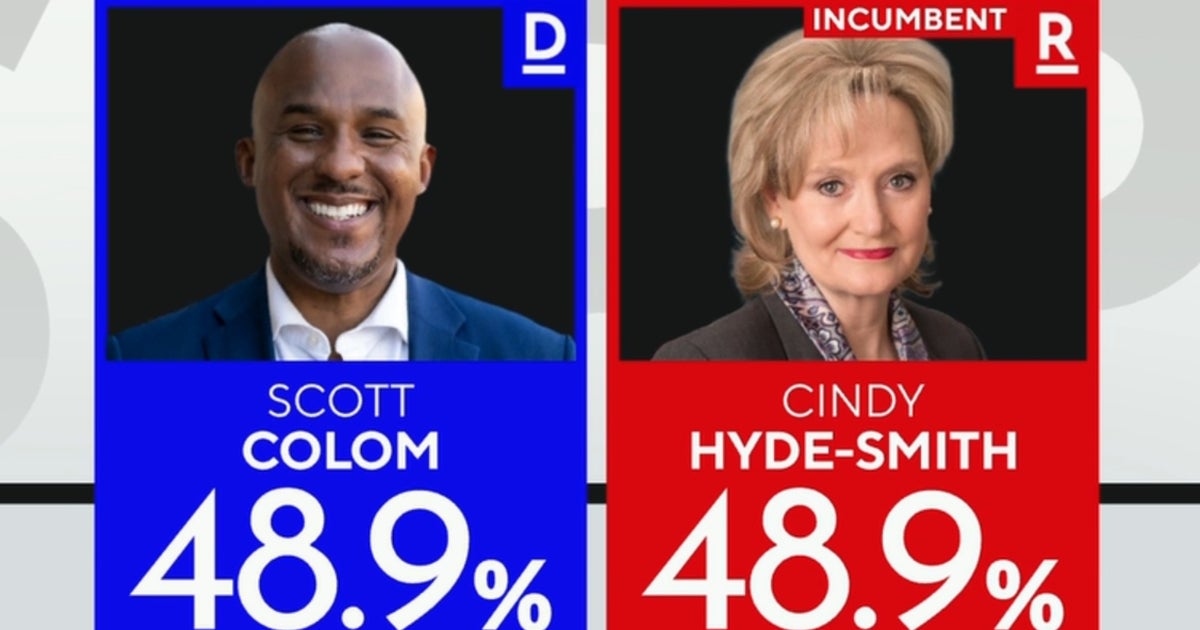
Mississippi's U.S. Senate race between incumbent Republican Sen. Cindy Hyde-Smith and Democratic challenger Scott Colom remains uncertain due to a lack of clear information about outstanding ballots. As of midday Friday, fewer than 2,000 votes separated the candidates, but exact numbers for provisional and absentee ballots are unclear. Michael Morse, a law professor at the University of Pennsylvania who studies voting, notes that Mississippi's decentralized election process makes it difficult to track such details accurately. The state Republican Party chair estimated there were about 20,000 outstanding ballots, including provisionals and possible late-arriving absentee votes postmarked by Election Day.
Written by AI on 2026-11-08, from this article's own text only (the story summary below draws on all the coverage).

AI analysis

Story summary

As of November 6, 2026, Democratic candidate Scott Colom extended his lead in the closely contested Mississippi Senate race against incumbent Republican Senator Cindy Hyde-Smith, with a current advantage of just over 1,800 votes. Initially, the margin was much narrower, separating by fewer than 30 ballots as 97% of the vote was counted on November 4. However, due to outstanding mail and provisional ballots known as "affidavit ballots" in Mississippi, the exact number of remaining votes is unknown, potentially affecting the final outcome. Democratic heavyweights like former California Governor Gavin Newsom are soliciting emergency donations, while Republican strategists are preparing for legal battles over any uncounted ballots. The race has garnered national attention as a pivotal contest in the larger political landscape, with losing traditionally red Mississippi being seen as significant by both parties.

Written for “Mississippi Senate Race Uncertainty Continues” on 2026-11-09, grounded in this article and the 29 other(s) covering the same event.

Story

Mississippi Senate Race Uncertainty Continues
Politics · 30 article(s) covering the same event. Compare every outlet's account →

Compared with similar articles

This article reads unscored and hedges 19% of its claims. Each row says how that neighbour differs.
NBC News
Leans left Hedges 9 of 33 claims Outlet record 72/100
Washington Examiner
Leans left Hedges 5 of 20 claims Outlet record 68/100
CBS News
Hedges 0 of 1 claims Outlet record 68/100
“While both articles discuss the close Senate race in Mississippi, Article A focuses on the margin after counting 97% of votes, while Article B discusses the uncertainty about remaining ballots to be counted and election process issues.”
CBS News
Hedges 0 of 2 claims Outlet record 68/100
“Article A discusses both Senate races in Mississippi and Alaska, while Article B focuses specifically on the unresolved ballot count issue in Mississippi's Senate race.”
Just The News
Leans right Hedges 4 of 29 claims Outlet record 95/100
“While both articles discuss the close race between Hyde-Smith and Colom in Mississippi's Senate election, Article A focuses on the legal challenge regarding provisional ballots, while Article B discusses uncertainty about the number of outstanding ballots to be counted.”
CBS News
Hedges 0 of 2 claims Outlet record 68/100
“While both articles discuss the Mississippi Senate race, Article B focuses on the uncertainty regarding outstanding ballots and election administration issues, which is a different aspect of the ongoing race than what's covered in Article A.”
Just The News
Leans right Hedges 4 of 29 claims Outlet record 95/100
“While both articles discuss the close Senate race in Mississippi and mention similar candidates, they describe different aspects of the election process: Article A focuses on legal challenges and requests for provisional ballots segregation, while Article B highlights the uncertainty around outstanding ballots.”
NPR
Hedges 0 of 2 claims Outlet record 60/100
“The articles describe the ongoing process of vote counting in Mississippi's Senate race, but they are from different dates and provide slightly different information, indicating they may be referring to distinct points in time during the count.”
ABC News (US)
Hedges 4 of 18 claims Outlet record 67/100
“While both articles discuss the close Senate race in Mississippi involving Cindy Hyde-Smith and Scott Colom, they describe different aspects of the election process occurring on separate dates.”
CBS News
Hedges 0 of 2 claims Outlet record 68/100
“The articles discuss different aspects of the same election race but refer to distinct points in time regarding ballot counting and reporting.”
How this article was measured signals, leaning charts, publisher record, byline, topics and claims

Signals How these are calculated →

Claims extracted
32
sentences that state something as happening or true
Uncertain
19%
6 of 32 hedged ("reportedly", "may", "according to")
Leaning
not political
takes no side on a contested political question
Publisher signals
60/100
NPR's corrections and hedging, across everything collected from it. Not a measure of accuracy.
Outlets on this story
30
Politics
Same framing elsewhere
1
articles that frame the event the way this one does
Analyzed 2026-11-08 · how these are computed

How this is being covered How these are calculated →

Article leaning vs. publisher reliability
Source leaning vs. consistency

Publisher

NPR · 1153 article(s) · 3 correction(s) detected
Running correction rate · 3 correction(s)

Who wrote this

Miles Parks
9 article(s) here · 1 carrying a prediction
" "Until we have the certified results, the individual counties will be the best source of the latest and most up-to-date information," Watson said in a statement.
When it comes to election pressure, this year's Georgia or Michigan could be anywhere
A DOJ spokesperson, Kiersten Pels, told NPR those details will be shared "closer to the election."
But an initial review by local officials suggests the list is "unreliable" and that some people on it had indicated in records they were born in the U.S. and therefore may be citizens.
DOJ charges 28 in California with voting crimes as election tensions escalate The Justice Department announced on Monday it was charging 28 noncitizens with election crimes in California, signaling a further escalation over the state's voting system that looks like it will continue through Election Day and beyond.
"You'd have a limited number of workers, and you'd have a limited amount of space, and you'd be doing everything that you possibly could.
Will that impact turnout?
An internal Department of Homeland Security email raises new questions about the agency's efforts to hunt for non-U.S. citizens who may be on state voter rolls or have cast ballots in the past.
Judges may face unprecedented decisions this election.
Also by Miles Parks
Nothing else under this byline is closely related to this article, so these are simply their most recent.
All 9 articles by Miles Parks →

Topics

Democratic Mississippi Republican Senate U.S. Senate

Subjects

Mississippi GPE · 11× Morse PERSON · 3× Senate ORG · 3× Colom PERSON · 2× Republican NORP · 2× Cindy Hyde-Smith PERSON · 1× Democratic NORP · 1× Michael Morse PERSON · 1× Scott Colom PERSON · 1× U.S. Senate ORG · 1×

Narrative

In most states, when voters don't cast ballots over a certain number of election cycles, or local officials come across data that indicates a voter has moved or is ineligible for some other reason, they move that voter to what's known as "inactive" status.
framing: assertive · carried by 1 article(s) · first seen 2026-11-08
" "Until we have the certified results, the individual counties will be the best source of the latest and most up-to-date information," Watson said in a statement.

Claims (32 extracted, 6 hedged)

No one knows how many ballots are outstanding in Mississippi's Senate race In Mississippi's too-close-to-call U.S. Senate race, every ballot matters. asserted
ballot → know → race
But no one can say for sure how many ballots there are left to count. asserted
ballots → say → ?
The razor-thin margin between incumbent Republican Sen. Cindy Hyde-Smith and Democratic challenger Scott Colom is shining a light on an election process in Mississippi that is among the slowest and most decentralized in the country. asserted
that → shin → country
"Mississippi is not a model of election administration," said Michael Morse, a law professor at the University of Pennsylvania who studies voting. asserted
who → say → voting
As of midday Friday, fewer than 2,000 votes separated the two Senate candidates. asserted
votes → separate → candidates
But information about exactly how many ballots were outstanding was hard to come by. asserted
ballots → come → ?
The Colom campaign said late Tuesday it was aware of more than 15,000 provisional ballots, which require verification before they're counted. asserted
they → say → verification
And the chair of the state Republican Party said Thursday he thought there were 20,000 outstanding ballots, including potential absentee votes that can legally be received by officials until Nov. 10 if they were postmarked by Election Day. asserted
they → say → Day
Mississippi's top voting official, Republican Secretary of State Michael Watson, said counties run their own elections, and even his office didn't know how many provisionals were left to count. asserted
provisionals → say → elections
He said Thursday nearly 7,000 of them had been processed, with "roughly 80% of them being accepted. asserted
% → say → them
" "Until we have the certified results, the individual counties will be the best source of the latest and most up-to-date information," Watson said in a statement. asserted
Watson → have → statement
There are 82 counties in Mississippi, and they are not required to transmit election results to the state until next week. asserted
they → be → week
Morse said he was shocked by the lack of good information available for such a high-profile race. asserted
he → say → race
"Right now I would love to know a lot of things about the process and I am struggling to figure out what is unfolding here," Morse said. asserted
Morse → love → process
"I cannot tell you basic things. asserted
I → tell → things
Mississippi has a relatively high rate of provisional ballots What is becoming clear is that the rate of provisional ballots, which are called affidavit ballots in Mississippi, may end up being among the highest in the country this election cycle. uncertain
which → become → country
Those ballots are cast by people whose eligibility is questionable, according to local officials, so those votes are segregated and officials decide on a case-by-case basis whether they will be counted. If the Colom campaign's estimate of 15,000 affidavit ballots holds true, that would represent roughly 1.5% of the total ballots cast in the Senate race, according to unofficial results. uncertain
that → cast → results
In the last midterm year, 2022, just four states had a provisional ballot rate higher than that, according to federal data. uncertain
states → have → data
And Mississippi looks to have a provisional rate close to double of that in North Carolina this year, based on the preliminary data in both states. asserted
Mississippi → look → states
In most states, when voters don't cast ballots over a certain number of election cycles, or local officials come across data that indicates a voter has moved or is ineligible for some other reason, they move that voter to what's known as "inactive" status. asserted
what → cast → status
But the voter is still able to vote normally for a period of a few years, mandated by federal law, before they either confirm their eligibility or are eventually removed. asserted
they → vote → eligibility
Mississippi is one of the few states that makes those "inactive" voters have to vote provisionally. asserted
voters → make → states
That means those voters need to fill out another form and their information needs to be reviewed after the fact by local officials before their votes are counted. asserted
votes → mean → officials
It's unclear at this point why so many voters had questionable eligibility when they showed up to vote, although the local outlet Mississippi Today has reported extensively on the state's experimental use of credit data to cull voter lists. uncertain
outlet → have → lists
Morse said that list maintenance technique is garnering attention, but it's not the whole story. "It's pairing the experiment with credit data, which could introduce some unreliability, with an undermining of the typical procedural process [in many other states], where a voter [marked "inactive"] could cast a regular ballot for at least the next two federal general elections," Morse said. uncertain
Morse → say → elections
Watson, the Republican secretary of state, has already come out in defense of the state's registration process. asserted
Watson → come → process
"The extra few minutes it may take to vote via affidavit ballot are well worth the election integrity added by having cleaner voter rolls!" Watson wrote Tuesday in a post on X. But Kathy Boockvar, the former Democratic secretary of state of Pennsylvania, told NPR that while many people who have to vote with a provisional ballot are likely to be ultimately deemed eligible, the process doesn't breed trust from those who have to interact with it. uncertain
who → take → it
"It feels like you have to go talk to the teacher or something in the back room," Boockvar said. asserted
Boockvar → feel → room
"It's a little bit of a suspicious-seeming thing because somebody who's going through it generally thinks that they're eligible to vote and feels like they're being asked to do something other than that." asserted
they → seem → that
Boockvar added that the fact that information has been so hard to come by is a sign Mississippi hasn't been in the limelight like traditional battleground states before. asserted
Mississippi → add → states
"We all have to be prepared whether we expect it or not," Boockvar said. asserted
Boockvar → have → it
"Transparency and good data is one of the best solutions we have to combating all the suspicion and distrust." asserted
we → have → suspicion

Give feedback · no sign-in needed

No sign-in needed for now. Your note is sent without a name, so it cannot be answered.

History Support