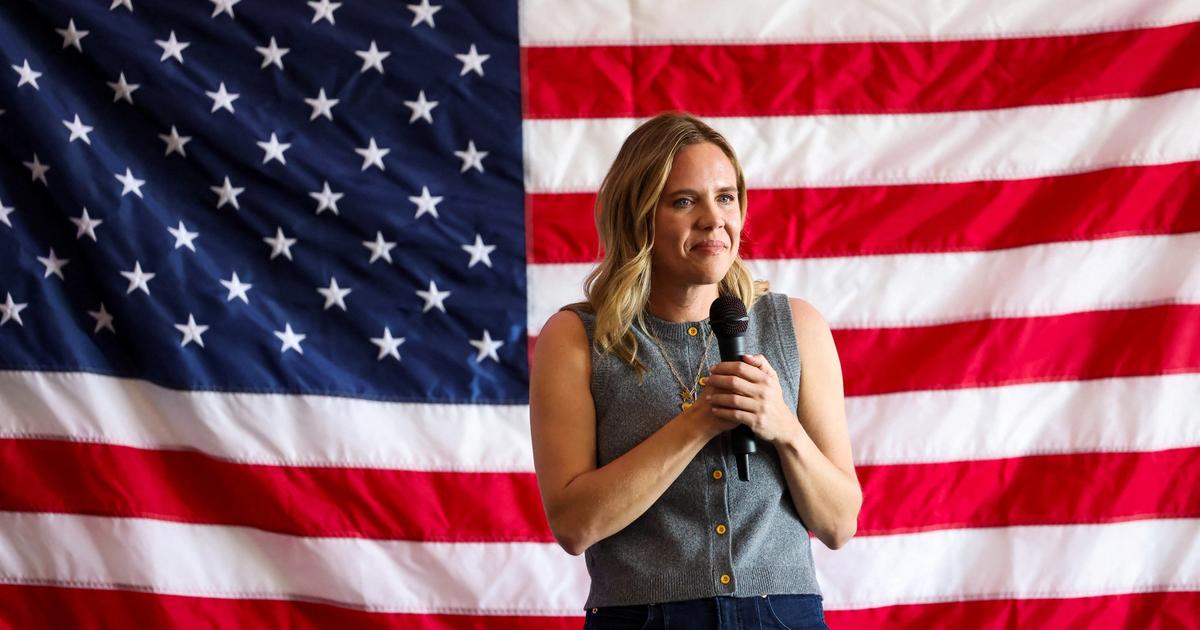
One of the biggest Election Day surprises unfolded in South Carolina, where pediatrician Dr. Annie Andrews became the state’s first Democrat to win a US Senate seat in almost 30 years.
asserted
Andrews → unfold → years
She did so by highlighting familiar concerns—the expansion of data centers, the war in Iran, political corruption, and the exploding cost of living—but also by focusing on a topic that stands to affect nearly every American: the degradation of our healthcare system.
asserted
that → do → system
Andrews’ campaign leaned on her medical expertise to outline a particularly in-depth approach to a looming healthcare crisis that will begin to unfold next year, when a boom in ownership by predatory investors, like private equity firms, is set to collide with Trump’s sweeping cuts to Medicaid—upending access and creating a hospital crisis.
asserted
boom → lean → crisis
She laid out plans for stopping both.
asserted
She → lay → both
In July 2025, the “One Big Beautiful Bill” enacted new work requirements and administrative hurdles for Medicaid that many people won’t be able to meet, leading to an estimated 10 million people losing Medicaid coverage—if not more.
asserted
people → enact → coverage
In several interviews since her historic win, Andrews has made clear this will be the first thing she tries to undo when she arrives on Capitol Hill this January.
asserted
she → make → Hill
“That’s my number one priority: to stop these Medicaid budget cuts,” she told a local TV station.
asserted
she → ’ → station
That’s in part because scaling back the federally funded health insurance will have broad implications for hospital access, emergency room waits, health insurance costs, and virtually every other corner of healthcare, far beyond the nearly 67 million low-income people—including pregnant women and children—who rely on Medicaid.
asserted
who → ’ → Medicaid
“Rural hospitals will close.
asserted
hospitals → close → ?
We’ll have more counties without a single hospital,” she said.
asserted
she → have → hospital
“It will have a ripple effect across the whole heath care system.”
asserted
It → have → system
Throughout her campaign, Andrews—who also will become the first female doctor in the Senate—sought to explain this ripple effect by breaking down how hospital finances actually work.
asserted
finances → become → effect
In an interview with Katie Couric last year, she explained that in South Carolina, Medicaid funds nearly half of births and 6 of 10 nursing home beds.
asserted
Medicaid → explain → births
“This is what’s going to happen: If we kick this many people, millions of Americans, off of their health insurance, that doesn’t stop them from getting sick or injured,” she said.
asserted
she → go → them
Instead of getting outpatient care, they’ll wait at home until their conditions become dire.
asserted
conditions → get → home
Then they will “show up at the one place that is legally required to offer them care: the emergency room.”
asserted
that → show → care
When a larger portion of patients treated by ERs are uninsured, hospitals will pass on those costs to private insurance by charging them more—and then insurance, of course, will pass on those increases by jacking up premiums paid by millions of Americans and their employers.
asserted
insurance → treat → Americans
So those who don’t need Medicaid will also suffer.
asserted
who → need → Medicaid
“That’s how they’ll compensate for this giant removal of billions of dollars from the healthcare system,” Andrews said.
asserted
Andrews → ’ → system
This sea change will intersect with other elements of hospital financing that Andrews also has promised to tackle.
asserted
Andrews → intersect → that
The first is what has come to be known as the financialization of healthcare—a growing business trend where investors like private equity firms buy up ever more pieces of the healthcare sector and turning them into for-profit machines.
asserted
investors → come → machines
In the last decade, private equity firms have spent more than $1 trillion on acquisitions of hospitals, nursing homes, hospices, free-standing emergency rooms, and practices in virtually every medical specialty: dermatology, cardiology, and more.
asserted
firms → spend → specialty
Andrews has been explicit in saying she hopes to get private equity out of healthcare—not the least of which because these firms’ unique focus on trying to get above-average returns means that they cut costs relentlessly while trying to get more from patients, driving up the cost of care.
asserted
they → say → care
When she arrives in the Senate, she will join the likes of Massachusetts Sens. Elizabeth Warren and Ed Markey, who have zeroed in on private equity after several large healthcare bankruptcies were precipitated by PE ownership.
asserted
bankruptcies → arrive → ownership
Several studies have found that private equity ownership makes patient care worse: One found that private equity–owned nursing homes had a mortality rate 10 percent higher than their non-PE counterparts; another found that during the pandemic, PE-owned nursing homes had a Covid-19 infection rate 30 percent higher than statewide averages.
asserted
homes → find → averages
Yet another study noted that patients at PE-owned hospitals are 25 percent more likely to suffer an unrelated injury while admitted.
asserted
patients → note → injury
Andrews’ platform also called out an obscure practice that has been central to private equity’s healthcare acquisitions: Many states ban non-physicians from directly owning medical practices—laws intended to curb investors’ incursions into healthcare.
asserted
states → call → healthcare
But private equity firms have devised a complex workaround, where they create shell companies and pay physicians to serve as owners in name only—while the PE firm retains true control of the business.
asserted
firm → devise → business
She has also called for stronger protections against surprise billing, hospital price transparency, and better oversight of major hospital mergers that stand to create regional monopolies where patients have little choice but to consent to price hikes.
asserted
patients → call → hikes
Beyond that, Andrews has proposed changes that would improve elder care: lowering prescription prices, improving insurance that covers Medicare patients’ out-of-pocket costs, and stopping a new federal program that uses AI to decide whether Medicare should cover certain procedures.
asserted
Medicare → propose → procedures
But she was one of several Democratic candidates who won in red states after putting healthcare reform at the center of their campaigns.
asserted
who → win → campaigns
In Texas, James Talarico won his race with a platform that included lowering drug costs and braking up corporate healthcare monopolies.
asserted
that → win → monopolies
In Ohio, Dr. Amy Acton beat Vivek Ramaswamy for governor after a campaign that spoke extensively about healthcare affordability and medical debt.
asserted
that → beat → affordability
And in Michigan, Abdul El-Sayed won his Senate race after pitching a vision of Medicare for All.
asserted
Sayed → win → All
In the days since her historic win, Andrews has begun to preview some of the concrete steps she’ll take to work toward her healthcare agenda.
asserted
she → begin → agenda
She told a South Carolina TV station that she’s already scheduled a meeting with South Carolina’s other senator, Republican Tim Scott, to talk about working on Medicaid issues—and that she hopes to stop the cuts within her first year in office.
asserted
she → tell → office
 The Aporia