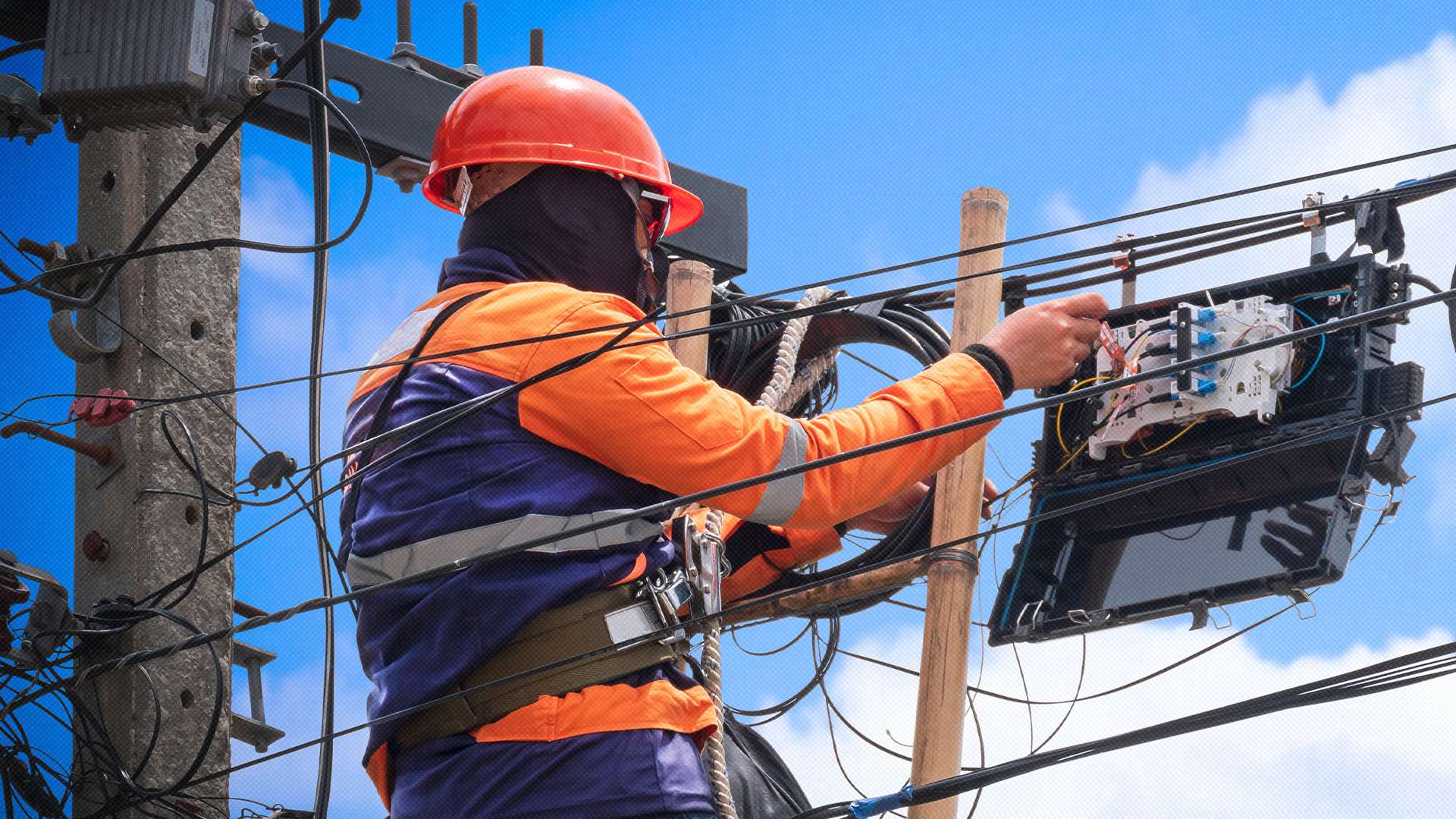
Photo via Reason

Michigan's Energy Monopoly Won't Be Fixed by Restricting Everyone's Free Speech

Read the original at Reason ↗
Cite

Wright, P. (2026, November 6). Michigan's Energy Monopoly Won't Be Fixed by Restricting Everyone's Free Speech. Reason. https://reason.com/2026/11/06/michigans-energy-monopoly-wont-be-fixed-by-restricting-everyones-free-speech/

Dated from the outlet's own feed. Check the original for its byline.

Reason · collected 2026-11-06 · by Patrick Wright

Quick Summary

Michigan voters approved Proposal 2, which restricts political donations and imposes speech regulations on entities involved with utilities and healthcare companies. Passed on November 3 with over 80% voter support, the initiative aims to curb influence in politics but goes beyond regulating utility company contributions by imposing new disclosure rules for anyone mentioning candidates near election times. Critics argue these measures are unconstitutional and overly broad, while supporters claim it's a response to high energy costs and unreliable service.
Written by AI on 2026-11-09, from this article's own text only (the story summary below draws on all the coverage).

AI analysis

Story summary

On November 3, 80% of Michigan voters approved Proposal 2, a ballot initiative aimed at reducing political influence by energy and healthcare companies. However, critics argue that the measure imposes unconstitutional restrictions on free speech. The proposal targets regulated electric and gas utilities, contractors with over $250,000 annually in government contracts, and their affiliates, prohibiting them from making direct or indirect campaign contributions to elected officials who impact their interests. Supporters promoted it as a way to address high energy costs and poor service in Michigan, but opponents warn that the initiative will limit political speech beyond what was anticipated by voters.

Written for “Michigan Energy Debate Censors Critics” on 2026-11-09, grounded in this article and the 0 other(s) covering the same event.

Story

Michigan Energy Debate Censors Critics
Politics · 1 article(s) covering the same event.

Compared with similar articles

This article reads unscored and hedges 4% of its claims. Each row says how that neighbour differs.
The Guardian
Leans strongly left Hedges 2 of 58 claims Outlet record 65/100
“The articles refer to different aspects of the election process, with Article A discussing the aftermath and implications of Proposal 2's approval on November 3, while Article B describes the initiatives leading up to the voting day.”
How this article was measured signals, leaning charts, publisher record, byline, topics and claims

Signals How these are calculated →

Claims extracted
26
sentences that state something as happening or true
Uncertain
4%
1 of 26 hedged ("reportedly", "may", "according to")
Leaning
withheld
no quote in the article backed the model's score
Publisher signals
67/100
Reason's corrections and hedging, across everything collected from it. Not a measure of accuracy.
Outlets on this story
1
Politics
Same framing elsewhere
1
articles that frame the event the way this one does
Analyzed 2026-11-09 · how these are computed

How this is being covered How these are calculated →

Article leaning vs. publisher reliability
Source leaning vs. consistency

Publisher

Reason · 1210 article(s) · 4 correction(s) detected
Running correction rate · 4 correction(s)

Who wrote this

Patrick Wright
1 article(s) here · 1 carrying a prediction
But a campaign finance ballot initiative adopted by the state this week won't solve that problem, and it will impose unconstitutional speech restrictions far beyond what most people realize. On November 3, over 80 percent of Michigan residents voted in favor of Proposal 2.
The only article under this byline in the corpus.

Topics

Consumers Energy DTE Michigan Proposal 2

Subjects

Michigan GPE · 5× Consumers Energy ORG · 1× DTE ORG · 1× the Institute for Free Speech ORG · 1× the League of Women Voters ORG · 1× the Mackinac Center for Public Policy ORG · 1×

Narrative

- Expand laws regulating spending on political communications, including those requiring disclosing donor information, to apply to communications clearly identifying candidates or ballot questions, even if they do not expressly advocate voting for/against them. - Expressly apply the law requiring disclosure of who paid for political communications to internet political communications.
framing: assertive · carried by 1 article(s) · first seen 2026-11-09
But a campaign finance ballot initiative adopted by the state this week won't solve that problem, and it will impose unconstitutional speech restrictions far beyond what most people realize. On November 3, over 80 percent of Michigan residents voted in favor of Proposal 2.

Claims (26 extracted, 1 hedged)

But a campaign finance ballot initiative adopted by the state this week won't solve that problem, and it will impose unconstitutional speech restrictions far beyond what most people realize. On November 3, over 80 percent of Michigan residents voted in favor of Proposal 2. asserted
percent → adopt → Proposal
Citizens should be forgiven for what they thought they were voting for. asserted
they → forgive → what
Nearly all advertising for Proposal 2 emphasized that it was about getting money out of politics, specifically indicating that the proposal was a way to punch back at the "monopoly" energy and healthcare companies responsible for high costs in Michigan. asserted
proposal → emphasize → Michigan
Very little money was spent opposing Proposal 2, and supporters said it was about "paying the highest energy rates in the Midwest for the worst service." asserted
it → spend → service
Here's what people saw on the ballot: The proposal would: - Prohibit regulated electric and gas utilities, contractors with over $250,000 annually in government contracts, and people and organizations with substantial connections to these utilities/contractors from making direct or indirect campaign contributions to those who run for or hold offices that impact them. asserted
that → see → them
- Expand laws regulating spending on political communications, including those requiring disclosing donor information, to apply to communications clearly identifying candidates or ballot questions, even if they do not expressly advocate voting for/against them. - Expressly apply the law requiring disclosure of who paid for political communications to internet political communications. asserted
who → expand → communications
Should this proposal be adopted? asserted
proposal → adopt → ?
Most of the news coverage in the state was about the first bullet point involving limits on political donations from utility companies. asserted
Most → involve → companies
Michigan law essentially guarantees a monopoly to two companies—Consumers Energy and DTE—to provide electricity to residents. asserted
law → guarantee → residents
Another law establishes a renewable energy portfolio and essentially mandates that all electricity be provided by wind turbines and solar panels in the next 15 years. asserted
electricity → establish → years
These policies increase electricity rates and make the grid and service less reliable. asserted
grid → increase → rates
But this new law is an odd way to go about solving that problem. asserted
law → go → problem
It would have been better for backers to submit a proposal that allows citizens to have a choice about who provides their electricity. asserted
who → submit → electricity
That was previously the policy in Michigan, at a time when the state saw the least expensive electricity in the Midwest. asserted
state → see → Midwest
To see the core problem with Proposal 2, one must read beyond the headlines and first bullet point. asserted
one → see → headlines
In fact, you have to read the entirety of the new statute to understand what a sweeping new law residents just imposed. asserted
residents → have → law
Proposal 2 doesn't just limit political spending by utilities and healthcare companies. asserted
Proposal → limit → utilities
It imposes a swath of new rules on hundreds of groups in ways few anticipated. asserted
few → impose → ways
Most notably, the new law subjects anyone who refers to a candidate online or in print within 100 days of an election to new disclosure requirements. asserted
who → subject → requirements
Further, it requires the release of private information—name, address, occupation, employer—of anyone who contributes more than $100 to a group that reports on political candidates. asserted
that → require → candidates
Not complying brings substantial fines and criminal penalties, including jail time. asserted
complying → comply → time
Many groups report on politicians without expressly supporting or opposing them: newspapers and TV reporters, voting guides from nonprofits such as the League of Women Voters, influencers with large social media followers. asserted
groups → report → followers
This new law will subject all of them to new campaign finance laws and require the release of private information for any donors or subscribers. asserted
law → subject → donors
For that reason, the Mackinac Center for Public Policy and the Institute for Free Speech have filed a federal lawsuit against the law. asserted
Center → file → law
The new regulations could prevent the center from hosting databases, making legislative scorecards, reporting news, and a host of other nonpartisan activities. uncertain
regulations → prevent → activities
We hope the courts will see Proposal 2 as a violation of the First Amendment—and strike it down. asserted
courts → hope → it

Give feedback · no sign-in needed

No sign-in needed for now. Your note is sent without a name, so it cannot be answered.

History Support