The Aporia

Ireland, O. (2026, November 8). Iran executes three men for 'armed unrest' after January protests. BBC News. https://www.bbc.co.uk/news/articles/ckly0ex633ydo?at_medium=RSS&at_campaign=rss
Ireland, Olivia. “Iran executes three men for 'armed unrest' after January protests.” BBC News, 8 Nov. 2026, https://www.bbc.co.uk/news/articles/ckly0ex633ydo?at_medium=RSS&at_campaign=rss.
Ireland, Olivia. “Iran executes three men for 'armed unrest' after January protests.” BBC News, November 8, 2026. https://www.bbc.co.uk/news/articles/ckly0ex633ydo?at_medium=RSS&at_campaign=rss.
Dated from the outlet's own feed. Check the original for its byline.
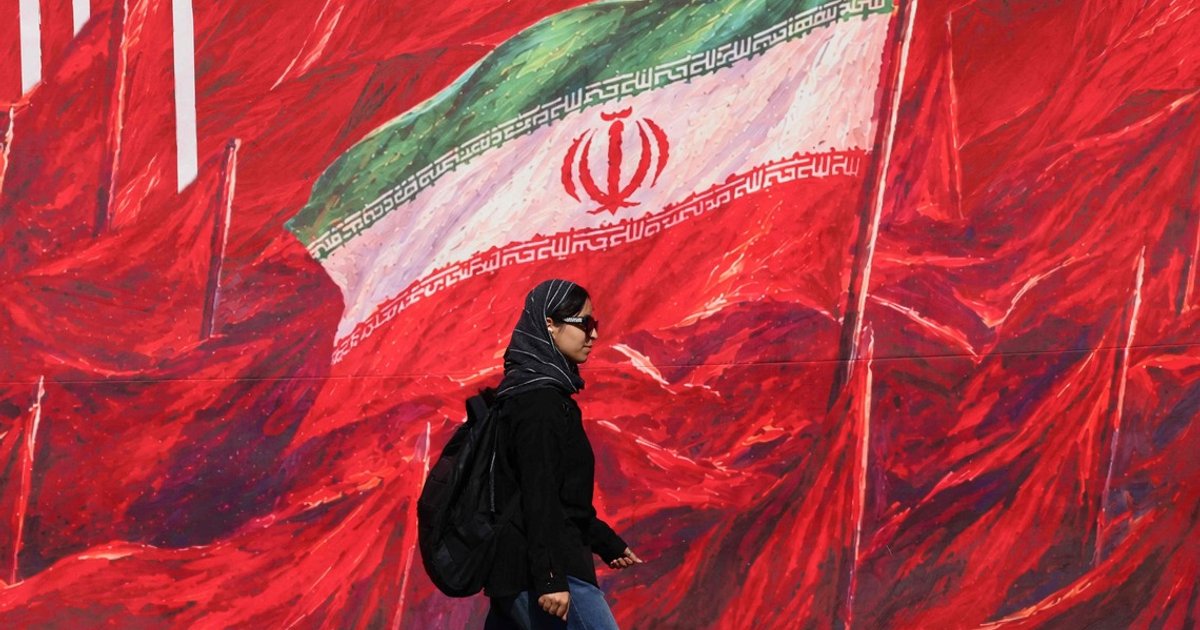
On November 8, 2026, Iran executed three men — Hassan Dioband, Hamid Kazemi, and Reza Zanganeh — after they were convicted of working with Israel and the United States during anti-government protests in January. The executions took place following a Supreme Court ruling that upheld their death sentences. According to state media reports, the men were accused of using firearms, grenades, and Molotov cocktails to attack public facilities and cause power outages by damaging an electrical substation in Karaj, west of Tehran.
The judiciary also sentenced ten other individuals involved in the unrest under Dioband's supervision to prison terms ranging from five to ten years. This execution is part of a broader crackdown on those arrested during January’s protests; Iran has executed at least 35 people since then, with state media claiming that the unrest caused nearly 3,000 deaths and widespread destruction before the US and Israel launched their ongoing war against Iran. Human rights groups have noted that half of the reported executions this year are linked to these protests.