Lawmakers are returning to Capitol Hill on Monday for the first time since the midterm elections, which
that will dramatically reshape the balance of power in Washington in the new year.
asserted
that → return → year
Now, with the sun setting on their majorities, Republicans are aiming to make the most of their lame-duck period.
asserted
Republicans → set → period
But first, they'll select their new leaders — and work to prevent a possible government shutdown.
asserted
they → select → shutdown
House and Senate Republicans are set to hold their leadership elections on Tuesday, while House Democrats will hold theirs the following week, and Senate Democrats will elect their leaders in early December.
asserted
Democrats → set → December
On the House side, Speaker Mike Johnson is stepping aside after the
, leaving Majority Leader Steve Scalise and Rep. Jim Jordan, the House Judiciary Committee chairman, to jockey for minority leader.
asserted
Johnson → step → leader
Rep. August Pfluger is challenging Majority Whip Tom Emmer for the position of minority whip.
asserted
Pfluger → challenge → whip
Republican Conference Chair Lisa McClain has two opponents — Reps. Erin Houchin and Greg Steube.
asserted
McClain → have → opponents
Democrats up for a handful of leadership positions are running unopposed.
asserted
Democrats → run → positions
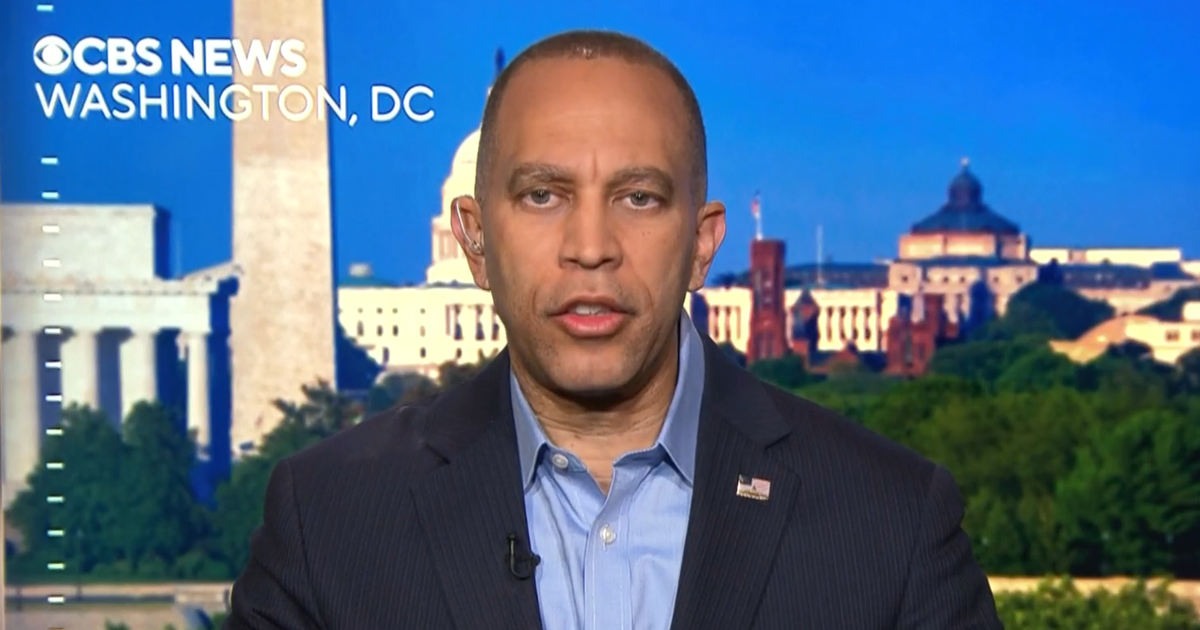
House Minority Leader Hakeem Jeffries is poised to become speaker, with House Whip Katherine Clark as majority leader and Democratic Caucus Chairman Pete Aguilar as whip.
asserted
Jeffries → poise → whip
Rep. Joe Neguse is set to become assistant speaker and Rep. Ted Lieu, the current Democratic Caucus vice chair, chair of the Democratic Caucus.
asserted
Neguse → set → Caucus
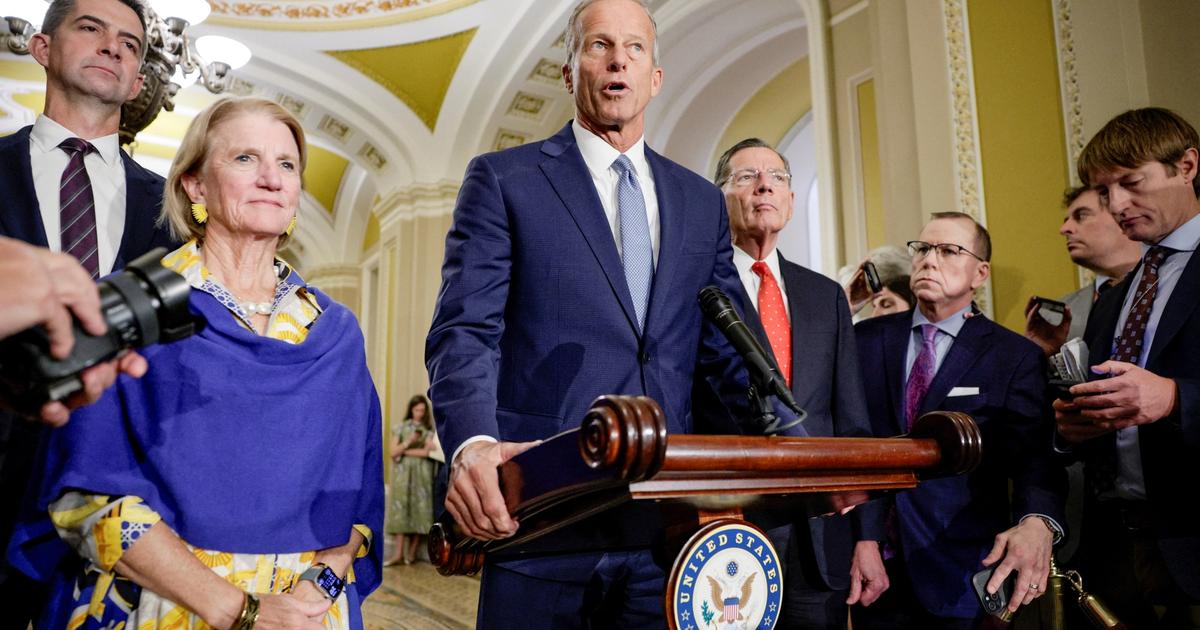
In the upper chamber, Senate Republicans are scheduled to hold leadership elections Tuesday morning.
asserted
Republicans → schedule → elections
But at least a handful of Senate GOP members, led by Sen. Ron Johnson of Wisconsin, want to delay their elections to recalibrate after
for the party.
asserted
handful → lead → party
In a letter to Sen. Tom Cotton of Arkansas, who chairs the Senate Republican Conference, the Wisconsin Republican argued that "we need to have serious discussions within our conference" about 2028, after the party's "stunning defeat."
asserted
we → chair → defeat
"Holding leadership elections without engaging in a robust discussion and evaluation of how those running for leadership intend to lead would be political malpractice," the senator wrote in the letter seeking to compel a conference meeting before moving forward with the leadership elections.
asserted
senator → hold → elections
Johnson said the letter would be signed by at least five of his colleagues, per Senate rules.
asserted
letter → say → rules
Sens. John Kennedy of Louisiana, Mike Lee of Utah, Rick Scott of Florida and Dave McCormick of Pennsylvania were among those expressing support for the effort.
asserted
Kennedy → express → effort
In an interview with "The Takeout with Major Garrett" on Friday, Johnson said the letter was not "hostile" to Senate Majority Leader John Thune or other leaders.
asserted
letter → say → Thune
No senator has announced a challenge to Thune, and his conference widely expects him to be elected to a second term as leader.
asserted
him → announce → leader
But the Wisconsin Republican argued that there's "no reason to rush," noting that the GOP doesn't yet know the size of its conference with the outcome of two races — Mississippi and Alaska — still unresolved.
asserted
outcome → argue → races
"There's a lot of reason for robust discussion and reflection about what went wrong," he said.
asserted
he → be → discussion
As for Senate Democrats, leadership elections are slated for early next month.
asserted
elections → slat → month
And with Democrats' overperformance of expectations in the midterms, Senate Minority Leader Chuck Schumer has appeared to improve his standing, despite facing intense criticism over the last two years for his leadership that originated with a fight over funding the government.
asserted
that → appear → government
Government funding
After Congress approved a stopgap measure to keep the government funded earlier this year, funding is set to run out on Dec. 11, teeing up a familiar fight on Capitol Hill.
asserted
funding → approve → Hill
Lawmakers now have a condensed timeline to negotiate and pass the 12 annual appropriations bills that fund the federal government, or opt to kick the can down the road further.
asserted
that → have → road
The initial deadline to fund the government was Sept. 30, but Congress approved a short-term extension in a move that avoided a messy funding fight ahead of the midterm elections.
asserted
that → fund → elections
In an interview with CBS News in late October, Rep. Rosa DeLauro, the top Democrat on the House Appropriations Committee, said House and Senate negotiators "will start to do business" after the election, acknowledging that Democrats would have more leverage after the midterms if they won the majority.
asserted
they → say → majority
Asked about the points of agreement and disagreement between Democrats and Republicans, DeLauro said, "we're going to find out when we sit down and talk about it."
asserted
we → ask → it
"What I am going to work to do is to pass all 12 appropriations bills, if we can," she said.
asserted
she → go → bills
"No one wants a continuing resolution that goes through next year."
asserted
that → want → year
"As it unfolds, we will see what we have to do and where we go," she said.
asserted
she → unfold → what
The
could take center stage in the funding fight, as some Democrats advocate for using their leverage to block funds for the unpopular conflict.
uncertain
Democrats → take → conflict
But doing so could risk a shutdown that could spill into the new Congress, and detract from other priorities.
uncertain
that → do → priorities
Congress also faces an end-of-year deadline to pass its annual defense policy bill, which could also be complicated by opposition to the Iran war and Pentagon leadership that's been under scrutiny after the GOP's significant losses.Hegseth impeachment
Anger toward Defense Secretary Pete Hegseth, which was simmering before the elections, boiled over after the GOP's crippling losses, with intense criticism over his strategy in the Iran war.
uncertain
which → face → war
GOP Rep. Thomas Massie, a frequent thorn in the side of Republican leadership, introduced articles of impeachment against Hegseth in September, but House GOP leaders recessed the chamber early, pushing off a vote on the issue until November.
asserted
leaders → introduce → November
But since then, the environment has appeared to grow less favorable for Hegseth, and some Republicans, who were once fierce defenders of Hegseth, appear to be reconsidering their support for him.
asserted
who → appear → him
"I can tell you with a high level of confidence, there's a lot of questions about Hegseth," Rep. James Comer, who leads the House Oversight Committee, said in an interview with News Nation.
asserted
who → tell → Nation
"We have no idea what the strategy is moving forward in Iran.
asserted
strategy → have → Iran
I think the Republican voters are more upset about what's going on in Iran than the Democrat voters."
asserted
what → think → voters
Massie said he plans to push ahead with forcing a vote on Hegseth's impeachment upon Congress' return, unless he resigns.
asserted
he → say → return
"There is one contingency in which I won't reintroduce the articles of impeachment: Hegseth resigns," Massie said last week.
asserted
Massie → be → impeachment
…and 21 more, not listed.
 The Aporia